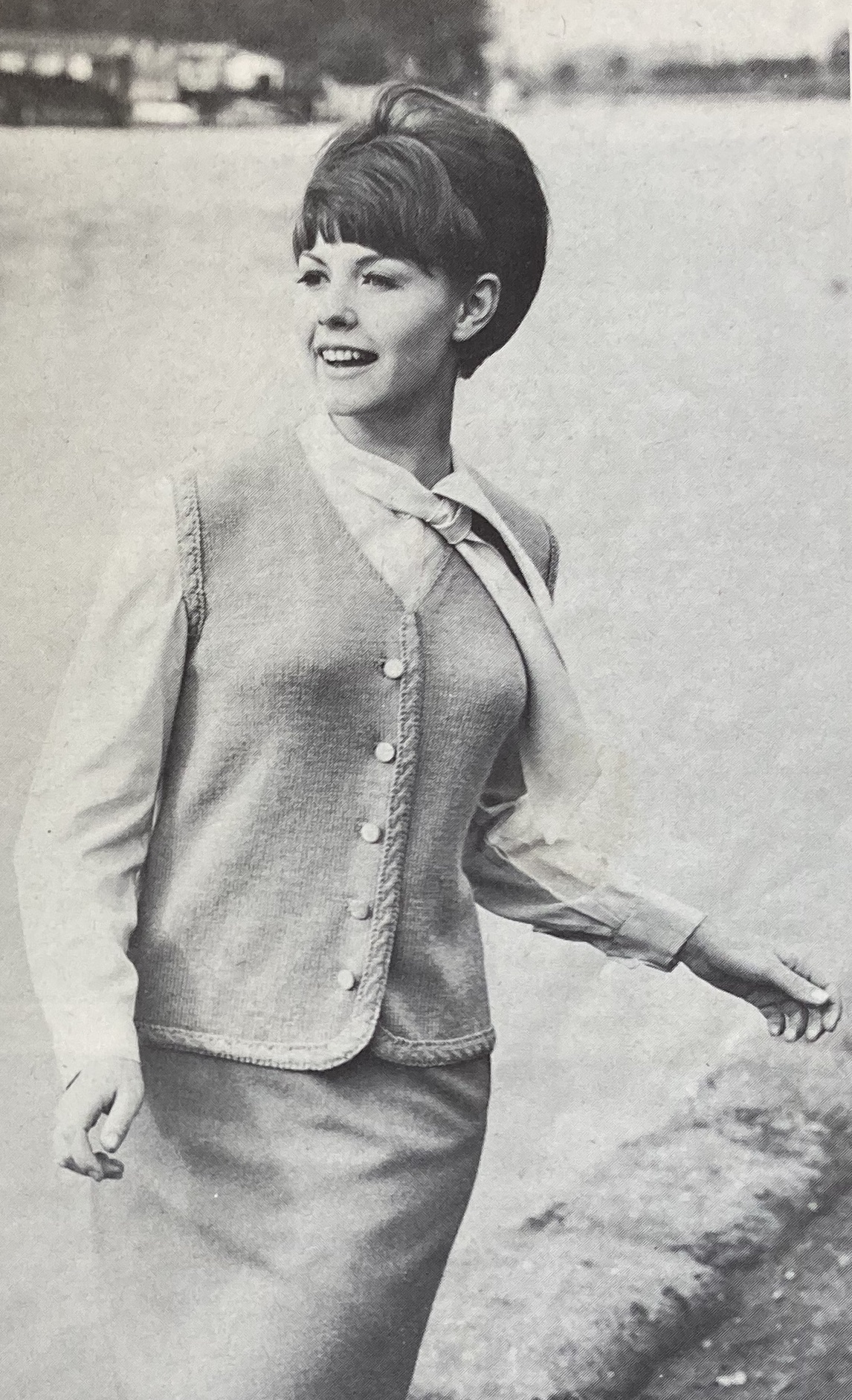
August 1967: Overview

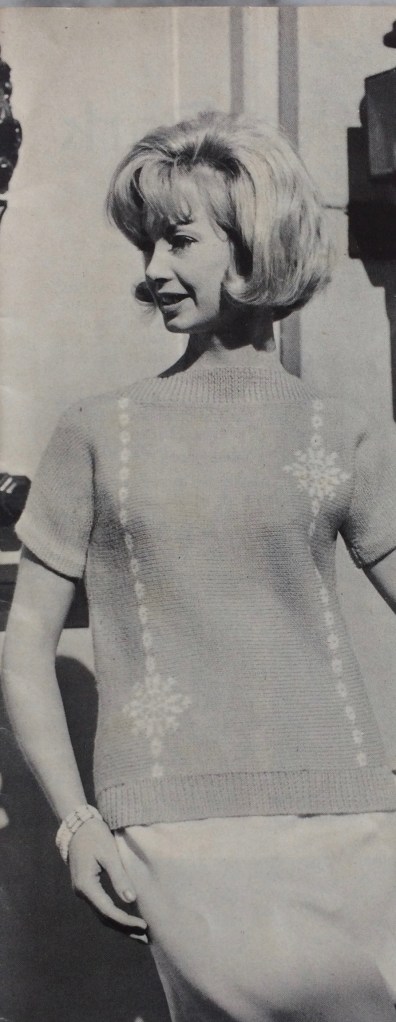
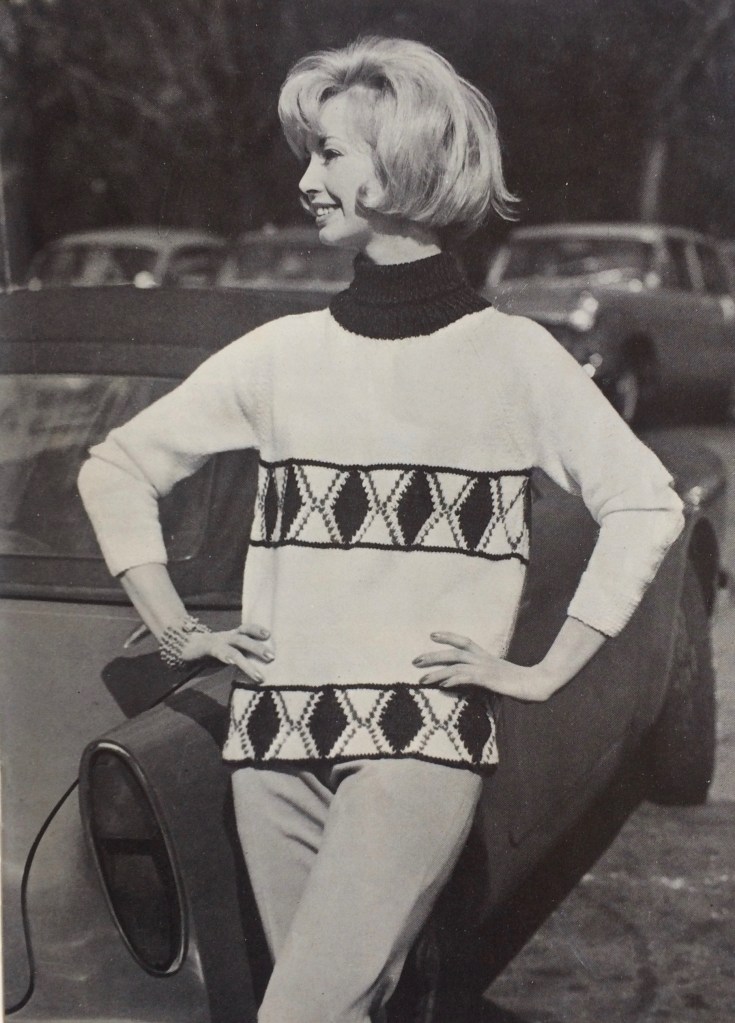
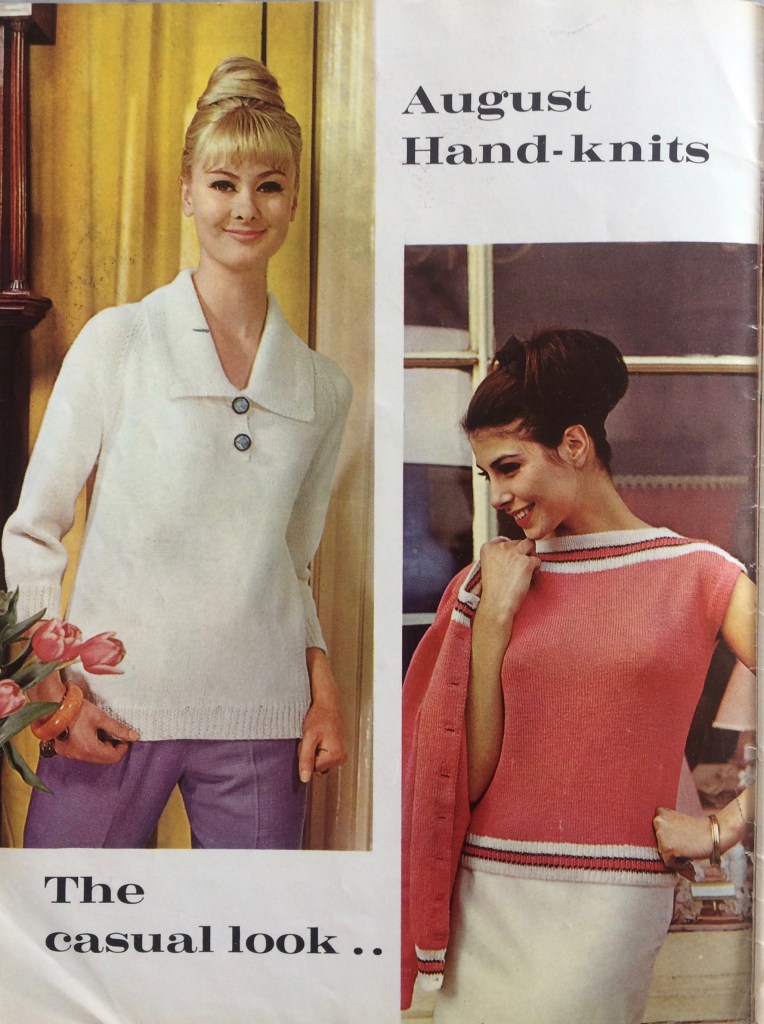
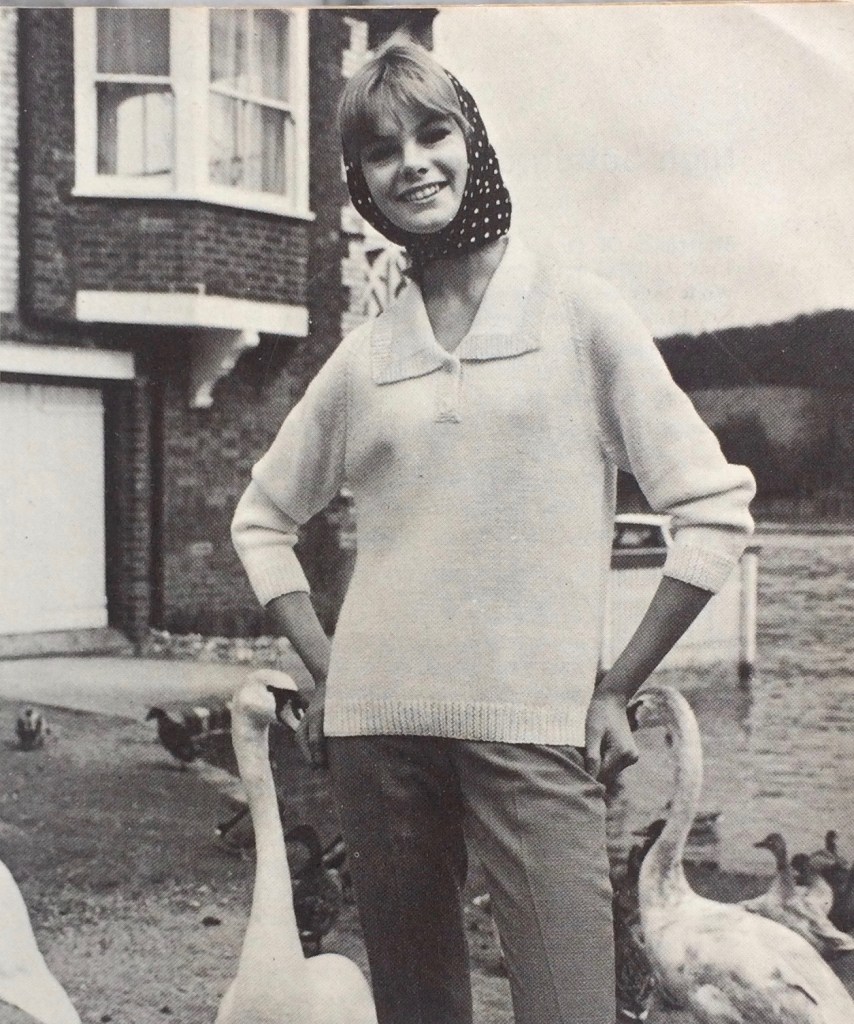
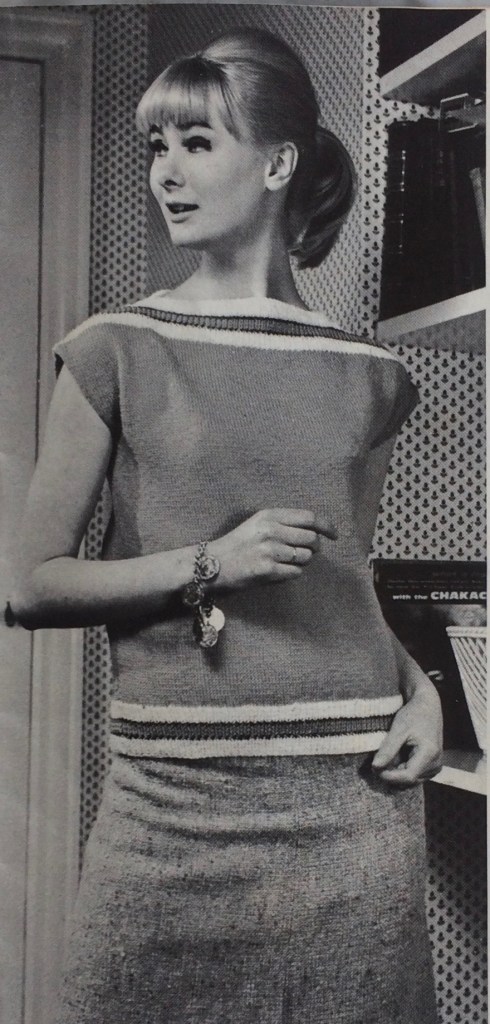
“The LAST of the SUN” is the headline of the introductory page of Stitchcraft’s August 1967 issue, and there is no blurb about the latest fashions or designs: just the subtitle “fashion for late holidays and the first smoky days.” (That the first cooler days of the year were called “smoky” is presumably meant quite literally, seeing that a good portion of family homes in the UK were still heated with coal fires in 1967.) The late-summer fashions in this issue are warmer, but still sunny and colourful, with layered and mid-weight garments that can be worn indoors or out.

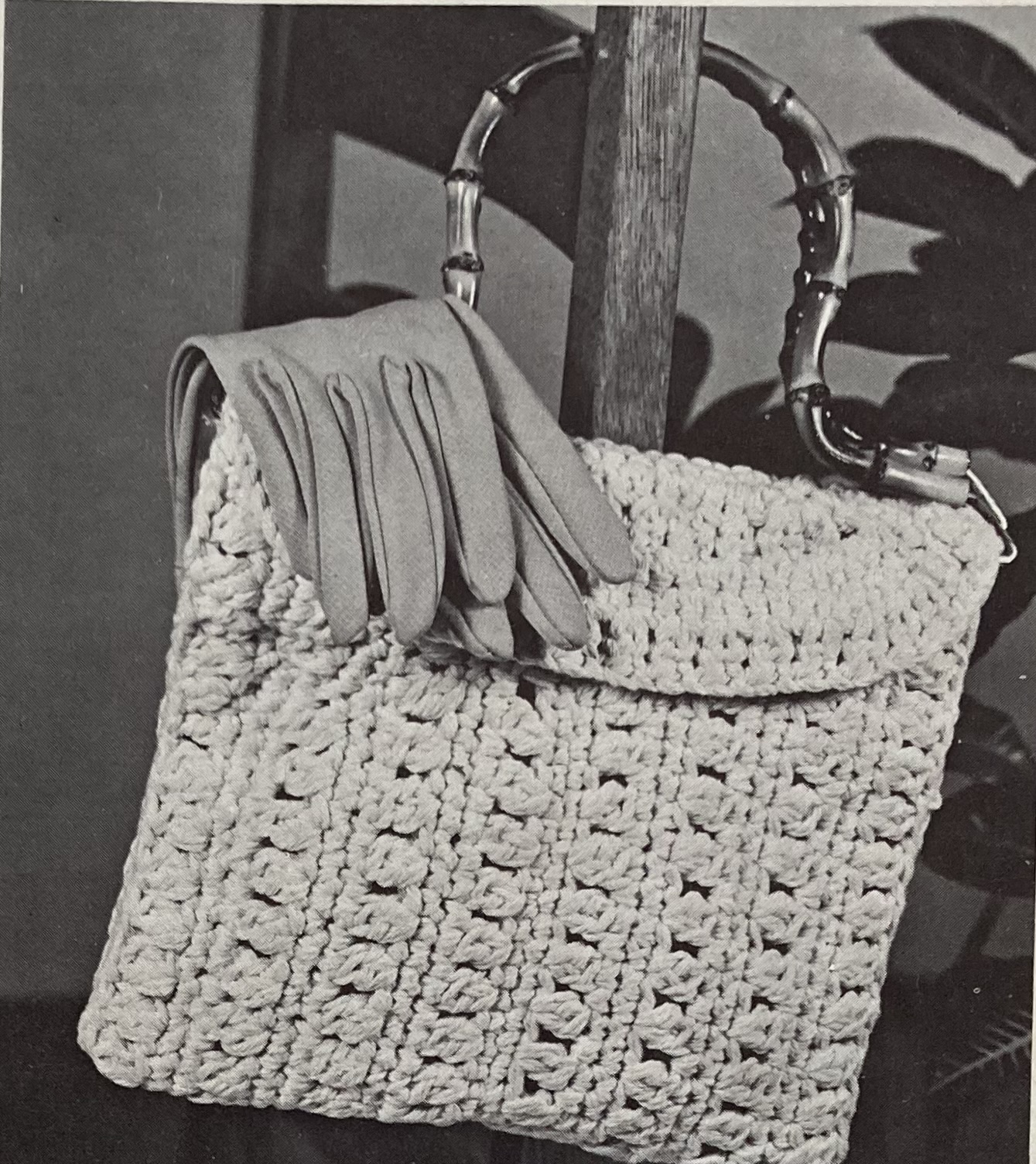
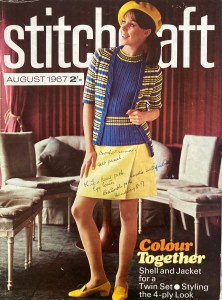
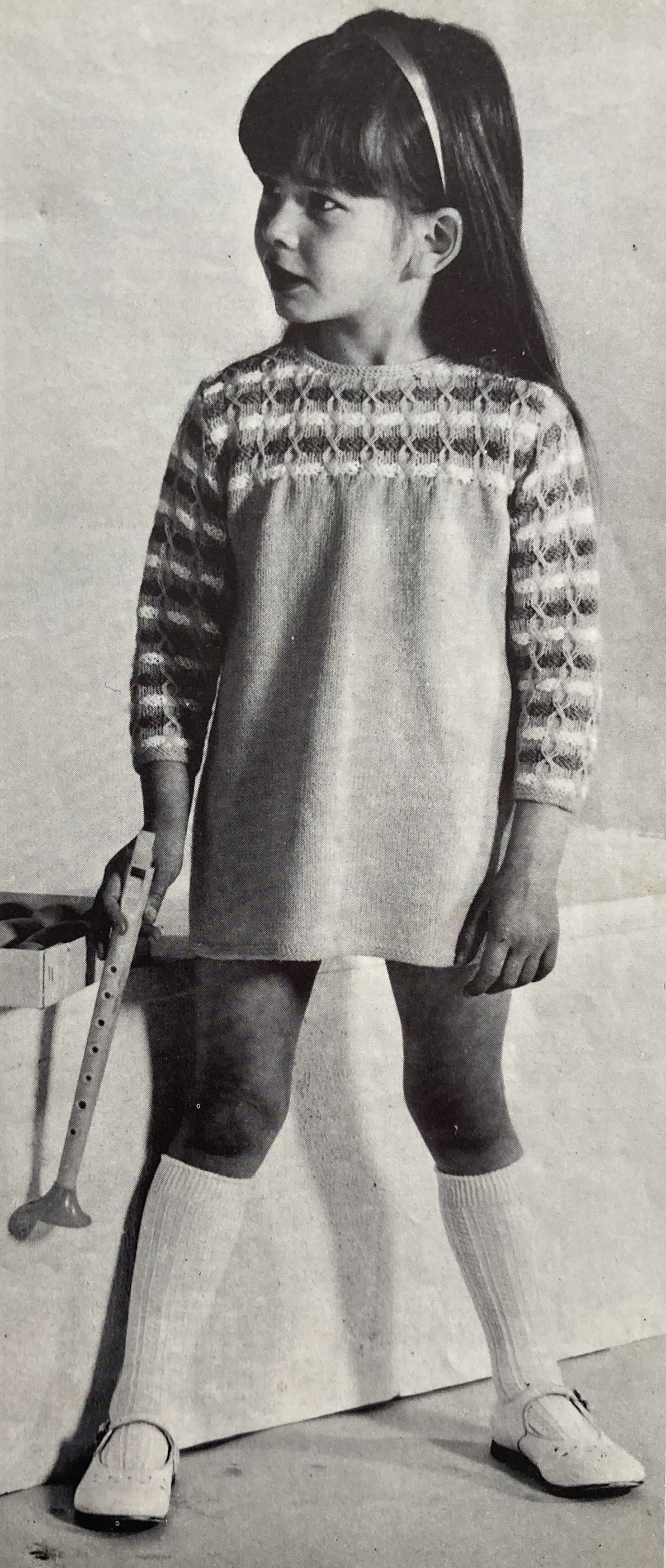
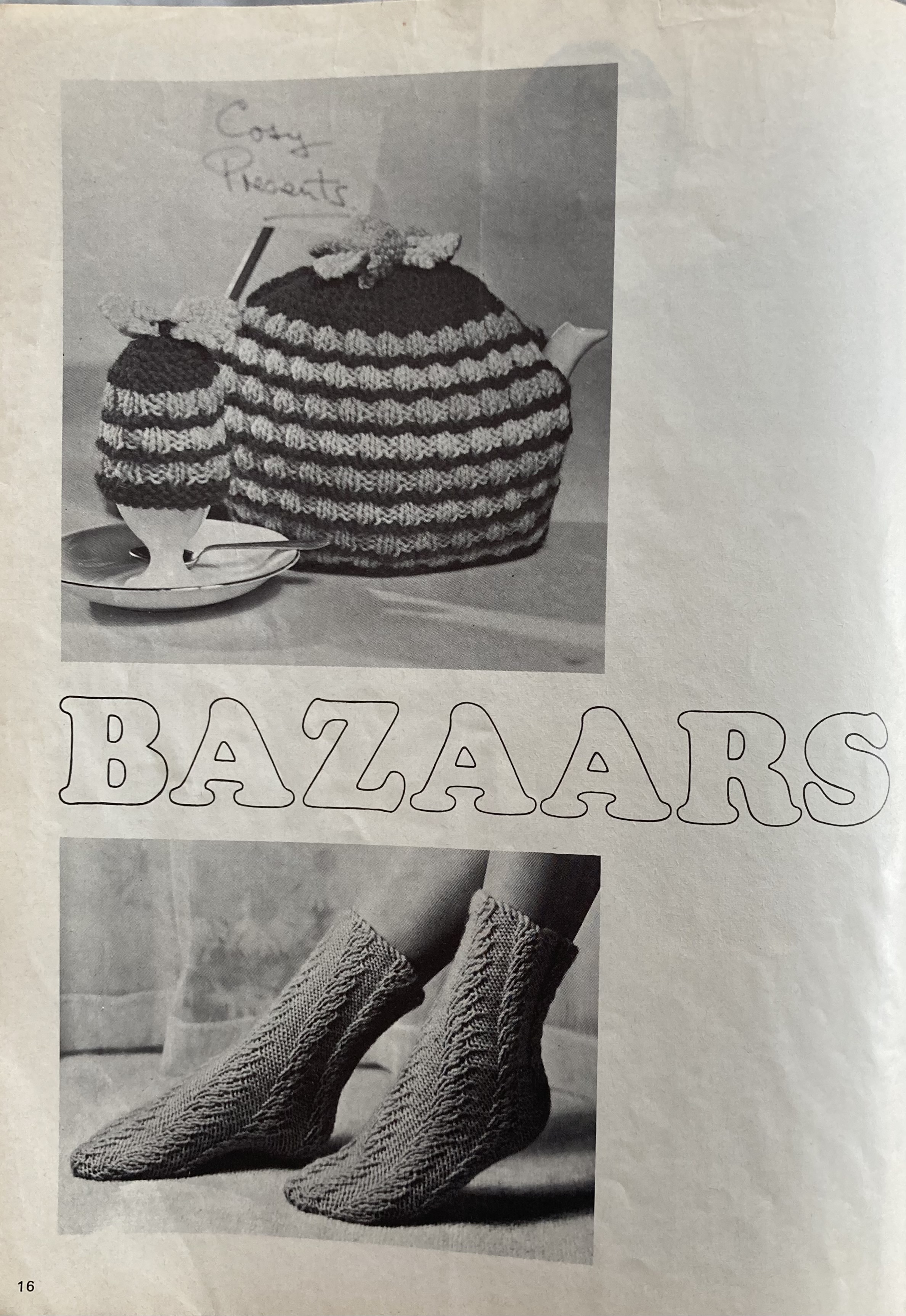
Case in point: the cover design, a twin-set of sleeveless “shell” and lightweight cardigan with elbow sleeves in cheerful, sunny yellow and blue. Note how short skirts have gotten! I think this might be the first Stitchcraft cover photo that features a true miniskirt. My copy of this issue was clearly used — according to the handwritten notes on the cover, the previous owner was interested in the crochet runner, the felt panel, the knitted tea cosy, egg cosies, and bed socks on page 16, and the handbag on page 17.
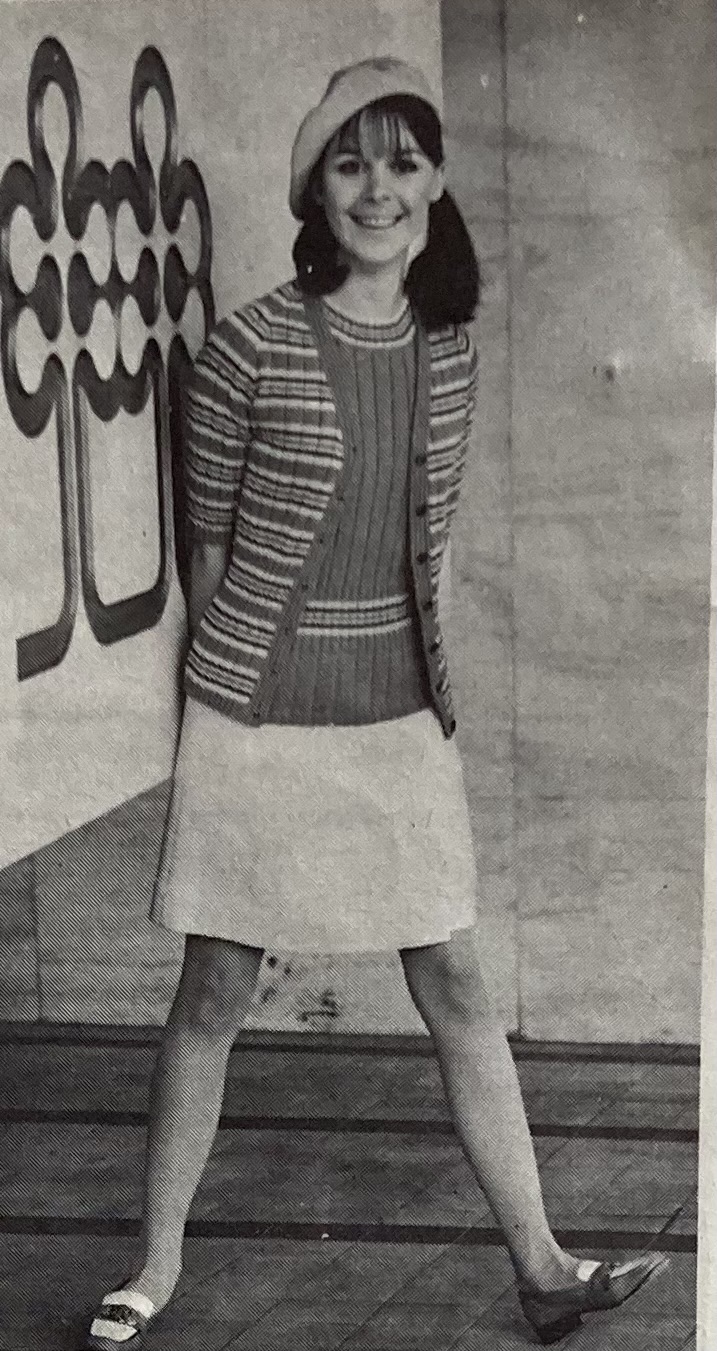
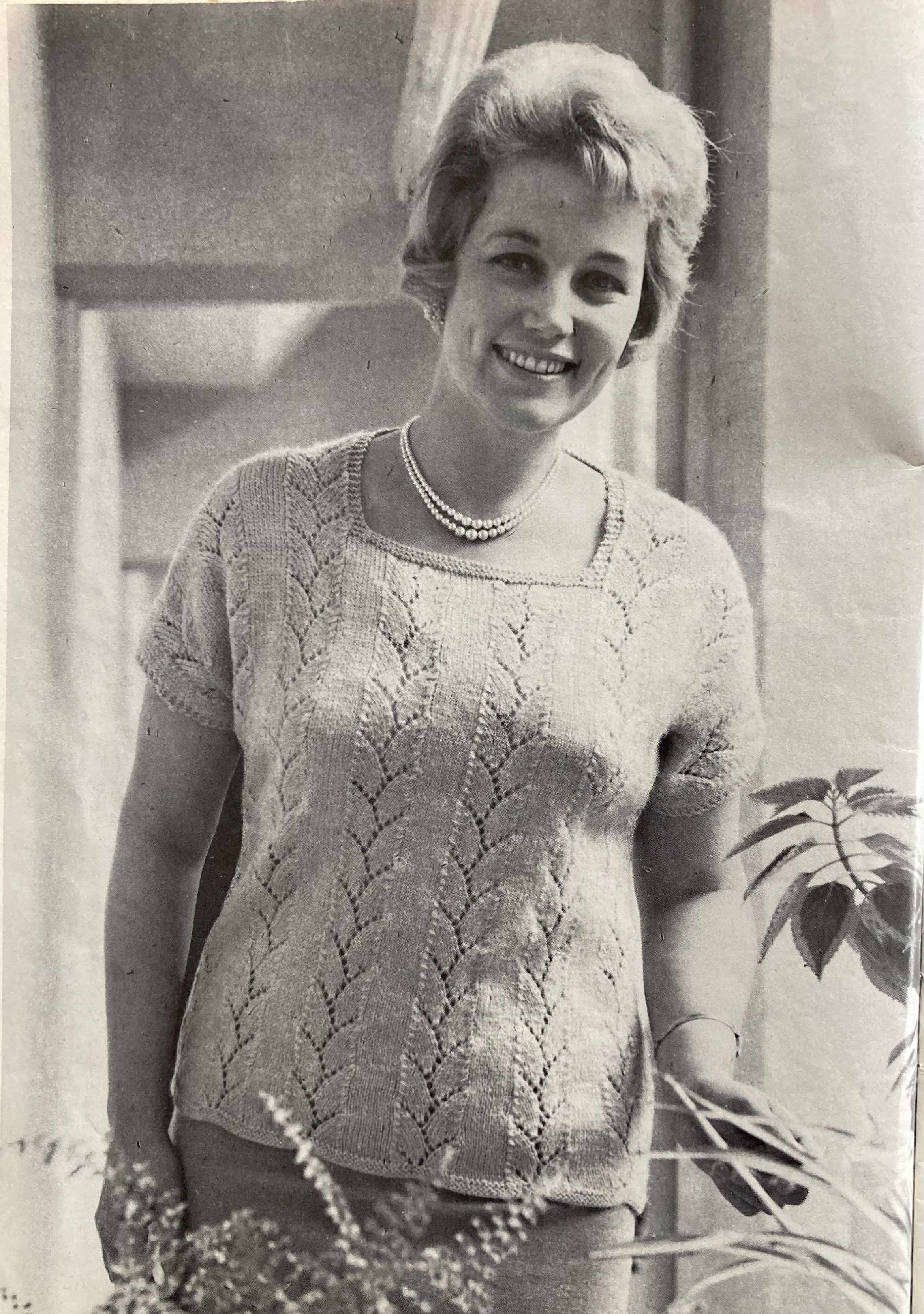
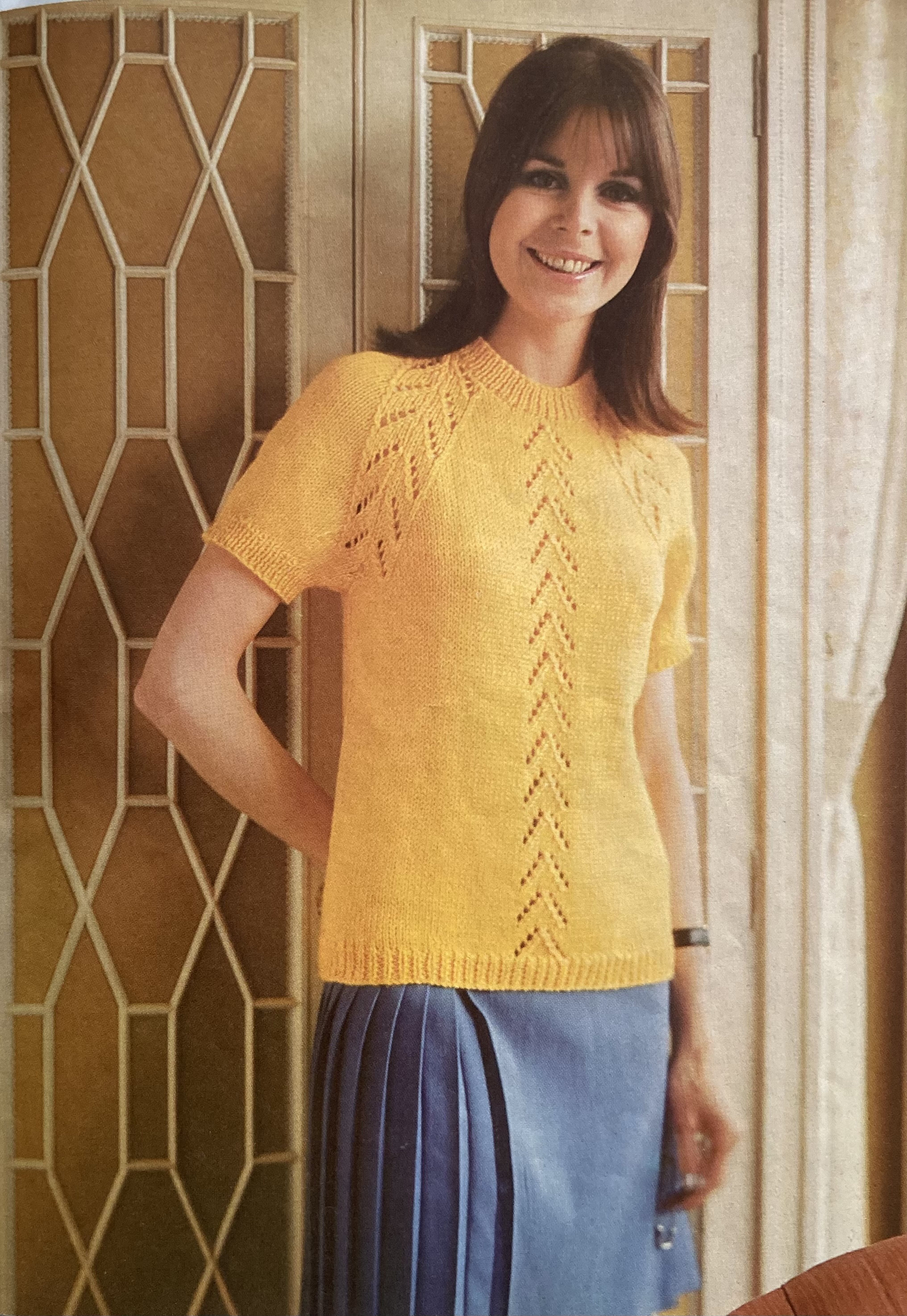
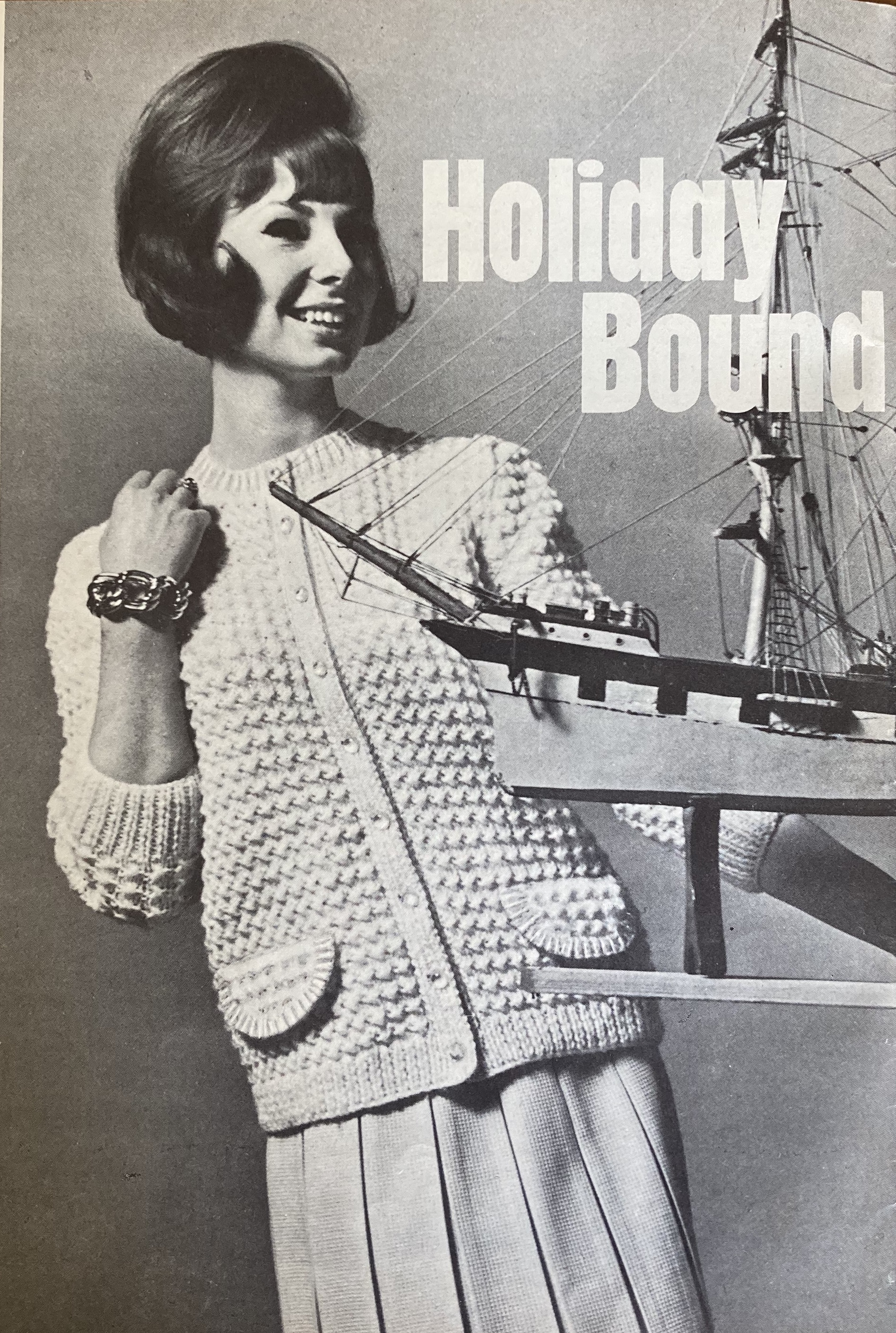
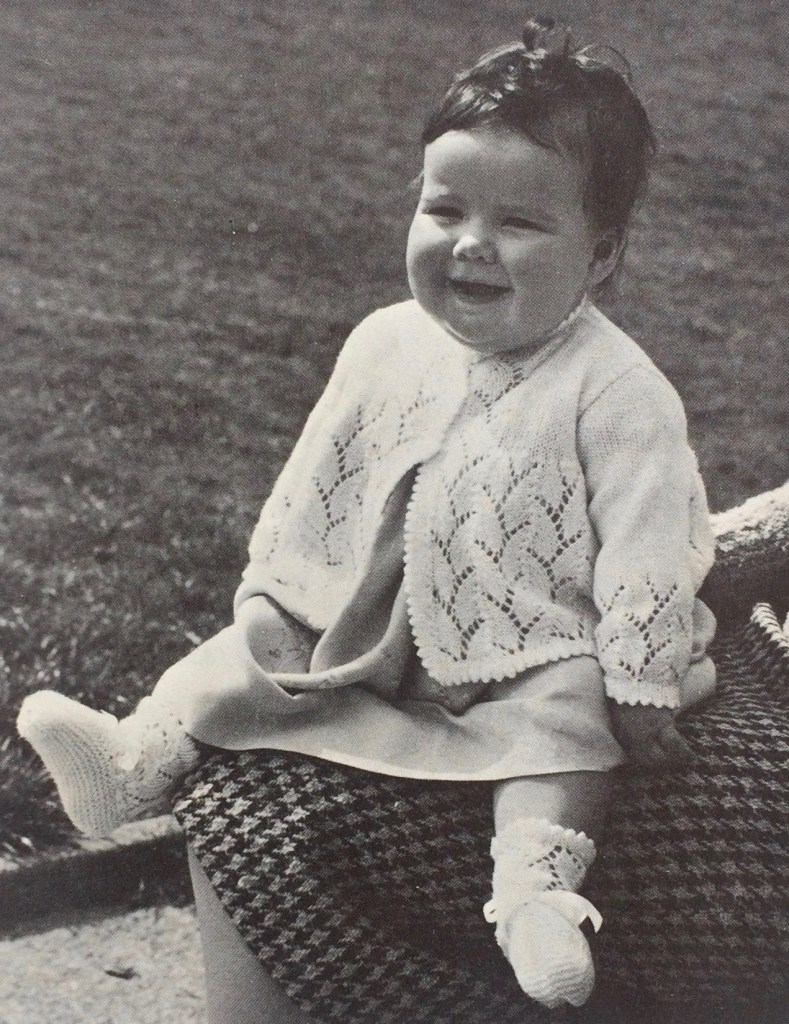
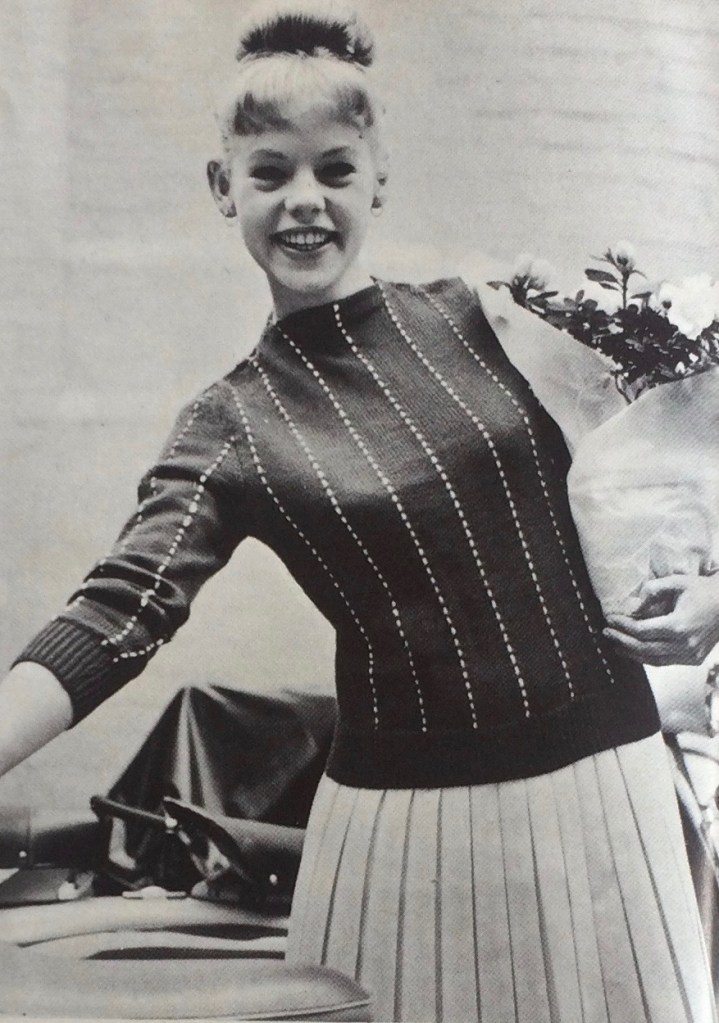
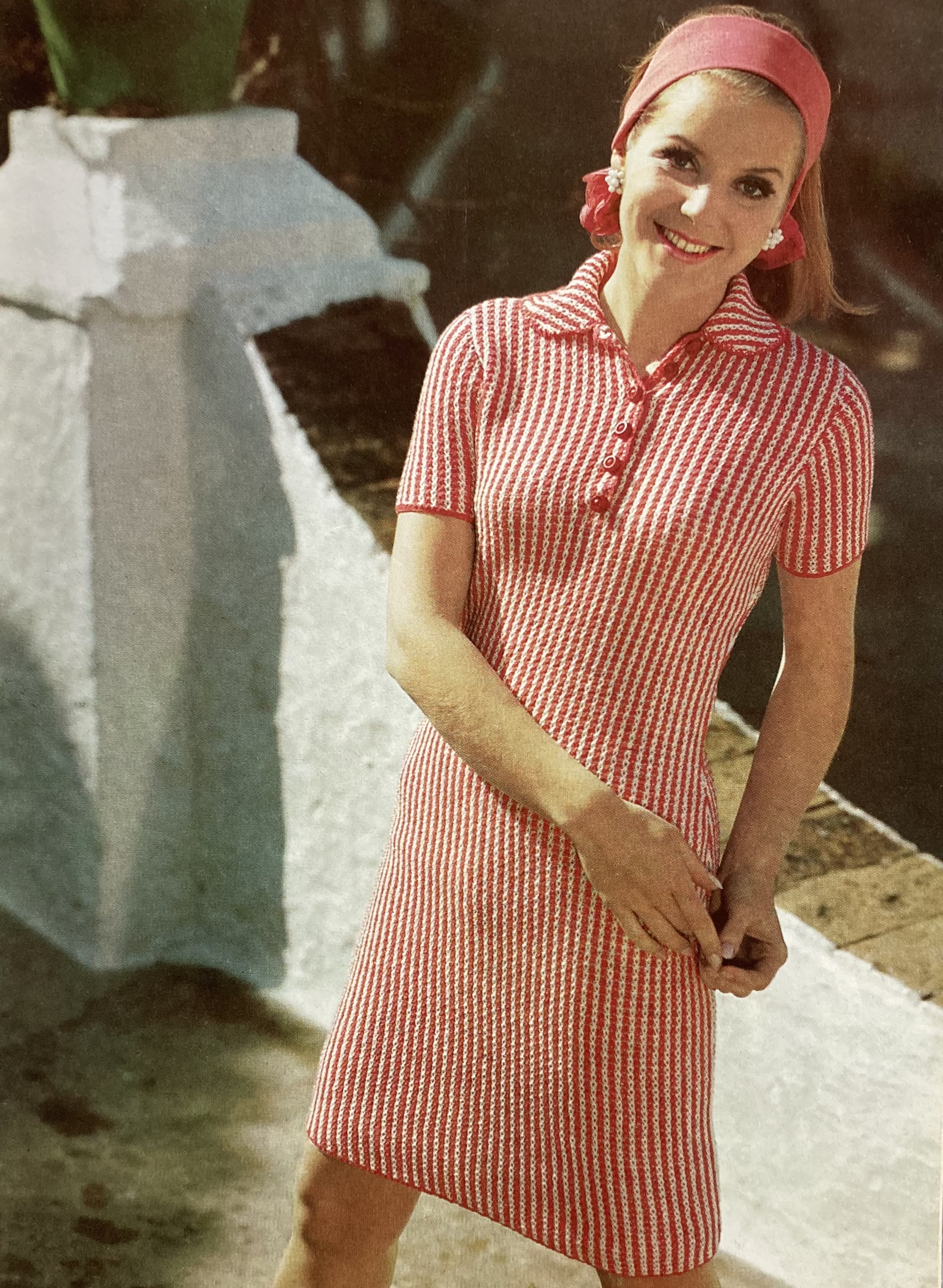
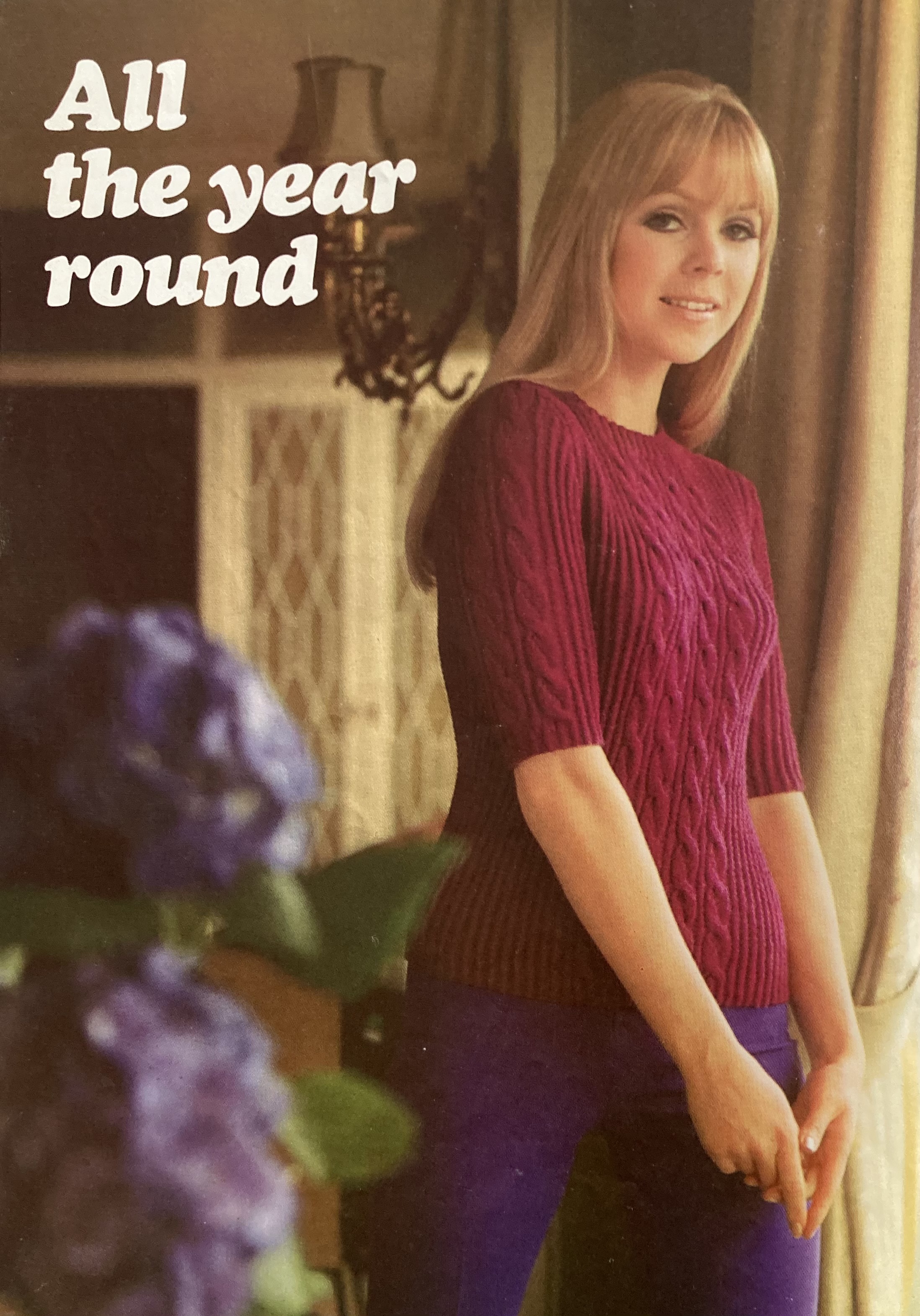
The other women’s fashions include a lacy top in larger sizes (to fit 42/44/46 inch bust), a two-colour shirtdress in a slip-stitch pattern, two short-sleeved knitted jumpers, and a heavier saddle-shoulder cardigan to work as a jacket on those cooler days. With the exception of the larger-sizes jumper in pastel “Camelia” pink, bold colours prevail: yellow, pink, red, or blue tones. (The saddle-shoulder cardigan is navy blue with white.) There are more colour photos in this issue than in previous issues.
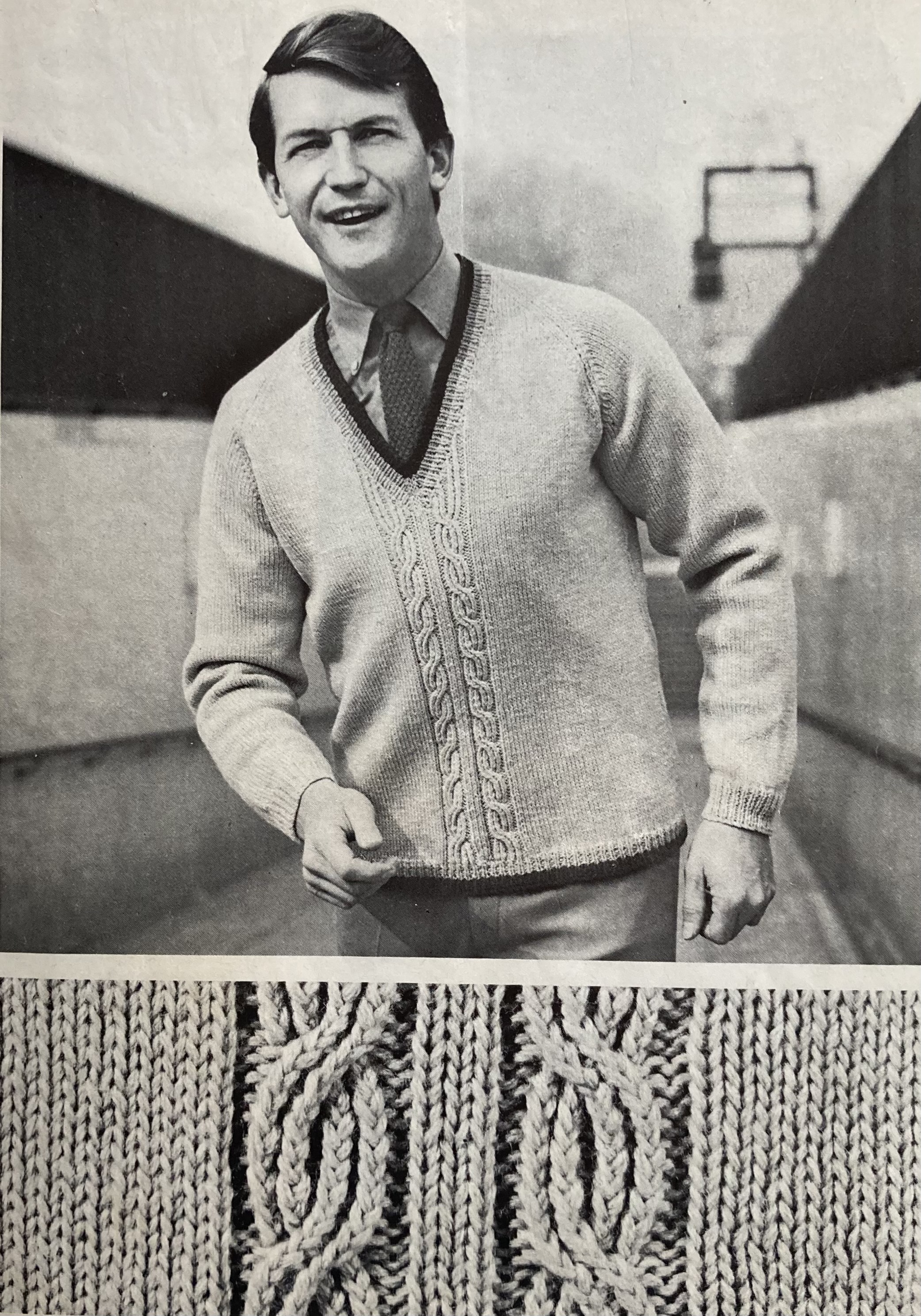
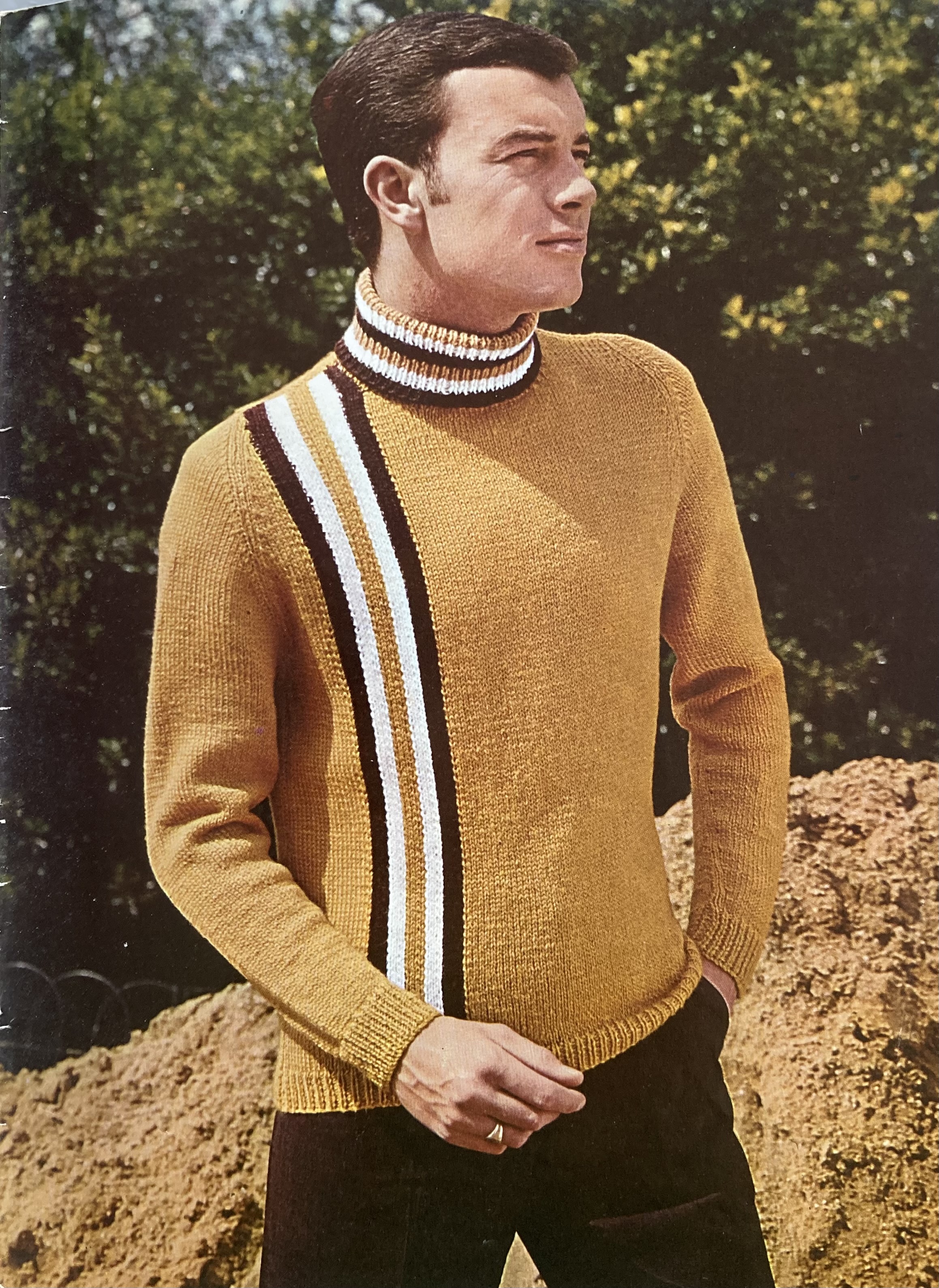
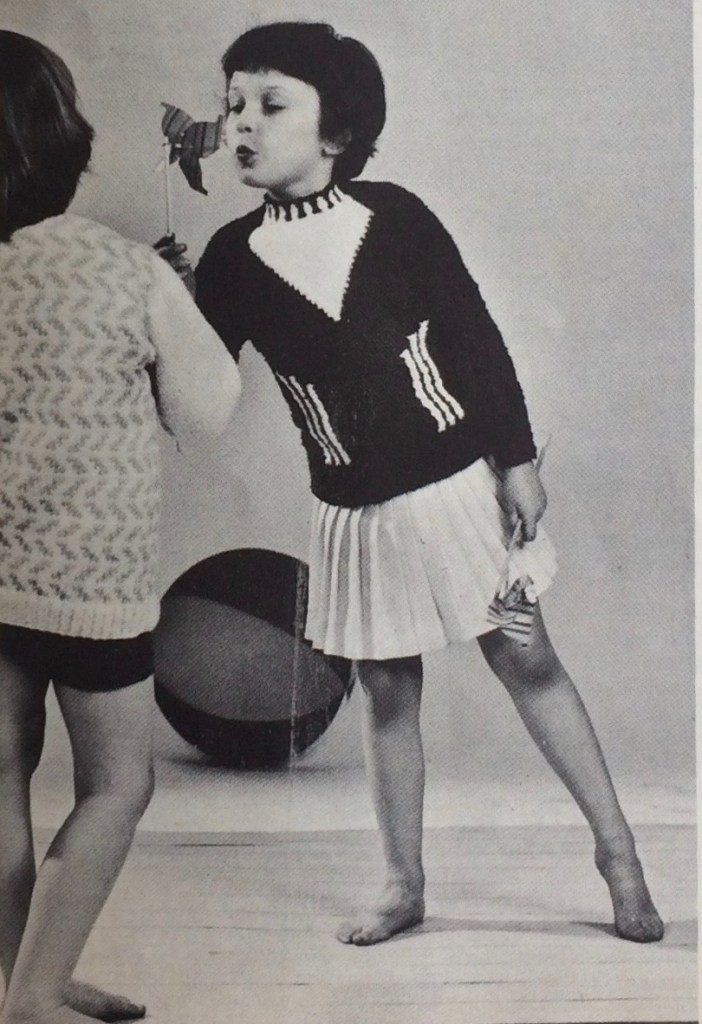
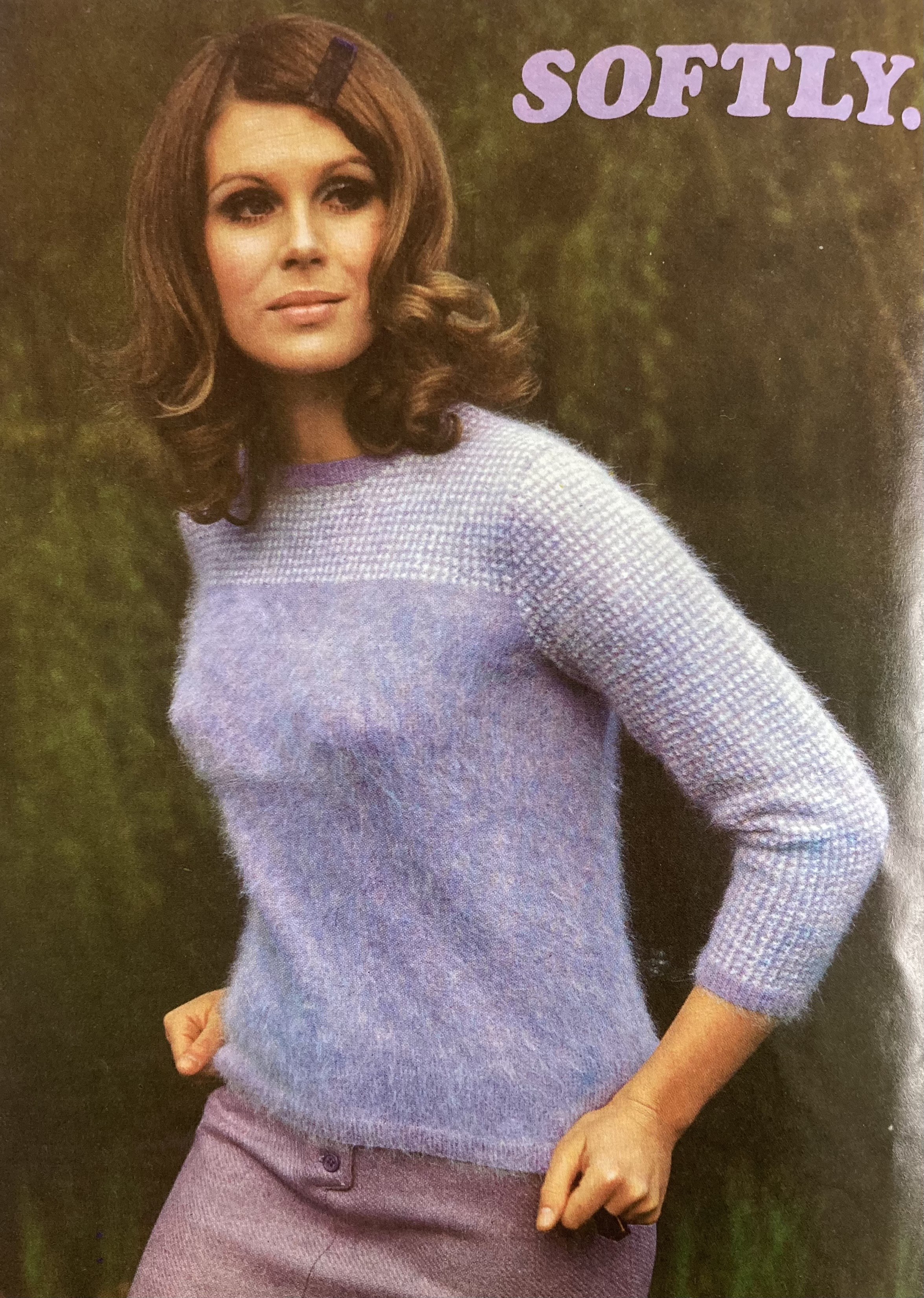
A micro-trend for contrasting yokes that encompass the sleeves and the upper bust area can be seen in both the “Fuzzy-Wuzzy” (that is the name of the wool, an angora blend) jumper for adult women and the little girl’s way-too-short-to-actually-play-in tunic dress featuring a smocked effect made by dropping an extra-long stitch and then picking it up a few rows later and a few stitches over. It is designed to be made in the very 1960s colours of “Spark Gold” with “French Mustard” and white. Men are unusually well served in this month’s issue with both an “Autumn Stroller” V-neck pullover with cable panel and a “rugged for the outdoor life” racing-stripe pullover “designed for slim chaps”. Here as well, late-60s brown and gold tones are on trend.
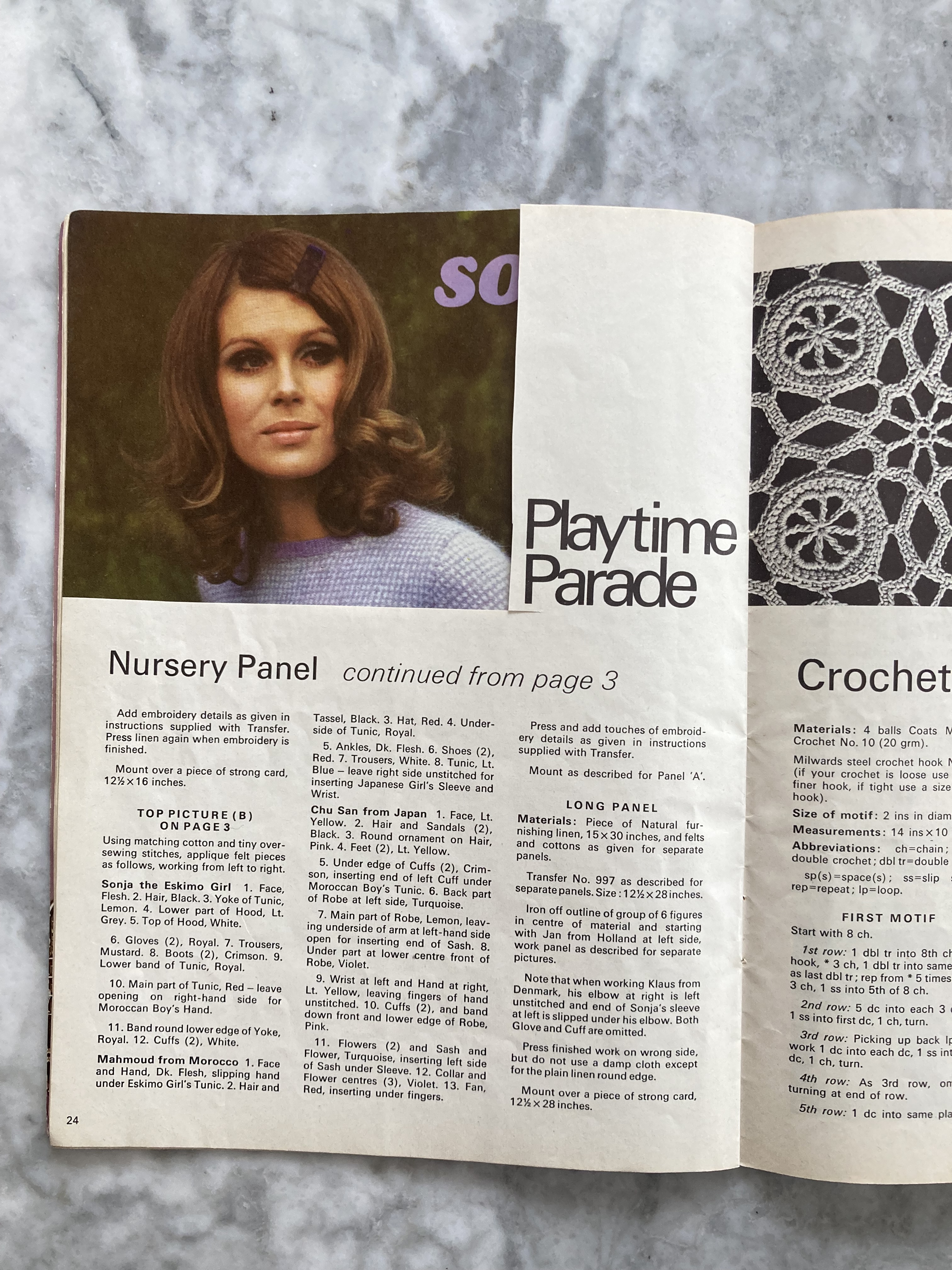
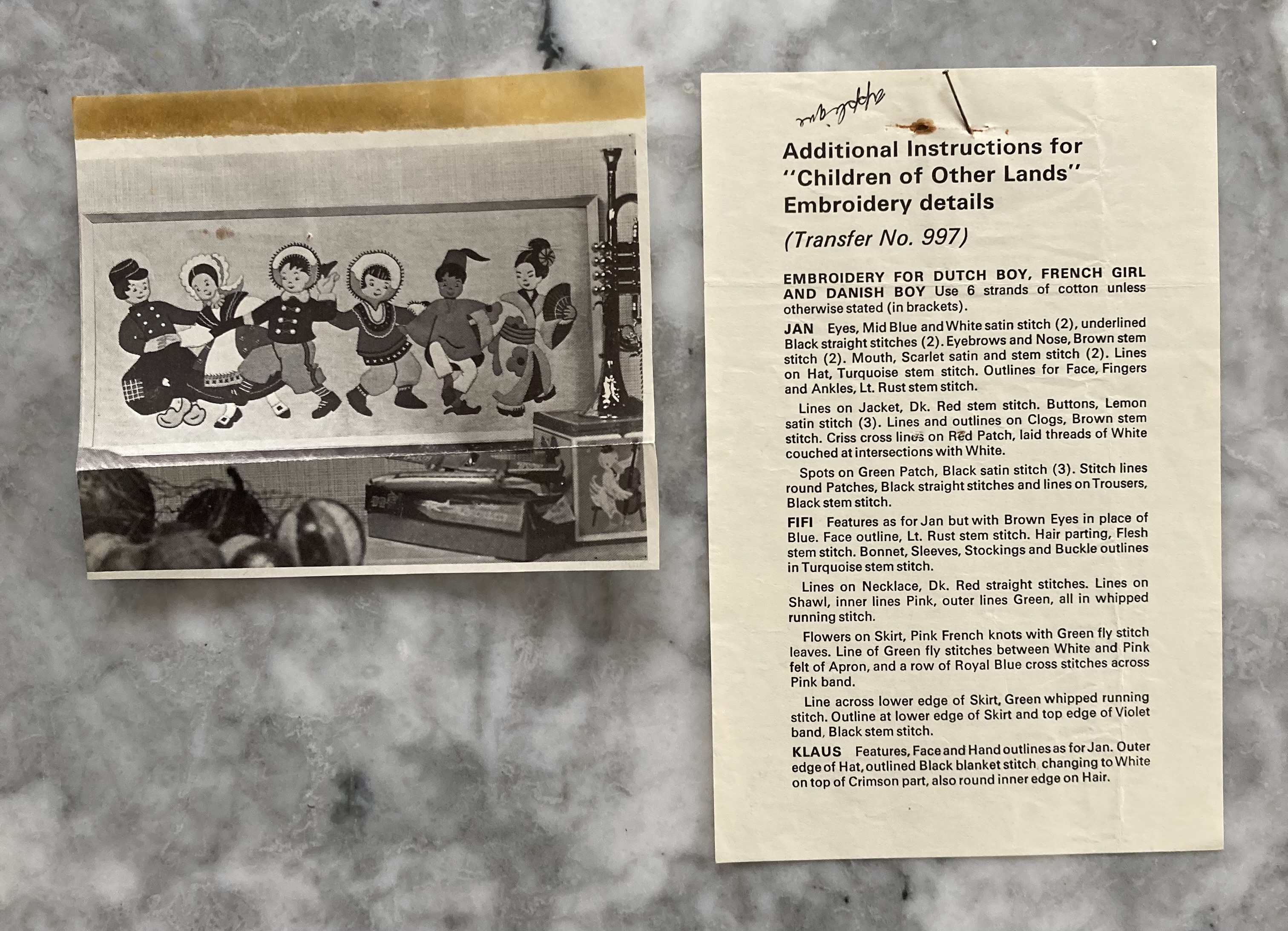
Housewares are either quite complex or easy enough to dash off quickly for a church bazaar or quick gift. On the more complicated and difficult side, there’s a large wall panel made in felt appliqué, designed after the “Children of Other Lands” serial comic that winds up in this month’s issue. Like the comics, the wall panel is sweet and well-meant (and well-designed from a technical standpoint) and the fictional children are not portrayed negatively in any way, but of course their depictions and their comic stories draw very, very heavily on outdated stereotypes. The previous owner of my copy of this issue seemd to be a fan and presumably made the wall panel: she cut out the extra photo of the finished panel from another page in the magazine and pinned a small page with additional instructions into the first page of the pattern. I’m guessing the additional instructions came with the embroidery transfer, which readers had to send away for by post.

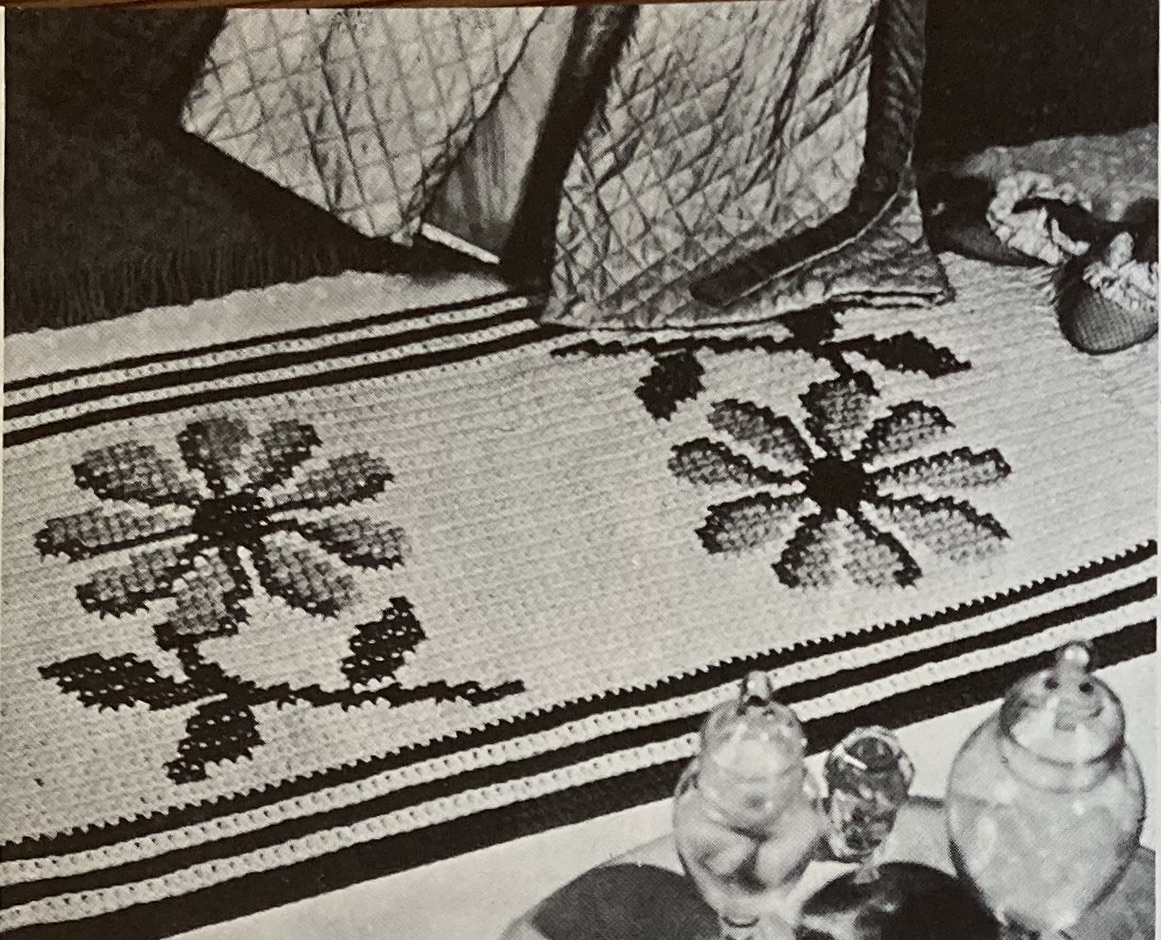
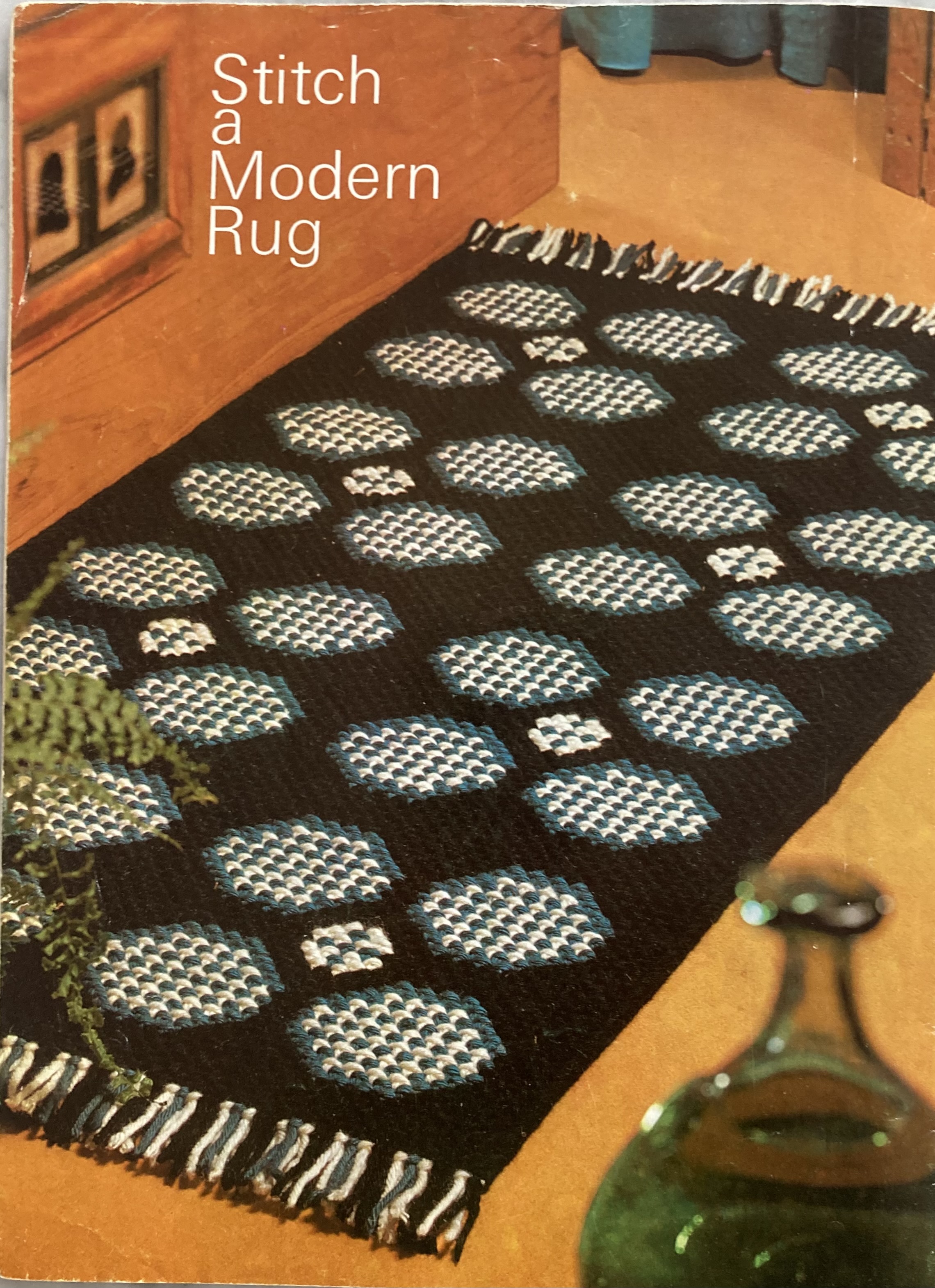
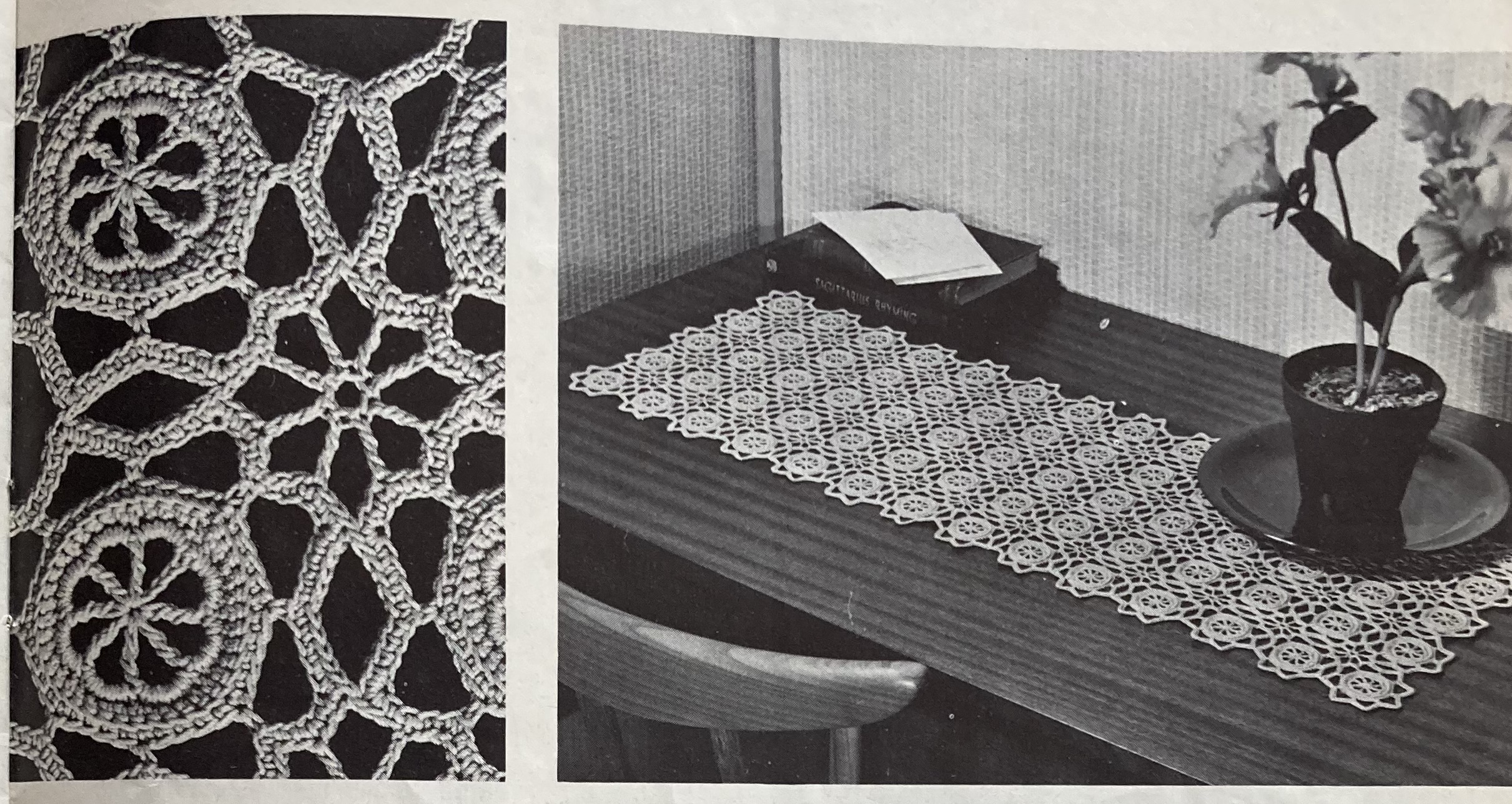
There’s an ambitious stitched rug in a very modern pattern, and a crocheted table runner (also on the list that the previous owner wanted to make) that looks quite intricate to me.
The cutwork chair set and breakfast tray set with Celtic-inspired design elements seem to be of average difficulty. Finally, there are quick and easy cosies and a crocheted handbag that promise to be “easy knitters” and “top sellers” at your next church or charity bazaar.

That’s all for this issue! I have to admit that there is nothing in it that particularly inspires me, so I will use this month to hopefully finish up the spectacular chevron-striped dress from April 1967 and the “Fair Isle Country Cardigan” from January 1967. I should be prepared for any kind of late-summer weather then.
June 1967: Overview

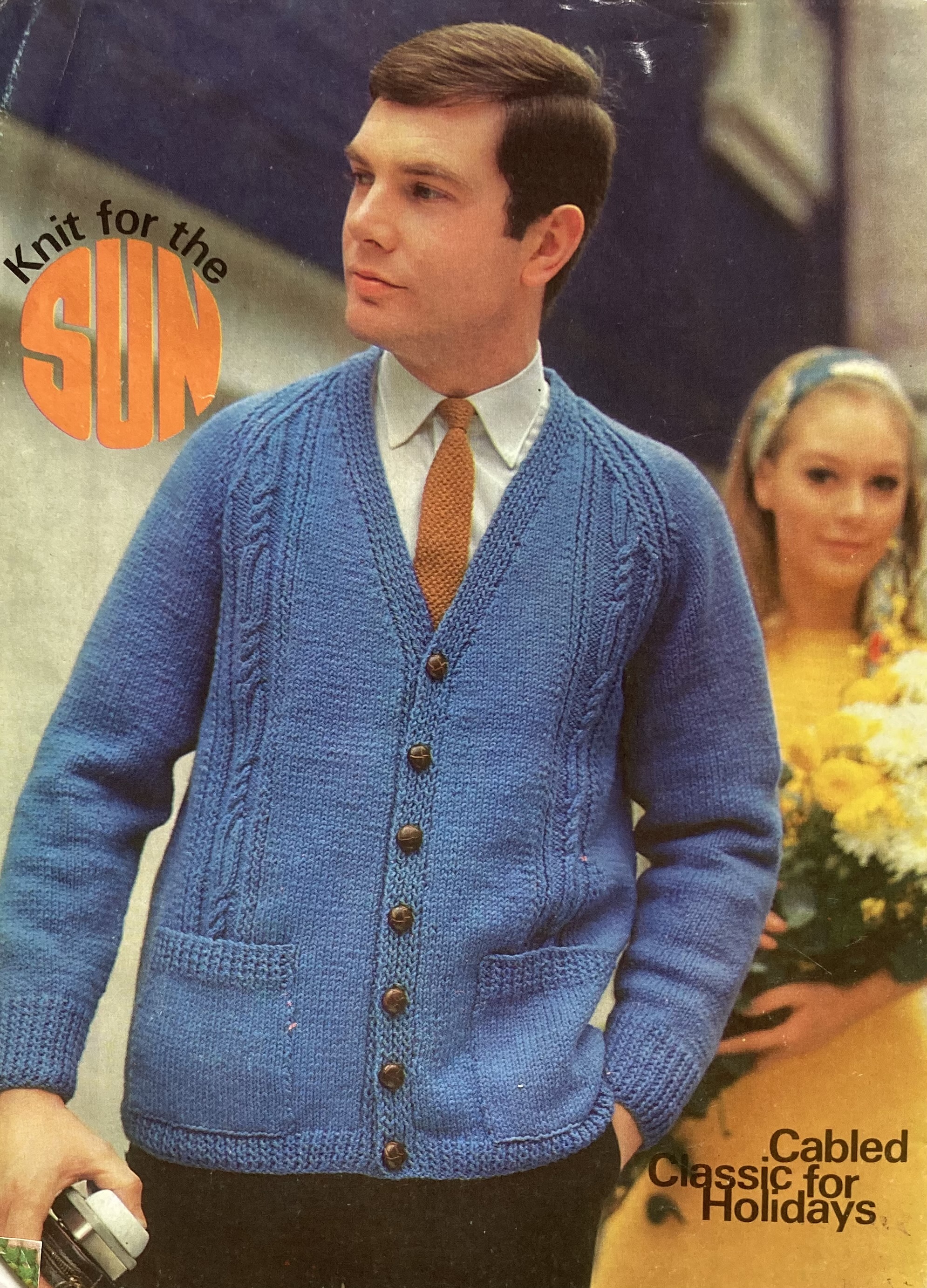
“Knit for the SUN” is the theme of the June 1967 issue of Stitchcraft, and our cover model gives us the best example of that in her striped and sunny yellow outfit.

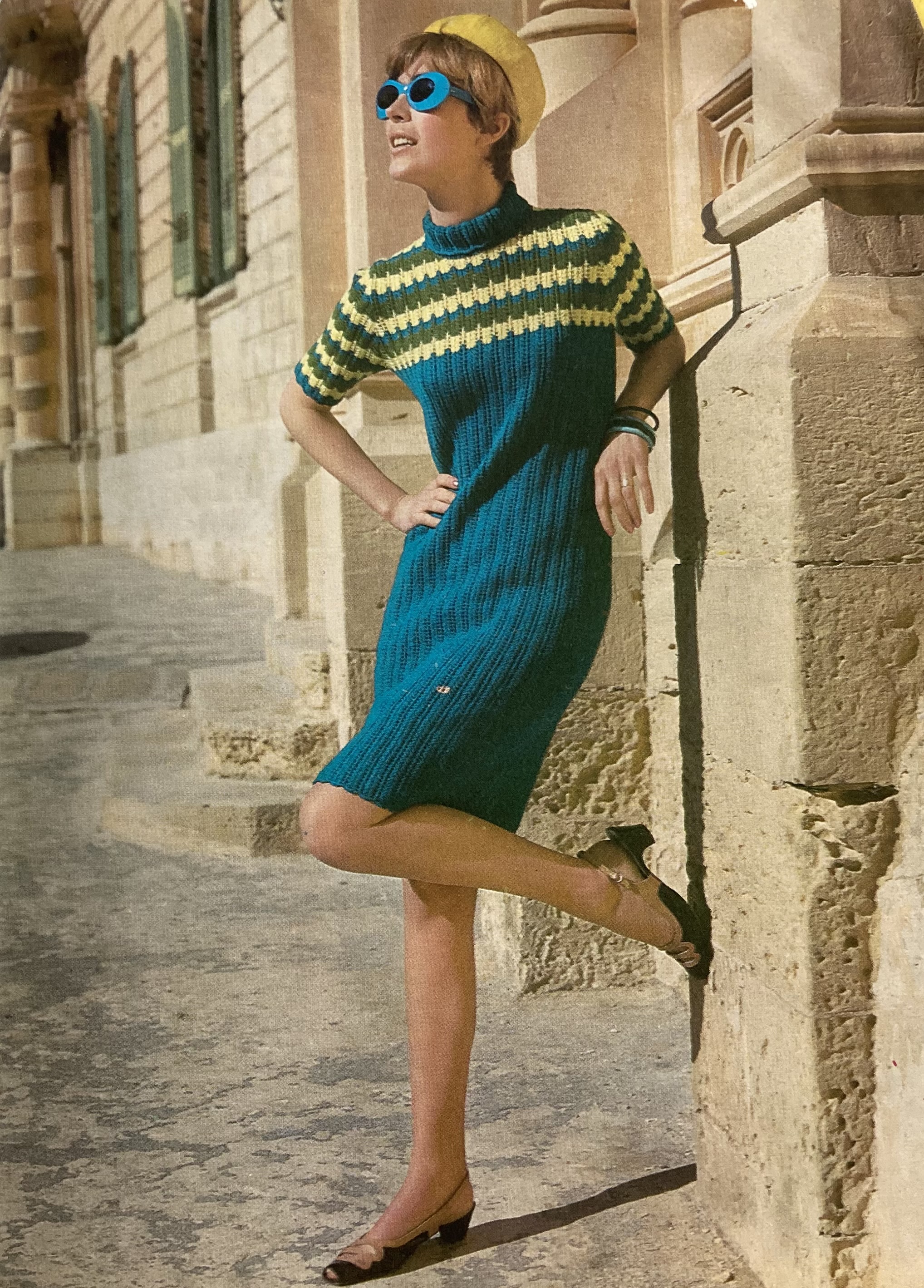
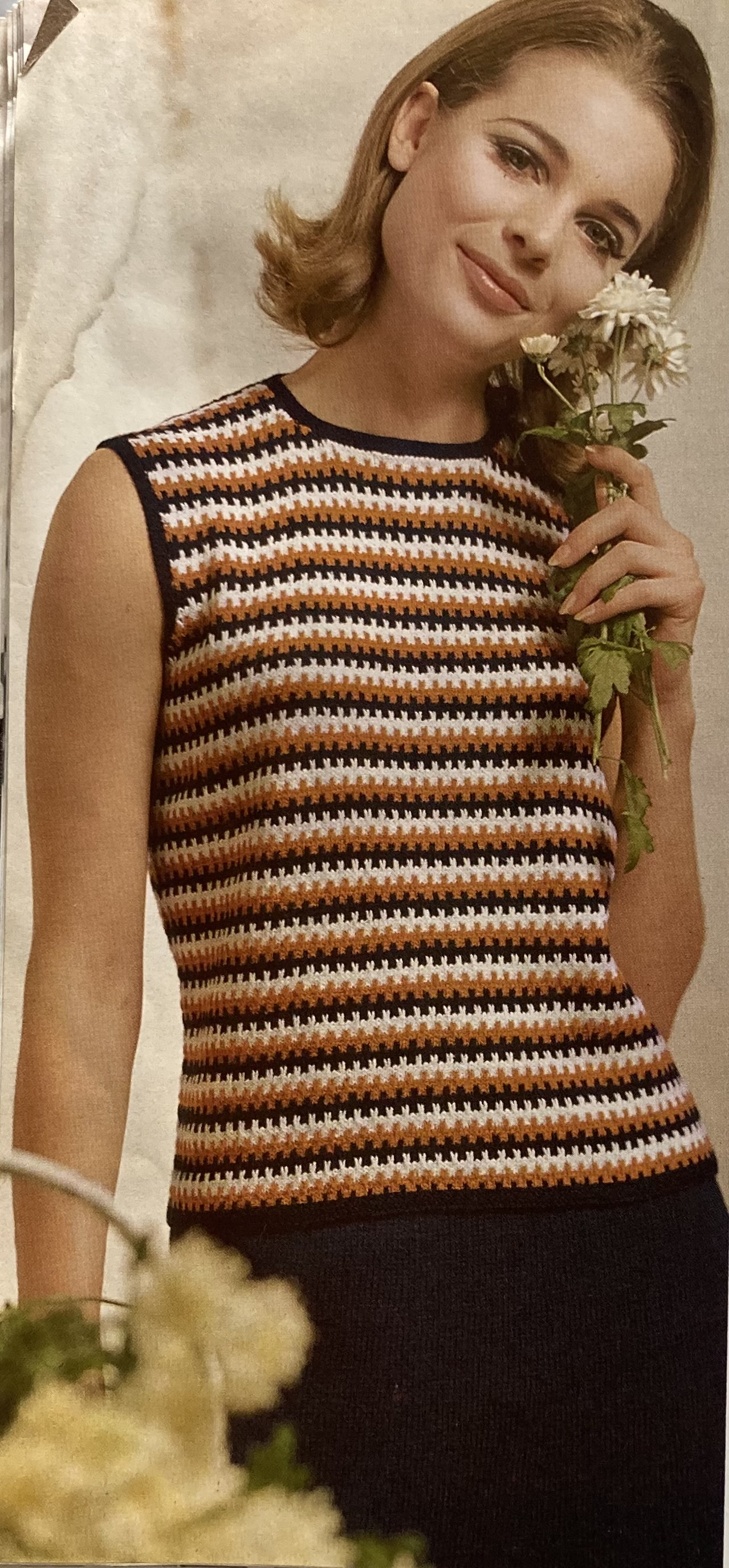
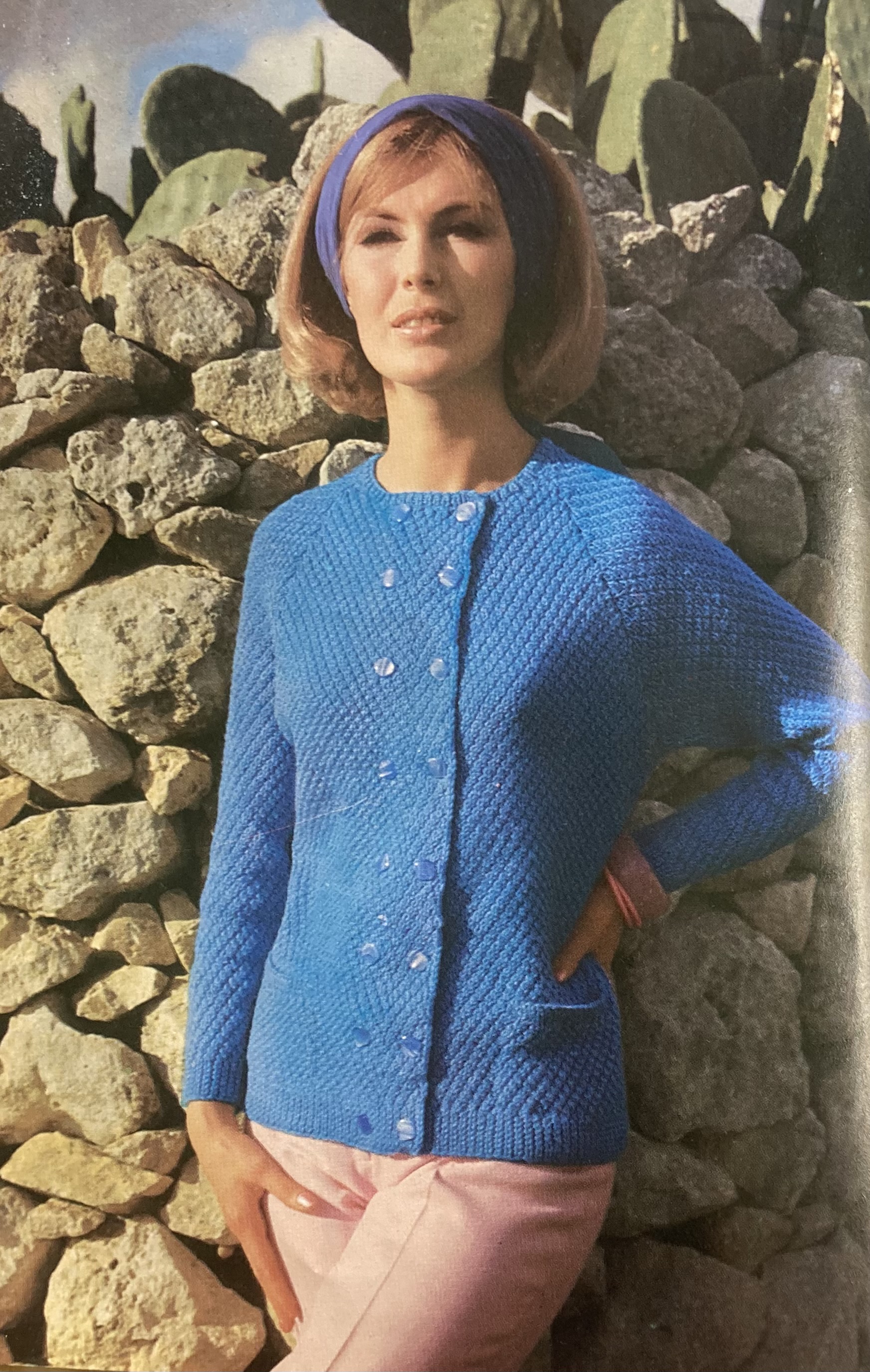
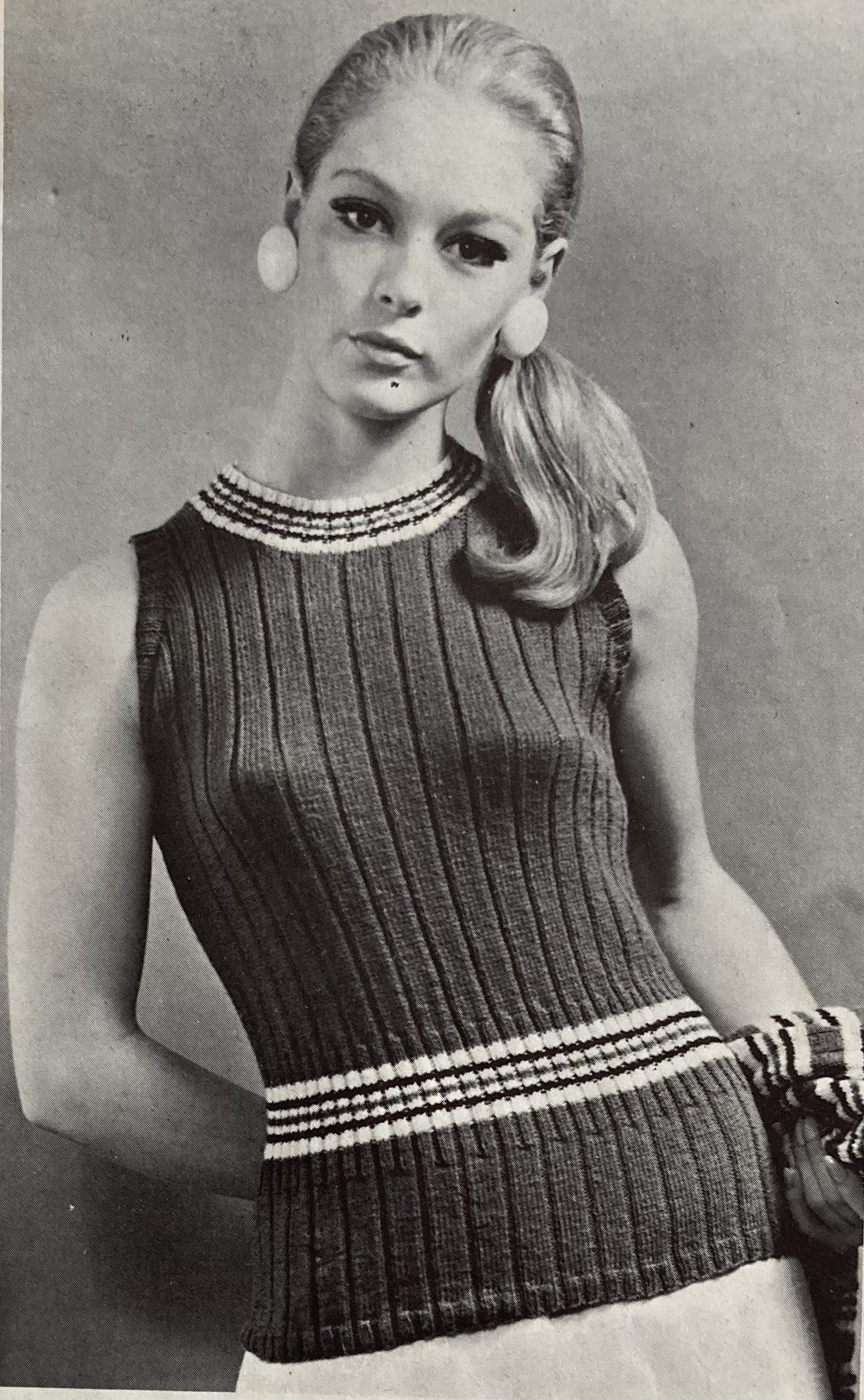
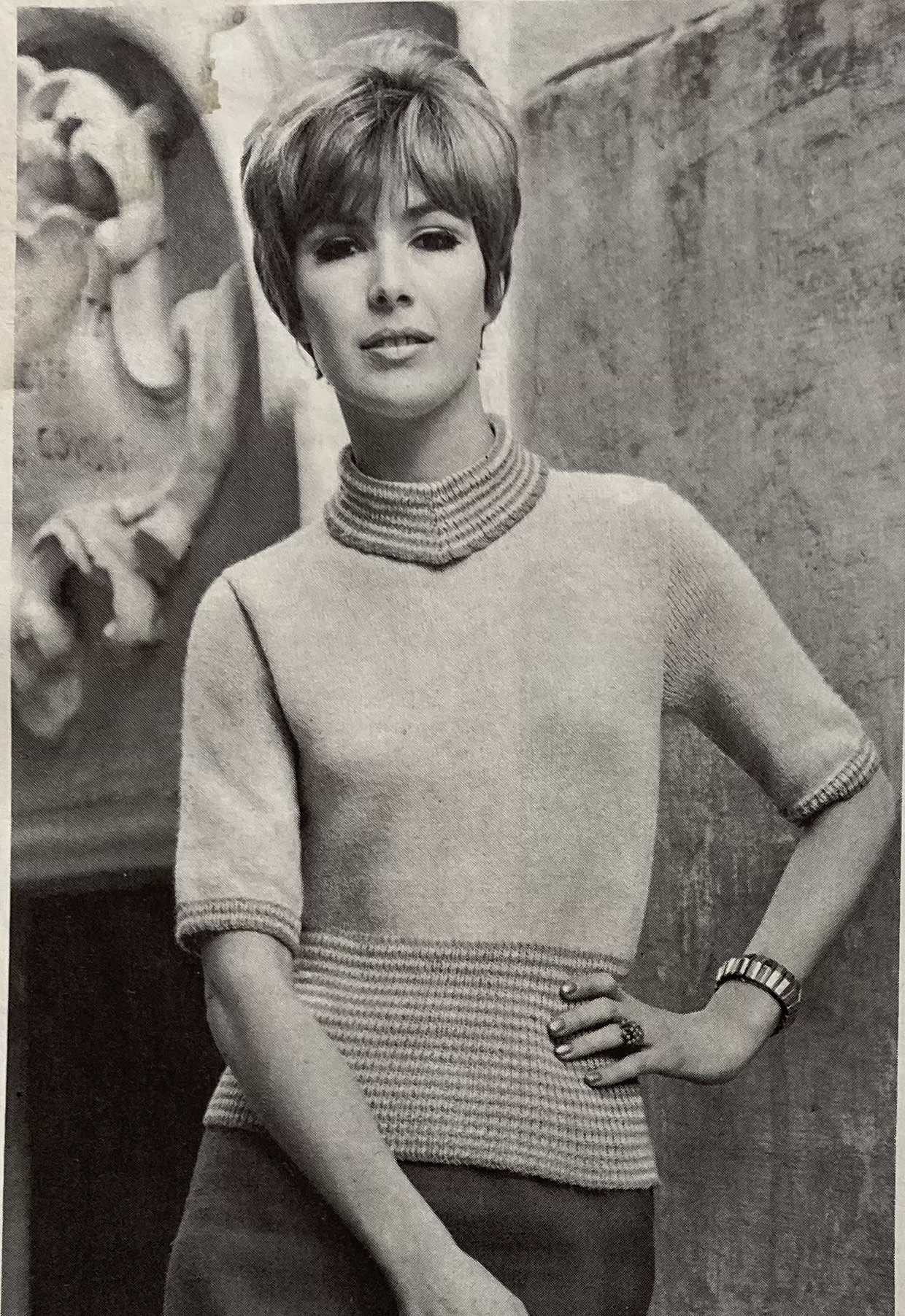
“Stripes and Colour” show up in different ways in this issue, combined with stitch patterns and stranded colourwork for novelty and texture. The pullover on the cover has normal stocking-stitch stripes on the front and back and a novel mini-cable pattern on the sleeves which mixes the four-row colour repetition with a two-stitch cable every four stitches on every fourth row, alternating left- and right- leaning cables for a zigzag effect. Another short-sleeved pullover has striped ribbing, but a plain body and sleeves. The “feathery lace” dress has vertical stripes implied by the ribbed lace pattern combined with plain horizontal colour stripes that look scalloped due to the stitch pattern. Love those sunglasses, too! And a sleeveless shell uses a slip-stitch pattern to make stripes with toothy ridges.

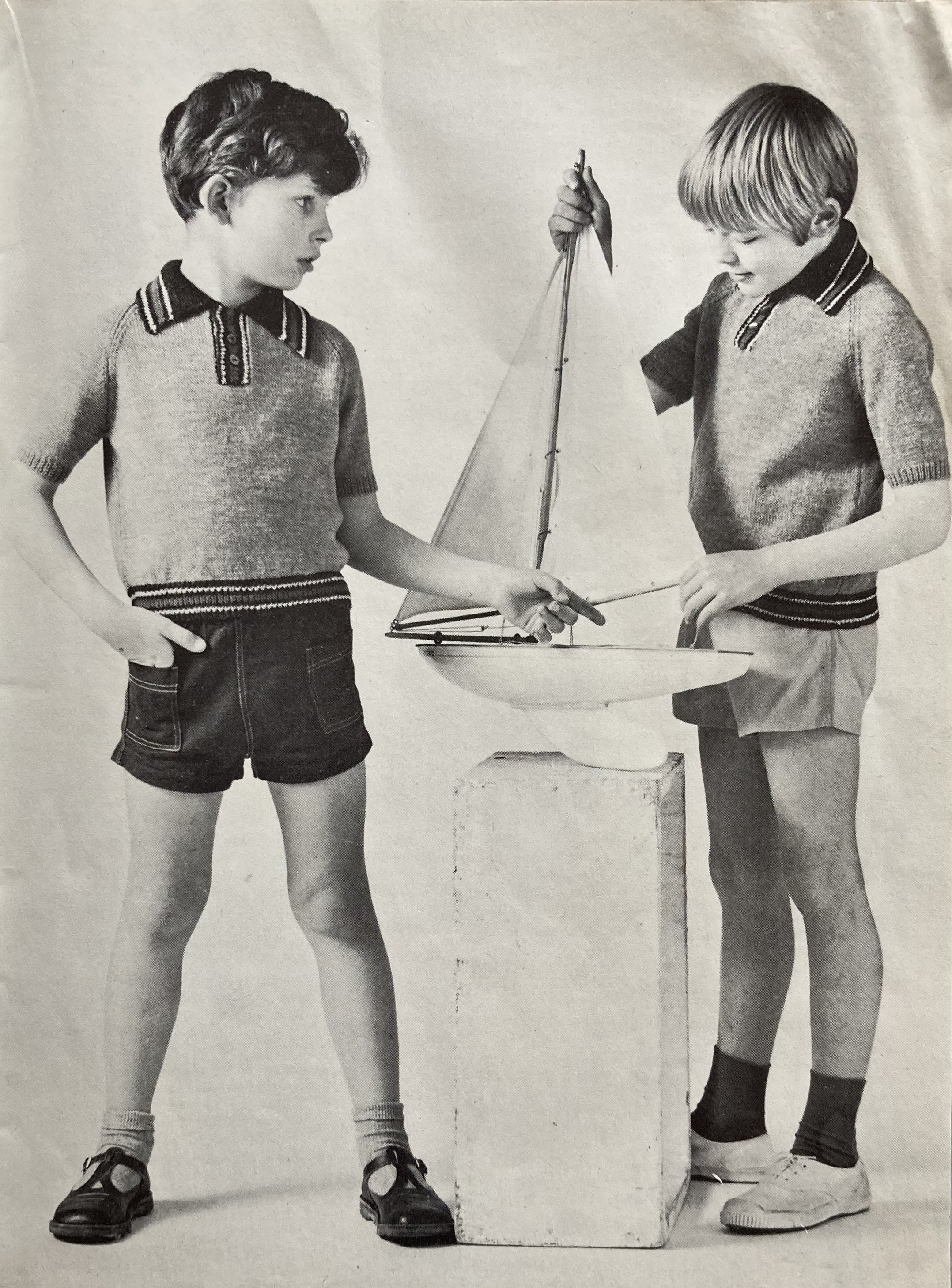
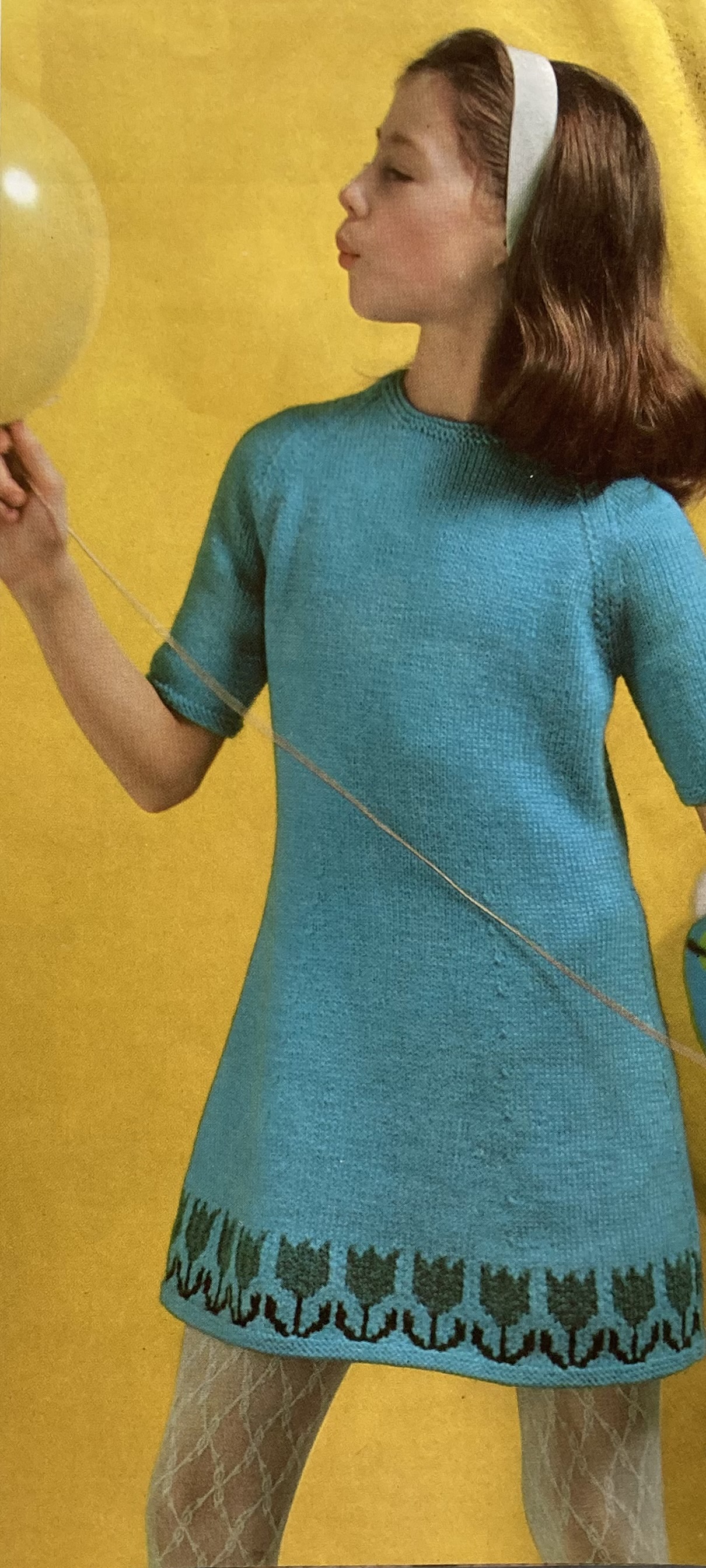
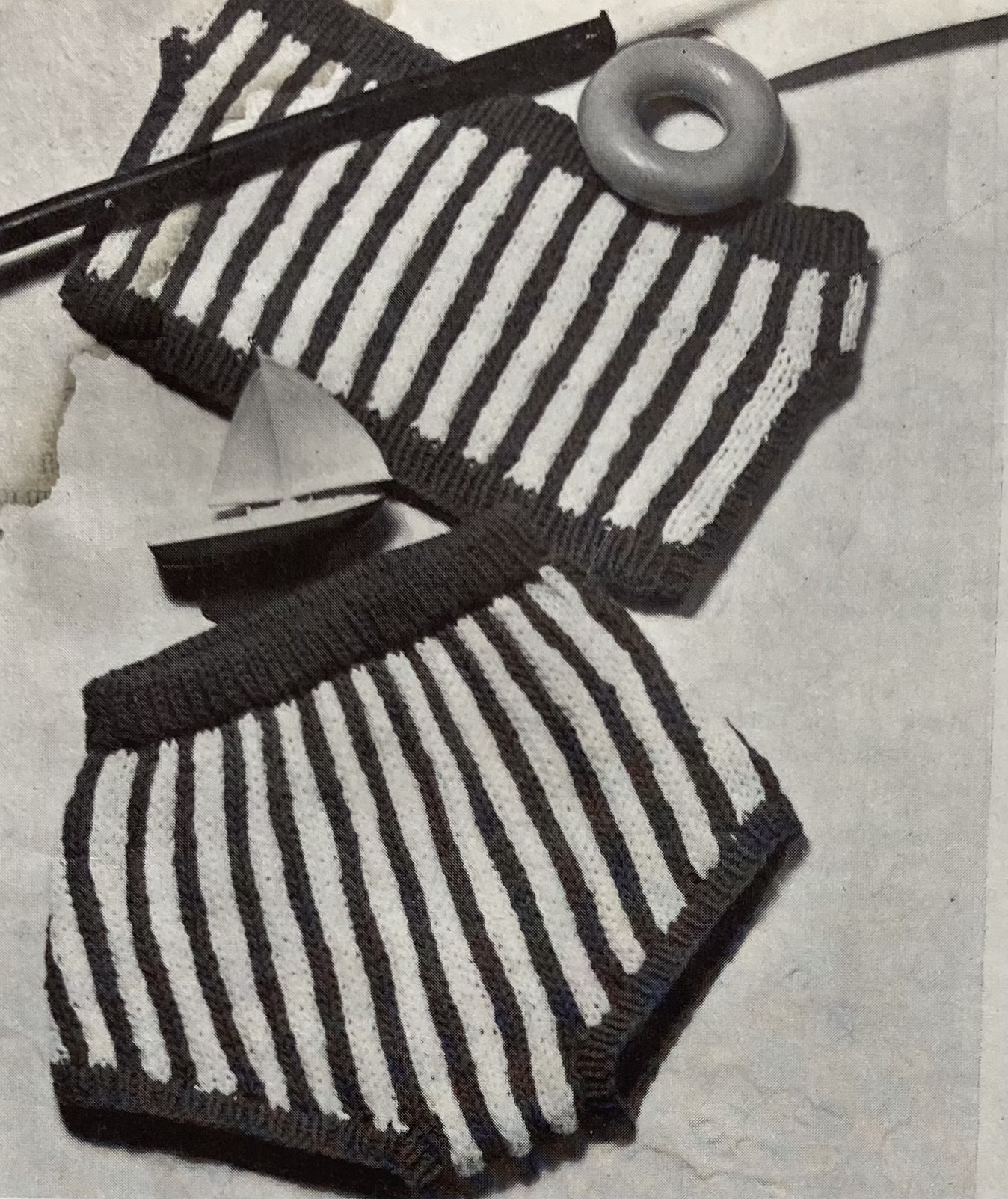
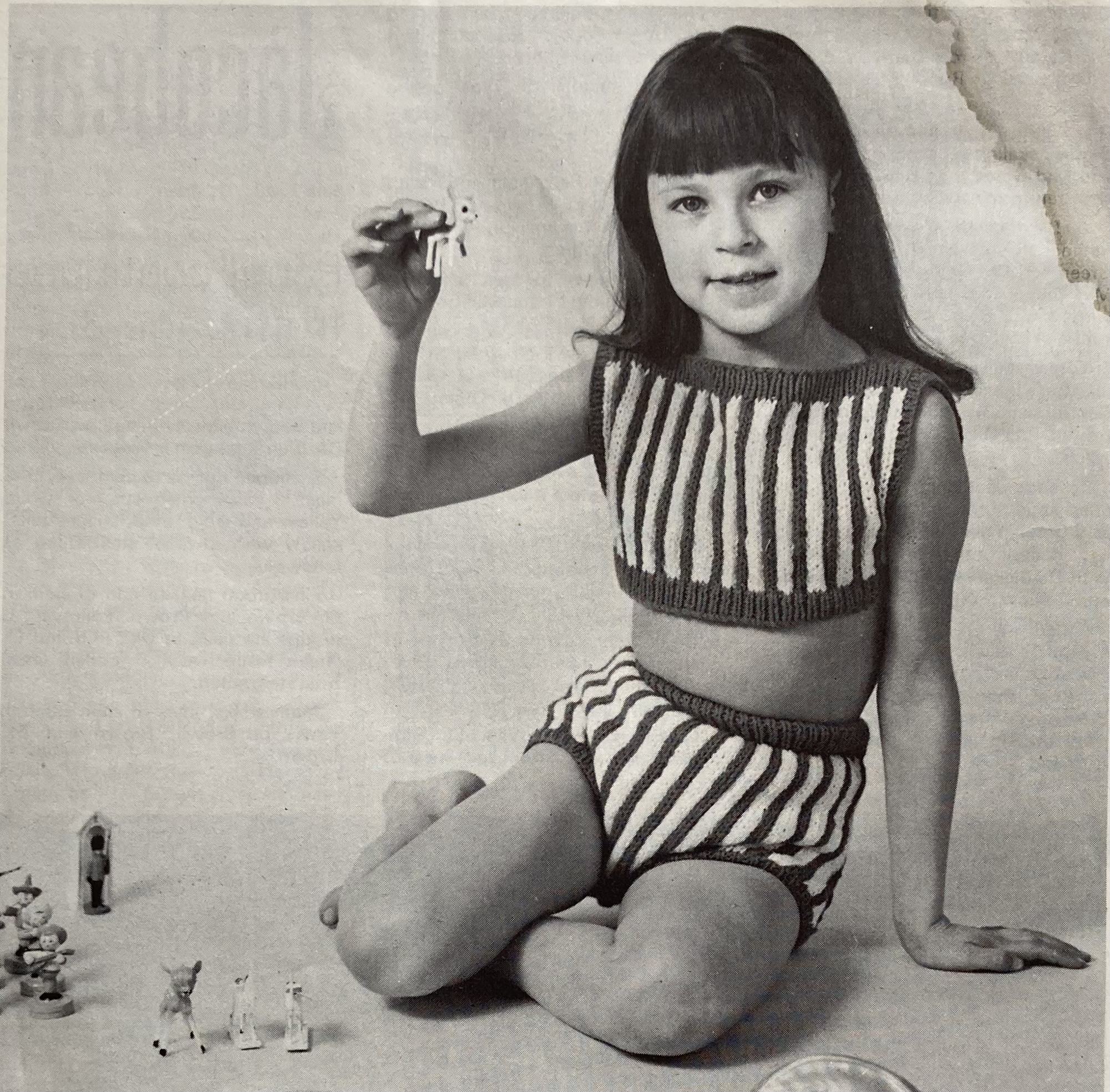
Fun stripes show up on the children’s garments too. There are shirts for boys with the same striped ribbing and collar, plain body and sleeves idea as the women’s top, and a dress for older girls with a stripe of colourwork flowers at the hem. “Junior” girls can “splash and paddle” (i.e. not really swim effectively) in a supposedly stretch-proof knitted bikini in vertical stripe stranded work — the strands should keep it from stretching too much horizontally in the water, but I’m not sure I’m convinced. The top is just two rectangles sewn together.

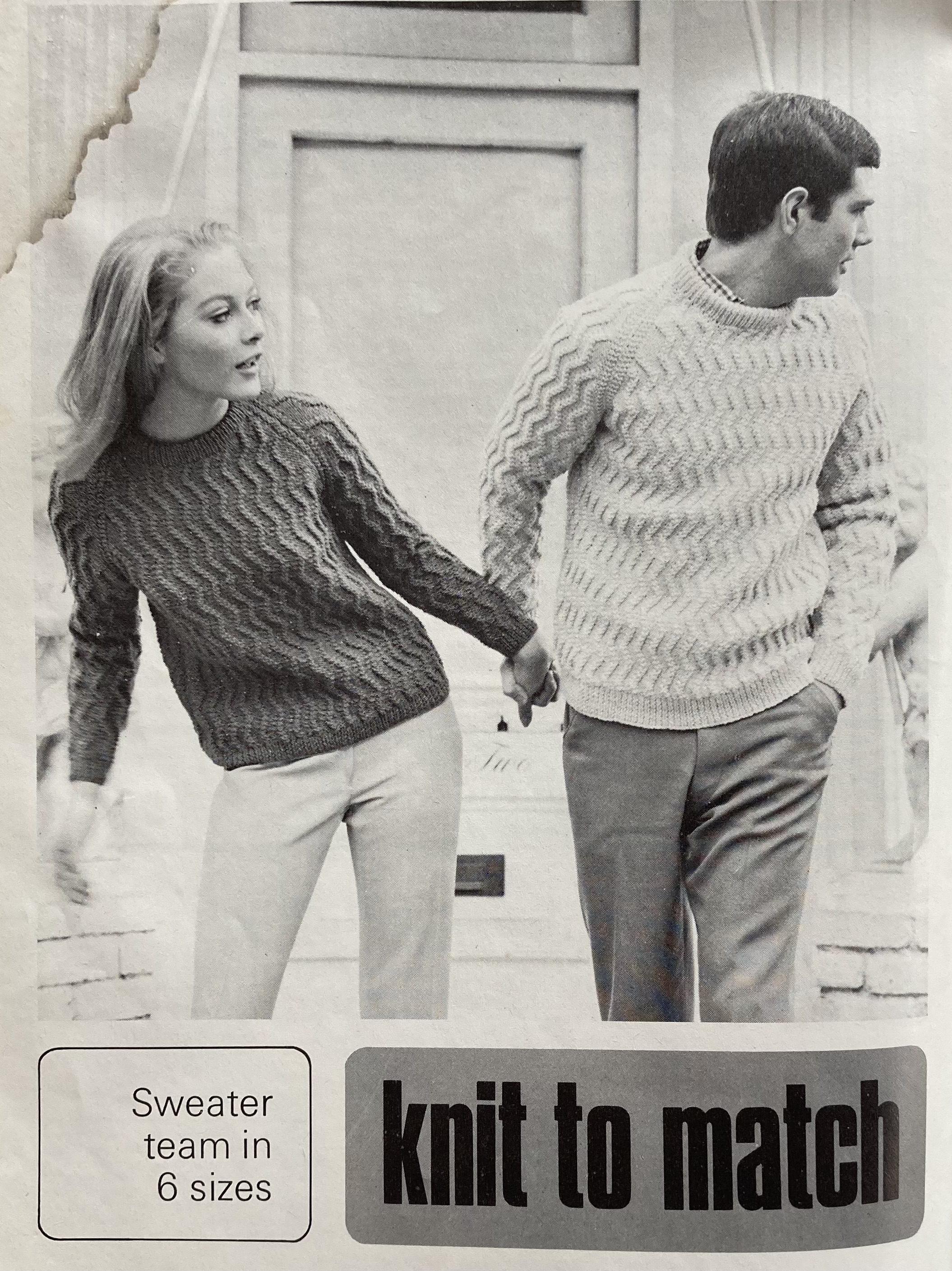
Stripes can be vertical or zig-zagged as well — either worked in colour as with the top on the cover, or in monochromatic stitch patterns. There are his-n-hers pullovers “knit to match” in a pattern similar to the sleeves on the cover design, but worked with 2-stitch twists instead of mini-cables, and a sleeveless polo in “Shetland mood” with a cable pattern on the front. (The caption says, “Janet sports her own jaunty beret, but Booklet 9775 is an easy one to knit — details on page 37.”) The two remaining garment designs, a cardigan and a blazer, have neither stripes nor zig-zags, but continue the theme of fun stitch patterns and this month’s trending colour of bright sky blue.

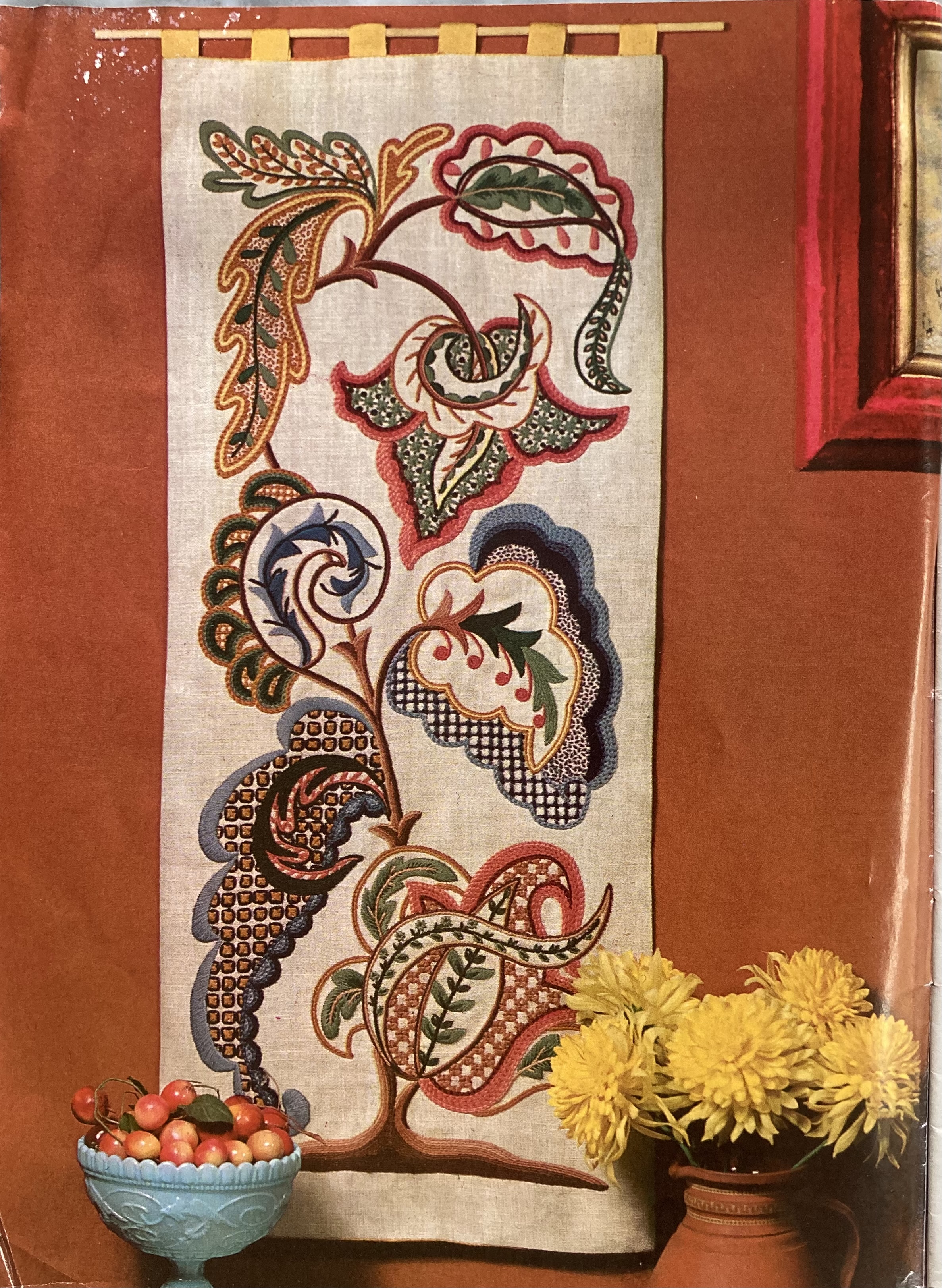
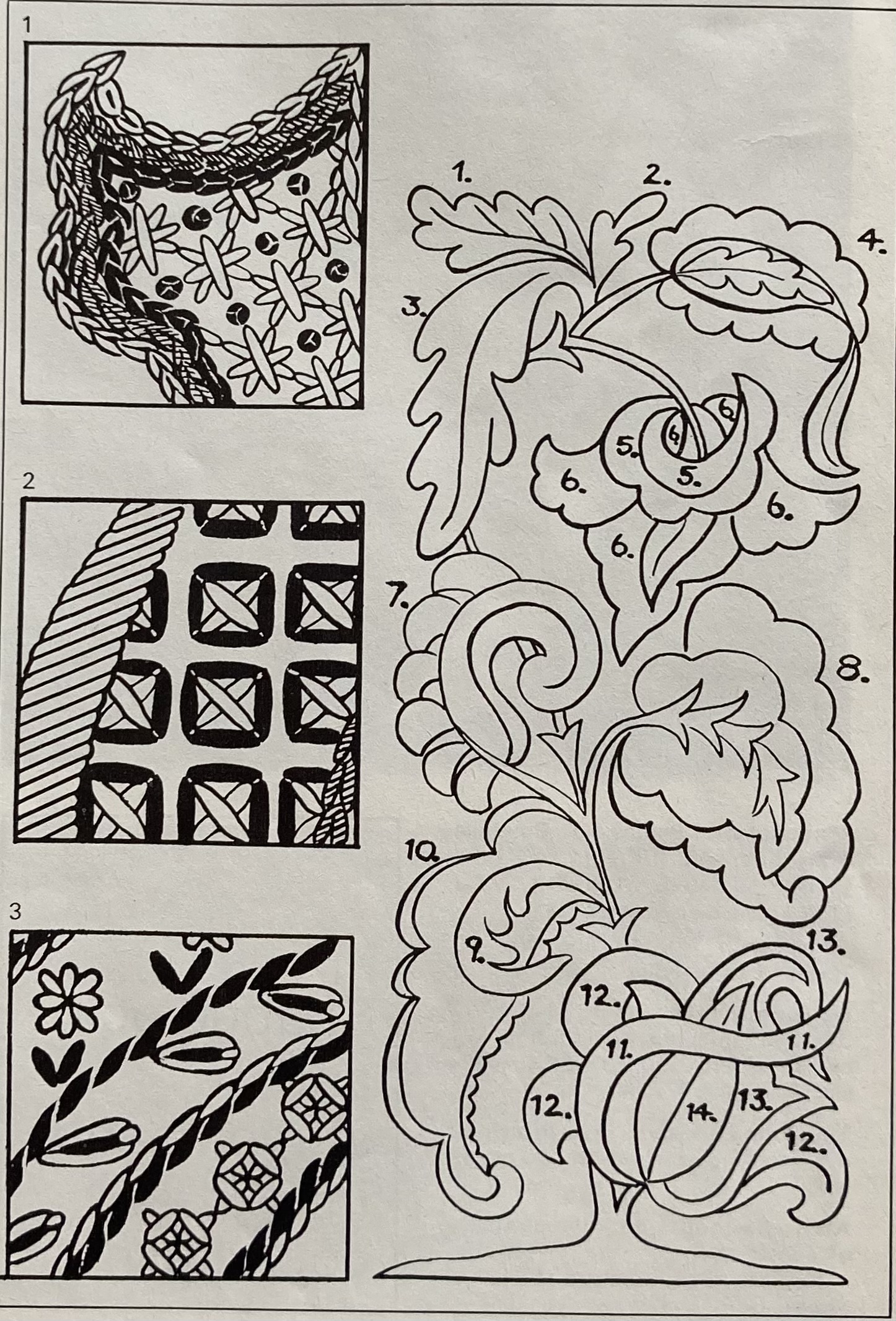
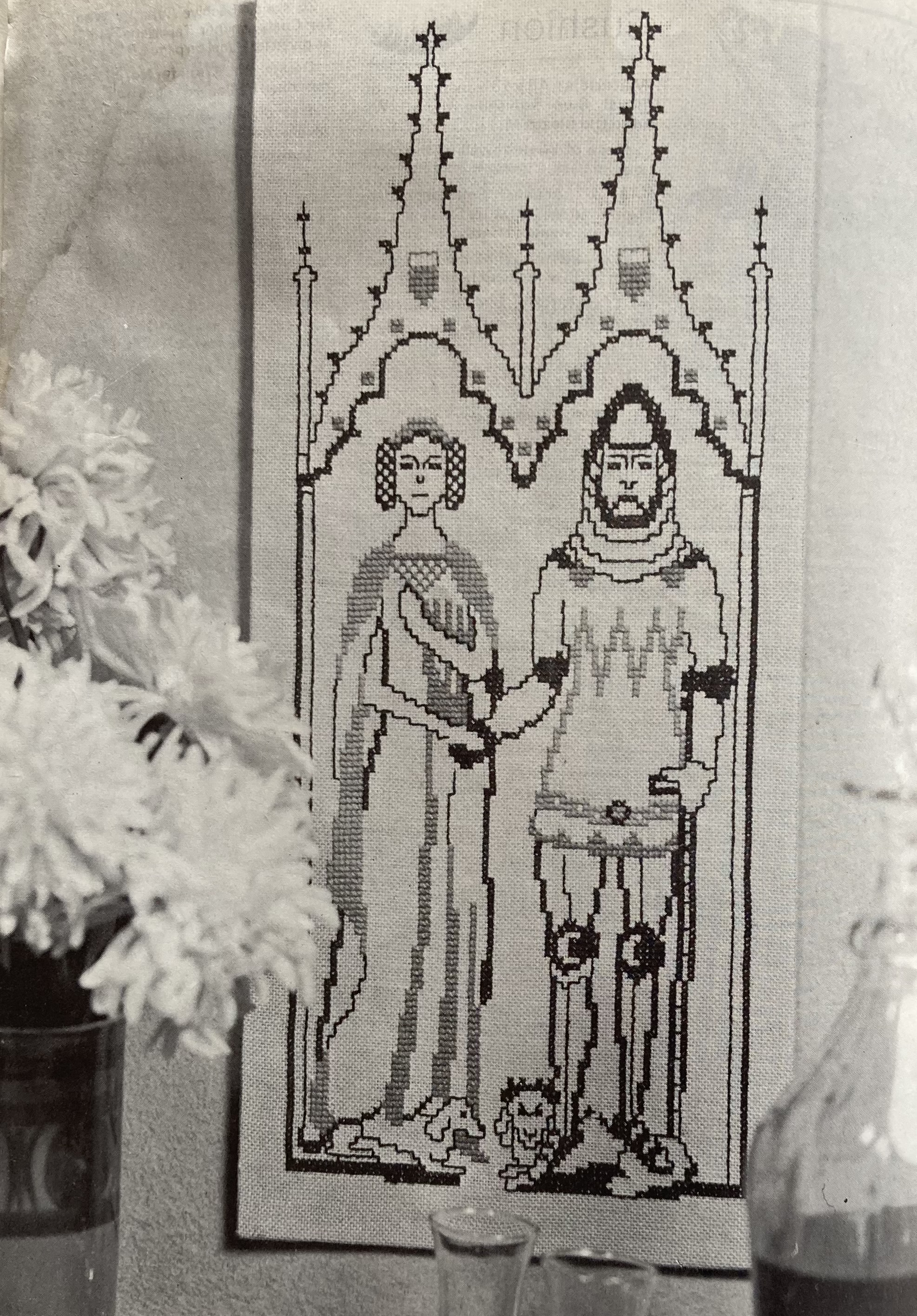
Homewares dive deeply into the Jacobean era, with an amazing wall panel that integrates complicated, historically-inspired stitch work and floral designs with a bold and oversized 60s aesthetic. Not Jacobean-inspired, but equally colourful and exotic, is the cross-stitch tropical bird. You can work it on a cushion or use it to cover a cake tin (appropriately, the name of the background colour is Biscuit.) For a real historical flair, you can make a cross-stitch wall panel adapted from a brass rubbing of Sir John Harsick, anno 1384, in Southacre, Norfolk. According to Stitchcraft, embroidery in the style of a brass rubbing “has become very popular over the last few years.” Interesting!

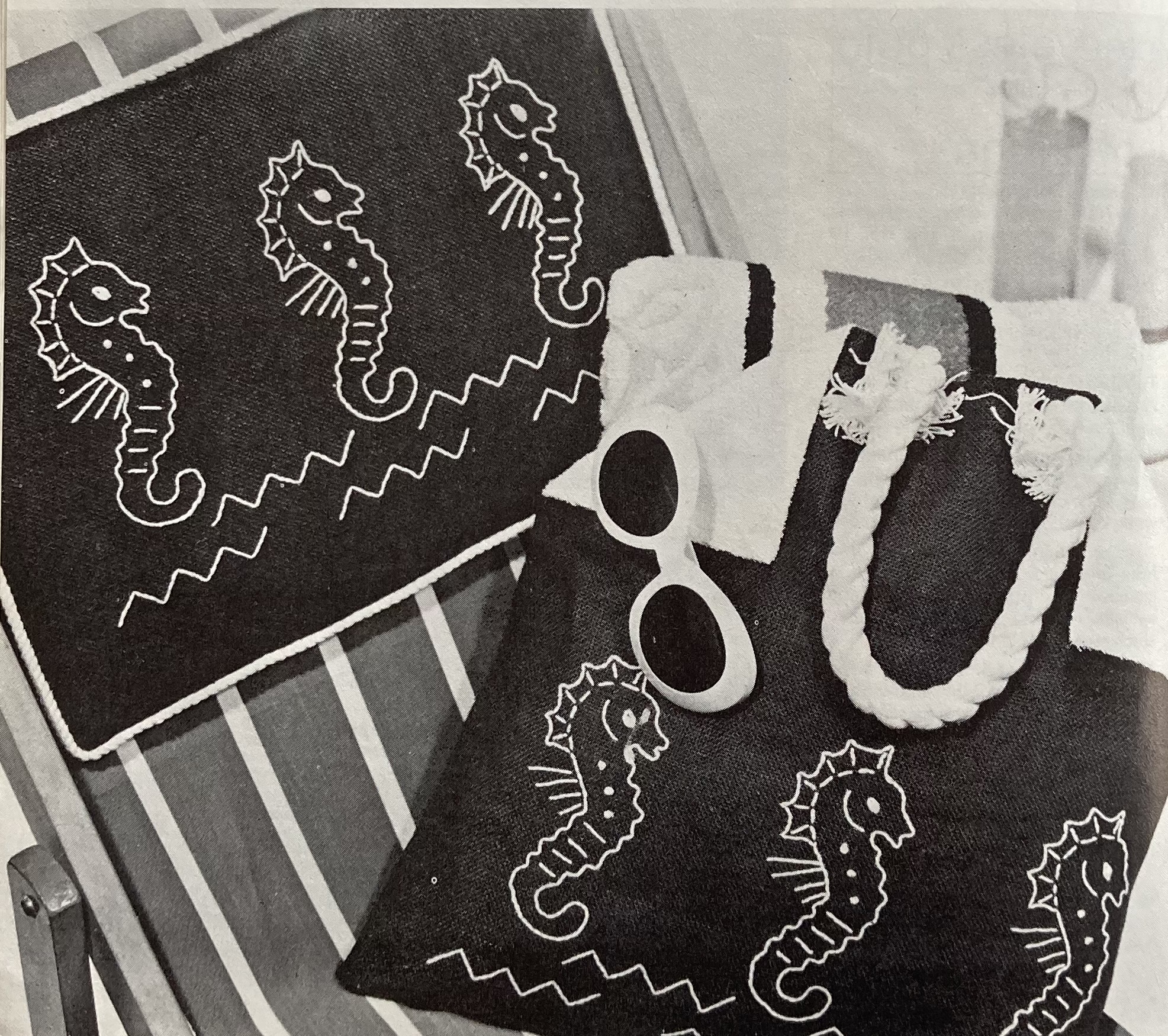
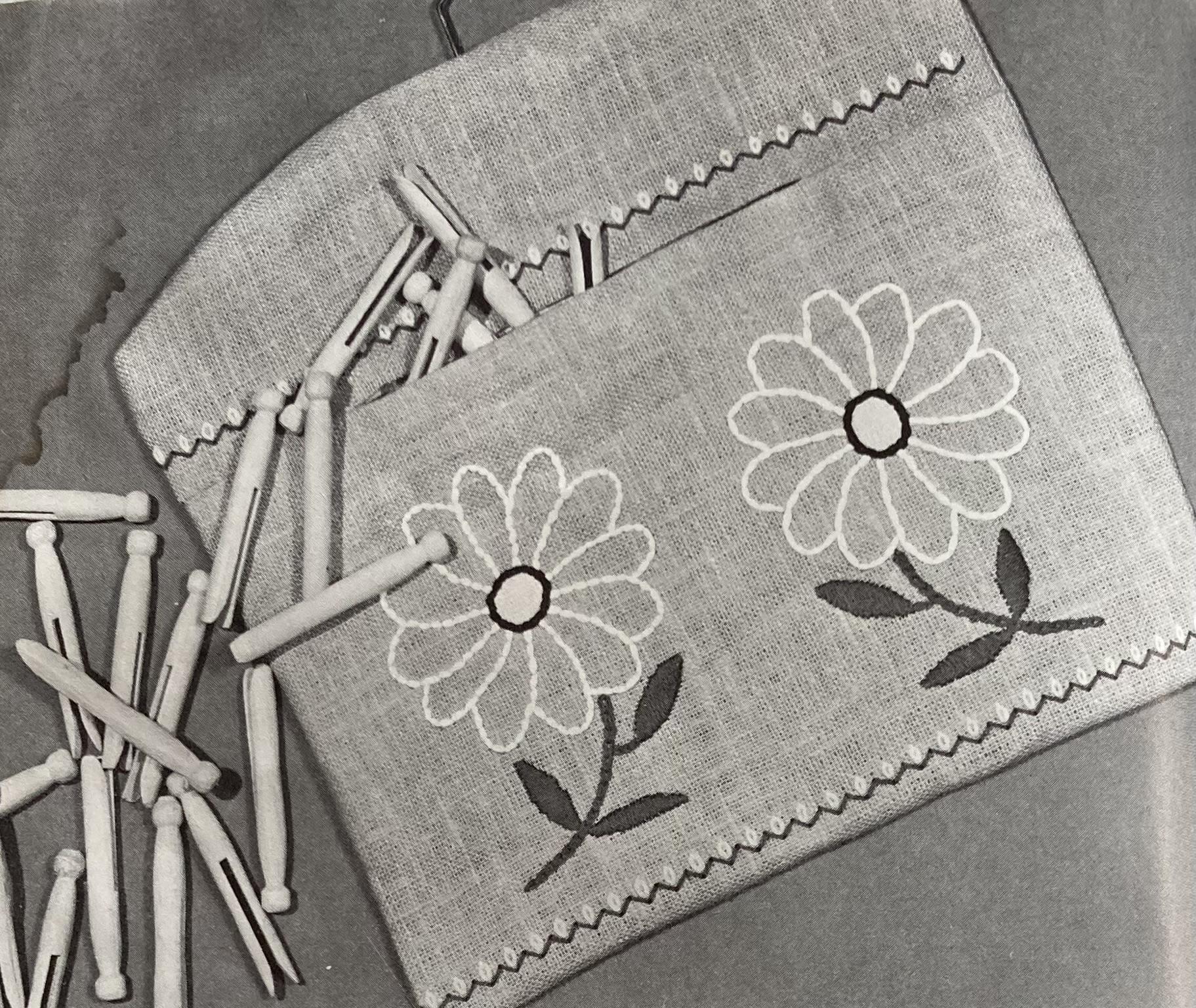
For an easier project, you can embroider sea-horses on a beach bag and matching deck-chair cushion (love the little aspirational illustration.) Or you can sew up a practical, and also cute and sunny, laundry-peg bag and matching apron and embroider them with big, cheerful daisies — “quick and gay to work on kitchen linens or for a bazaar.”

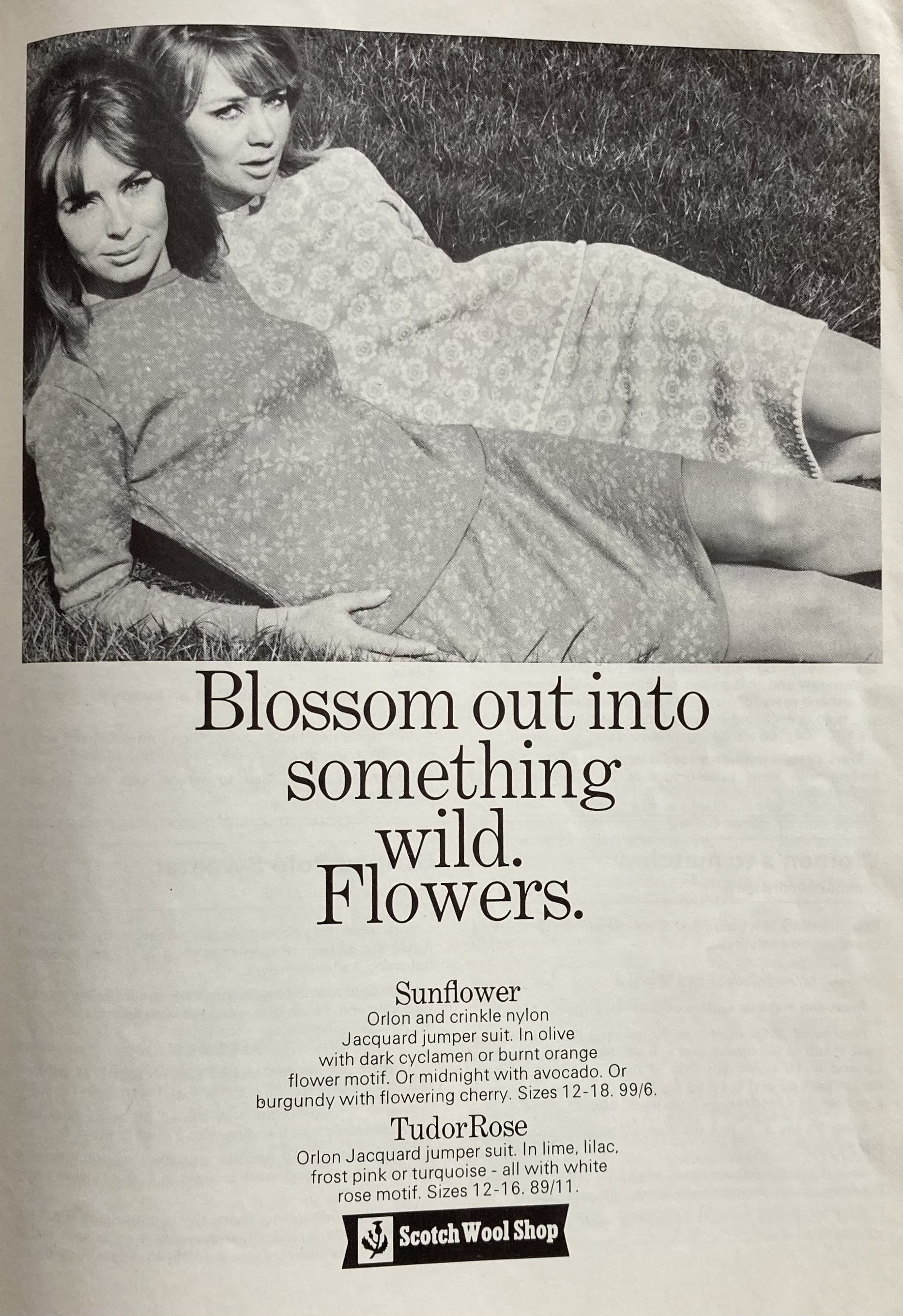
The Readers Pages reprint a striped knitted rug from the September 1964 issue, and the single full-page ad gives us another example of brilliant, yet meaningless, 1960s advertising copywriting and exceptionally 1960s colour combinations: the “Sunflower” Orlon-nylon jersey ensembles is available in olive/cyclamen, olive/burnt orange, midnight/avocado or burgundy/cherry. (A midnight avocado with olives, cherry and a nice Burgundy doesn’t sound half bad, if you took care not to burn the orange.)

I am tempted to make the brass-rubbing embroidery just for the weirdness of it, but realistically, my project will be the daisy-embroidered peg bag and apron. Have a sunny June!

June (July) 1966: Garden Cushion

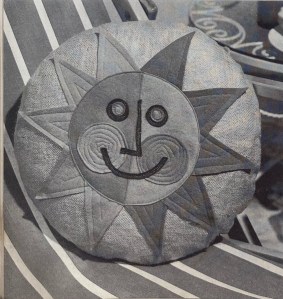
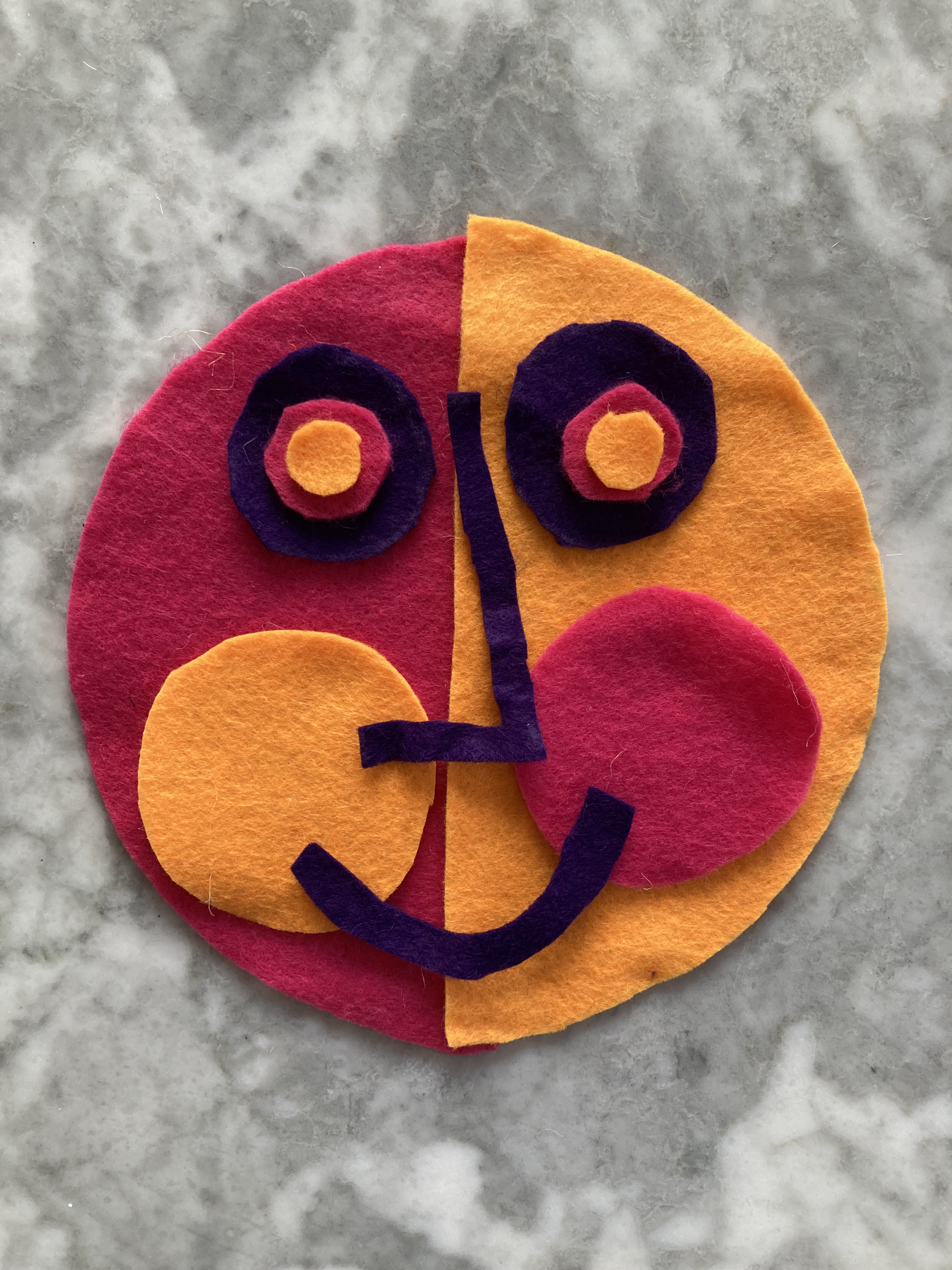
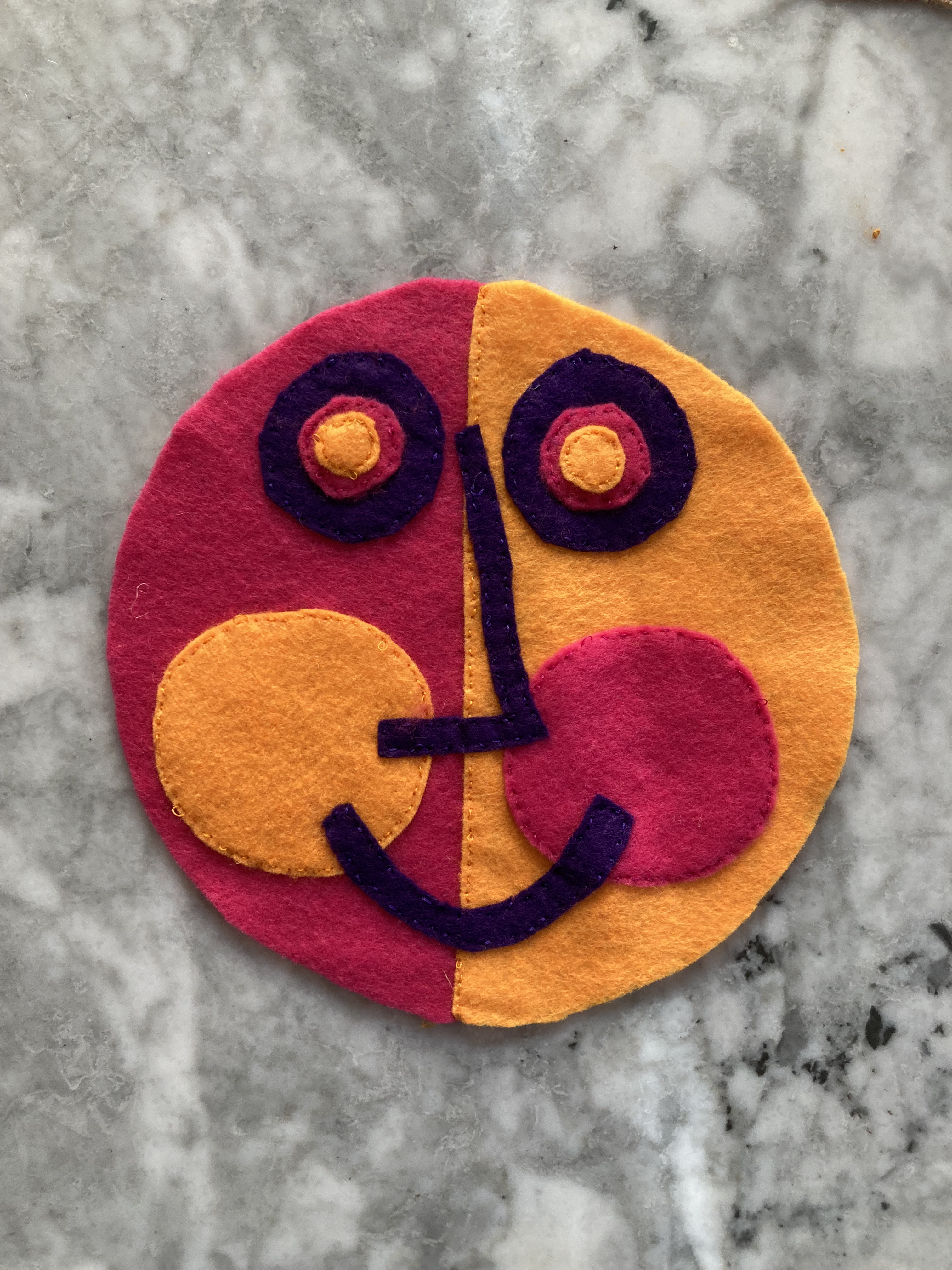
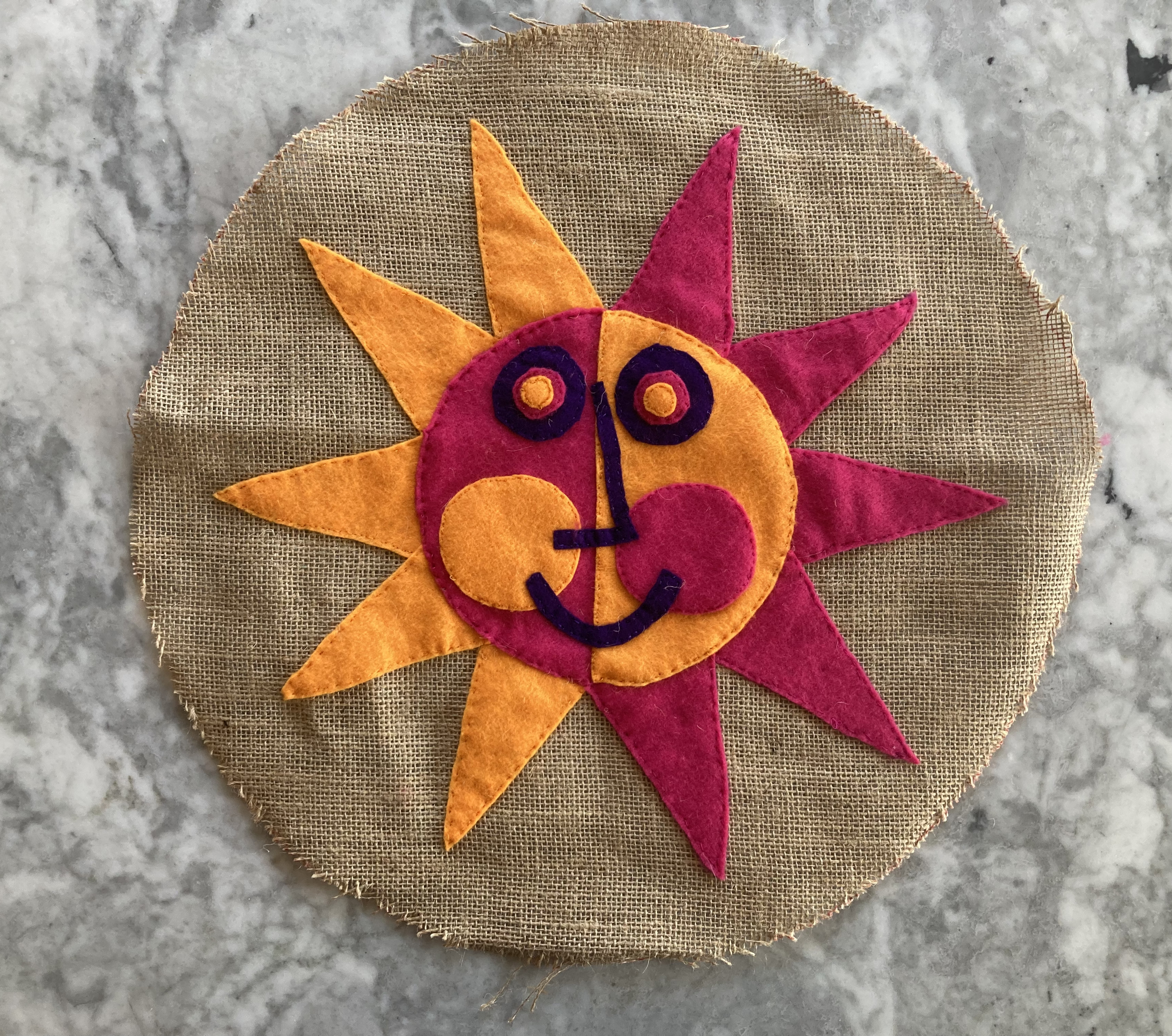
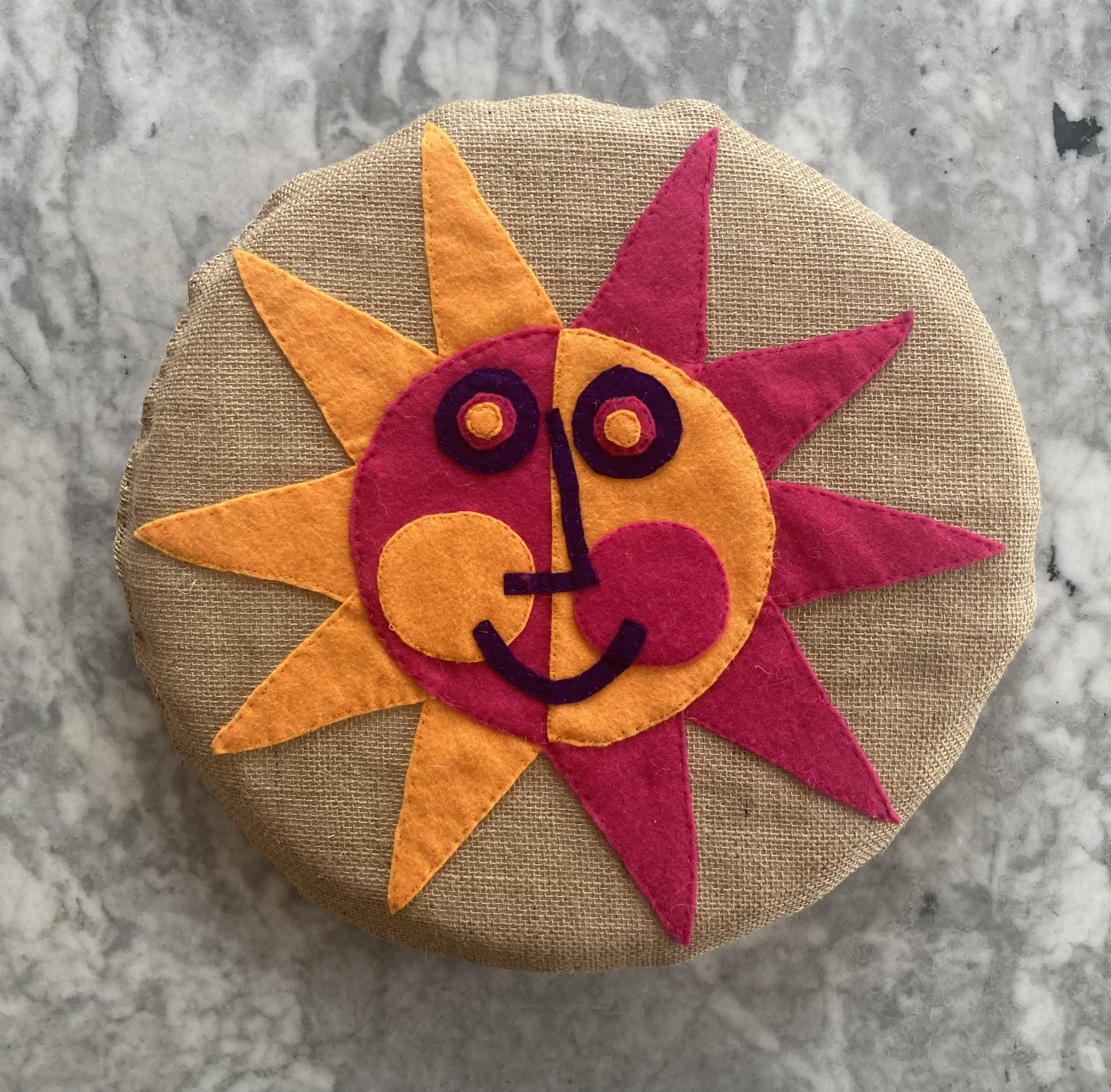
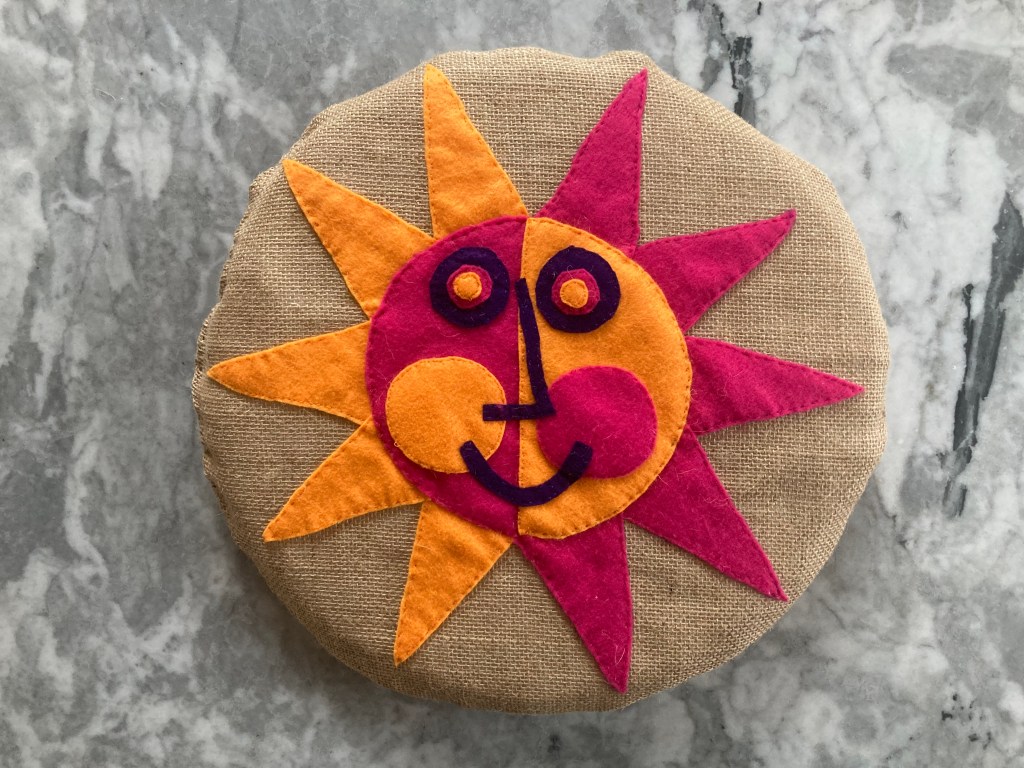
The June 1966 issue of Stitchcraft had multiple projects that interested me and the July 1966 issue not really any, so I made another project from the June issue this July. It was one of those designs that I have been looking forward to for a long time and was thrilled to finally make it — a cushion “for sunny days in the Garden”. Very bright, very psychedelic (is this what Stitchcraft meant when they wrote “Get ready for High Summer”?) and very, very 60s! I love it! Here’s some music to listen to while you read this post!

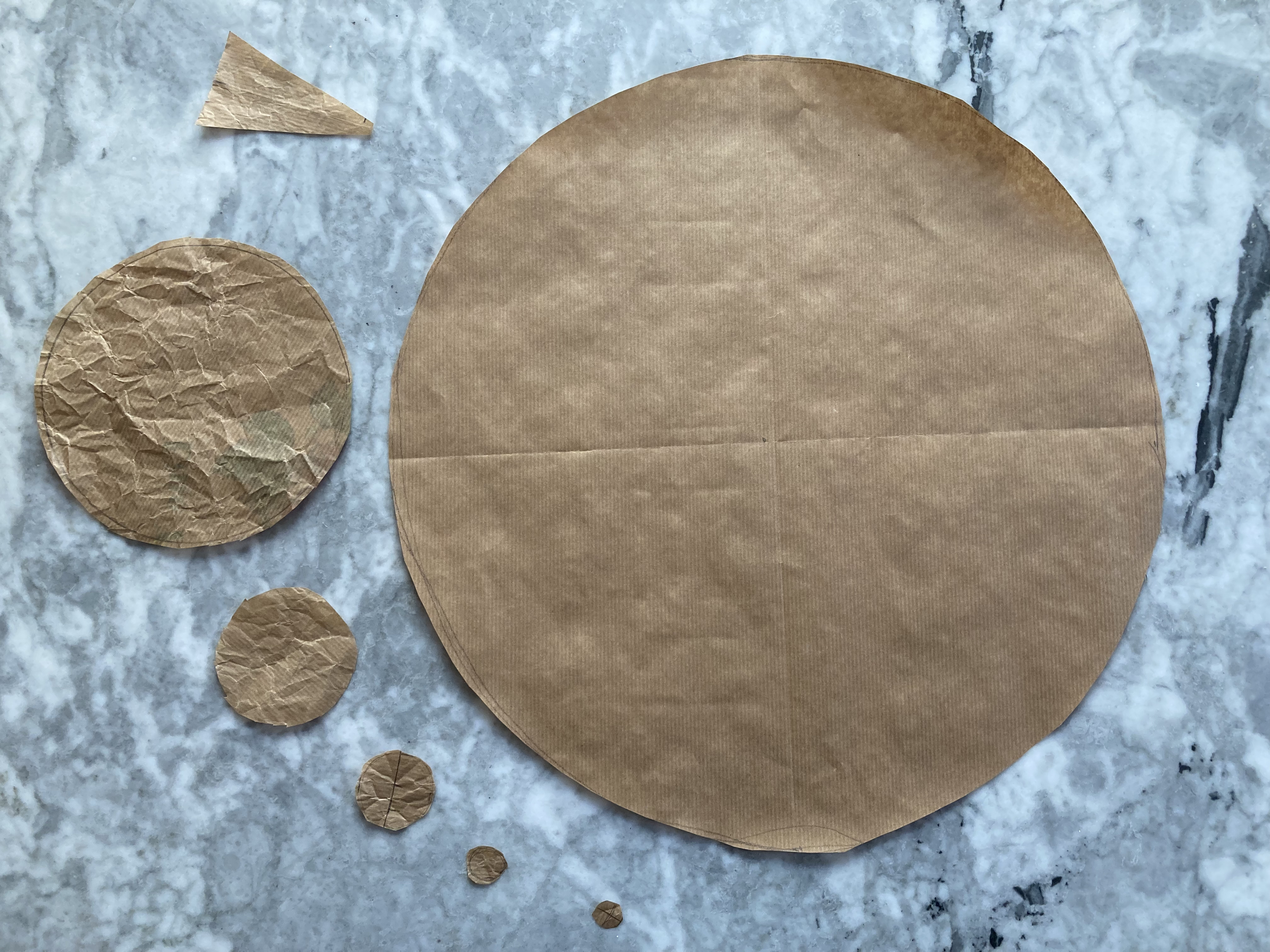
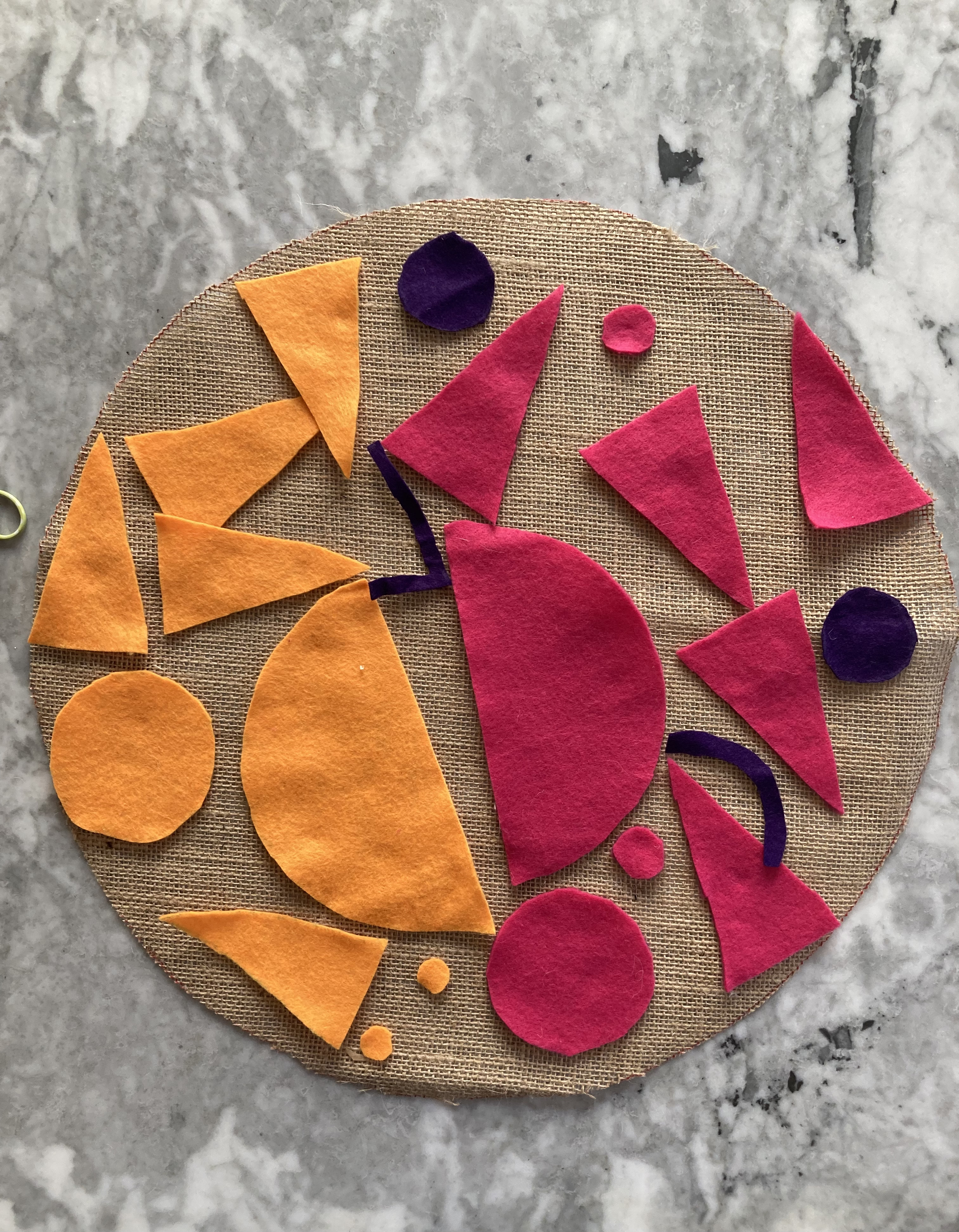
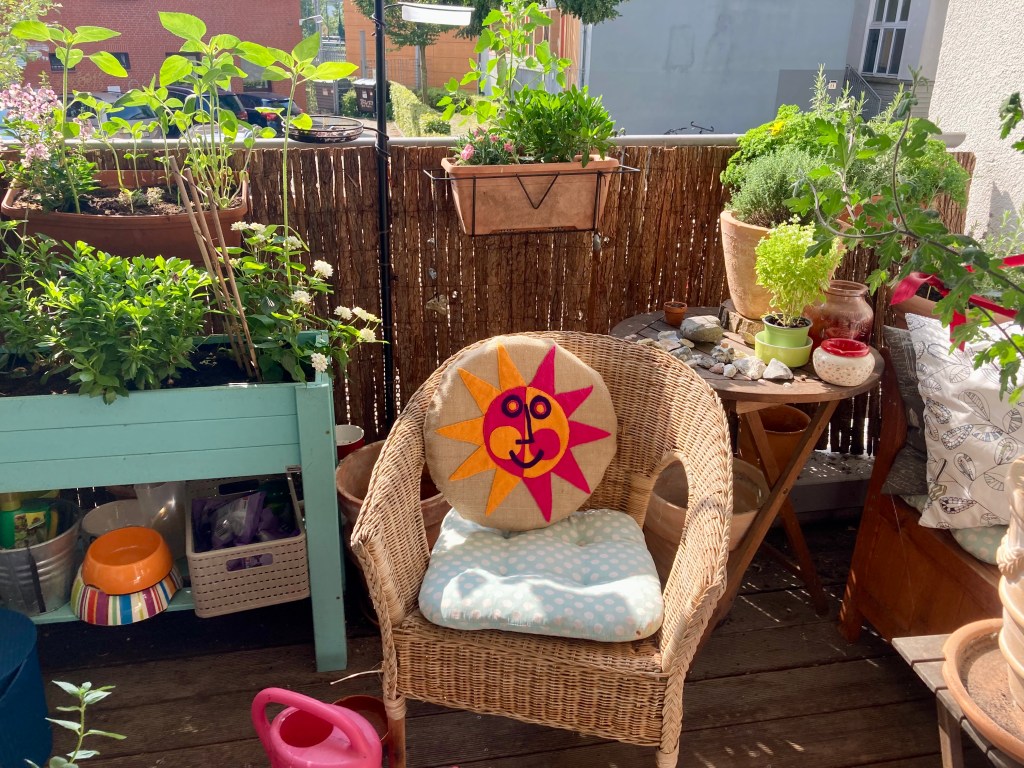
It’s made with felt appliqué on hessian fabric in orange and magenta with purple facial features. I really wish the magazine had a colour photograph. There was no need to send away for a transfer even at the time, as the dimensions of the cut-out circles and wedges are clearly described in the instructions and there’s a little schematic in the back pages to help. You simply cut paper patterns for circles in different diameters (7 cut in half, then 3, 1 1/4, 3/4 and 1/2 inches), plus a long triangle wedge pattern (3 1/2 inches long by2 1/2 inches wide at the base). The measurements of mouth and nose are described carefully as well, and there you have it. Here are my paper patterns, arranged to look like a spaceship entering a very well-organised solar system, and the cut-out felts, arranged to look like a 1980s new-wave pizza.

The appliqué is supposed to be done on the machine. I weighed the time factor of stitching by hand versus the bother factor of making bobbins in 3 colours that I would not otherwise use and switching them out constantly, and decided to stitch the felts on by hand with a small back-stitch. It was actually quite relaxing and probably didn’t take a whole lot longer than if I had dome it on the machine.

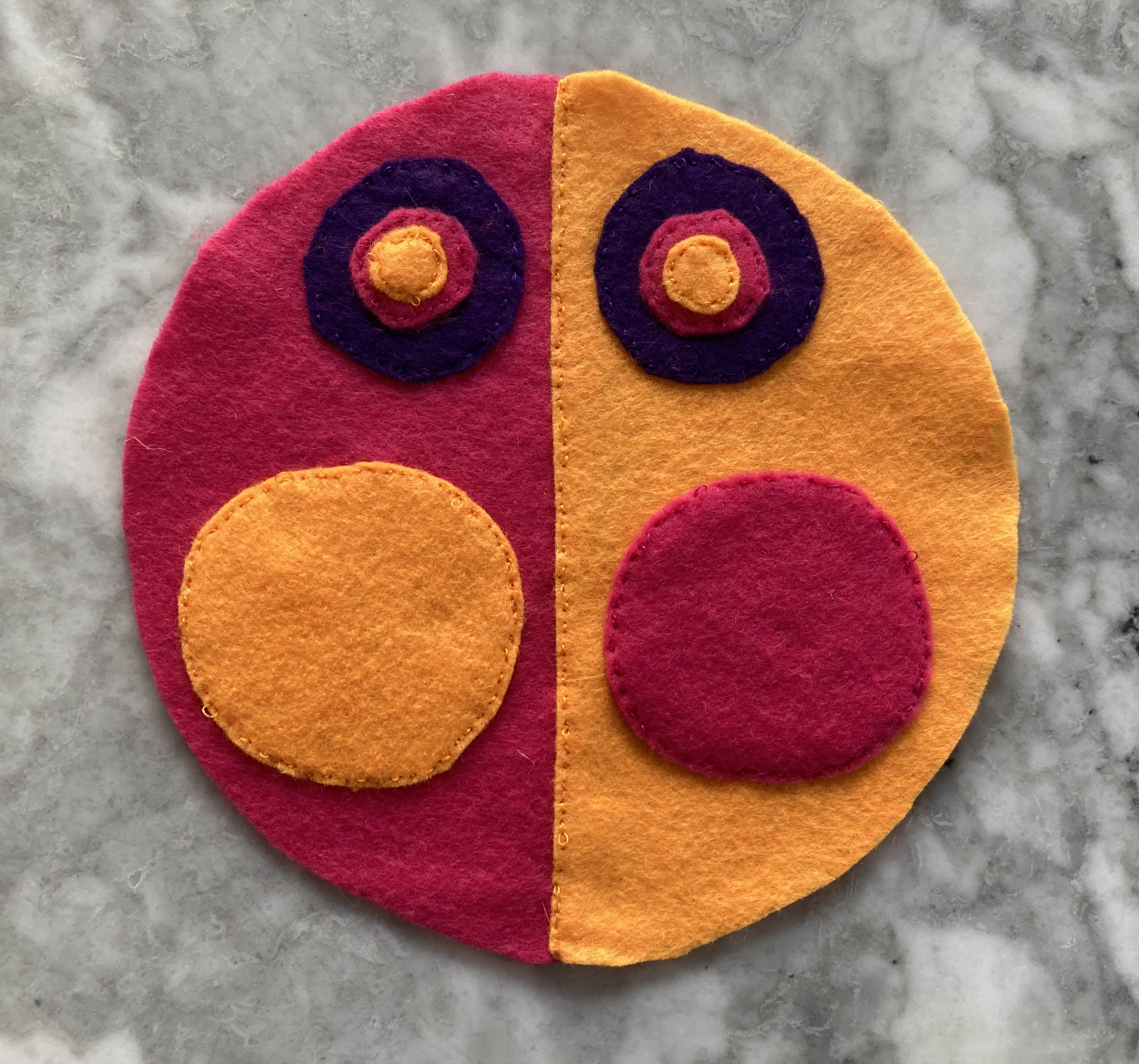
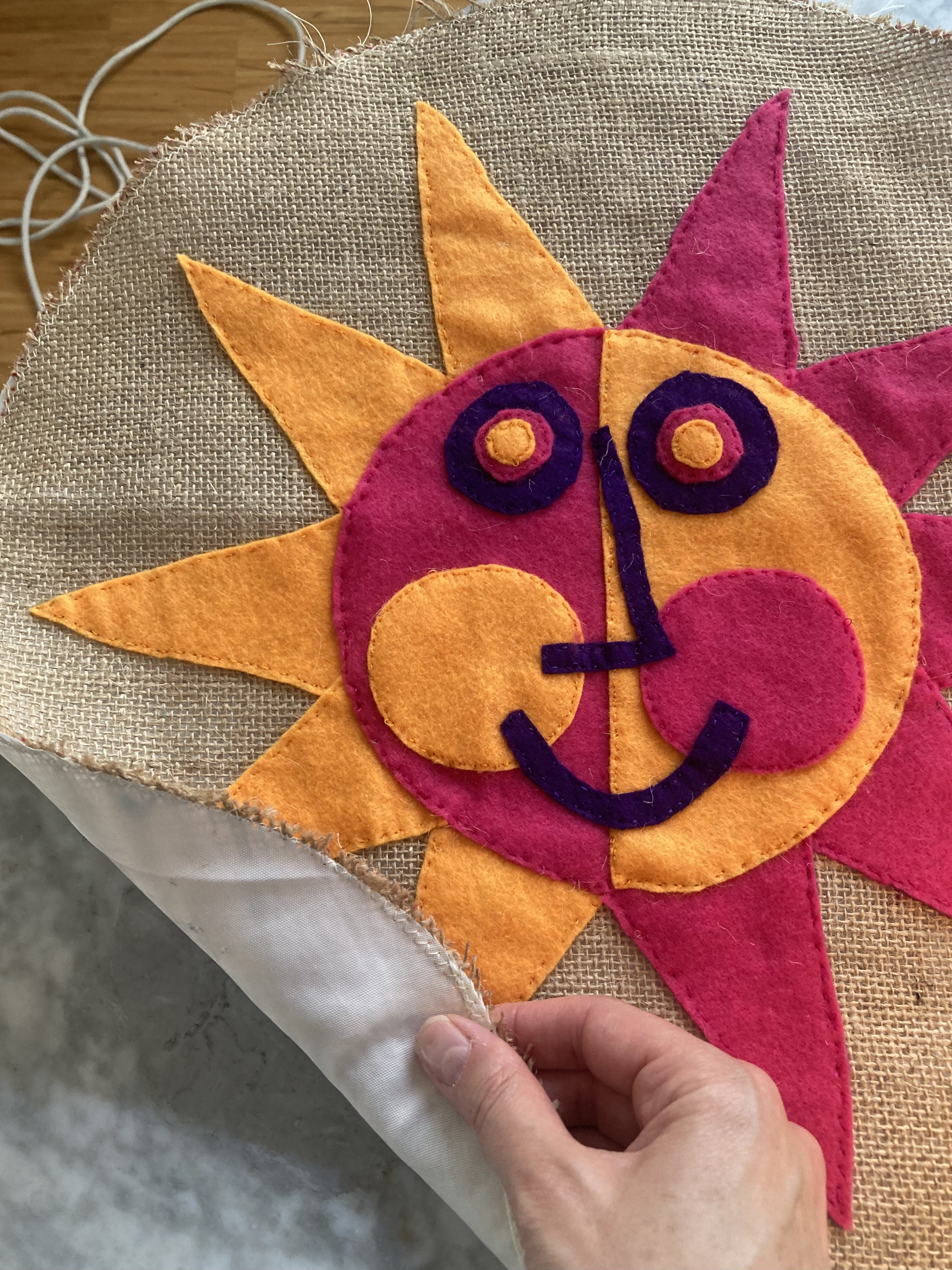
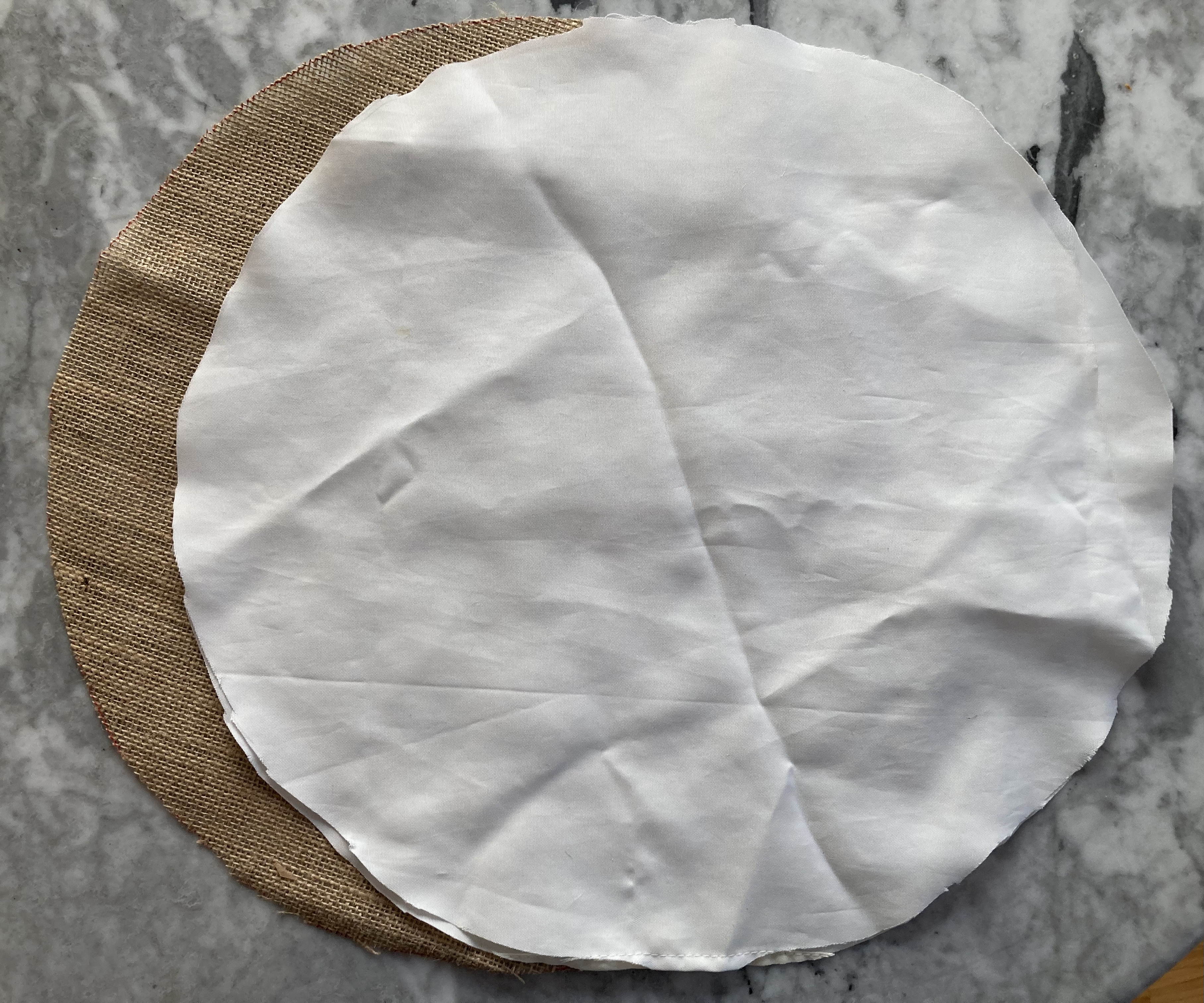
The hessian background is 17 inches in diameter. You were supposed to use a contrasting linen for the back piece, but I had plenty of hessian and no suitable backing linen, so I made both sides in hessian. Always the up-cycler, I also finally had a use for the old (well-cleaned) shower curtain in the craft drawer. I flat-lined the hessian with it, making the background fabric stronger and less see-through and, more importantly, protecting the inside of the cushion from getting damp in my rainy climate. Stitchcraft actually occasionally recommends lining “outdoor” projects with plastic in some other issues, and I had been looking forward to trying it out.

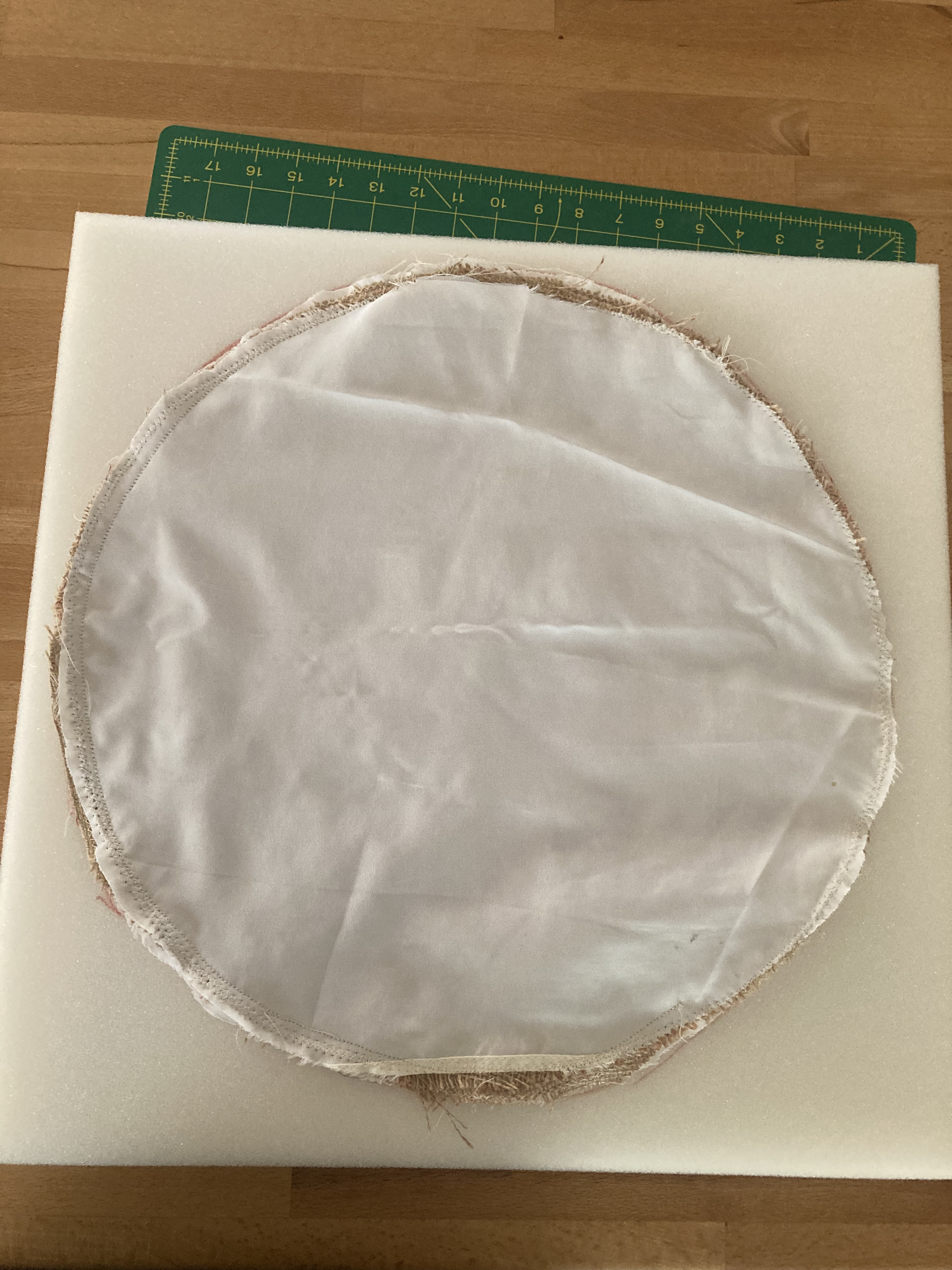
The inner pad is a piece of foam rubber that I ordered in a block and cut into a circle of the proper size with a carpet knife. It was not as easy to cut as I had imagined! I had to saw away at it quite a bit and the finished edge looked rather chewed, but it worked. As far as sewing it together… now, if I were really smart, of course I would have made the back circle in two pieces with an overlap in the middle, so the cushion would be removable. (It didn’t say to do that in the instructions, but it would have been smart!) Alas, I did not think of that option in time, so I kept the opening as small as possible and sewed it up by hand after putting the foam cushion in.

And it was done! WAIT, NO! After it was all finished, I took another look at the big photo in the magazine and saw that there was supposed to be a lot more decorative stitching on the “cheeks” and “rays”. Oh well! The cushion was finished and sewn up, so there it was. Note to self: if I make it again, I’ll stitch the appliqué on the machine with the decorative bits and organise the cushion back better. Still 100% happy with it, though.

I don’t have a garden, or even a balcony, so this will be a present for a friend.

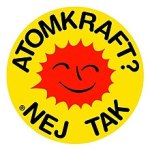
P.S. Does it remind anybody of this classic anti-nuclear power sticker? (Though the logo design is later, from 1975.)

P.P.S. It was so cloudy and overcast the day after I finished the cushion that I had to wait another day to photograph it — there wasn’t enough light to get a good picture. As I write this blog, we’re having a thunderstorm. So much for sunny summer! At least the cushion gives me all the light and warmth I need.

Edit 15. August 2024: Here’s a photo of the cushion in its new home!

July 1966: Overview

It’s all about teamwork in Stitchcraft’s July 1966 issue: two-piece sets for casual, sport or city wear as well as matching designs for all members of the family. Appropriately for the theme and the season, the emphasis is on sports and leisure, with casual, loose-fitting designs.

Our cover ensemble pairs a checked, sleeveless top with a skirt whose pleated insets match the check pattern. The check pattern is stranded, and I hope the navy blue didn’t bleed into or show through the white at the first washing. It’s the dressiest of the designs in this issue, but still keeps a casual air with its loose, unshaped top and shorter skirt (hemlines are finally rising at Stitchcraft, long after the miniskirt became popular everywhere else) and the check pattern, which is reminiscent of a race-car flag. The “favourite continental look for casual wear” is a team of “overpull” (oversized pullover) and short-sleeved blouse with a polo (turtle) neck in matching colour.

For warmer days, there’s a trio of lightweight and/or sleeveless blouses: in a lacy striped pattern or textured rib in 4-ply, or a mini-top in eyelet rib. Pink, white and turquoise are fun ice-cream colours for summer and harmonise well with the maritime blue of the checked suit.

A high-buttoning cardigan in heavier DK is good for cooler weather. Twisted stitches are the summer knitting trend, seen in the cardigan as well as in the eyelet rib and the striped lace tops. Our male model teams up with a horse to show off his cleverly designed “Viennese sports pullover” in tan DK wool with white cable stripes going up and down the front and back as well as down the sleeves.

The ultimate 1960s team is, of course, the nuclear family, and this issue offers a design for (almost) everyone: a simple, casual pullover with a trellis pattern in three sizes. The trellis is formed by making a k2tog or sl-k-psso at the right point in the pattern with a yo right before it to keep the stitch count even. The purl stitches on the wrong side are worked into the back of the “made” stitches to close the yo holes even more and make the trellis stitches stand out. Here too, summery ice-cream pastels and neutrals are in: “Banana Cream” for him and light green “Linden” for her and the daughter.
I did say “almost” the whole family, right? The youngest members have their own designs. Junior’s play jersey in blue and white echoes the women’s check suit, but here the check pattern is made by slipping stitches and/or letting them drop and picking them up a few rows later. The baby gets its own “teamwork” set of matinee coat and bootees in pretty lace and moss stitch.

The homeware designs are pretty standard, but numerous and cover all the home bases. There are some easy floral cross-stitch and pulled-thread mats, a cushion and/or stool top in tapestry (a check design, once again) or a stitched rug in Florentine design. More ambitious tapestry fans can make a wall panel of boats at Norfolk Broads.

And for once, the “Summer Bazaar” designs are not weird! There’s a simple crochet tea cosy, crocheted lace coaster mats, or an apron and/or potholder set appliquéd and embroidered with cute images of vegetables. In the “Readers Pages”, there’s a reprint of a 1961 pattern for a knitted pram blanket, and Eustace the elephant gets very startled when he tries on a pair of spectacles and suddenly sees Mark the mouse in larger-than-life size.

That’s all for this issue! Since I didn’t get around to making the sun cushion last month, I’ll make it this month. (Technically, it’s sort of part of this issue as well, since it photo-bombed the picture of the ribbed polo blouse.) And nothing else from this issue really called to me. Sunny days ahead, and may your team always win.

July 1965: Overview

July is still “holiday” season over at Stitchcraft, but this summery issue is already looking towards cooler autumn temperatures and the return to post-holiday life. For women’s fashions, this means a “revival of the more feminine line” (as if there were ever a fashion for “the masculine line” in 1960s women’s fashions.) I guess they mean a slightly closer-fitting silhouette, or a little more shaping of upper-body garments between hem and bust. At the same time, “quick and easy yarns” or “easy-to-wear loose front styling” jackets are still in fashion, emphasising comfort and wearability.

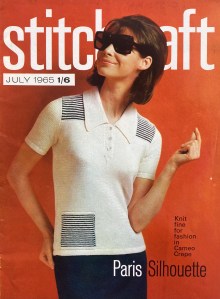
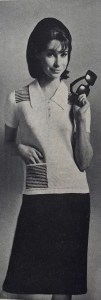
Our cover model sports a white blouse made in 4-ply “Cameo Crepe” wool and twisted stocking-stitch for a little more texture. The navy blue accents on shoulder and pocket match the knitted skirt, which is just below-knee length. That may seem surprising if you associate mid-1960s fashions with miniskirts, but it took a while for the ideas of cutting-edge designers like Mary Quant or André Courrèges to trickle down to the general public, and hand-knitting magazines, even the more fashionable / aspirational ones, were oriented towards designs that “regular people” could wear in everyday life . The dresses and skirts in Vogue Knitting’s 1965 Spring/Summer issue, for example, all fall between just-barely-above and solidly-below knee-length — and Stitchcraft was a more conservative magazine than Vogue Knitting. We won’t be seeing miniskirts here for a while yet.

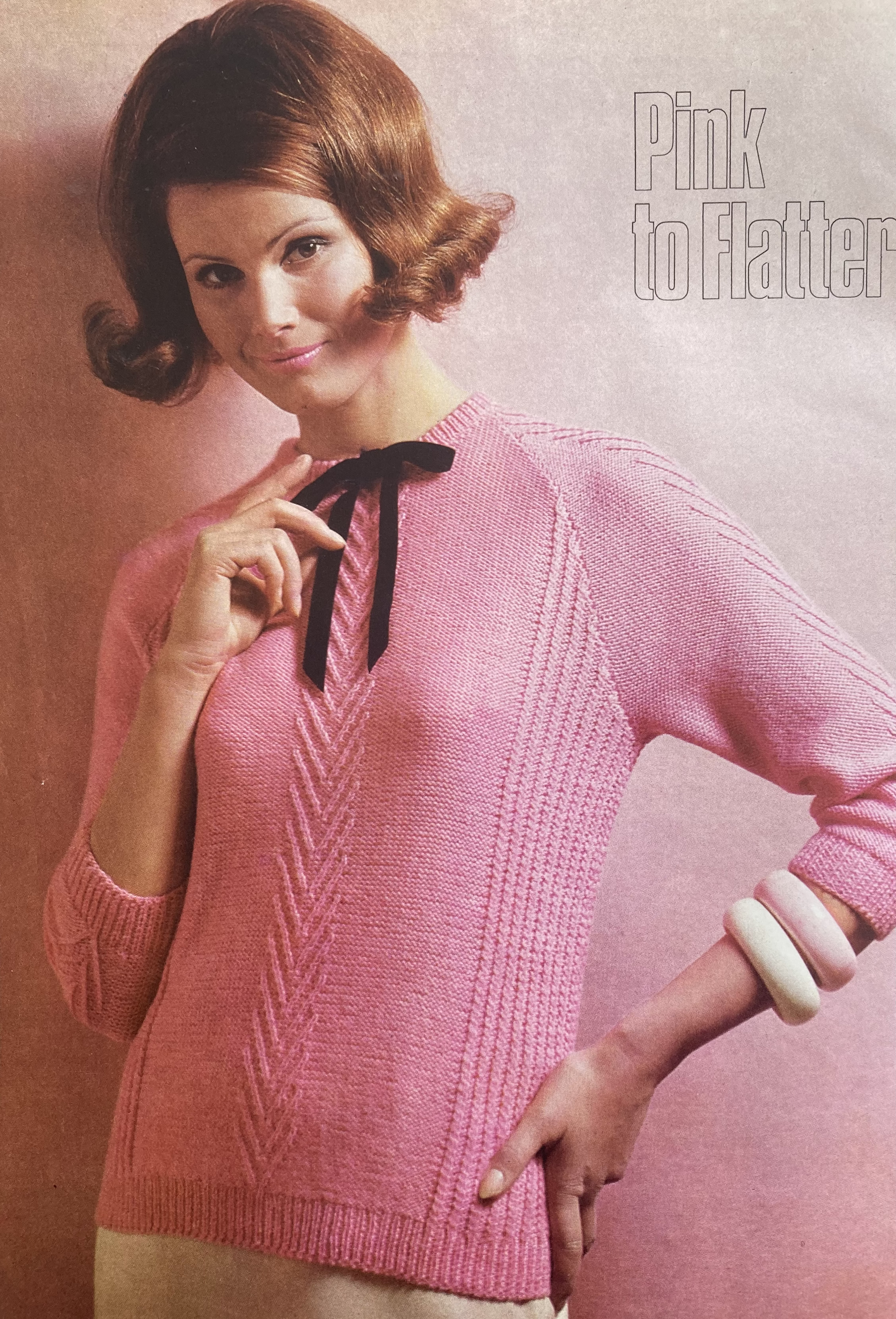
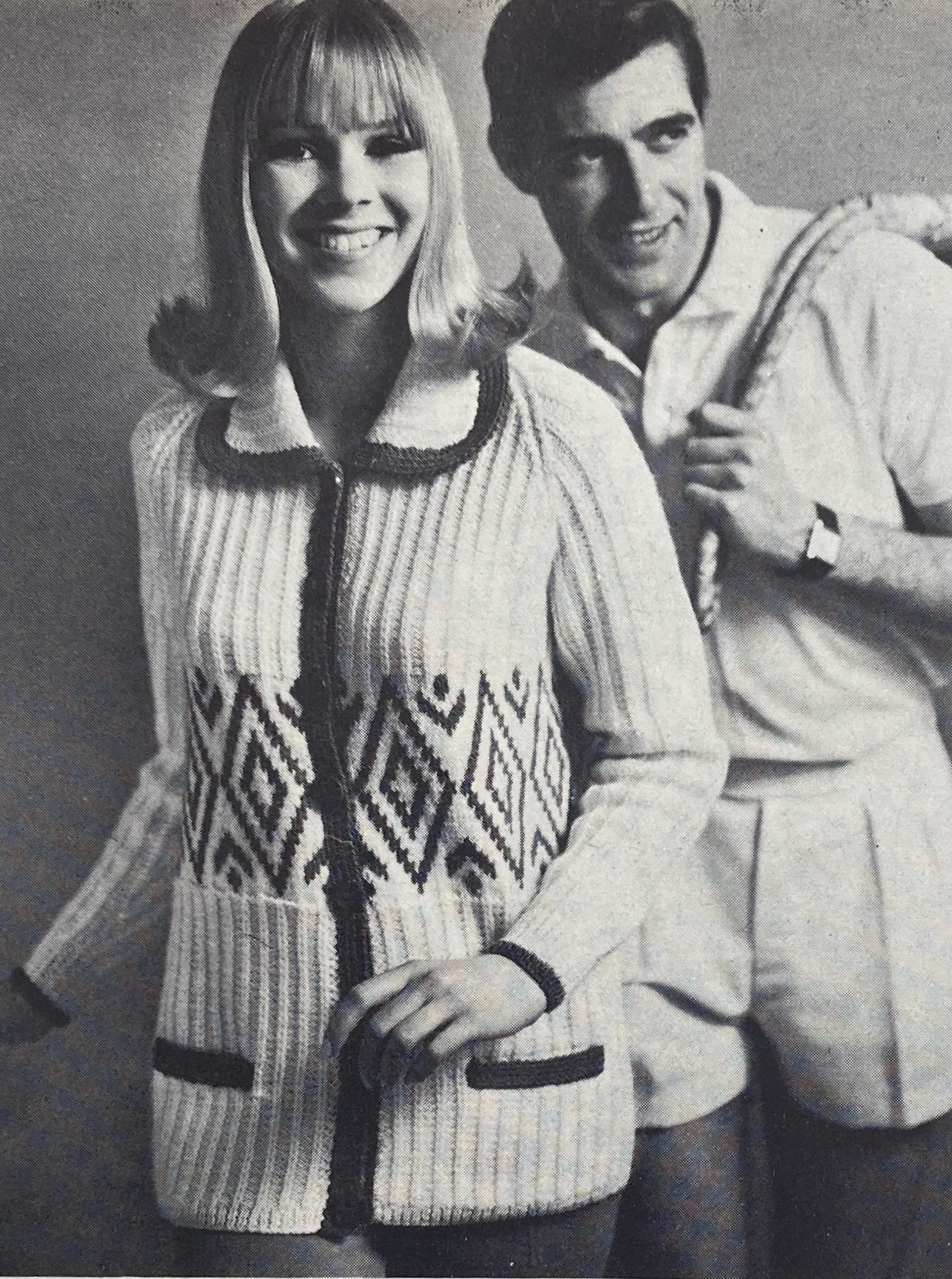
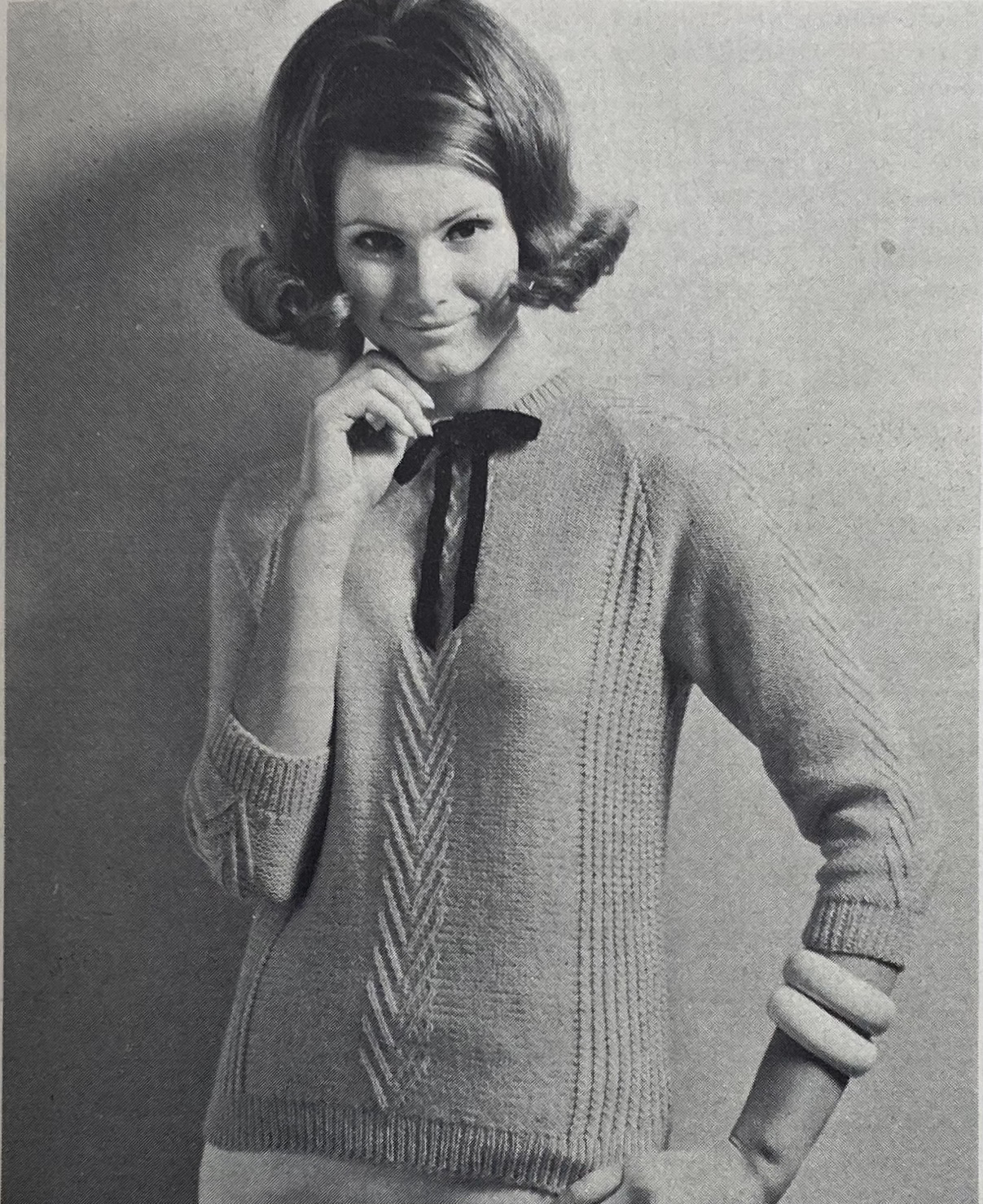
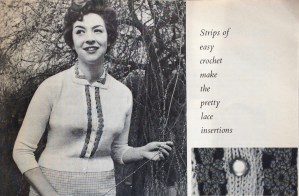
The upper-body fashions for women show, if not an extreme “revival of the feminine line”, a definite attention to cute colour and pattern details, particularly in the use of twisted stitches or ribbing variants. The pink raglan pullover on the inside front cover combines a sort of twisted rib on the sides with a “v” pattern, also made by twisting stitches, up the front and back midline and on the sleeves, and tops ot off with a black necktie bow. Nice touch to put it on a red-haired model! The combination of colour detail and ribbing variant (here: stranded panel and narrow slip-stitch rib) is also used on the warm blue-and-white cardigan. The “knitting that looks like crochet” trend continues in a short-sleeved blouse for larger sizes in 4-ply wool and a textured-lace pattern.

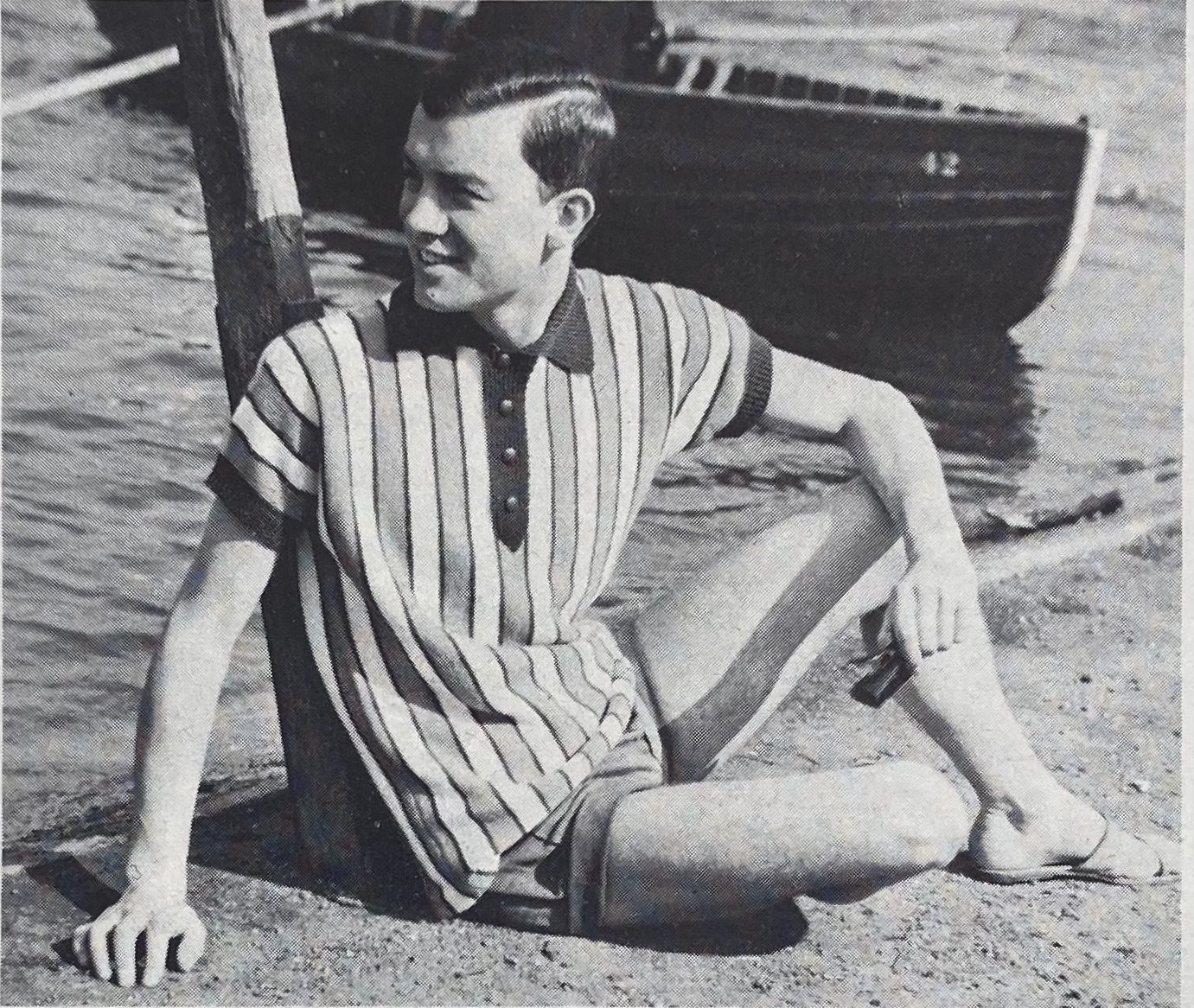
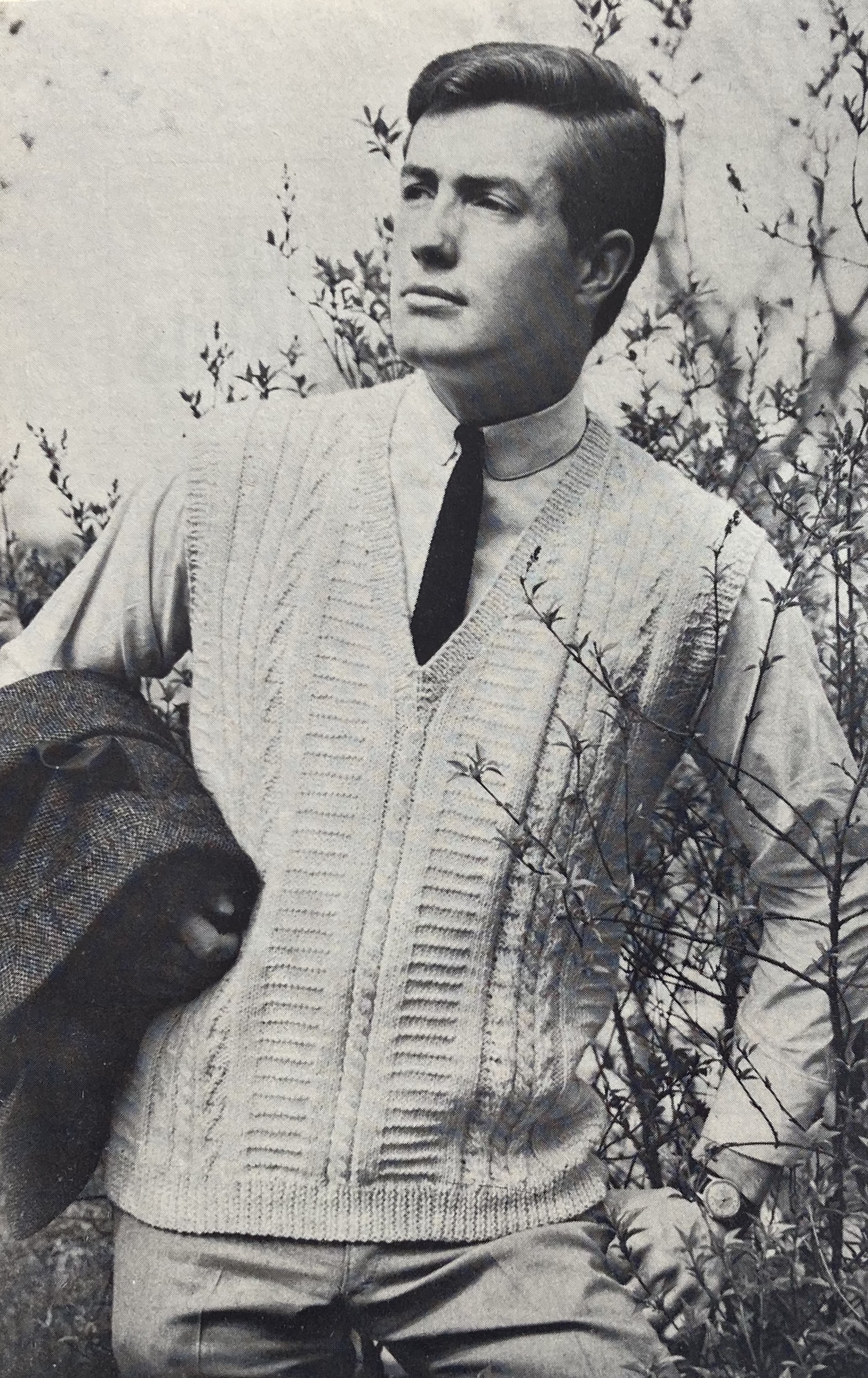
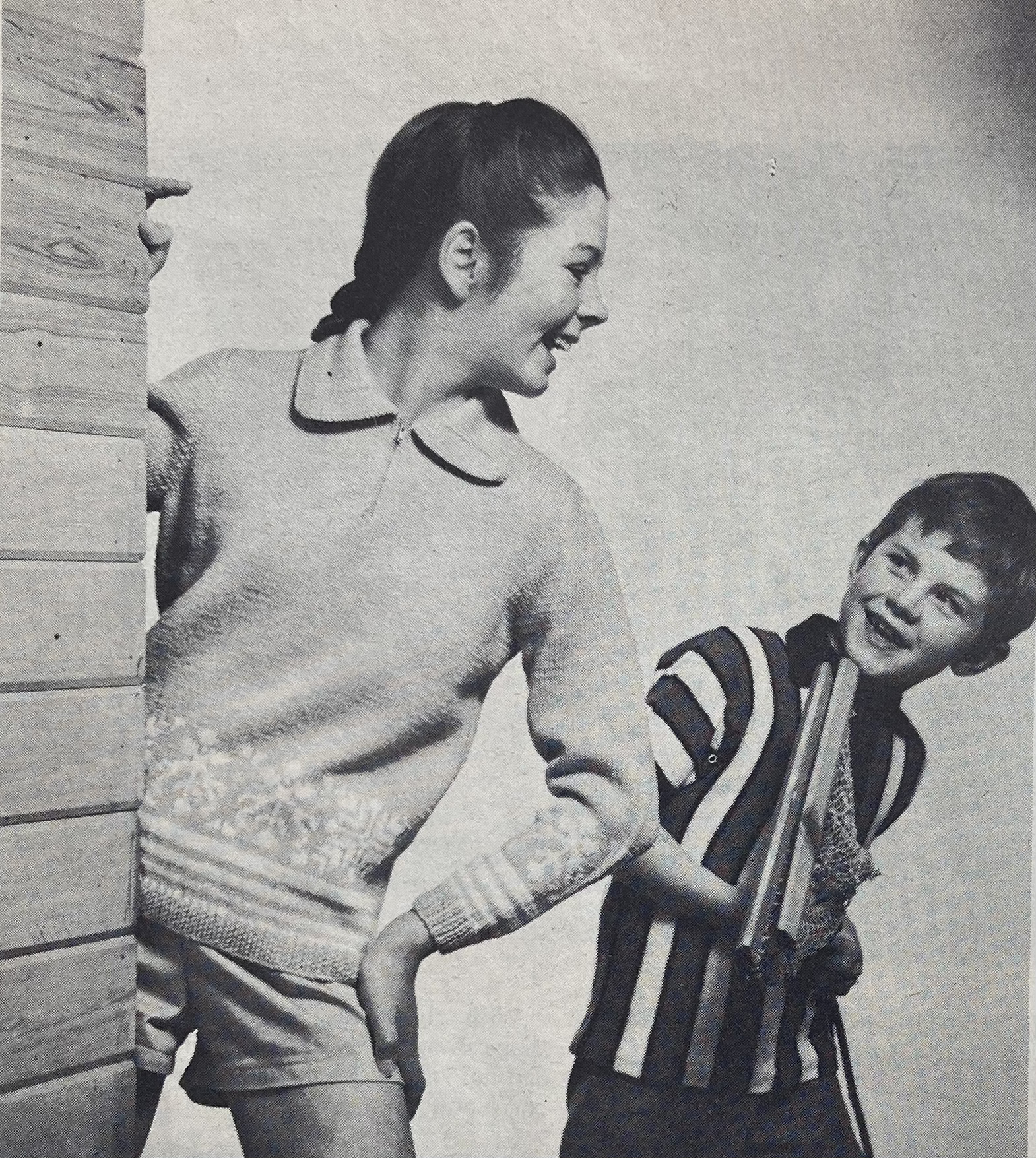
The men’s fashions use a predictably less dainty, but no less interesting use of colour and pattern: there’s a loose.fitting, sideways-knit and vertically-striped dolman-sleeve shirt for beach wear in “father and son” sizes for adults and children (though the “adult” model in the photo looks hardly older than a teenager himself) and a slipover in an Aran-style pattern of cables, ridges and zig-zags.

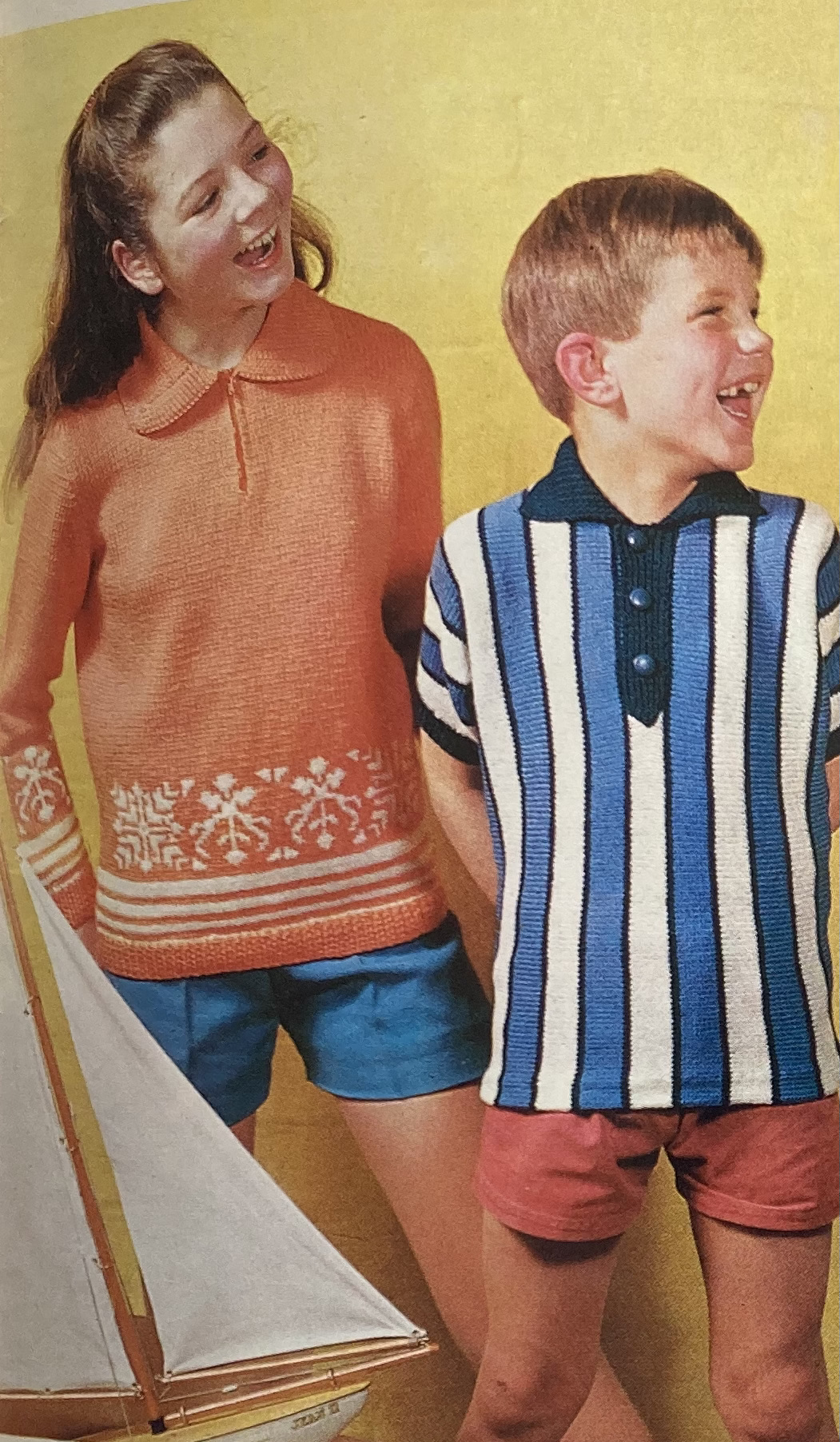
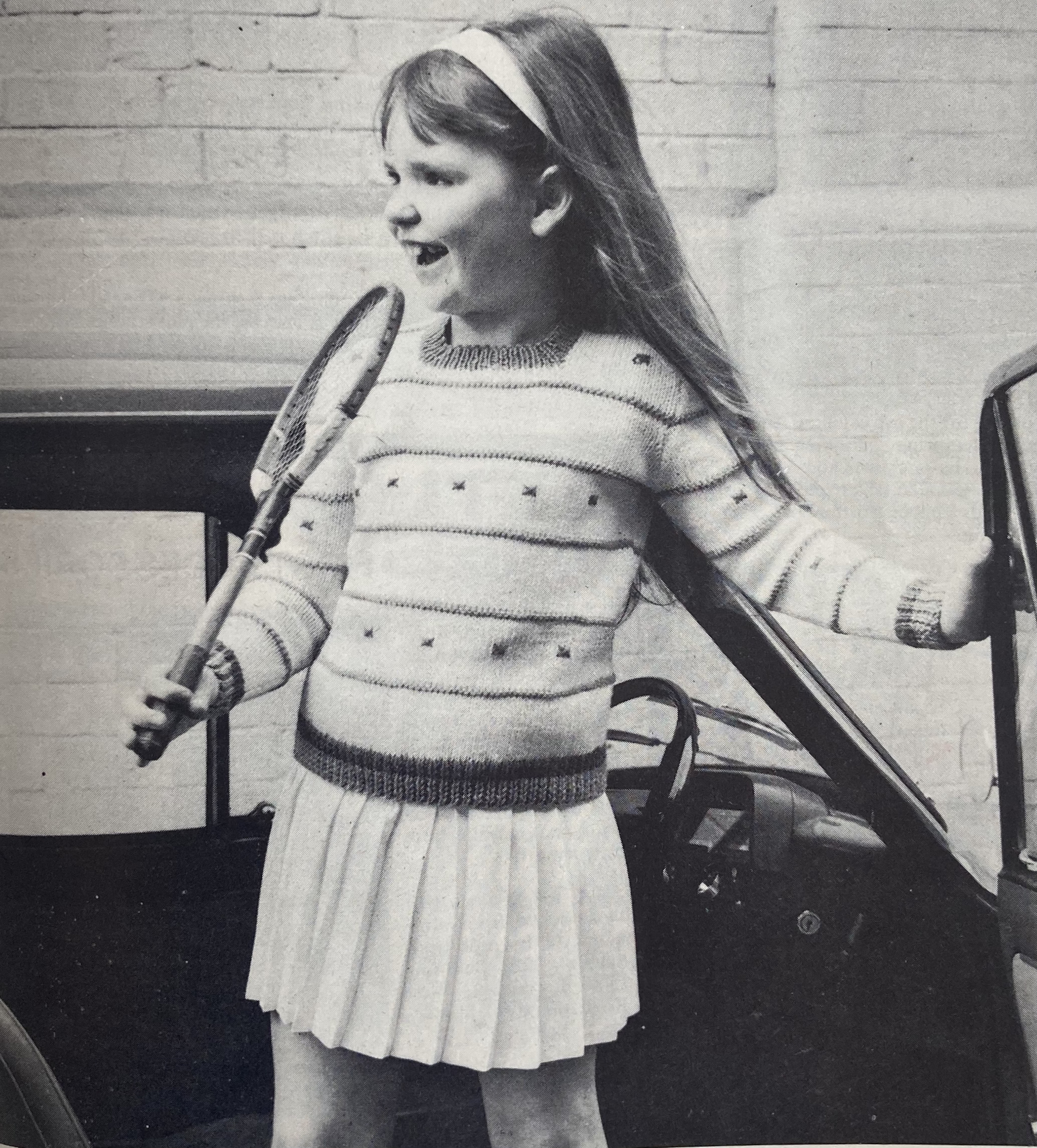
The kids’ designs utilise the same fashion features as the adults: the boys’ striped shirt is the exact same pattern as “Father’s”, and there’s a zip-neck pullover for girls with a stranded border reminiscent of the panel in the womens’ jacket. For younger girls, there’s a quick and easy, slightly striped pullover whose pattern details are embroidered on after knitting. Nautical white and blue, pretty pink and sunny yellow make up the summer colour palette.

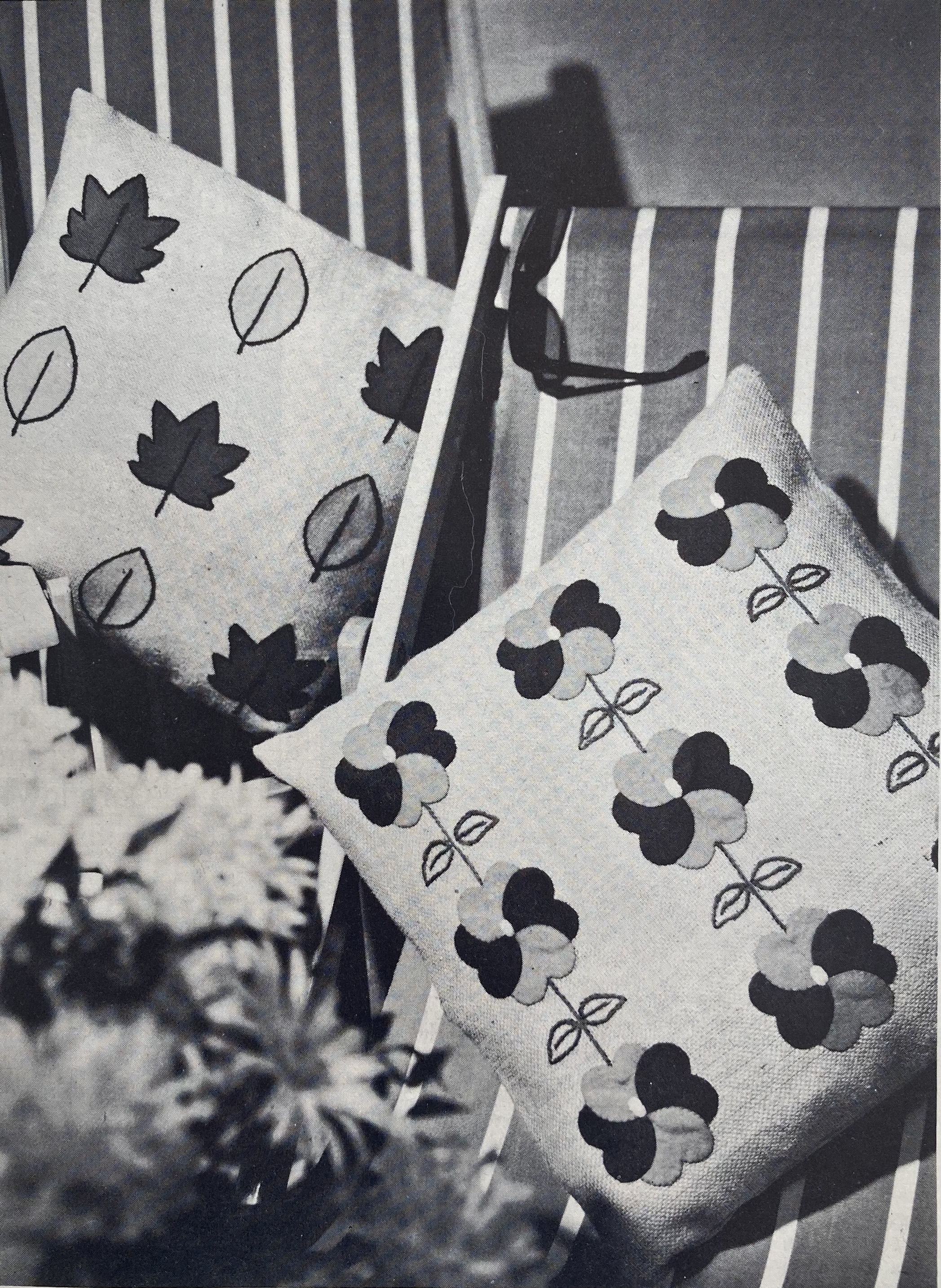
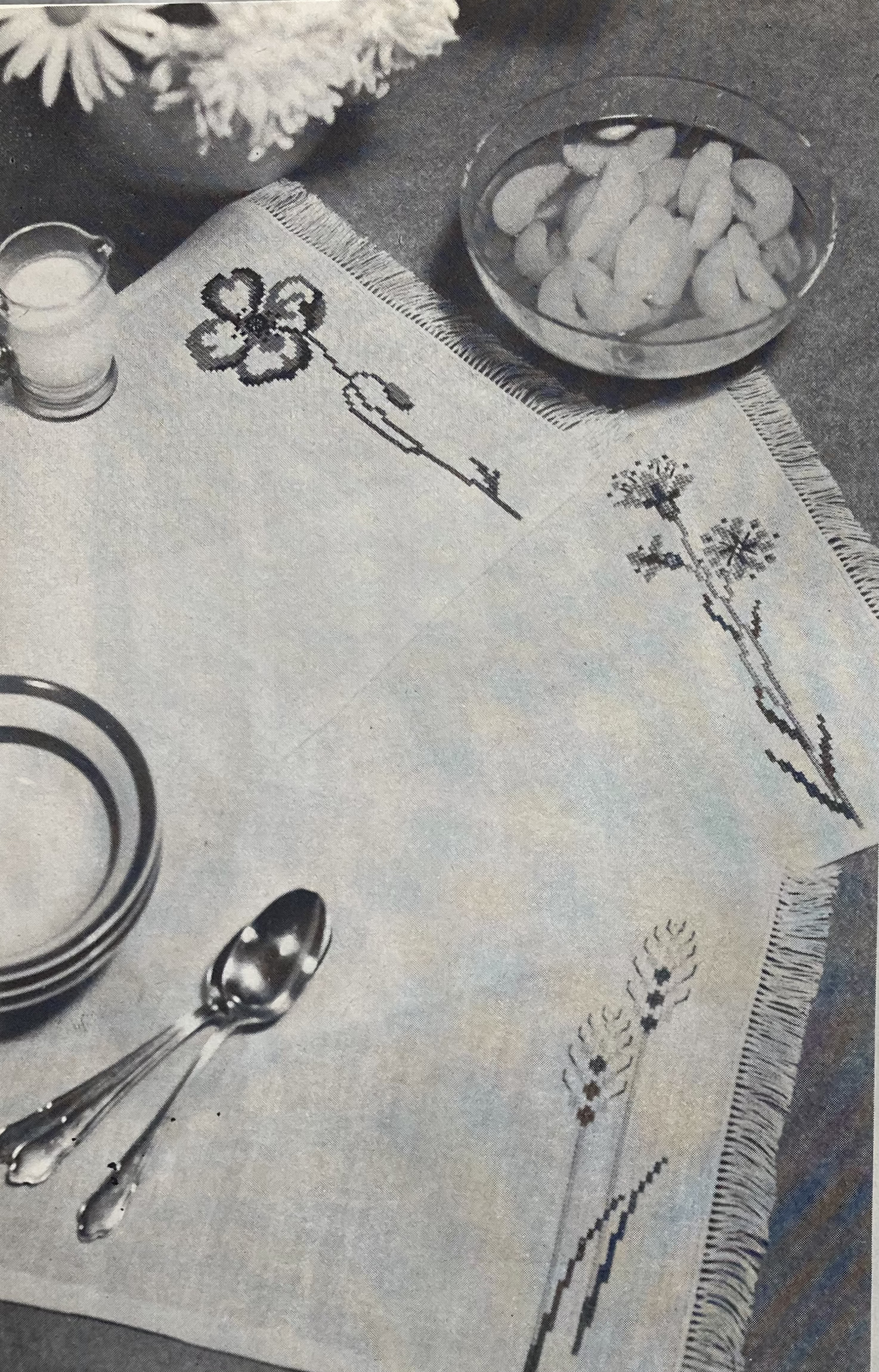
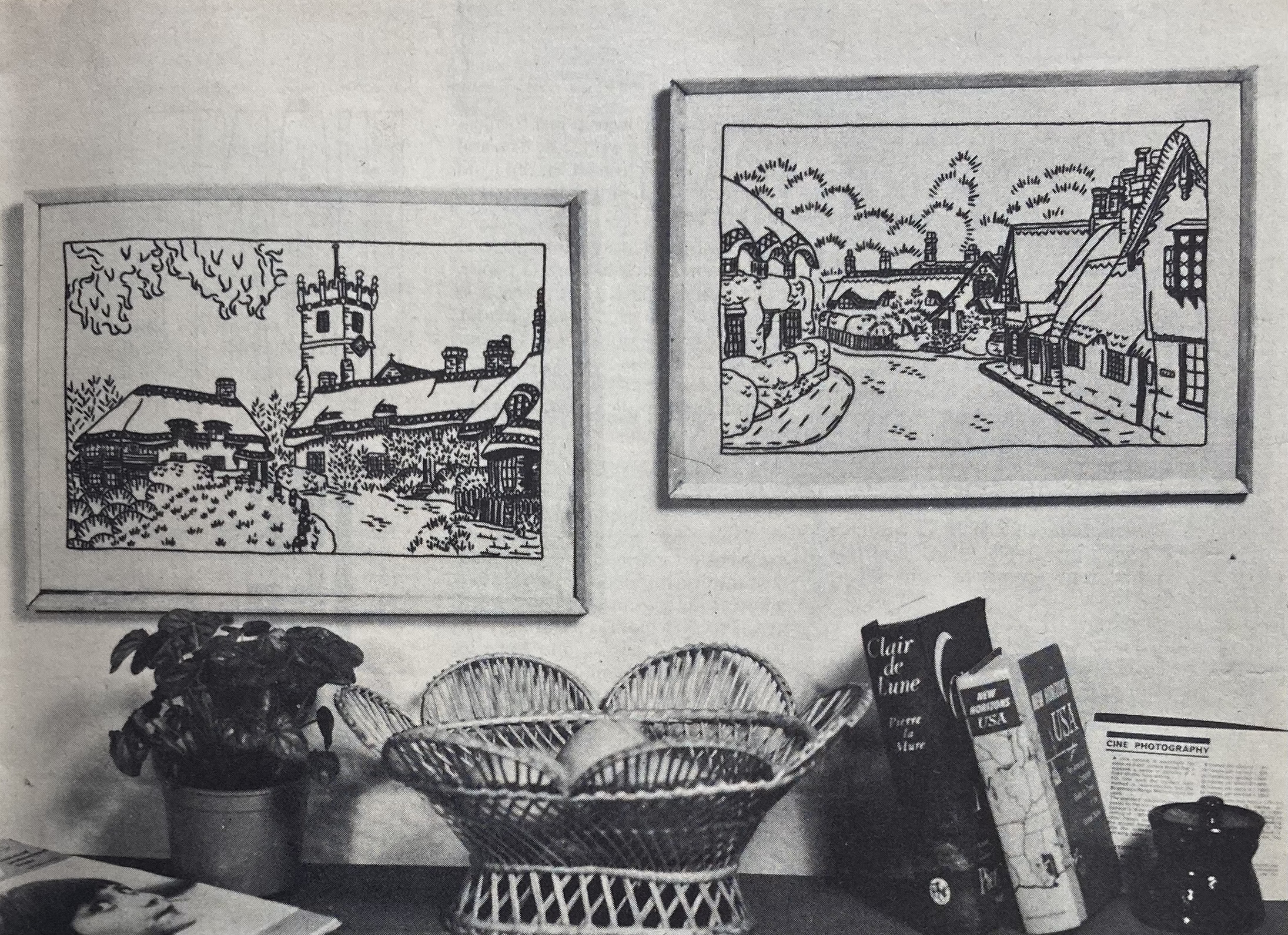
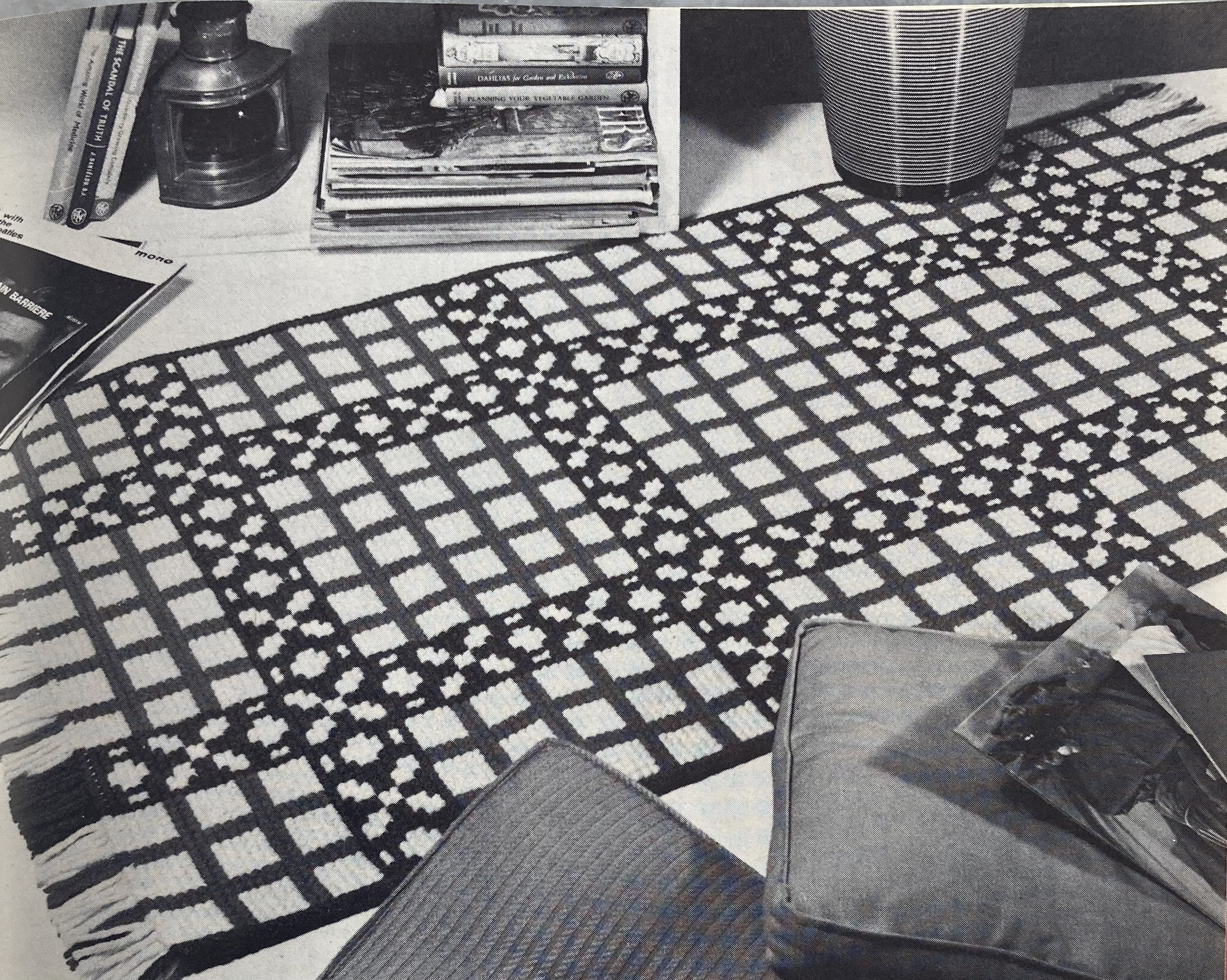
There’s a good selection of easy homeware and embroidery projects: appliquéd garden cushions in “hardwearing hessian” fabric, single flowers cross-stitched on place mats “for an outdoor supper party”, embroidered “needle etchtings” of village scenes (Godshill and Shanklin Old Village on the Isle of Wight), or an easy stitched rug.

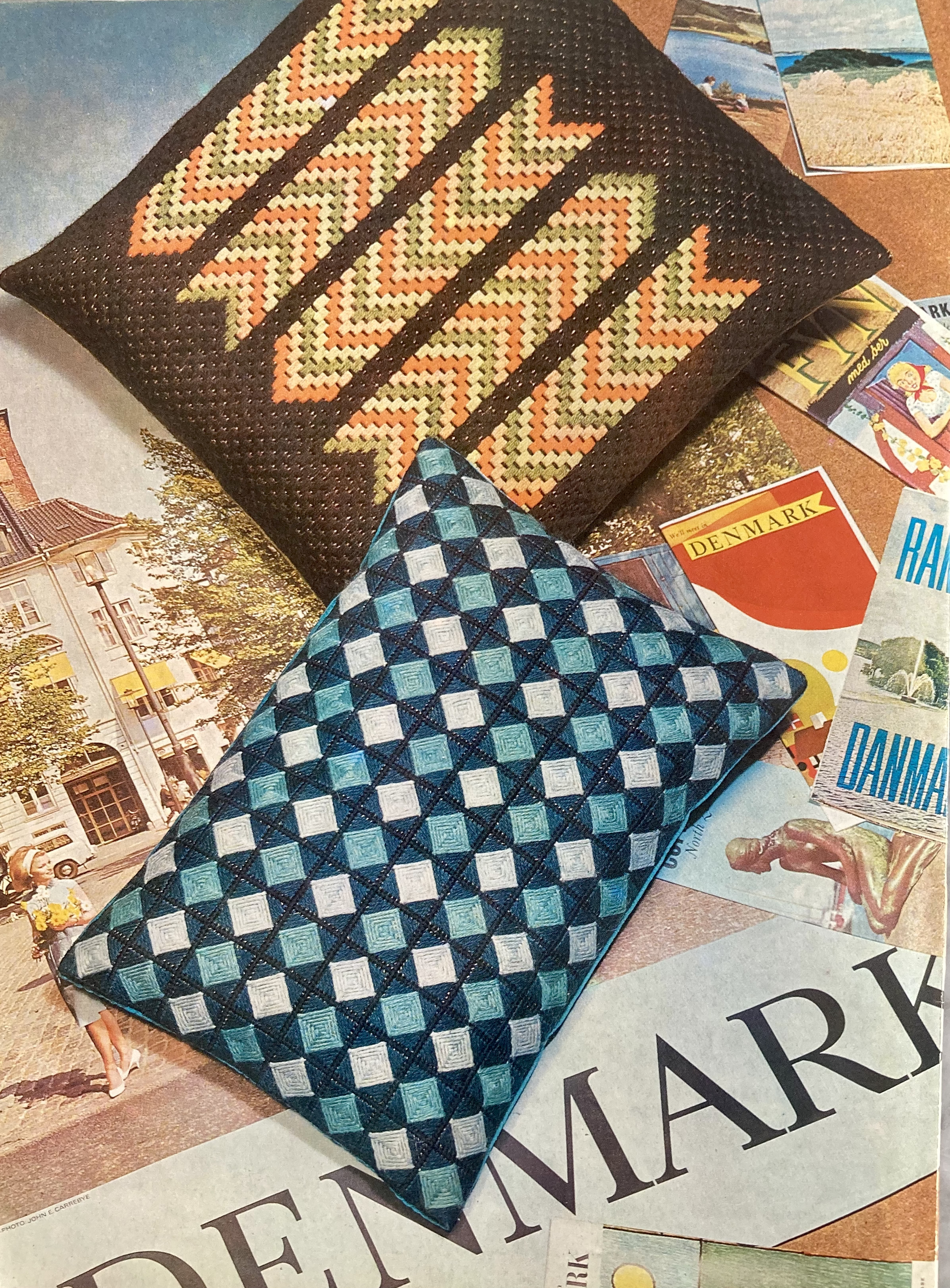
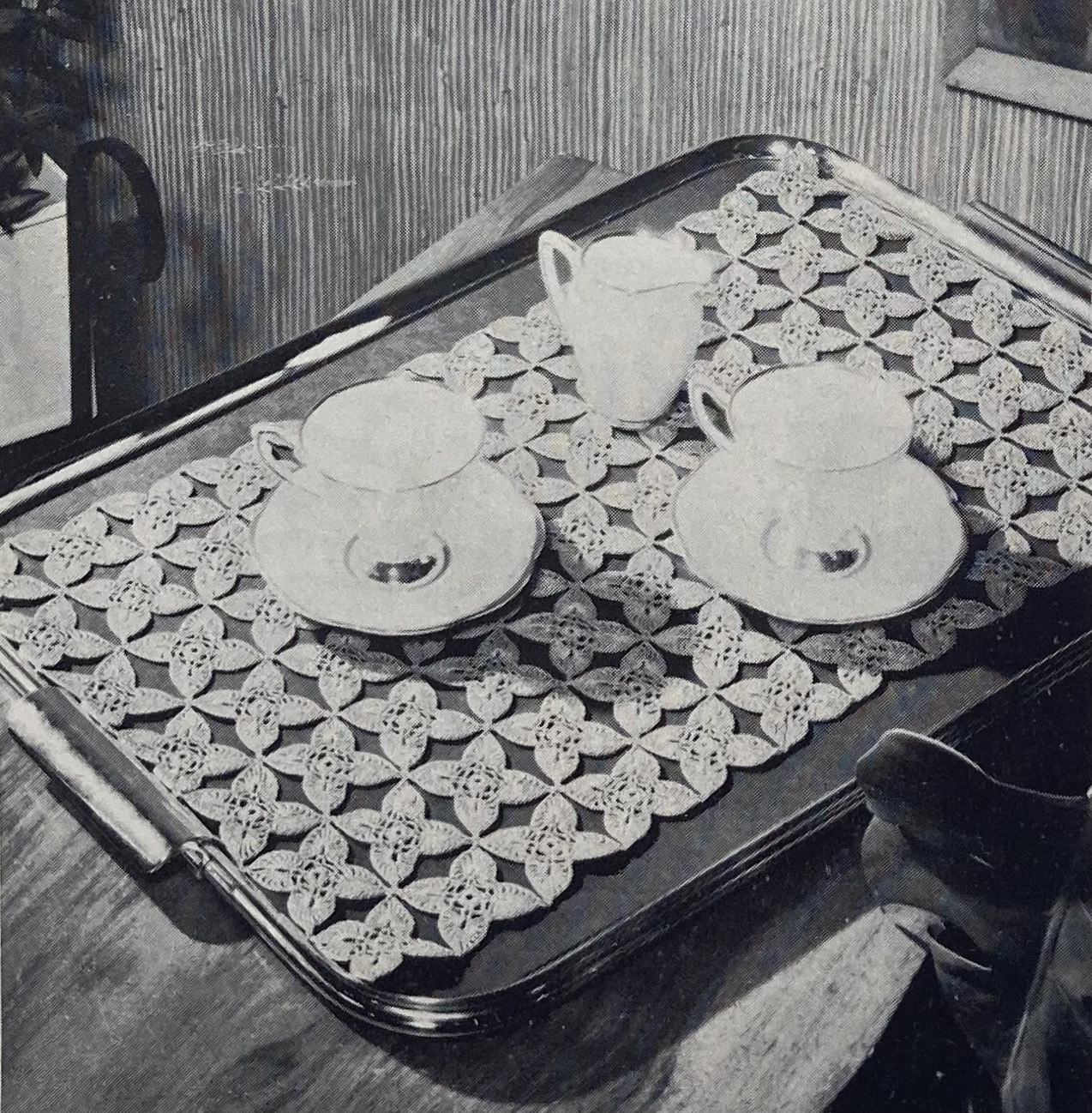
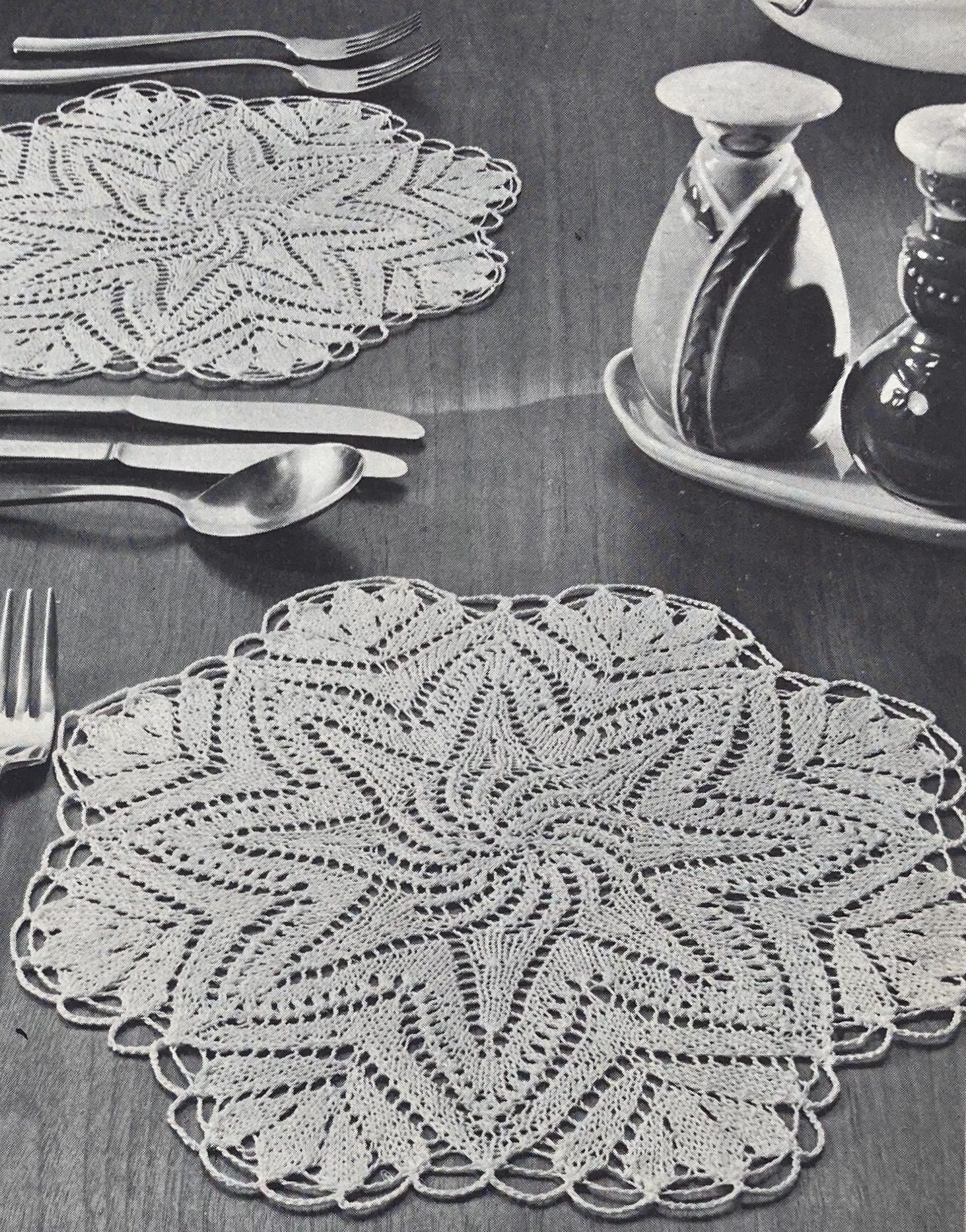
The Danish-design tapestry cushions look more complicated than they are, but are also more complicated than the usual tapestry cushions. Fans of finer work in cotton can make doilies or a traycloth, or pretty trims for bed pillows.

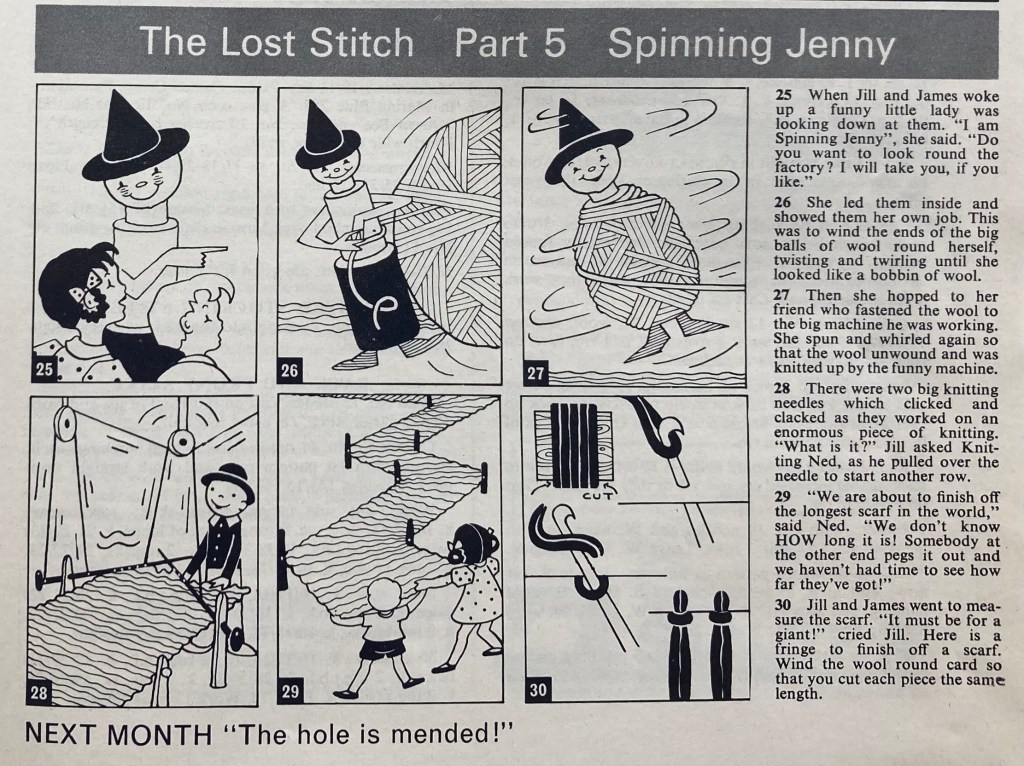
The ads are quite usual: Singer sewing machines, Patons yarns, and a swirly nightgown and negligée from the Scotch Wool Shop. Not to forget: the Turmix knitting machine, Stitchcraft binding cases to store a year’s worth of magazines, and order houses for wools, fabric remnants, etc. The children’s comic follows the adventures of Jill and James searching for a lost stitch and encountering interesting characters such as Spinning Jenny, who shows them how a spinning machine works.

That’s all for this issue! My project will be the appliquéd flower cushion.

July 1964: Overview

Cover photo from Stitchcraft magazine, July 1964. A women poses in a blue and white cardigan.

Are you in a “Summer Mood”? I certainly am and so is Stitchcraft. Knowing that knitters are less inclined to hold warm wool in their hands in hot weather, this issue, like most summer issues, is a bit less exciting than the ones from the rest of the year. Still, there are some nice designs.

Sky blue, white and peachy-orange are the trending colours, with the blue-white combination chosen for this pretty ribbed cardigan on the front cover. The ribs are broken up by little bobbles for a sort of trellis effect. Interesting variations on rib and trellis patterns can be found in the men’s waistcoat in slip-stitch rib and the wild and wavy partner-look pullovers on the back cover. At first glance, they might seem to be made in stranded technique, but if you look closely at the photo, you can see the dropped and slipped stitches that are “pulled up” in a later row. The long stitch is achieved by purling three times into a stitch on one row, then dropping the two “extra” stitches off the needle on the next row. It’s then slipped on multiple rows until it gets re-integrated in the pattern. Alternating this between the two colours makes a pattern that resembles Bargello tapestry (also popular at the time, though not well represented in Stitchcraft) and is less difficult than it looks.

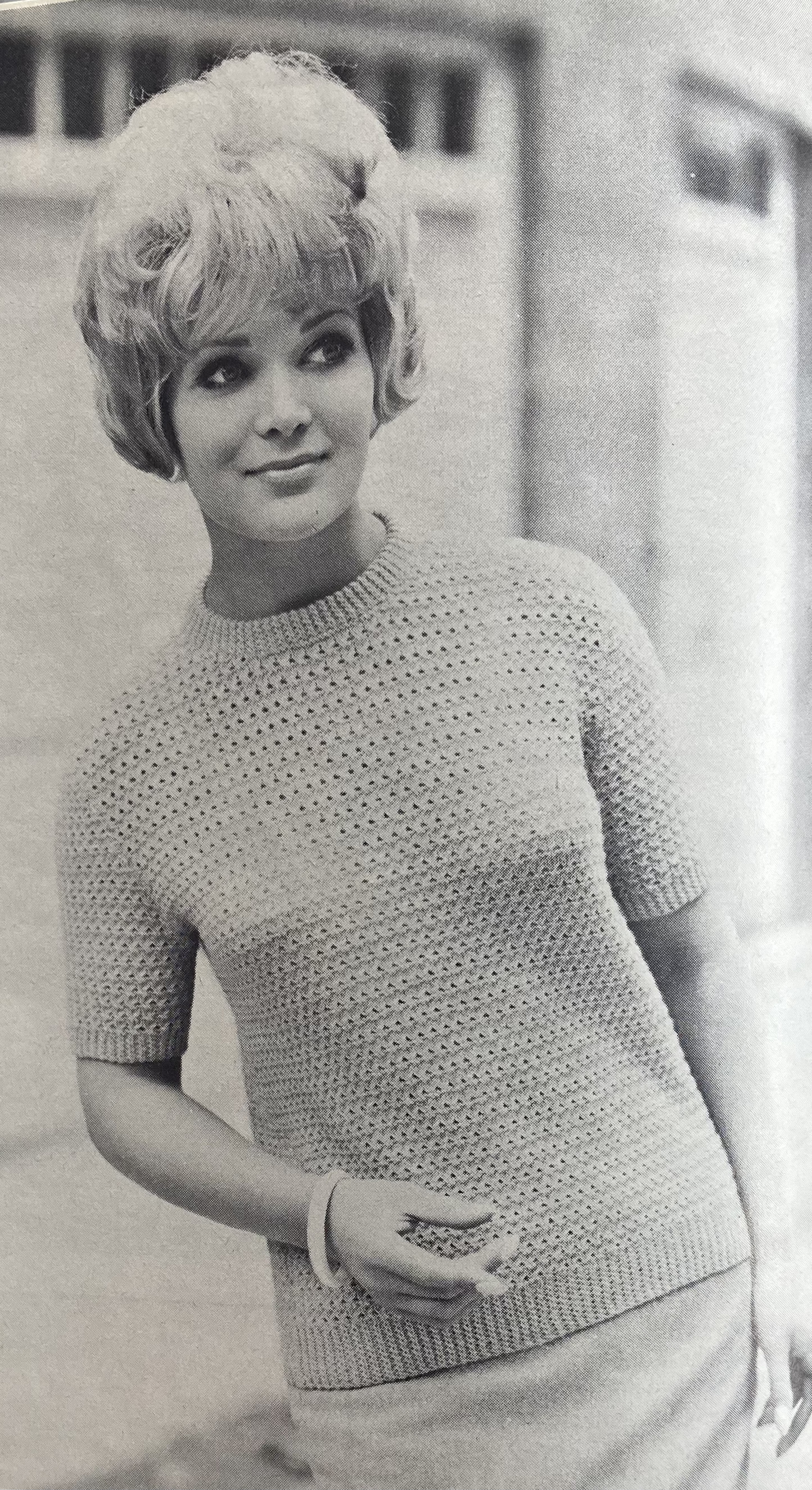
A short-sleeved, yet DK-weight top in orange and white continues the colour trend and for a monochrome look, there’s a thick white cardigan in larger sizes and nubbly Rimple Double Knitting wool. The stitch pattern is also a rib variant, a mesh with lace eyelets. (Isn’t that photo fantastic, by the way? It’s so incredibly 1960s and I feel like it could be used as an advertising photo to sell absolutely anything from the time.) The final adult garment is a lightweight sleeveless top with a flowery neck border.

Children and babies get some fun play clothes for warm and cool summer days. The blue, white and “shrimp” pink/orange sleeveless top and trunks for a toddler make good use of July 1964’s trend colours, as do the blue and “sand beige” pullovers for larger children. Very clever to use sand beige instead of white for play clothes at the beach! Meanwhile, the “Bandbox Look for Baby” begins with a pretty matinee coat in this issue, to be continued with a matching vest and pilch in August, a “charming dress and bootees” in September, a cross-over jacket in October and a hooded cape in the November issue.

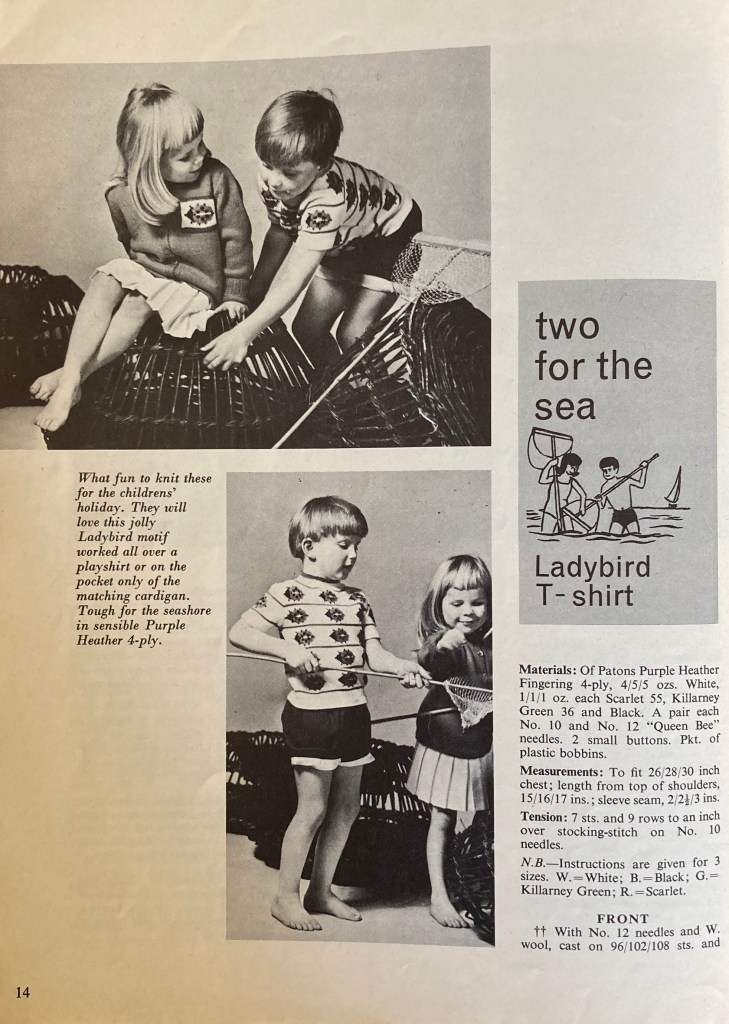
Speaking of children… Remember that playshirt from last month’s issue with the ladybird on it? Someone at Stitchcraft apparently forgot to mention that it was a trademarked logo! “No doubt” readers knew that it was used by permission, but just in case, they made a full-page announcement telling us about it.

Moving on to homewares, here are plenty of embroidery and houseware designs, though none so spectacular. You can make a rug and toilet(ry) bag for the bathroom, or a wall hanging or some small practical items (spectacle case, pincushion) in tapestry:

Or the usual cushion and chairset, some easy garden cushions, or tablecloth and tea cosy in embroidery.

There’s also fun “cocktail set” of place mats and “pinny” apron for holiday entertaining at home, decorated with an embroidered cockerel. The cockerel looks a lot like the Portuguese mascot that can be found on all sorts of souvenirs from the country, and I don’t think that’s an accident: the 1960s saw the first big boom in tourism from the UK to Portugal and it has remained an extremely popular holiday destination up to the present day. If our 1964 housewife couldn’t afford a holiday in Portugal this year and buy herself an embroidered serving set there, she could at least make one for herself at home. (The bottle-stopper is my own, from Portugal and vintage, probably from the 1960s).

There are a couple of crocheted doily-type projects in the back pages as well as two reprints of popular little patterns (bedsocks and a toy penguin) from the 1950s –this was a special “by request” feature in many of the mid- and later 1960s issues. And that about wraps it up for this issue! It seemed to not have as many projects as other issues, but after going through them all, it’s actually quite full of ideas. My project will be the sleeveless top with the square neckline. Happy Summer!

June 1964: Overview

Welcome to the official start of the Stitchcraft holiday season! The June 1964 issue gives us a mix of elegant 4-ply designs, casual bulky knits to wear as outerwear, beach clothes for the kiddies and easy homeware projects that can be packed up and worked from a deck chair.

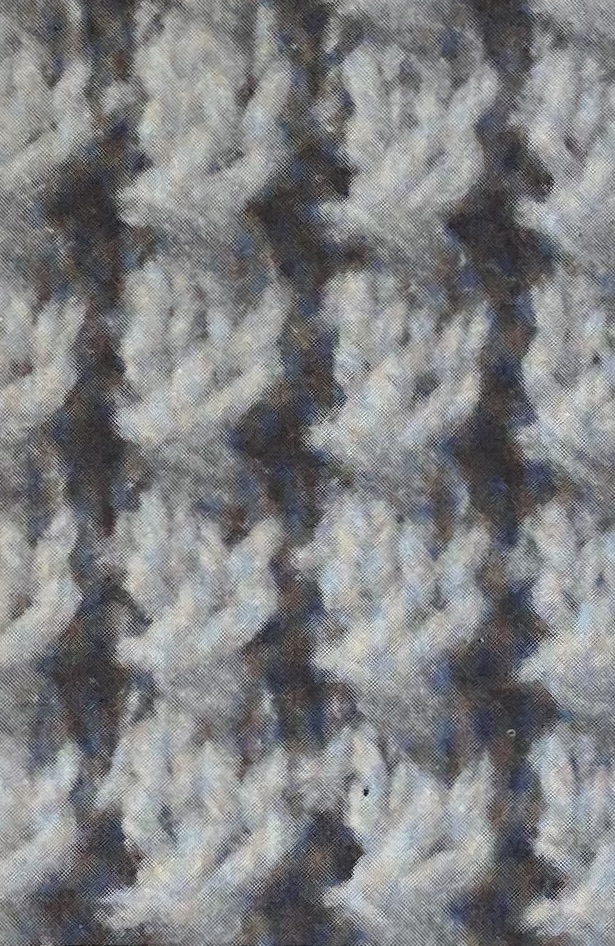
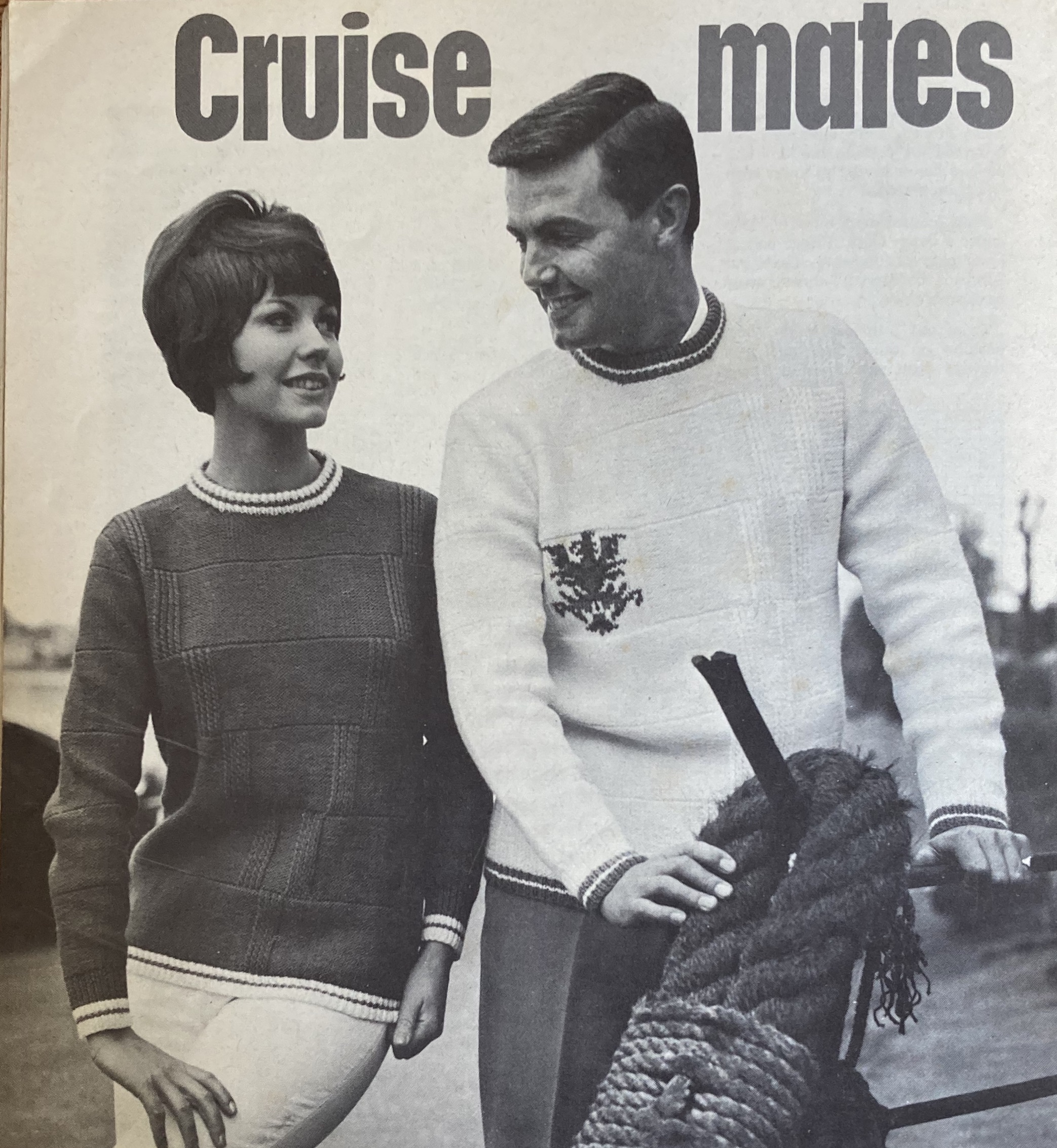
Our cover models are just returning from the weekend market, where they have secured a basket of nectarines. They’re wearing an “easy-line sport pair” of “cruise mates” in complementary colours and the same basic block-and-rib pattern. The ribs are made with p1, k1tbl to give them a more textured look, and the men’s version has an eagle motif, because it is “manly for him.” I wonder if both versions were originally designed with a motif until the designer realised that it would fall in an awkward place on the women’s version?

Nautical navy blue and white with red accents never goes out of style for summer casuals, and we see it in this bulky, yet “featherweight” (18-20 ounces of Patons Ariel, so make of that what you will) white cardigan. I can believe Stitchcraft when they say that the wool is lightweight, considering its bulk, since the twisted-rib pattern eats up a lot of wool.

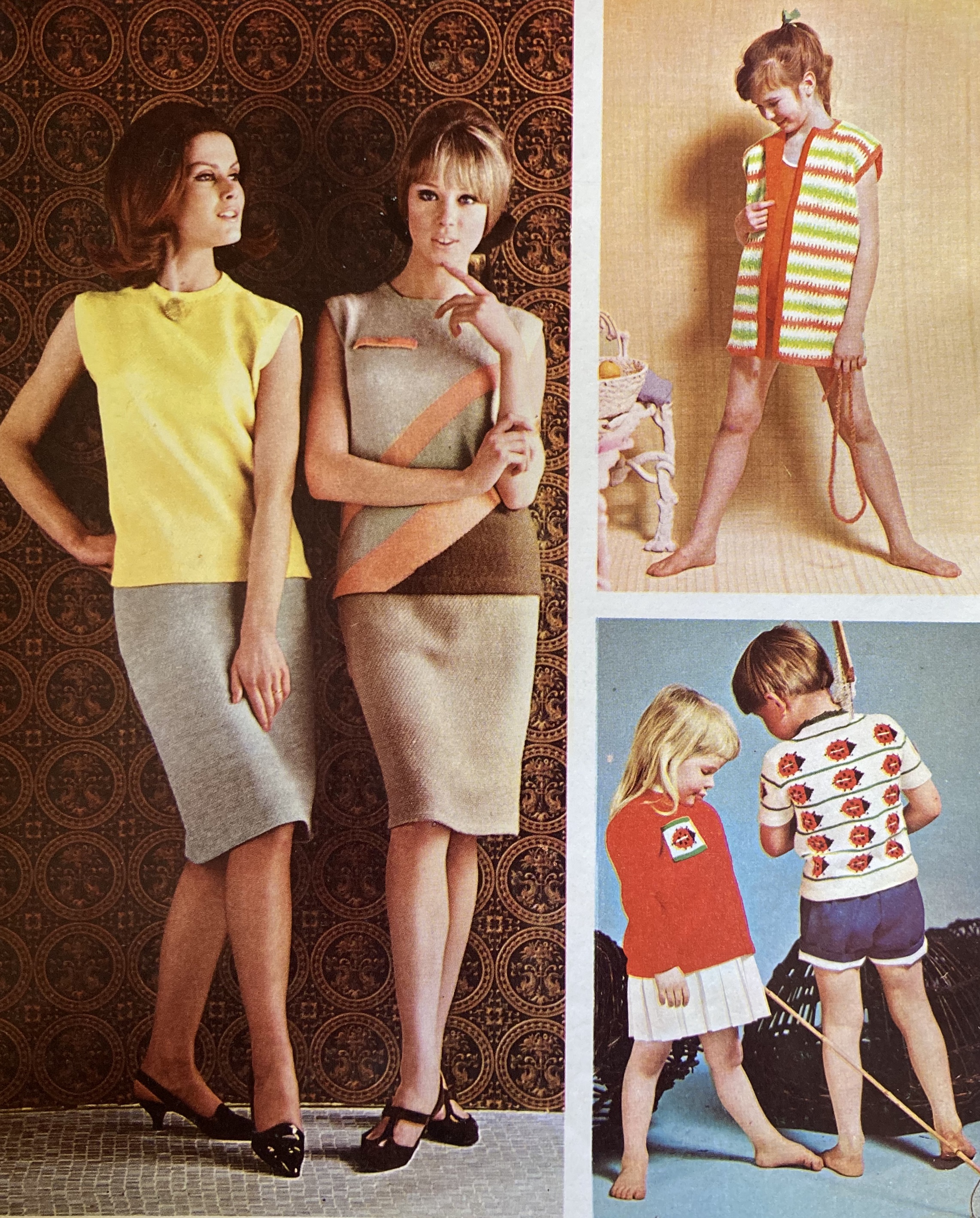
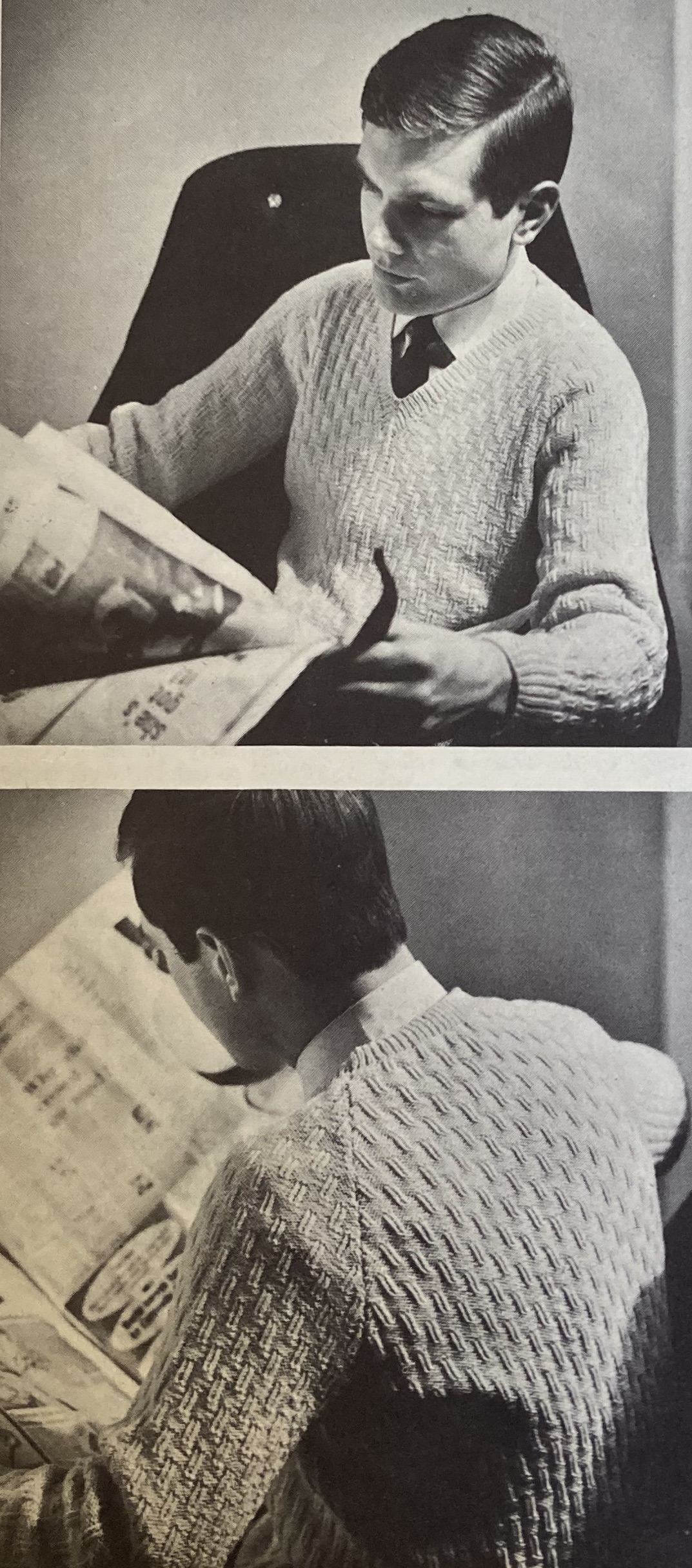
Ona different note, we see simple, yet elegant knitwear separates in 4-ply that are suitable for the office of a more dressy casual situation. The basic skirt and plain or diagonal-striped top are knit in muted pastel shades and meant to be interchangeable — “Basic skirt with a change of top” is the headline for this well-coordinated set. There’s also a waistcoat for her that would match the skirt when worn with a blouse, and a fine-knit raglan pullover for him. The waiscoat and pullover are both in this season’s trendy yellow tones of “Spun Gold” and “French Mustard”.

Children can enjoy splashing around at the beach in their trunks and sundress (the girl’s trunks are sewn into the sundress to prevent wardrobe malfunctions, definitely necessary with a micro-mini tunic skirt.) Here again, traditional red and white or navy blue and white are the chosen Somewhat older children have a choice of short-sleeved jumper and/or cardigan with a Ladybird motif (more about that in the next issue…!), continuing the red and white theme. On a completely different colour note, you can make a beach cover-up coat in crinkly “Rimple” wool lined with towelling — a brilliant idea for drying off and staying warm after a swim in cold northern waters. It’s quite easy to make, consisting of literally three rectangles for fronts and back, with garter-stitch borders and then lined with the towelling.

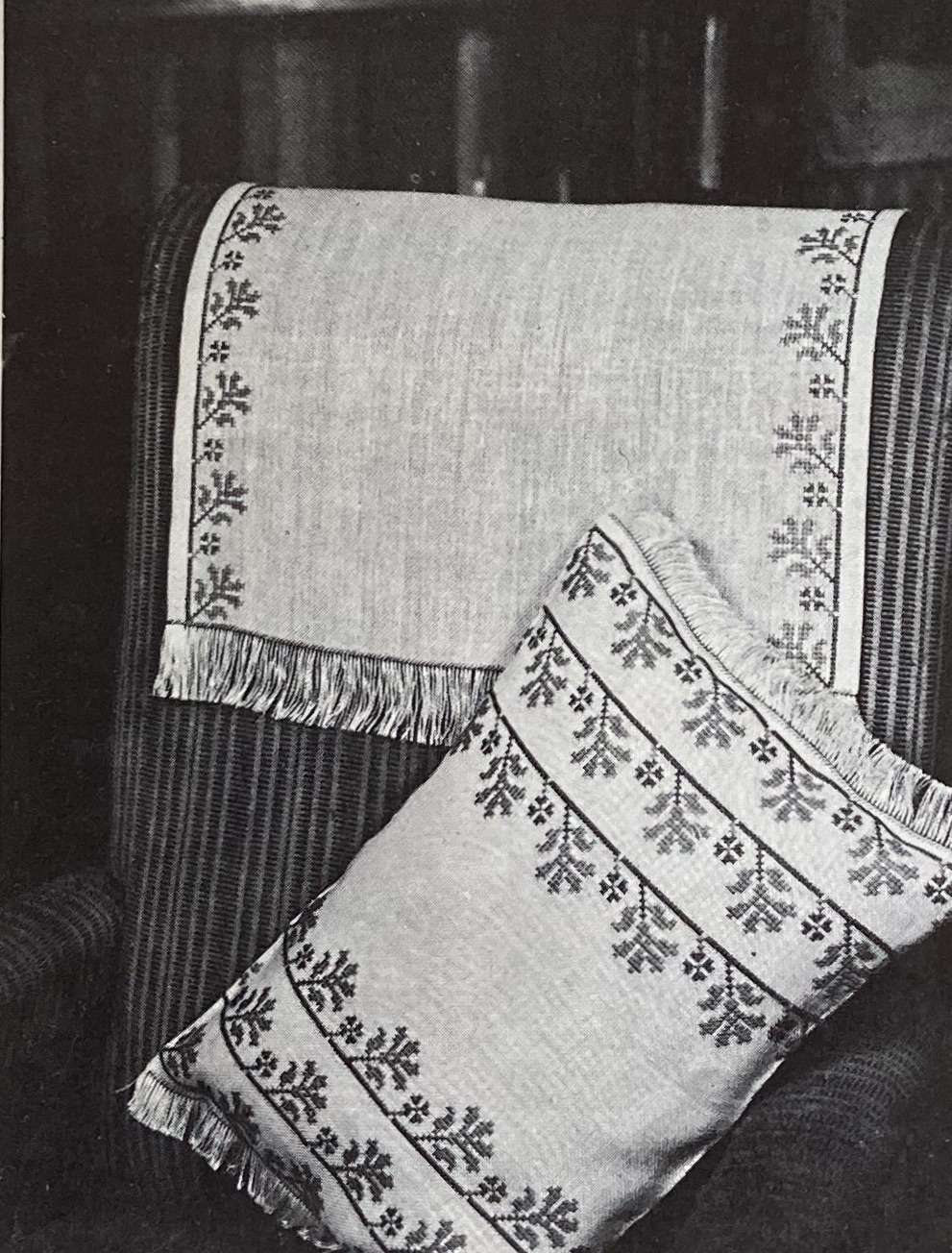
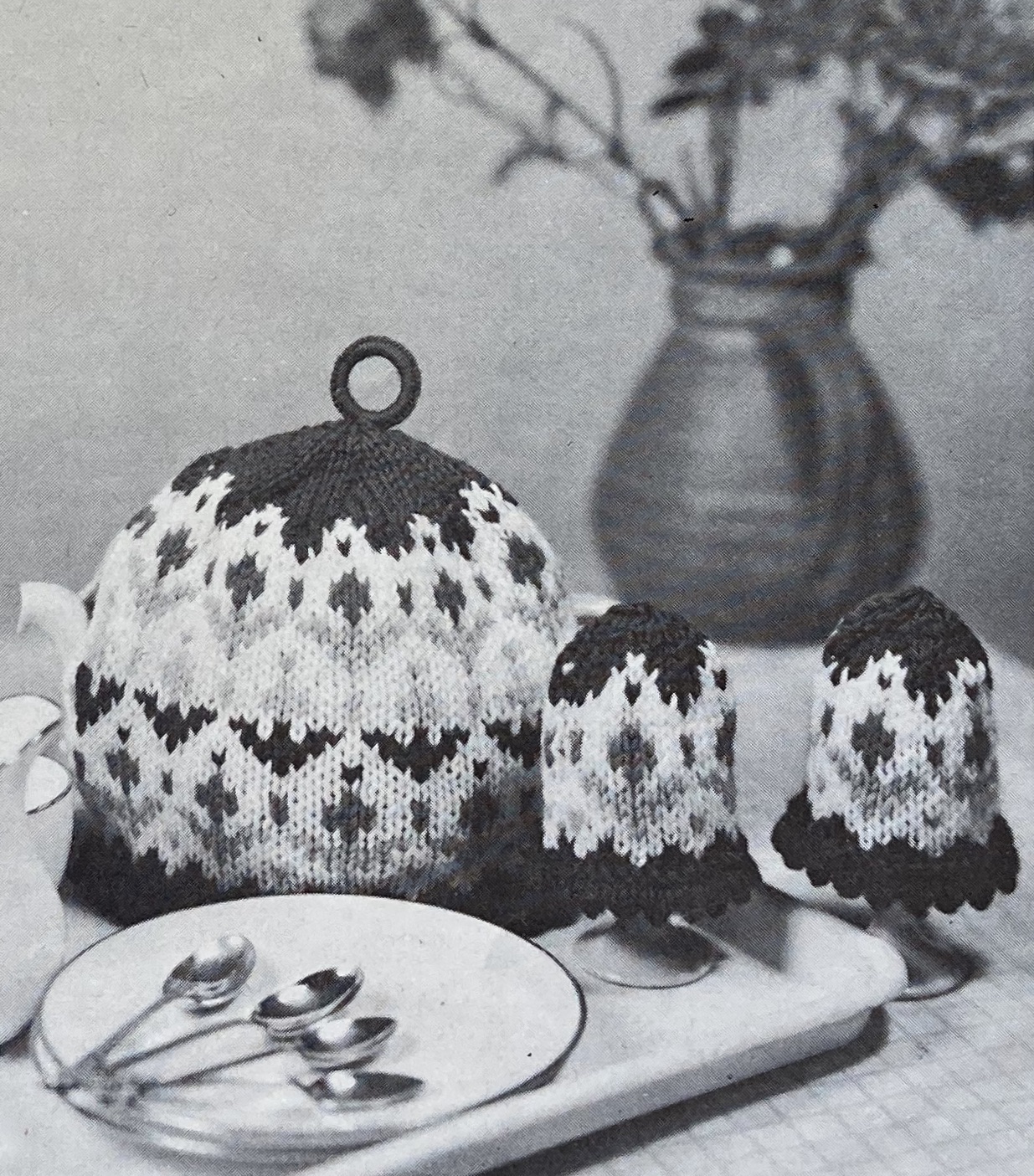
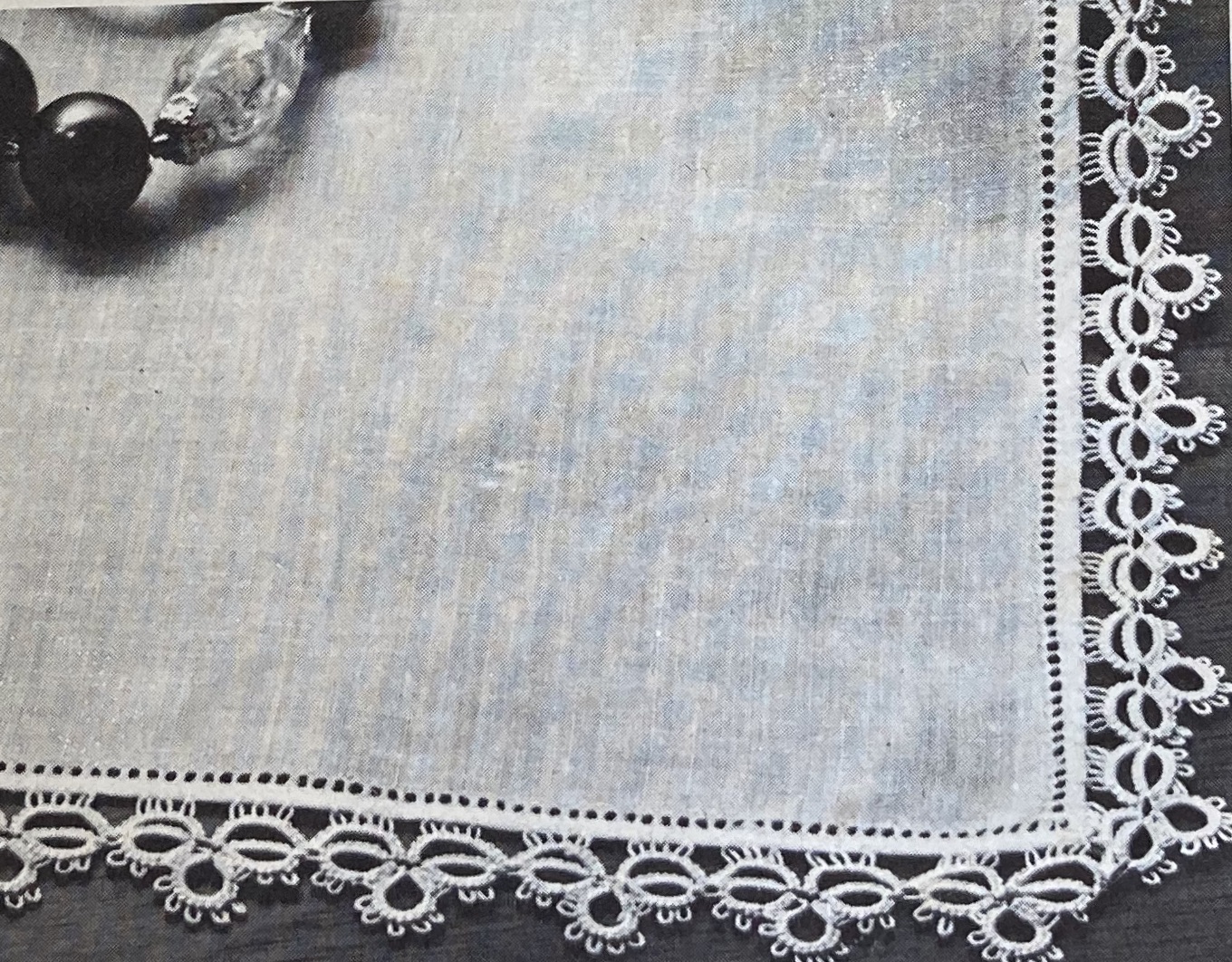
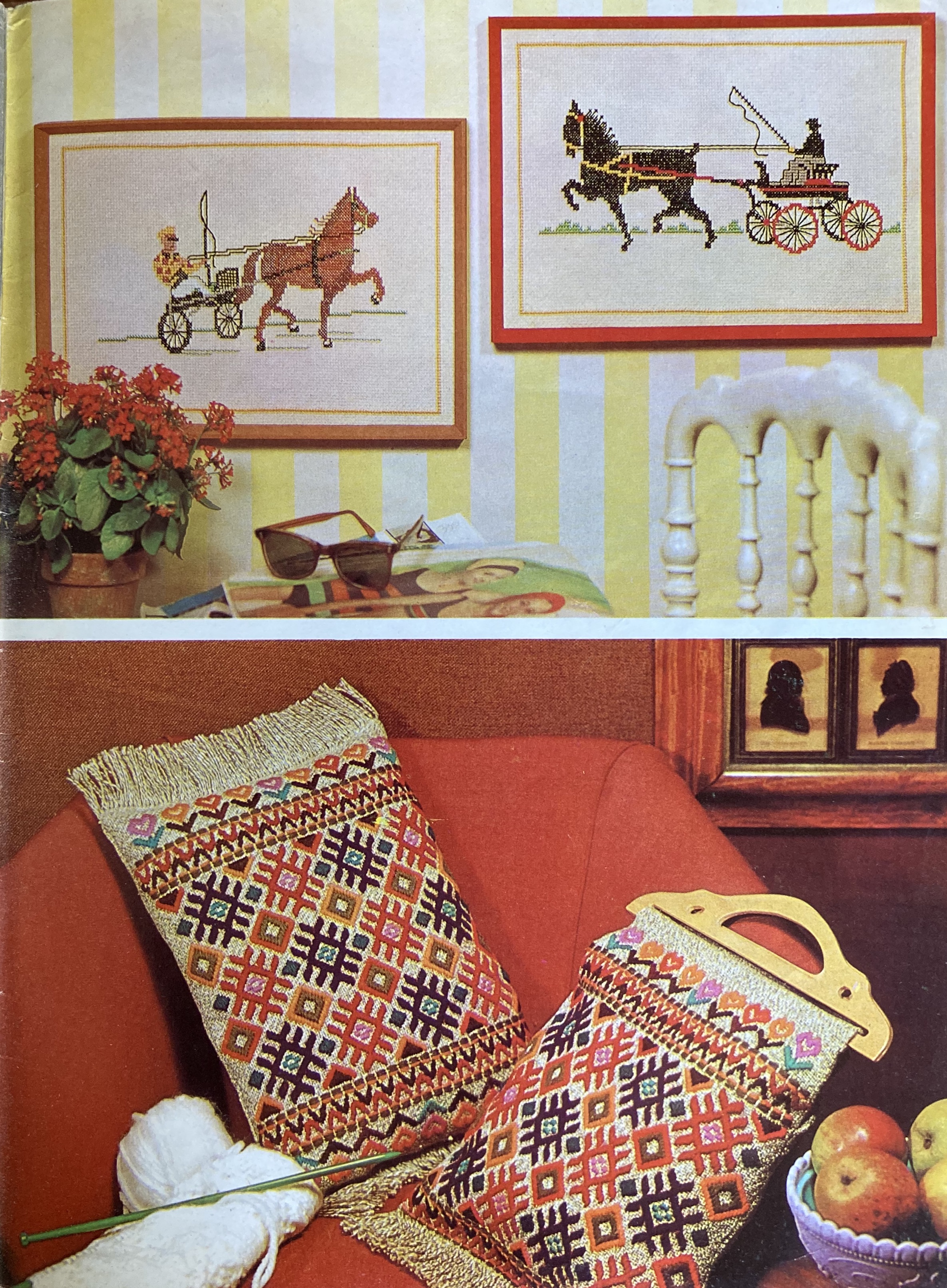
While sitting and sunning at the beach, you can work on an easy homeware project, such as a cross-stitch cushion, a knitted tea or egg cosy, or a tatted lace edging for handkerchiefs or pillowcases. Even the workbag in Turkish darning would be easy enough to work on while on holiday, though the Victorian-esque horse-and-buggy cross stitch picture, the needle etching, and the crocheted rug are presumably easier to work on at home.

That’s it! Summer issues are usually less exciting than autumn and winter, as many people (understandably) don’t like to hold wool in their hands in hot weather. As with many of the mid-1960s issues, there’s nothing in here that particularly speaks to me, so my June project will be another “excursion”, this time all the way back to the 1920s. The project is almost finished (unlike my April and May blog projects…) so I’ll be able to put out a finished project post in time for once, even if it’s neither from Stitchcraft nor from the 1960s. Think of it as a holiday from the usual blog theme.

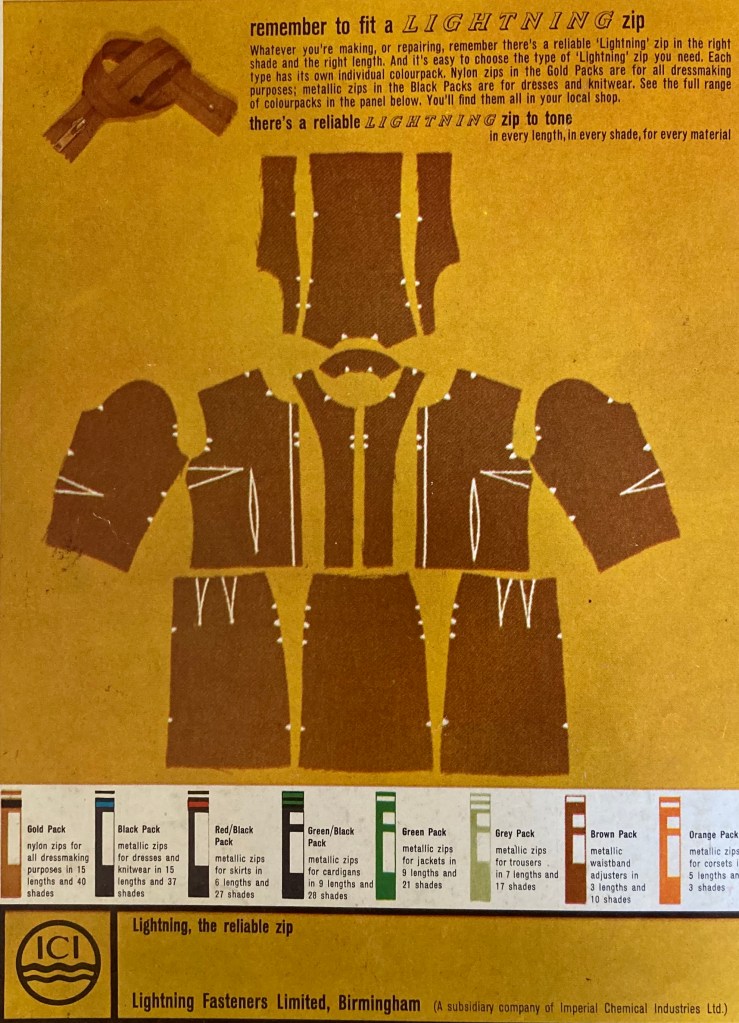
P.S. The back cover is a full-page ad for “Lightning” brand zips and and is illustrated with a very professional-looking pattern for a suit! I am tempted to size it up and sew it. Here it is for any readers who would like to try their hand at it.

June 1963: Overview

Cover photo from Stitchcraft magazine, June 1963

“Light & Airy” is the theme of the June 1963 issue, with short-sleeved 4-ply knits as well as bulky items made in fluffy, lighter wool/synthetic blends. June is also the beginning of the holiday season, “where the emphasis to-day is so much on the active side and casual look — sailing, rambling and of course, so much travelling” (Patience Horne, “Editress”). Accordingly, many of the projects are easy, quick and/or small, to be finished before the travelling starts or suitable for working from your deck-chair.

In her introduction to this issue, Editress Horne also has a “special word for older readers”:

Remember that top models all come in the young age groups, but many of our designs, though often photographed on young models, are very suitable for older women, and often, a sweater with a long line, can be shortened without difficulty, for the more mature figure.

Graphic of a dandelion with the words "Light & Airy"

The 1940s and 1950s issues of Stitchcraft did have older models from time to time, usually modelling the designs intended for those “mature figures”. The 1960s issues often have plus-size designs and models, but they are indeed all on the younger side. I assume this had to do with the target demographic slowly moving from young working women and older matrons after the war, to young(ish) mothers of future Baby Boomers in the later 1950s and 1960s.

Anyway, on to the designs! The happy holidaying couple can make matching cardigan jackets in lightweight-but-bulky “Ariel” yarn when they play tennis or go “strolling and sight-seeing.” Diamond and zig-zag patterns make a showing in stranded colourwork patterns (the cover blouse), textured stitch patterns (the panelled 4-ply jumper and short-sleeved cardigan blouse) or Swiss darning (the colourblock “playtime sweater” worn by our young drummer.) The same Swiss darning (a.k.a. duplicate stitch) embroidery is used for tiny accents on a casual, collared cardigan.

The youngest of the family get a cute “matinee coat” and/or jacket decorated with regular embroidery, or a sun-suit with matching short-sleeved cover-up. Embroidery is definitely a trend! Collars and neckline finishings can be subtle, non-existent or big and bold, as seen on the woman’s cardigan and this men’s casual, tweedy shawl-collar number.

The homeware projects are all fairly simple and versatile, one design being suitable for different types of project, but some are too large to want to take along on holiday. There’s a tablecloth and/or chairback with cutwork ivy design, a rose motif apron and/or cushion, and a Victorian-inspired cushion and/or stool seat in tapestry and/or cross-stitch. Pick your combination!

The outdoor cushions with sea motifs are a good summer-themed project, or you can preserve your holiday memories in a needlepoint picture of Lynmouth. There’s also a cross-stitch rug for a larger, at-home project.

With so many interesting ideas to choose from, I’m sure nobody’s holiday will be too relaxing, ha ha. I am undecided about what project to make. I am so far behind and have so many unfinished projects! At the same time, there are too many projects from this issue that I would like to make. I could genuinely use a new cardigan and the embroidered one with the big collar is just my style… but where will I find the time to make another full-size adult garment? The same goes for the short-sleeved cardigan blouse and the panelled diamond-stitch jumper. The baby coat or cardigan would be practical for using up stash and might actually be done quickly enough, so that might be the best choice. Stay tuned!

August 1962: Overview

August is the end of the holiday season at Stitchcraft, featuring transitional styles for the cooler days of September as well as a few more small, easy projects that can be worked on from the deck chair or picnic table. The “Contents” column on the facing page divides the adult garment patterns into the categories “First Autumn Fashions” and “Continental Designs”.

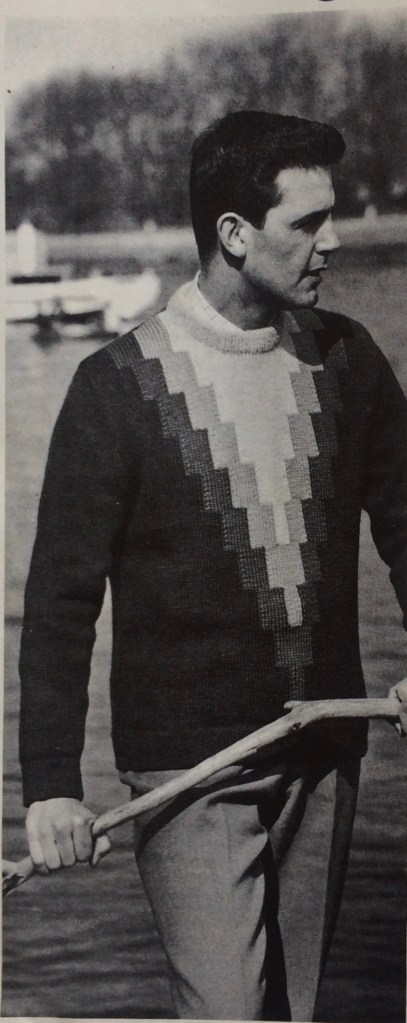
The “Continental Designs” comprise a colour-block pullover for men “from Vienna” in graded shades of green, a simple cap-sleeve, T-shirt-style jumper with a little Norwegian motif, and an “Italian design for late Summer” with bands of red and black intarsia in a diamond pattern. I wish they had used these for the colour photos instead of the bland white pullover on the inside front cover!

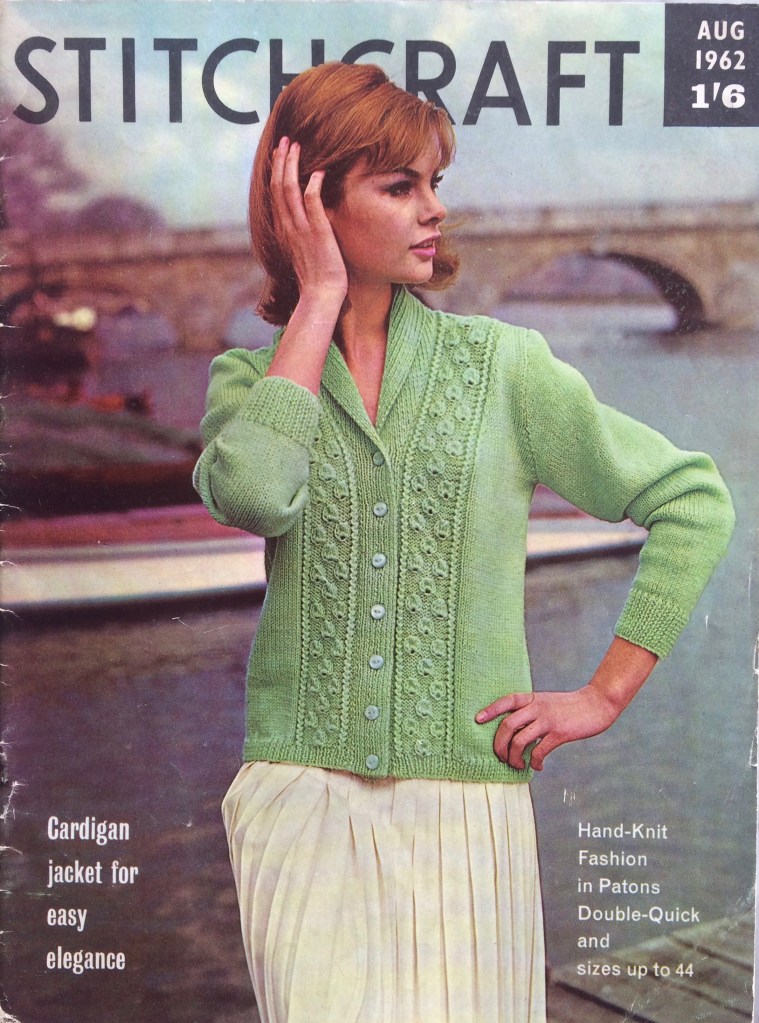
Loose-fitting, casual shapes and light, sunny colours dominate, exemplified by the apple-green cardigan, collared shirt-sweater and boatneck twin-set on the front and inside covers. Notice how much less fitted the August 1962 twin set is than, for example, this one from August 1960, not to mention earlier twin-sets from the 1940s and 1950s. The concept lives on, but the line has changed completely. Everything is hipbone-length with no or hardly any shaping.

Babies get a standard, but very pretty, lacy matinee coat and bootees, the “smart teenager” has a machine-knit pullover, and her little sister gets a “gay Rimple design” in the still-popular knitted terry-cloth look, so the whole family is taken care of.

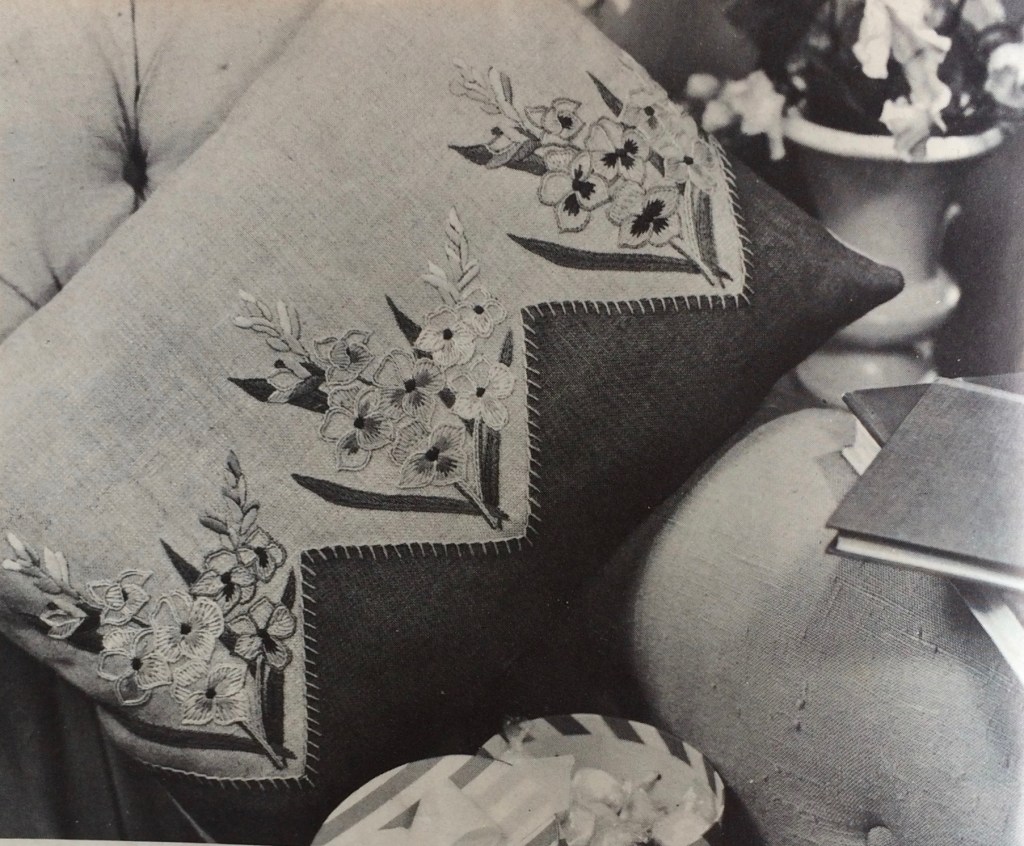
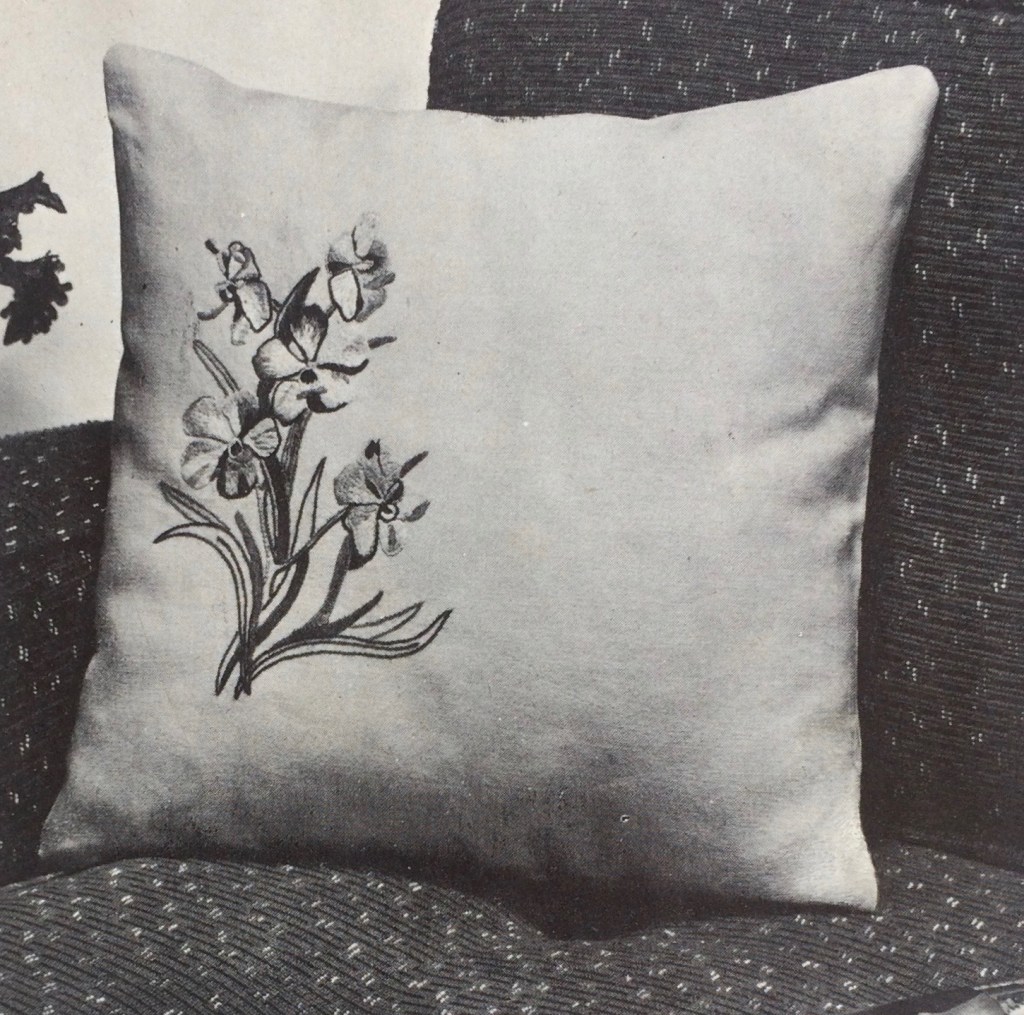
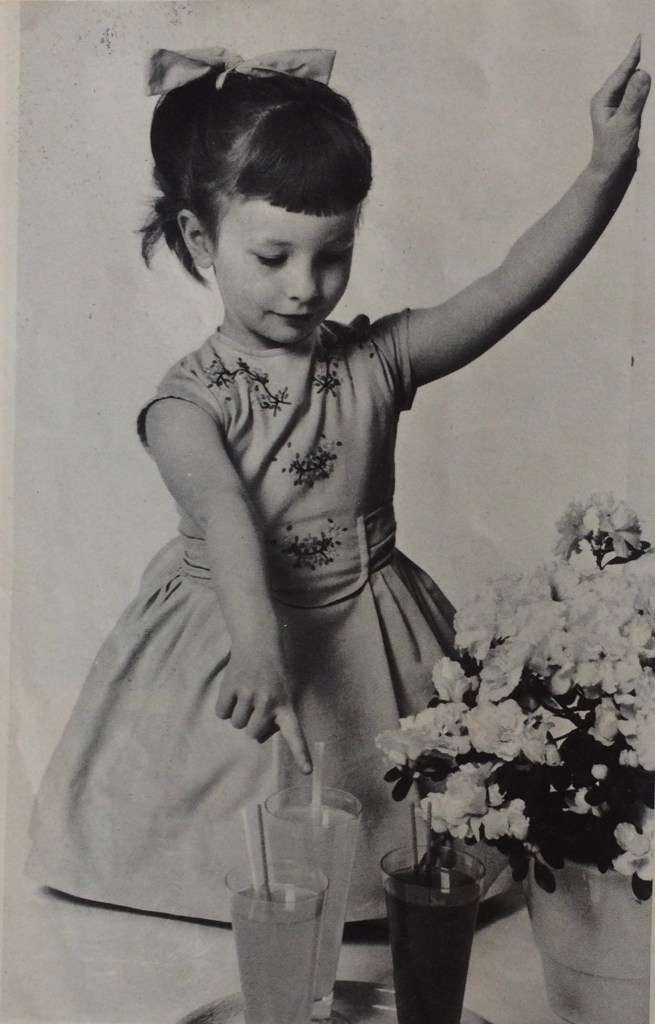
Homewares are always big in the summer months, when many readers understandably didn’t want to hold bulky warm wool in their hands in hot weather. The bedside rug is obviously an at-home project, but the smaller projects could easily be taken along on a holiday. This month’s flower in the gladiolus, but there’s also an orchid spray and some forget-me-nots, along with two sewing patterns to embroider them on: a round baby shawl or this wonderful little girl’s dress. For once, you don’t even have to send away for the patterns, as they are geometrically quite simple — the shawl is just a circle, drawn directly onto the fabric with a pencil held on a length of string, and the dress is made up of rectangles with measurements given. I would love to make the dress! I just don’t think it would get worn, since it would only be for “dress-up” occasions, of which there aren’t going to be any for a while.

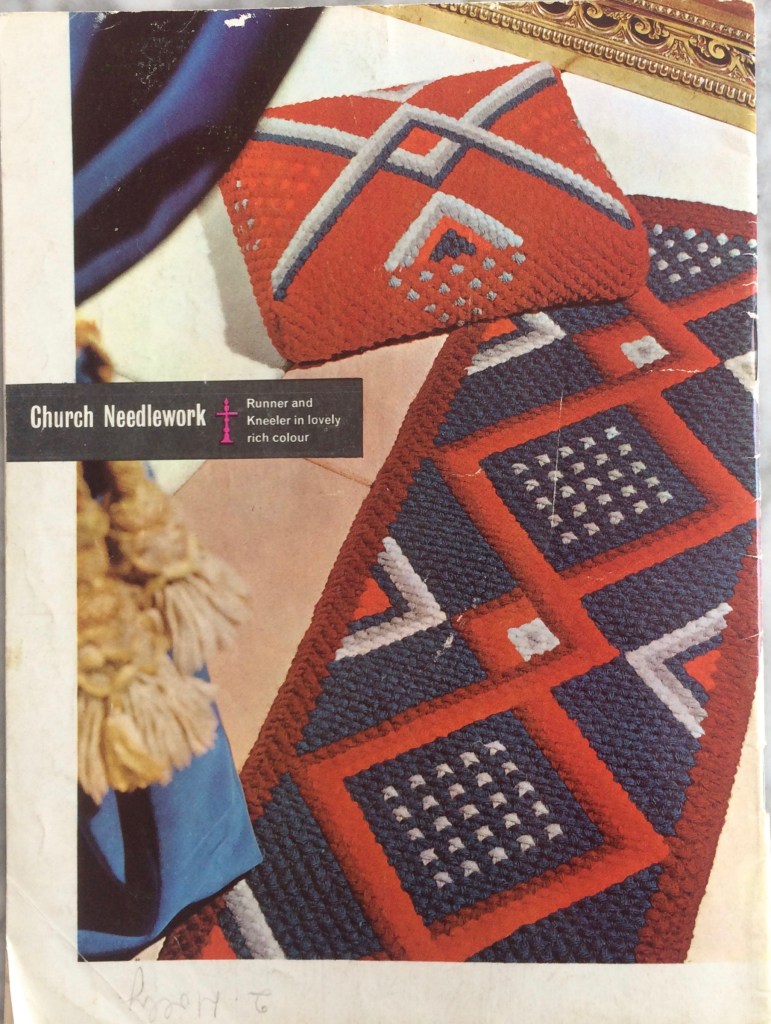
The back cover shows an interesting feature which took shape in the early 1960s issues: tapestry projects specifically for church use. In this case, there’s a runner and kneeler in shades of red and blue. If anyone happens to know why or if these colours or this pattern are significant in whatever type of Christian tradition, please feel free to tell me, as I don’t know anything about it. The rug, especially, does not say “church use” to me in any way that I can recognise and I could just as easily see it in a normal hallway.

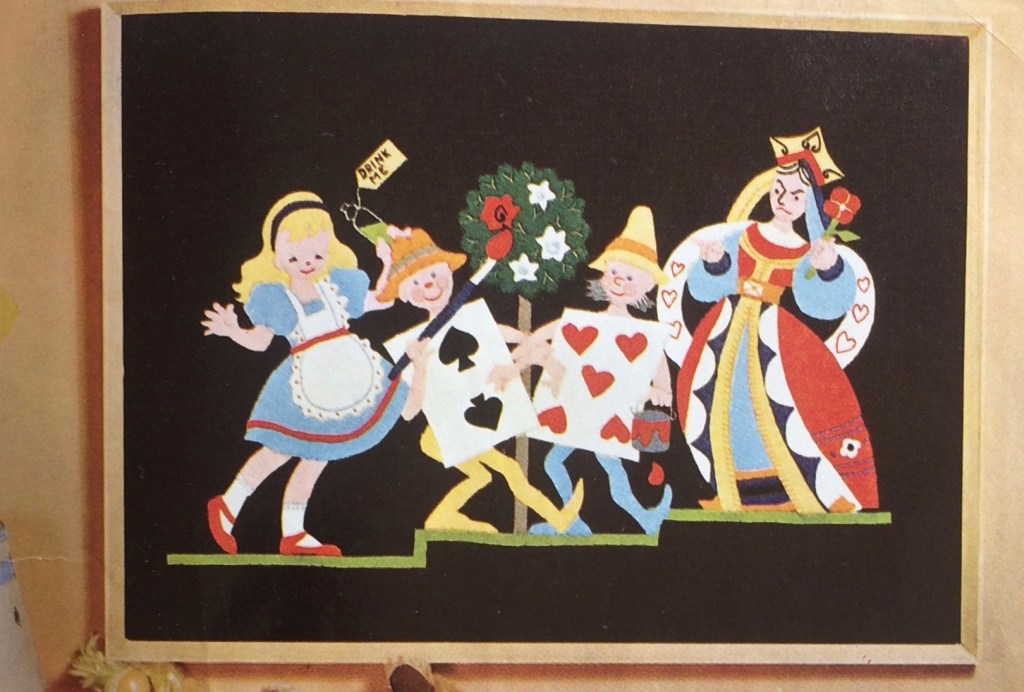
This issue doesn’t stop! The “Readers’ Pages” offer two more very simple projects: a reprint of a young man’s waistcoat from 1957 and a stash-busting baby blanket from double crochet hexagons. And just when you think you’ve come to the end of the issue, here’s this incredible Alice in Wonderland-themed wall hanging in felt appliqué and embroidery:

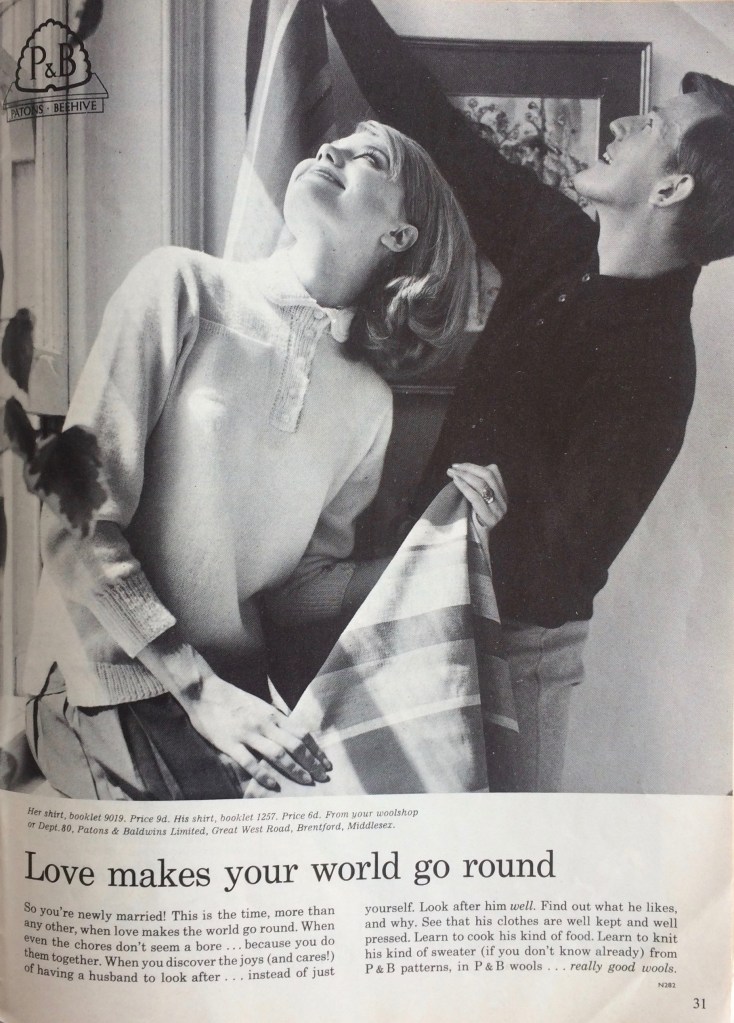
I’ll close with this full-page ad for Patons & Baldwins wools, showing a newly married couple decorating their home. The happy bride is instructed to

Look after him well. Find out what he likes, and why. See that his clothes are well kept and well pressed. Learn to cook his kind of food. Learn to knit his kind of sweater…

While I’m certainly not surprised that a 1962 advertisement would speak to women like that, I do find it interesting to compare the early and mid-1960s ads — which take on this type of “you exist to please your man” language more and more throughout the years — with those from the 1950s issues, with their much more independent picture of womanhood. Many of the knitting patterns in the earlier issues are explicitly designed “for the office” and most of the advertisements portray women living active, interesting lives in their comfortable shoes and unbreakable skirt zippers. In the wonderful tampon ads (that sadly disappear around the late 1950s), they don’t even let “problem days” stop them from doing anything! In contrast, the full-page P&B ads starting up around this time always feature a man or child with the woman in question and the text is inevitably some variation on “you must do this to please your man.” I had always thought of the 1950s as being a much more repressive time for women that the 1960s, when roles began to change, but judging from Stitchcraft (which, to be fair, is quite conservative both fashion- and otherwise), the earlier part of the decade is more of a backlash than a progression.

I don’t know what project to make from this issue and I still have so many WIPs, both for this blog and otherwise. Maybe a nice, easy flower embroidery on a vegetable bag?

July 1962: Overview

Cover photo from the magazine showing two women and a male waiter drinking cocktails.

Holiday and party seasons are both in full swing in Stitchcraft’s July 1962 issue and the more I look at this cover photo, the more I love it. Note how the foreground model is staring off into the distance while sitting on a table with a compass printed on it, as if fantasising about her faraway holiday (though, if she’s on holiday already, as the picture is implying, does that mean she can’t wait to get home?). Meanwhile, it’s a good thing that our flirty tuxedoed waiter’s drinks tray is empty, with that precarious balancing act. If anyone feels inspired to creatively augment this photo with speech- and thought-bubble captions, please do and share it with us!

Colour photo from the magazine showing a modeled, knitted ensemble and blouse

In keeping with the easy-going, summer holiday theme, the knitting projects are simple and quick to make. The two illustrated on the cover have no sleeves, minimal shaping and patterning, and are made in quick double knitting wool. Although pictured as stand-alone tops, they could easily be layered over a blouse on cooler days. There’s also a simple blue blouse with loopy flower details on the collar and a striped, sleeveless tunic-blouse with matching skirt, all in 4-ply wool. Our waiter from the cover photo has found another holiday-goer to flirt with, and sports a “Casual Italian design sweater” in the same colour as her skirt: “Water Green.” (Holiday tip: if the water actually is that colour, don’t drink it.) Speaking of Italy, doesn’t that beautiful model in the collared blouse look like she just stepped out of a Fellini film?

For cooler days, there are cardigans in “golfer” or classic, slightly bobbled styles, both made in double knitting. The golfer takes her sport very seriously! Knitters who are really in a hurry to get packing can make some simple, bulky pullovers for the kids in the family (shown here building a lovely British castle out of cardboard and sand in the Patons photo studio — I am guessing everyone had a lot of fun on this issue’s photo shoots) or a fine-knit slipover in honeycomb pattern, written for a home knitting machine.

The embroidered homewares are mostly easy and predictable: a chairback with this month’s flower, the carnation; a quickly-made “gay garden cushion” (Happy Pride!), and place mats with heat-resistant cork inserts. There’s a tapestry stool and/or project bag in Florentine pattern, knitted or crocheted cushions, some fancy knitted doilies and a trolley cloth from crocheted motifs. I didn’t photograph all of them, since they’re pretty standard fare.

For those who like to immortalise their holiday paradise in tapestry, there’s a wall hanging of the village of St. Etienne de Bougary in the lovely French Pyrenées. For your outing to that very inviting-looking lake, you can sew you own beach bags and/or an appliquéd blanket-towel-baby’s-playmat for outdoor lounging. The beach bags feature adhesive plastic lining to keep wet bathing suits from leaking into the bag. Smart and easy, indeed.

I’m kind of ambivalent about making a project from this issue. The only thing I could really use is the bobbly cardigan, but it’s not exactly necessary, and the only design that I find exceptional is this crocheted blouse (worn by my favorite Stitchcraft model, who featured in a lot of the mid-and late 1950s issues). Model and blouse are both beautiful, but the blouse is way beyond my limited crochet skills. I wish I had the “Traditional Norwegian Designs” booklets from this ad! I think I’ll take the time to finish up another long-standing WIP instead.

June 1962: Overview

Holiday season is in full swing in this month’s issue, with featured photos taken in pretty villages in and around Buckinghamshire and Kent. All the projects are easy and fairly quick to make, and even the fit is relaxed: the close-fitting, waist-length jumpers that were still more or less in fashion in 1960 and 1961 have now completely given way to loose-fitting, hip-length sweaters and blouses. I could use some relaxation, couldn’t you? Let’s dive in… gently.

The cover sweaters check all the 1962 trend boxes: loose, easy pullovers for “him and her” in sunny lemon yellow with interesting stitch textures and contrasting collar-and-cuff accents. Soft yellows, pastel shades and white show up again in the more glamorous “holiday sweaters” made with Patons’ Fuzzy-Wuzzy yarn (55% angora, 45% wool), as well as the women’s 4-ply “golfer style” cardigan (in “gay turquoise” and white 4-ply) and men’s “shirt-style” pullover in presumably light beige “Palomino” colour with contrasting collar.

The other garments are all photographed in black and white, but the yellow/pastel/white and contrasting accent trends are clear from the colour names of the yarns: the pretty “Junior Miss” cardigan is knitted in 4-ply Nylox “Sunglint” (the same colour as the cover sweaters), the “afternoon style” blouse is “Bois de Rose” pink and the bulky, textured Big Ben sweater is “Spring Green” with a white collar.

The smaller children of the family need something fun and easy for holidays too, of course, so here are some “seashore sets for toddlers in the swim.” They’re made in Nylox (80% wool, 20% nylon) and I don’t think they would be suitable for actual swimming, but definitely cute for playing around on the beach and splashing around.

With all these lovely things to knit, it’s not surprising that the homewares section is a little boring. Fittingly enough for June, this month’s flower is the rose, featured in a pattern for a “finger panel” to attach to a door. Readers, you have been so helpful in the past with solving mysteries for me, so i ask you: Why a finger panel? It seems to be used to keep the door clean from grubby handprints, which I can certainly understand in a family home, but I don’t see why it would be easier, or preferable, to wipe those grubby prints from an embroidery panel mounted under acrylic glass than to just wipe them off of the door. What do you think? Am I missing something here?

Otherwise, we’ve got some Scandinavian tapestry cushions, a “modern” (geometric and also Scandinavian design-inspired) hall runner rug, a more complex cross-stitch tablecloth (white and green on yellow linen, to match your yellow sweaters), some unspectacular oven mitts and some genuinely cute table mats in appliquéd and embroidered felt.

I feel more relaxed already, don’t you? There’s nothing from this issue that particularly inspires me and I have many WIPs to finish up, so my June project will be a “Blast from the Past” featuring a wonderful twin-set from a 1947 issue of Stitchcraft.

Out of Order: Beach dress, June 1961

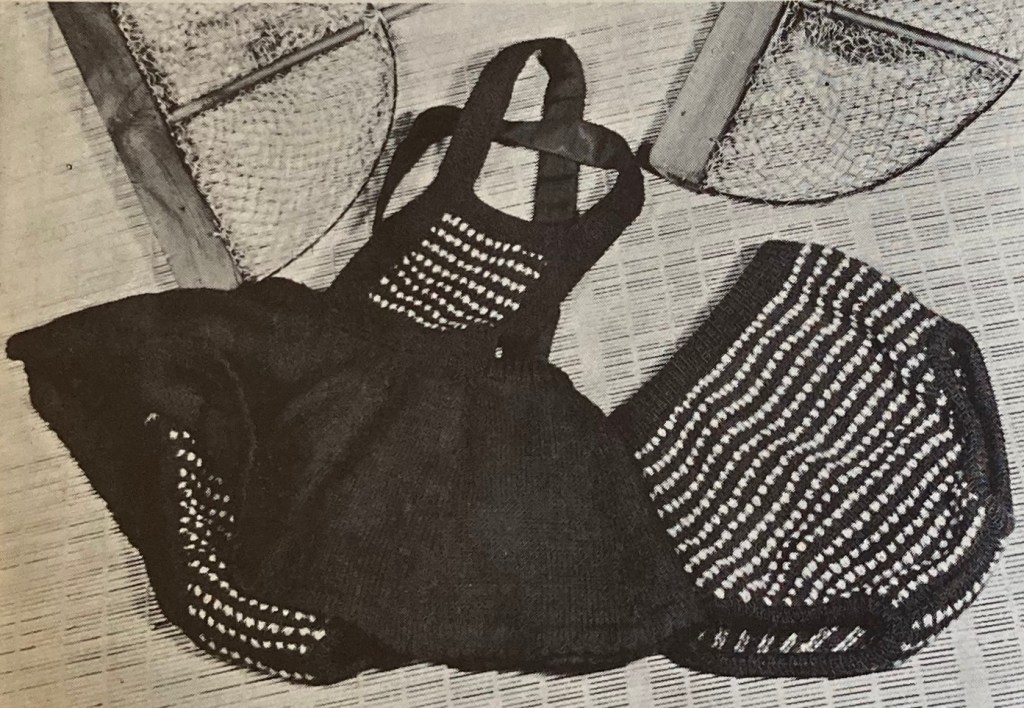
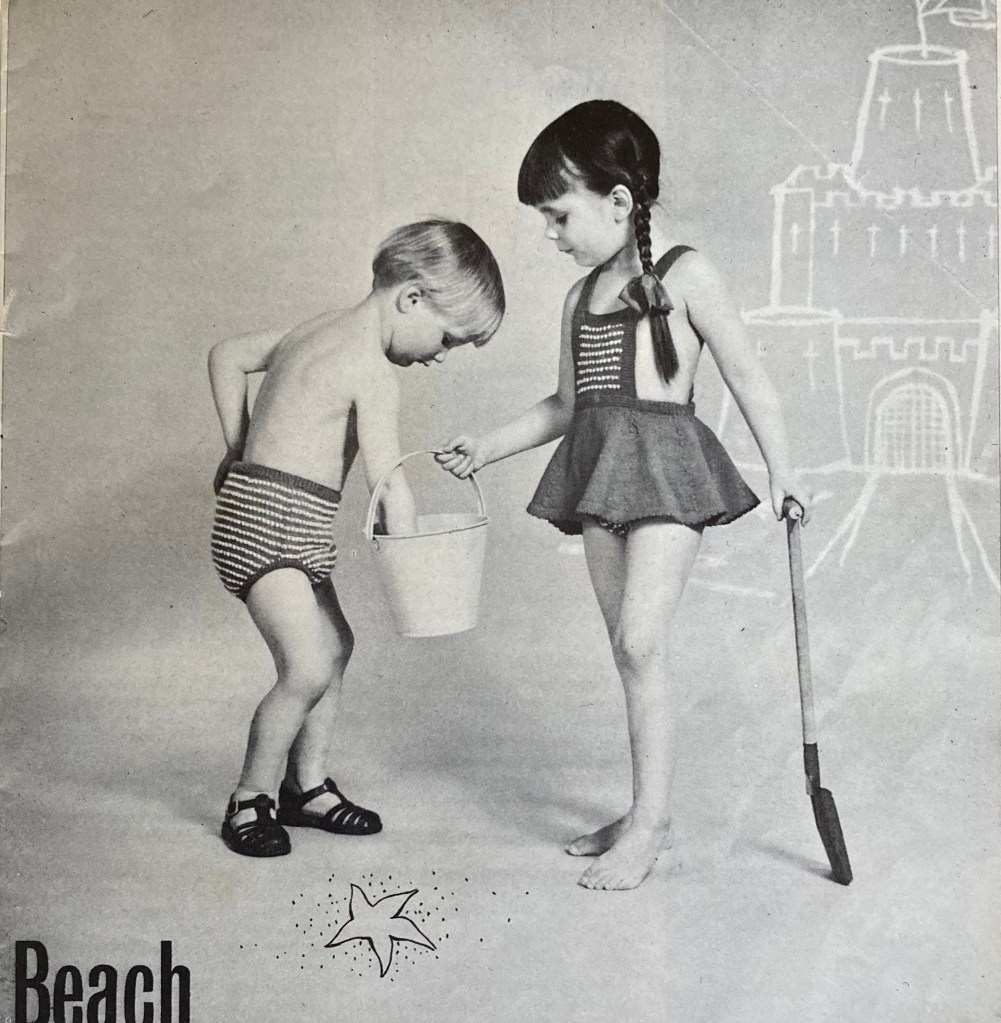
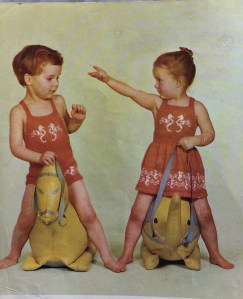
IMG_2566June 1961 was the issue with too many great projects in it and not enough time to make them all. My “official” project was this wonderful knitted blouse  which took up the whole month, but there was also a very intricate appliquéd and embroidered cushion that will probably become a long-term learning experience project, as well as a great beach dress for a small child. Summer is waning, but I got the beach dress done.
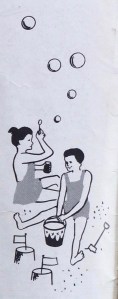
There’s so much I love about this design: the sea horses, the buttoned straps in the back, not to mention the ridiculous poses and strange inflated? stuffed? animals that the kids in the photos are riding. Also: illustrations in the magazine, done by hand, with bubbles.IMG_2566 2

The pattern is for a 23-24 inch chest, with an 8 1/2 inch long skirt. The child I knit it for is a little thinner, but taller, so I made the width from the pattern and added 1 1/2 inches to the skirt length and made longer straps with multiple buttonholes for different length options/growing room.

Version 2I decided to make it in cotton instead of Nylox (Patons wool-nylon mix from the 1960s) or a modern equivalent. It is always, always a problem to find non-mercerised cotton that is fine enough to give 7 stitches to the inch. Thick, mercerised dishcloth cotton is always available, mercerised crochet cotton is always available, but what passes as 4-ply or  fingering weight non-mercerised cotton is just too thick. I decided on Natura “Just Cotton” which is non-mercerised, soft, pretty and supposedly free of harmful substances (Oeko-Tex certification). The label says it gets 27 stitches in 4 inches but that is illusory. The yarn is 8-ply! I don’t know why they don’t use 4 strands, thus making it a true 4-ply fine cotton for soft, light garments. I got 6 1/2 stitches to the inch with some effort, but the resulting fabric is a bit stiffer than I would have liked.

On the first try, the first ball of turquoise ran out shortly after the bottom sea-horse band and I was worried that I wouldn’t have enough, so I started over and made the skirt less full. Of course, the skirt lost a lot of its swing and I ended up with a ball and a half left over at the end… I used some of the rest to make a little kerchief that the kid can wear on her head for extra sun protection and cuteness. Let’s just hope it stays warm enough for her to still wear it this year.

July 1961: Overview

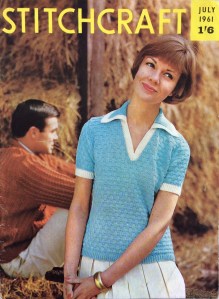
IMG_2650The motto of the July 1961 issue is “Sew through the Summer” and indeed, there are a lot more sewing projects than one would normally find in Stitchcraft, summer being a time when many people do not want to hold wool in their hands or think about colder weather to come. There’s more emphasis on homewares and small, fun projects to make and use on holiday. The farm photos were taken in Hertfordshire and the boating photos in “the heart of London’s Little Venice”. Doesn’t that sound like fun? Let’s dive in!
Our cover photo, taken at the Hertfordshire farm, featuresIMG_2654 a really pretty basketweave blouse with that V-neck-plus-collar design that we saw so much of in 1960 and the last years of the 1950s, not to mention just last month on the cover of the June 1961 issue. Personally, I love this style and I’m glad it stayed in fashion for so long. Except for the basketweave, this top is very similar to the blouse I made from the July 1960 issue, and probably not the last one of its kind that we’ll be seeing.

The other summer garments for adults are “cool in 3 and 4 ply” tops for women — one of them machine knit — and for boating or cooler outdoor nights, there’s a cardigan in double-knit Rimple, a little short-sleeved jacket in bulky Big Ben, or a man’s sweater in larger sizes in Totem double knitting. The cardigan “does duty as a sweater”.

On that note, a quick quiz:

  • What is the difference between a jumper and a sweater? (Hint: this is a British magazine that uses both terms, so “jumper is British and sweater is American” cannot be the only answer.)
  • If a jumper is a pullover in a lighter weight/more dressy style, and a sweater is bulkier/warmer/more casual, why is the elegant, fine-knit short-sleeved top on page 12 a jumper (top left photo above), the elegant, fine-knit short-sleeved top on page 13 a sweater and/or shirt (top right photo above), and many elegant, fine-knit short-sleeved tops from other issues considered to be blouses?
  • On that note: Why can a cardigan double as a sweater, but not a jumper?
  • Bonus question 1: What is the difference between a cardigan and a jacket? (Okay, this one is easier.)
  • Bonus question 2: Is the blue-and-white garment on the front cover a jumper, a sweater, or a blouse?

The answer to the first two questions is, as far as I can tell, that there is no answer. “Jumpers” per Stitchcraft tend to be long- or short-sleeved, fine-knit, elegant pullovers, while “sweaters” per Stitchcraft tend to be bulkier, more casual, long-sleeved and looser-fitting pullovers, but every time you think you’ve figured out the system, they use the word you wouldn’t expect. “Blouses” tend to be, logically enough, tops (either pullover or cardigan style) that one would wear with only undergarments underneath, and put a suit jacket or other overgarment over. Following that logic, I guess the cardigan on page 21 does duty as a sweater and not a jumper because it is warmer, heavier and meant to be worn outside without a coat and with a blouse or something underneath it. Still, there is no real consistency that I can see. I would love to be able to ask “editress” Patience Horne what system she used.

For the smaller members of the family, there’s this lovely baby’s dress, featuring the most absurd baby photo ever (previewed in the June 1961 issue). I still don’t understand just why I find this baby so goofy. She is utterly cute but somehow, her face is too old for her. That combination of lots of hair and the knowing, watchful look in her eyes makes her look like someone pasted a grandmother’s head on a baby’s body. Anyway, the dress is wonderful. Older girls get a striped jumper with a collar and “gay bobbles” to tie the neck. Let’s hear it for gay bobbles! I’m not sure what today’s 6-, 8- or 10-year-olds would think of the bobble ties, but I think it’s a cute jumper.

The emphasis of this issue is on easy-to-make, no-stress homewares, starting with felt place mats and coasters appliquéd and embroidered with traditional inn signs. Make them for your Pride celebration, for they are “as gay as possible”! Fans of easy embroidery on canvas can make a cushion with purple thistle flowers in cross-stitch or bathroom accessories featuring this month’s Zodiac sign, Cancer. I don’t know about you, but I don’t want to step on a crab, even if it’s only a cross-stitch picture of one on a bathmat.

More ambitious embroiderers (I guess Stitchcraft would call them embroideresses) can make a really pretty fire screen with a modern vase-and-flower motif. I wish they had a colour photo. Even more ambitious knitters can make some beautiful lacy doily mats, and those who prefer to “sew through the Summer” can make a little laundry bag for used dusting cloths, or some easy items to sell at the “needlework stall”, church bazaar, etc. There’s a tea cosy that looks like a cottage, a beach bag with penguins, or an apron with a teakettle pocket.

I am woefully behind on projects, having not even finished my supposedly quick and easy blouse from June 1961, and with two other projects from that issue (the child’s beach dress and the embroidered-appliqué bird picture) still “in the queue”. But someone is always having a baby and that little dress is really sweet and should knit up quickly, so I’ll probably make that and try to work on the remaining June projects at the same time.

  • Bonus Answer 1: A cardigan definitely has buttons/fastenings and a knitted jacket often doesn’t. Unless it’s a suit jacket, then it does. Or whatever.
  • Bonus Answer 2: The garment on the front cover is a “cool, casual shirt-sweater”.


June 1961: Overview

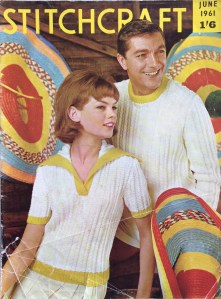
IMG_2563I love this cover. The yellow stripes on the hats, the yellow trim on the sweaters and the yellow sans-serif lettering all harmonise perfectly with the off-white garments in the center focus. Even the models’ hair colour looks like it was chosen to match the wooden wall. And we can see that typical 1960s hairdo coming into fashion, with more volume on the top and curled ends.

The rest of the photography in this issue is amazing as well. Let’s start with little Georgina in her beach dress, striking a Napoleonic pose from the back of her inflatableIMG_2566 elephant! The dress is totally cute and definitely on my project list for this month, for my friend’s kid who just turned three. Those are seahorses, in case that wasn’t clear (the ones on the front panel of the dress and matching sunsuit look weird to me — I think I’ll fill in the bodies to make the shape more clear.)  The sunsuit and dress are made in wool-nylon blend Nylox, but I’ll be making the dress in cotton.

IMG_2585(Speaking of tiny children in goofy poses, am I the only one who finds this advertisement for next month’s Stitchcraft strangely funny? What is it about this baby that comes off looking so weird? Too much hair? The quasi-adult-looking face? The indescribable expression?)


Back to this month’s issue, somewhat larger children can get a pretty summer dress with an embroidered yoke. It wasn’t necessary to order a sewing pattern, as the skirt of the dress was really just a square with a little cut-out (shown with scaling grid in the issue) and the yoke outline was included with the embroidery transfer. Larger children than that (age 6-10) get a warm “Continental playtop” with a big collar in double knitting.


Big collars are still fashionable for adults, too, as we can see from the women’s version of the cover sweater or the “Husky Sailing Sweater” in bulky Big Ben wool. White or off-white and yellow are trending colours. The men’s garments both have round necks — I’m guessing designers assumed men would be wearing collared shirts under their pullovers no matter what they were doing, and “layering” big collars over each other didn’t happen until the 1970s. For warmer days or more elegant occasions, there’s a short-sleeved cardigan-jumper in 4-ply and a lacy cap-sleeve top in 3-ply wool. The cap-sleeve top is yellow and the buttoned blouse has a collar, so we’re right in fashion here too.


Homewares are fantastic this month as well, starting with some really easy garden cushions (padded with plastic foam to try and make them more damp-proof). We are still  in the year of the embroidered Zodiac signs, and June brings us a Gemini-themed beach bag.


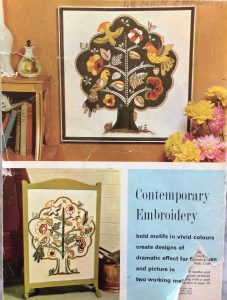
IMG_2625And then there’s this incredible birds-in-a-tree number, to be worked either in wool on linen for a firescreen or in felt appliqué with wool embroidery on linen for a picture. I’m normally not so crazy about 1950s and 1960s neo-Jacobean designs, but I love this one and definitely want to make the felt appliqué version as a cushion (with a more greeny green for the tree and not quite so much brown-orange-yellow in the appliqué work.) I imagine it might be tough without a transfer, but they gave us two very clear photographs including one in full colour, so what could go wrong?

IMG_2588Last but not least, there’s a lovely, elegant two-piece suit in nubbly Rimple double knitting wool, featured in the most magnificent photo I have ever seen in any magazine, ever. If I remember correctly, I saw it in one of those Internet lists of “best/worst/weirdest knitting pattern photos” long before I started collecting vintage patterns. It’s definitely at the top of my list and if you haven’t seen it yet, you saw it here first!
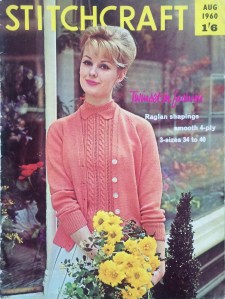
There is nothing I can possibly add to that, so I’ll just get to work on that cap-sleeve jumper… and the little girl’s beach dress … and the garden cushions… and the Jacobean appliqué… Happy June, everyone!

August 1960: Overview

IMG_1942August is a weird month for knitting, as it’s often too hot to hold wool in your hands and hard to believe that autumn is around the corner. Appropriately, this month’s issue features easy embroidery and homewares, and seems to have fewer items than the average winter or “spring holiday” issue. But before we get into the contents, can we stop to admire this beautiful twinset on the front cover? I have been looking forward to making it since I started this blog! So much that I don’t care if the heat wave ever ends, or if I won’t be able to wear it until January. I am going to make it and love it.

We’ve got a few pieces in bulky Big Ben wool, which seems an odd choice to me for summer since it must be quite heavy and hot, even with September and October around the corner. The “slippy” is theoretically good for sailing, though, I’ll admit. A couple of casual sweaters for women, men and children round out the selections, plus a cute little bolero and baby dress for the little ones. Apart from the twinset, it’s basic fare.

The homeware pieces are more whimsical and probably a lot of fun to make. The three different aprons to sew and embroider are styled and decorated so differently that at first glance you would never notice that they are all made from the same fabric pattern. It’s quite a clever design, with a deep pocket in the middle. I imagine it would be just as useful as a “knitting apron” (where you put the working ball of wool in the pocket) as for sewing or kitchen work. The “charming novelty design” with little sewing birds (which remind me of the helpful birds in the Disney Cinderella movie) and the gingham “Briar Rose” are touted as “good bazaar items” and the third option can be made “from oddments”, so they are easy and useful all around.

Little mats for dining, dressing and living room tables can be very easy to make (a simple  hardanger table set with tea and egg cosy, or table mats made of raffia), a bit more elegant (cutwork for the dressing table), or finely knitted (“for the expert, but well worth the time and effort”). There’s a chairback in Assisi work and cushions with traditional designs from Czechoslovakia (still one country in 1960) done in cross-stitch or pattern darning.

The best bits are often in the back pages, and there is a great, short how-to article about making your own embroidery sampler in the “Readers’ Pages” which gives good, concise beginner’s advice on choosing motifs, calculating gauge and placement and choosing stitches. Also, there’s an advertisement for Turabast, which was a brand of ribbon straw popular from the 1950’s to 1970’s. You could knit it up into a stiff, crinkly skirt that was probably very inconvenient to sit in, but had that perfect petticoat look without the petticoat. Ribbon straw is still perfectly available in modern times, but these days people use it for crocheted flowers or home decorations. I haven’t seen anyone wearing an actual garment made from it, but I might try it someday.

My project for this month will be the wonderful twin set from the front cover.


July 1960: Overview

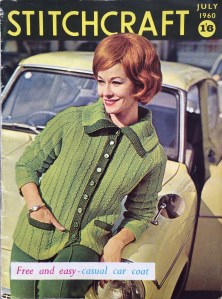
IMG_1879“Free and easy” is this month’s motto. Summer is here and nobody really feels like handling warm wool, so the emphasis is on “travel knits” (lightweight), “casual knits” (not too complicated) and “stroller styles” (loose and oversized). There is more embroidery and needlework than knitwear, and some easy sewing projects. Shall we relax and take a look?
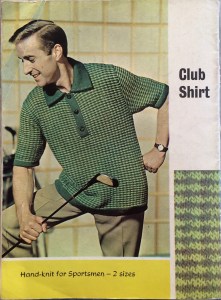
The combination of dark and light green continues to be in fashion: we saw it in the great houndstooth jumper from January 1960 and it’s here again in this “casual car coat” and and the loose-fitting men’s checked shirt style on the inside back cover — “suitable for golf or to wear with beach shorts.”

IMG_1898I have to take a moment here to quote one of my favourite Roald Dahl stories, “The Boy Who Talked With Animals.” It’s about a little boy who saves a giant tortoise from the soup kettle, and Dahl’s description of the tourists waiting on the beach for the caught tortoise to be hauled in has, for some reason, stayed with me through the years:

The men were wearing those frightful Bermuda shorts that came down to the knees, and their shirts were bilious with pinks and oranges and every other clashing color you could think of. The women had better taste, and were dressed for the most part in pretty cotton dresses. Nearly everyone carried a drink in one hand.

I would hope Stitchcraft readers and their men would have had better taste, but I’m not always sure.

The other “free and easy” knits are mostly nice without being really special: a pretty cardigan with knitted-in pearls, nubbly Rimple, a short-sleeved blouse and some cute tops for teenage girls.


The “plus-size” (37-40 inch bust) cardigan blouse is really elegant, though, and has a feature that I have honestly never seen in any other mid-century patterns: short-row horizontal bust darts. But unlike modern methods of short-rowing where the turning stitches are wrapped or otherwise bound up with the stitch next to it, you just cast off the stitches and cast them on again, sewing the dart up afterwards as you would a sewn blouse.  IMG_1895

For the little ones, there’s a sun-suit, a fluffy top, and a waistcoat to sew and embroider. The waistcoat is a tie-in with the current comic, “The Magic Needle”, in which our tailor hero’s magic needle has just made a lovely embroidered waistcoat for Mouser the cat. In addition to the waistcoat, you can sew a stuffed toy Mouser, and while you’re at the sewing machine you can make this adorable gingham skirt to wear “over a frothy petticoat” and an amusing apron “for the needlework stall” (Stitchcraft often gives ideas for inexpensive projects that can be sold at church bazaars or other “sale of work” opportunities.)


IMG_1881You can also embroider a tablecloth, make tea-towels in huckaback, or attempt this fabulous tea cosy and/or evening bag in faux eighteenth-century tapestry. I so, so want to make this evening bag! I would love it and use it all the time. But I am too overwhelmed by the idea of trying to make a chart based solely on the photos — the design is fairly intricate — and having never before attempted tapestry work, I fear it would just be too much for a rank beginner. I will definitely file it away for future days when I know how to approach it better.

That’s it for free-and-easy July 1960! I’ll leave you with a parade of well-dressed cats, courtesy of Mr. Tuckett’s magic needle. My project from this month’s issue will be the lovely bust-darted cardigan blouse, and I’ll try to finish up the projects from April (!) and June.