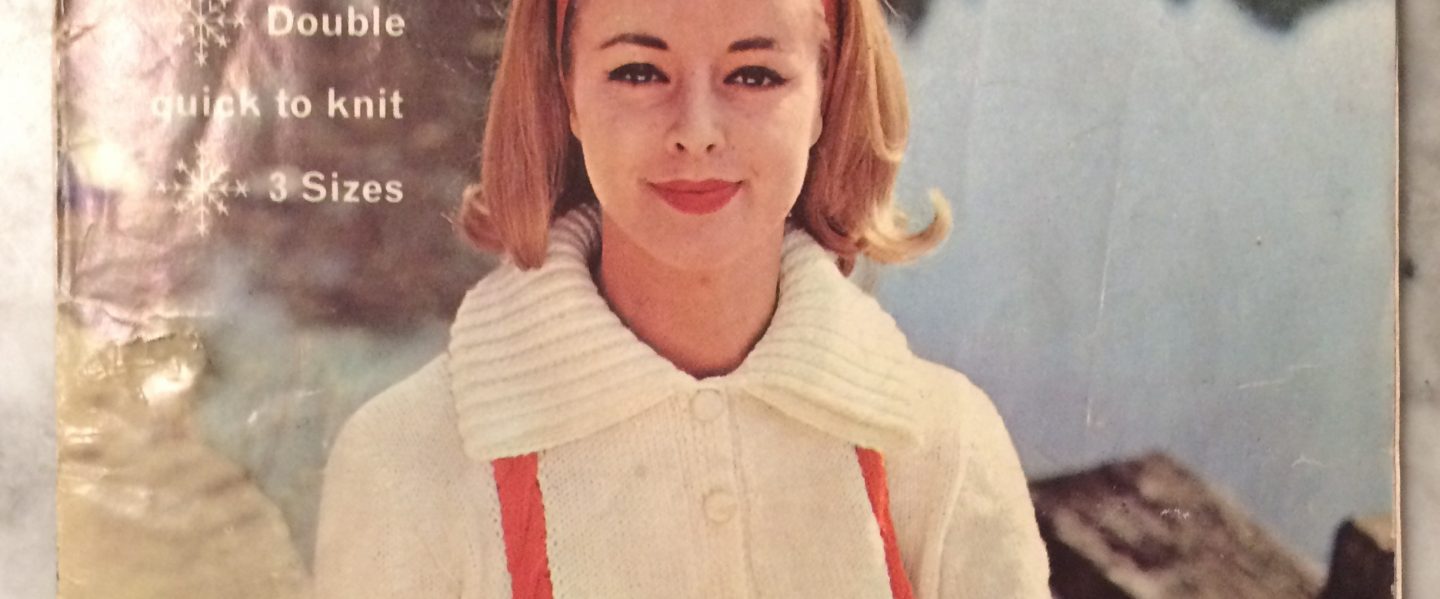
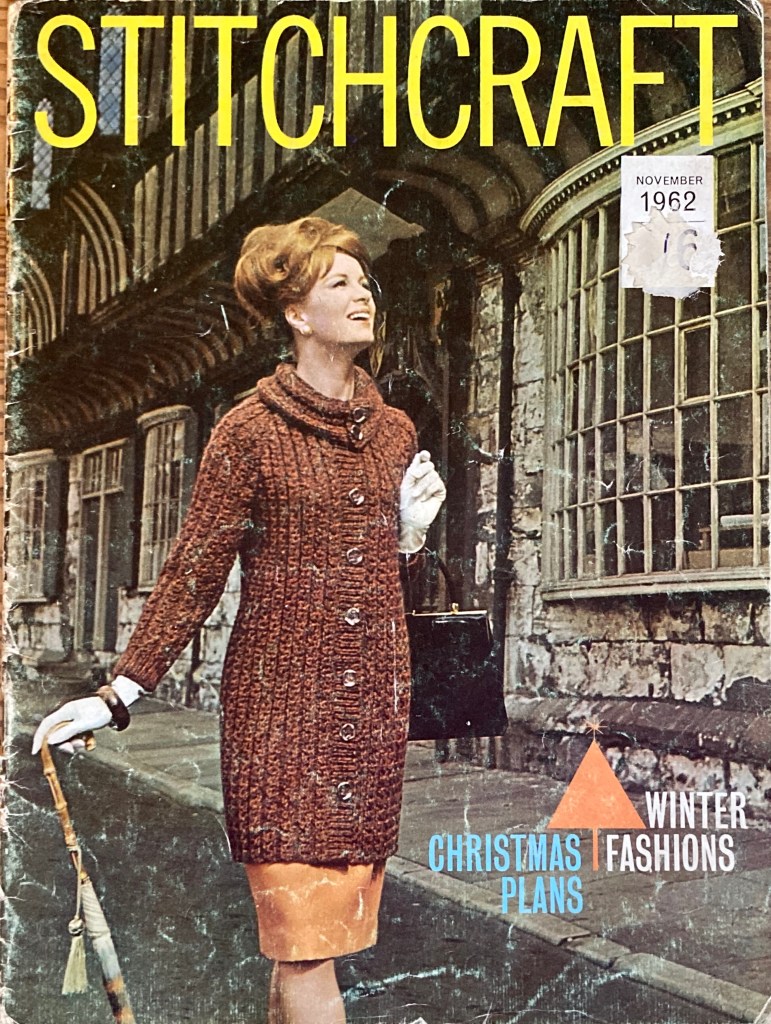
For 1960s Stitchcraft readers, November means holiday planning, so this month’s issue is full of quick homewares for decorating and small, easy projects for gift-giving. The garments are warm and bulky, featuring Patons’ new “Ariel” wool. Warm autumn tones of brown and orange as well as bright, cheerful holiday reds and blues are the colours of the season. Christmas Plans and Winter Fashions ahoy!
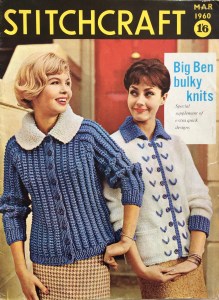
Our cover garment is a bulky, yet elegant coat in Big Ben wool, weighing in at a hefty 52-56 ounces (up to 3 1/2 pounds, or about 1500 grams). The mock cable/twisted rib pattern certainly won’t curl at the bottom edge, which is why I guess it’s designed without a hem or ribbing, but at that weight and in that pattern, I suspect the coat would grow ever longer and ever narrower (just in time for holiday weight gain). Still, it looks lovely! I especially like the buttoned collar. Also, I just might try to re-create the model’s hairdo with my long lockdown hair.
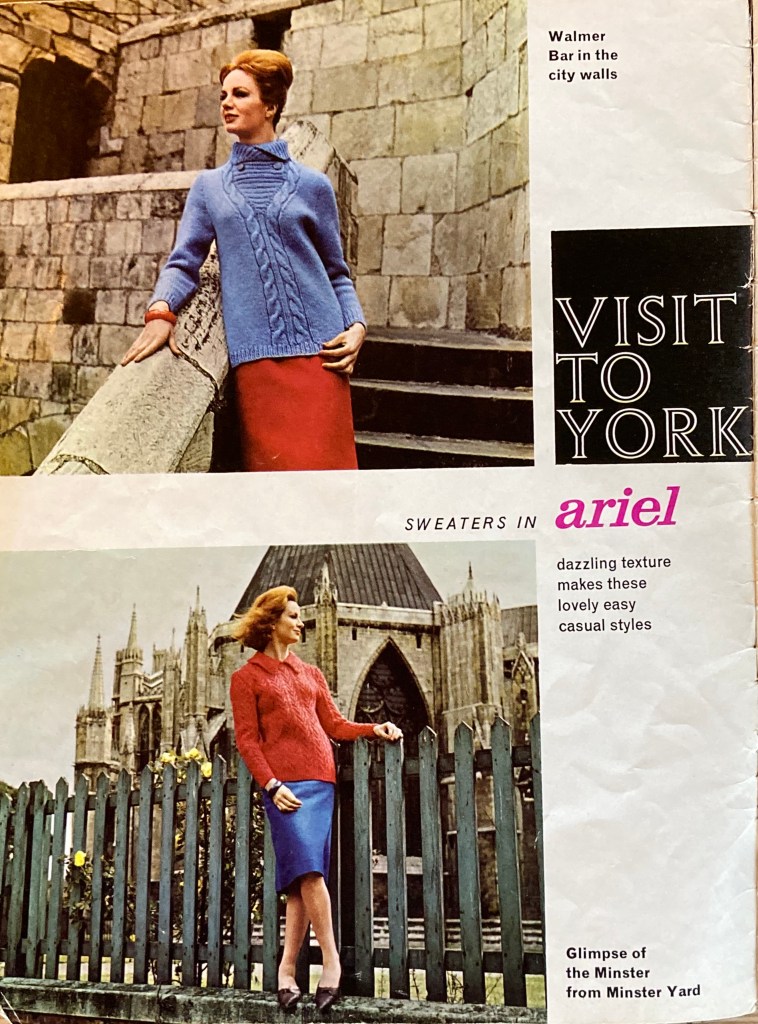
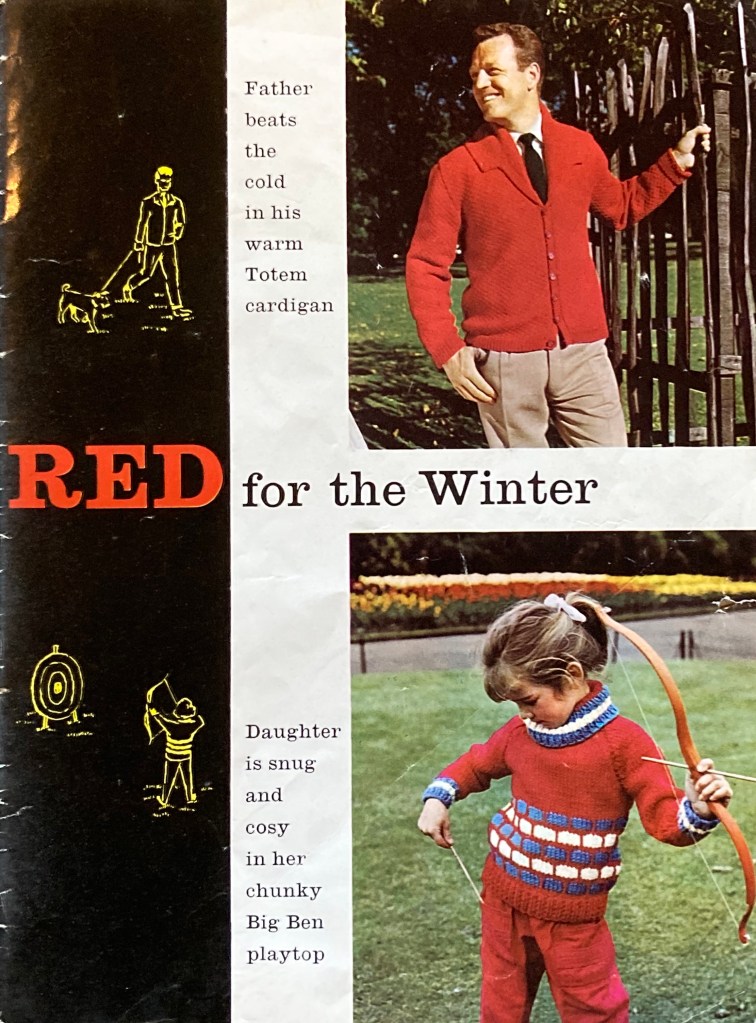
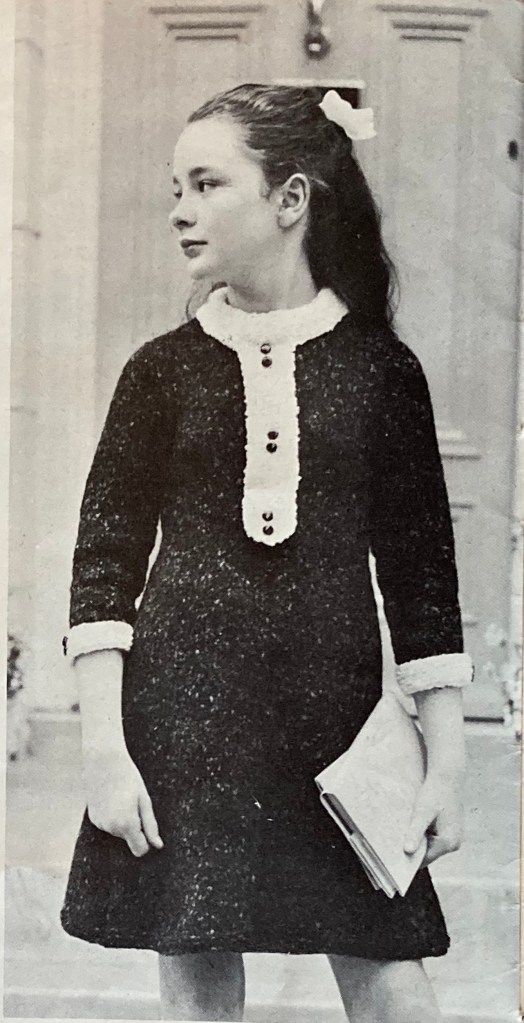
The outdoor photography was taken near historical buildings in York, whose grey-beige stone walls give a nice background to the bright red and blue sweaters made with “Ariel” a bulky, yet “feather-light” (well… 20-24 ounces for a sweater, so lighter than Big Ben, at least) wool-synthetic mix. I really like the red chevron sweater and it doesn’t look bulky at all to me, just fluffy and cosy. Father and daughter also get warm, cheerful garments, and look at this amazing mini-dress for a young miss! That is going on my list of patterns to adapt for myself.
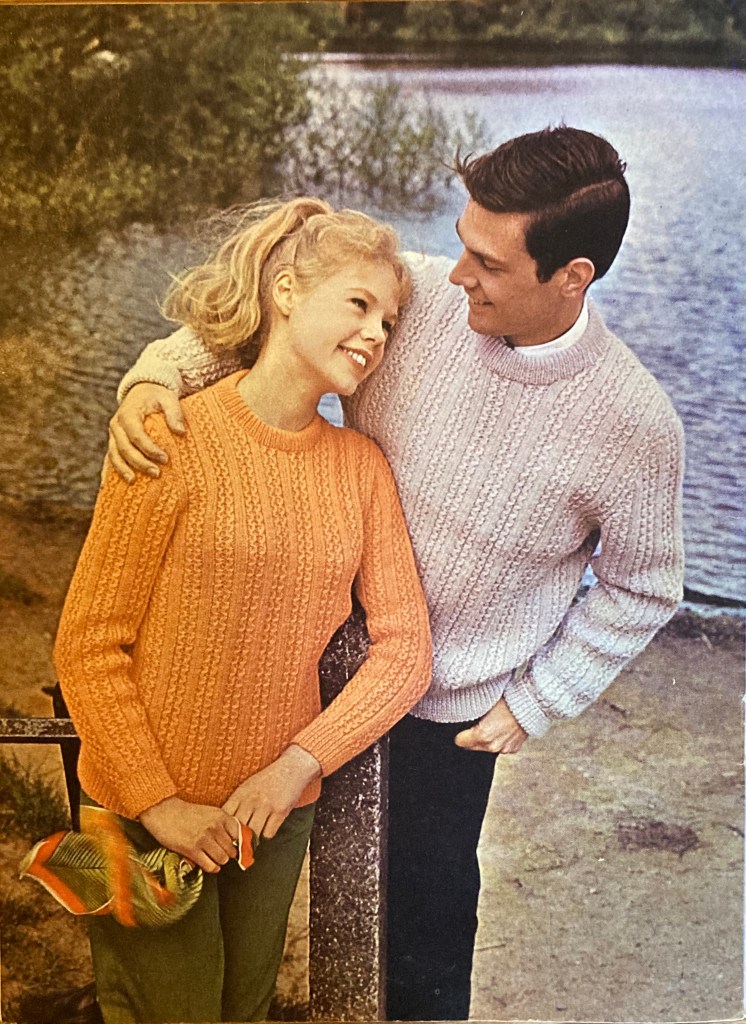
Older teens and young lovers can make “the ‘sweater-match’ theme with girl-friend and boy-friend” – classic pullovers with cable ribs in double-knitting weight and identical except for slightly different shoulder width and back length proportions. That’s all for the knitted garments in this issue, since the real focus is on Christmas preparations with little gifts and housewares.
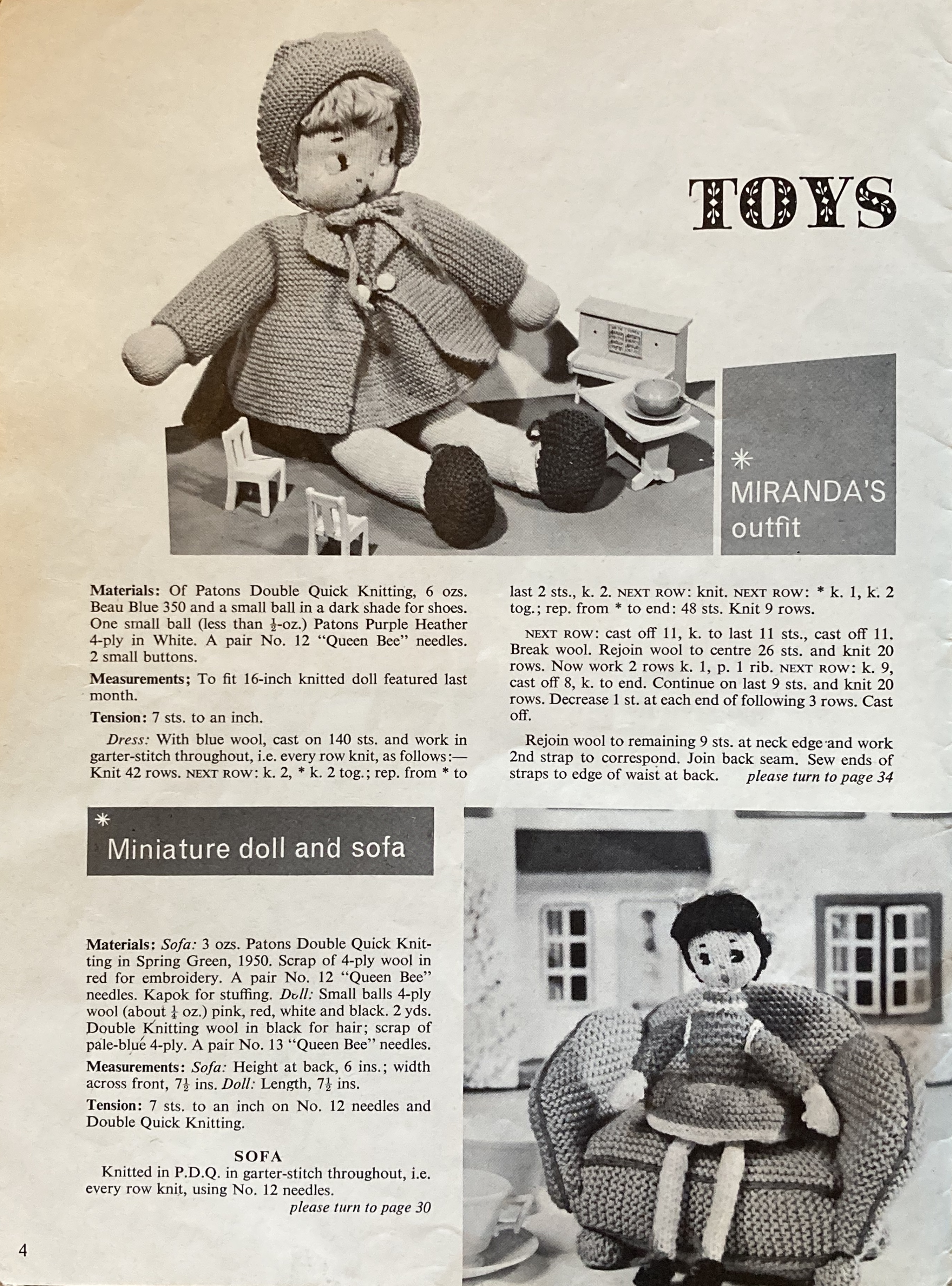
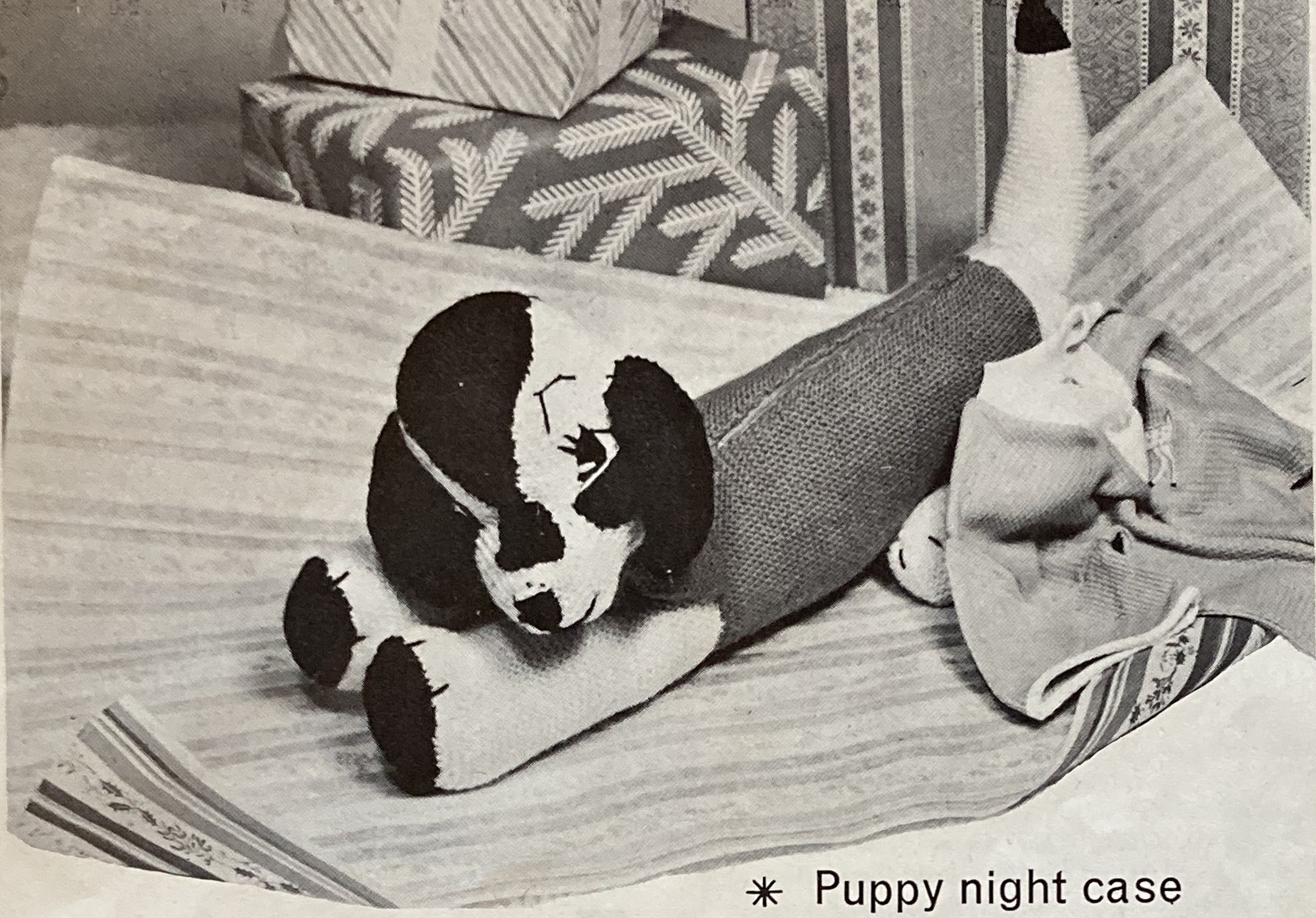
For children’s gifts, there’s a doll, clothes for another doll (pattern in last month’s issue), and a night case in the form of a puppy. This last was especially popular around the late 1950s and early 1960s – I have a different magazine with a poodle nightcase on the cover, and Stitchcraft also had some kind of poodle nightcase in the later 1950s. Poodle or puppy or not, I don’t know why a person would want to put their nightgown in a special case in or on the bed. If you don’t want other people who might be using the room to see your nightdress lying around, you could just… put it under the pillow?
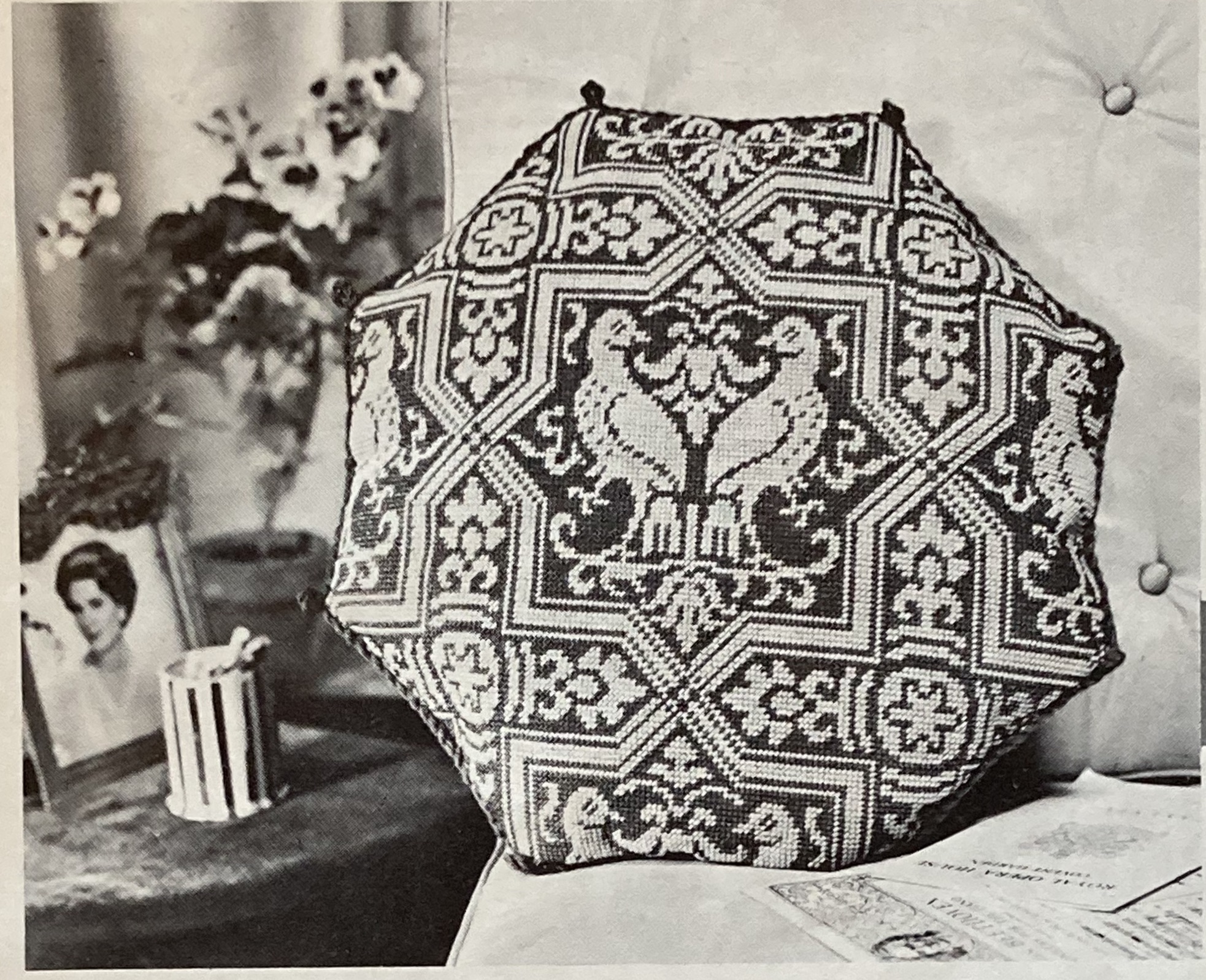
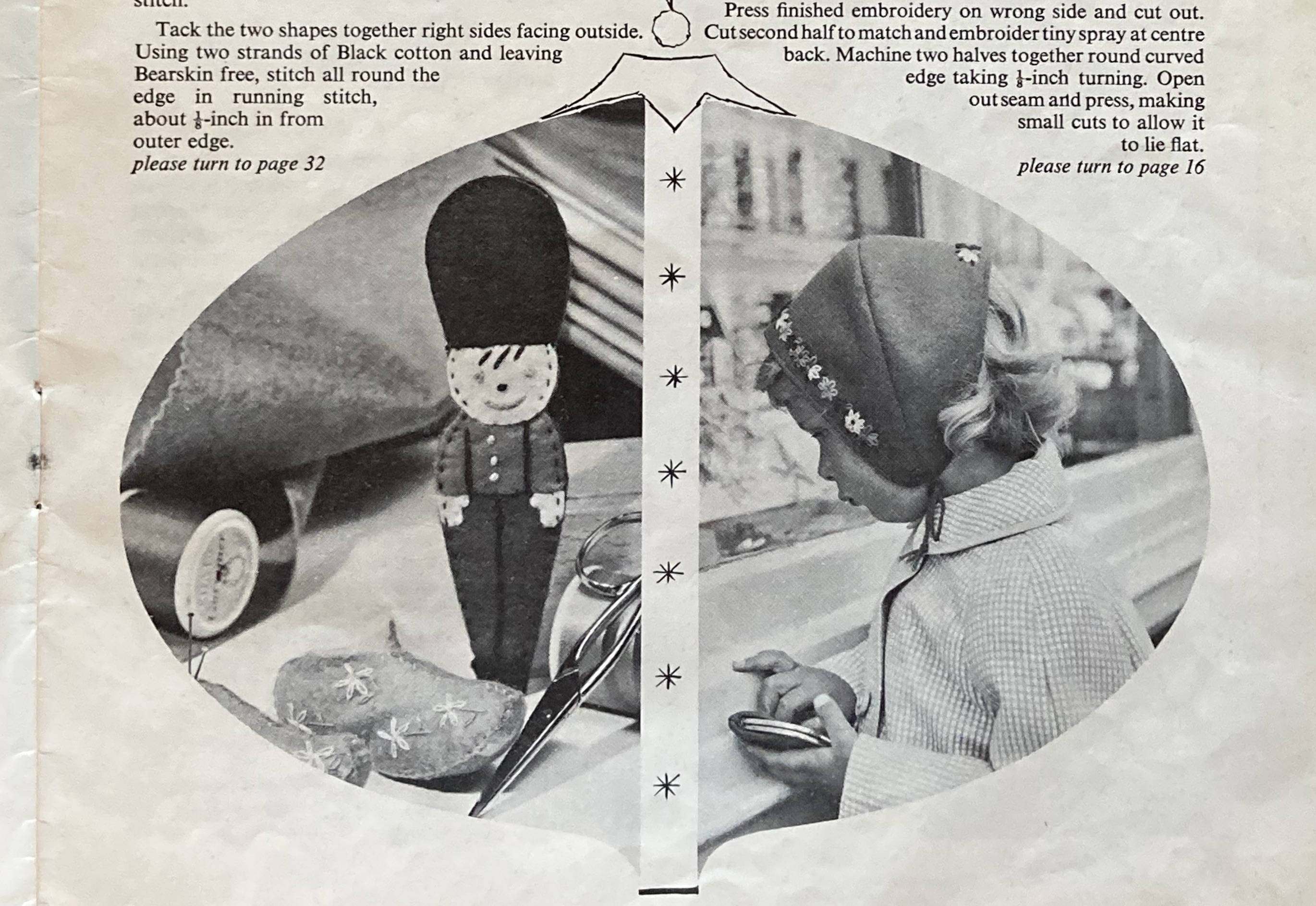
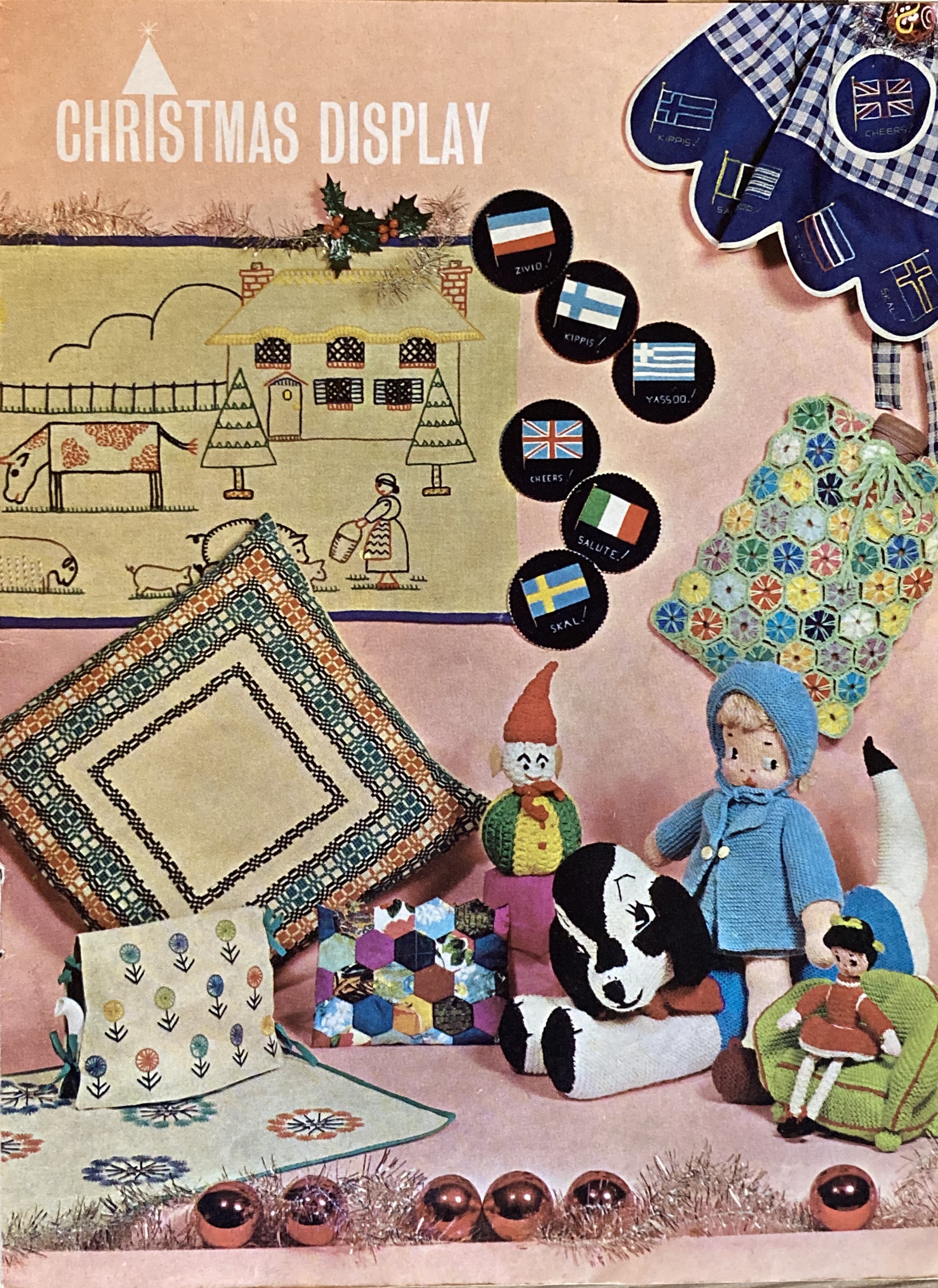
There’s an intriguing “Byzantine” cushion, a firescreen with this month’s embroidered flower (chrysanthemum) and some little gifts sewn in felt, but the more interesting projects are displayed nicely in the large colour photo in the middle of the issue. We’ve got an embroidered farm scene for the nursery wall, a “hostess set” of apron and coasters featuring international drinking mottos, the usual cross-stitch cushion, and a tray cloth/tea cosy design that I would love to adapt to an iPad/tablet cover. Crocheters can use up all their scraps with medallions or a … cute? eerie? not sure what to say about it? pixie doll and patchwork fans, generally ignored by Stitchcraft, finally have a little bag as a starter project.
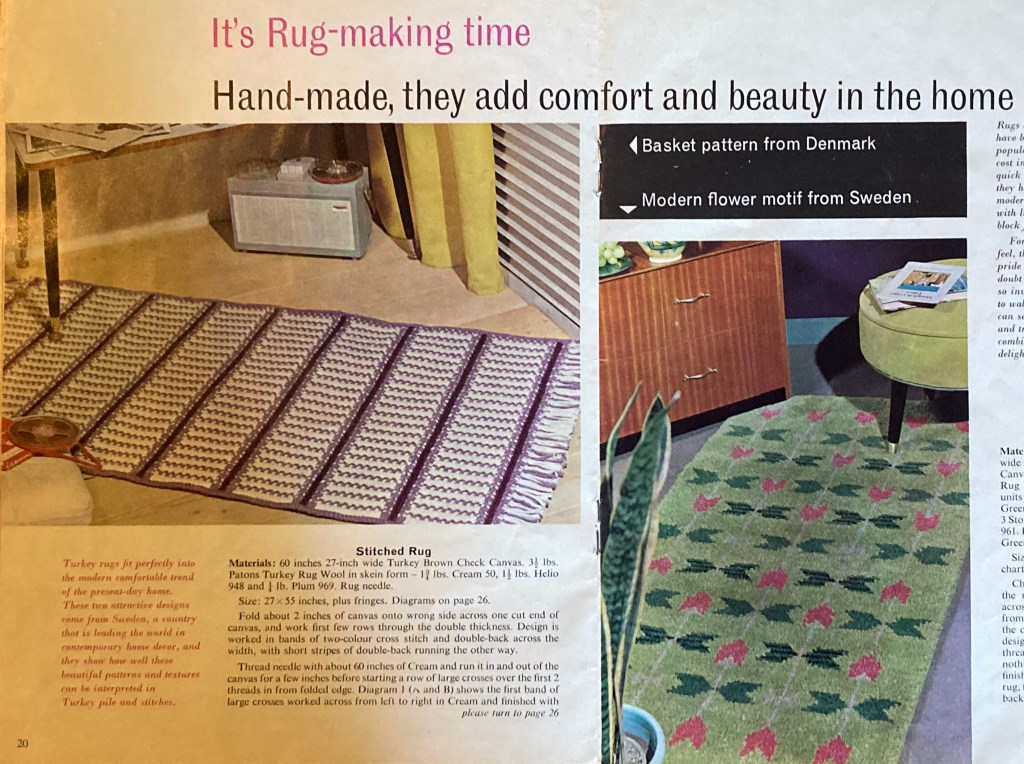
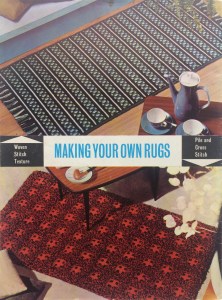
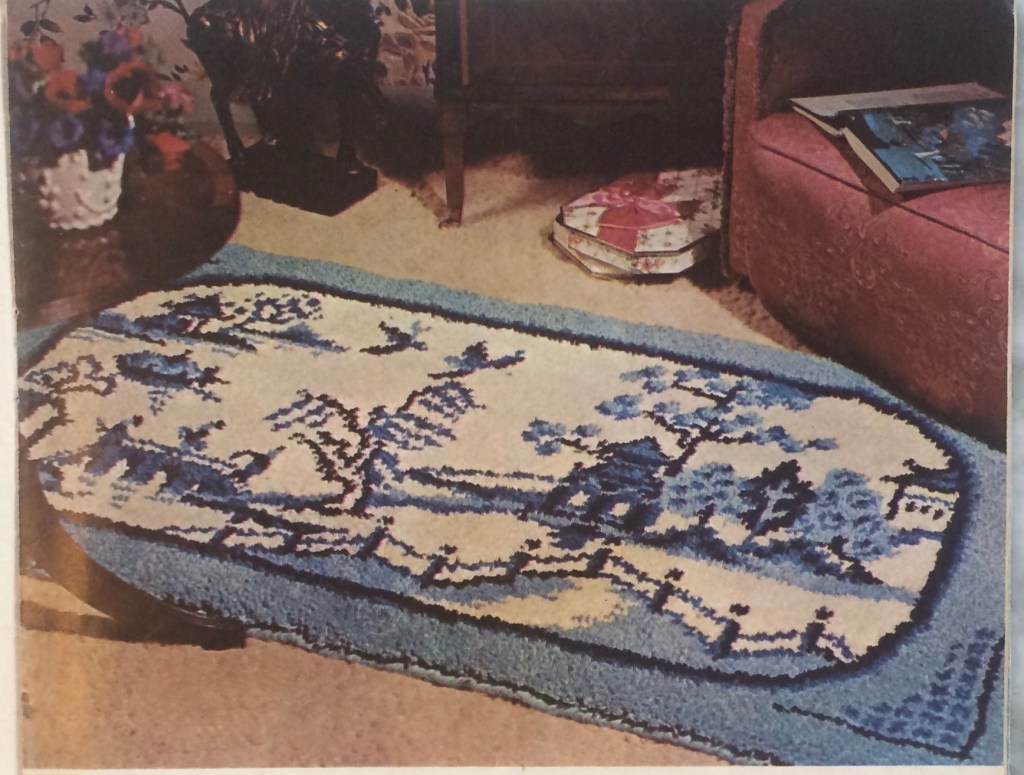
There are even rugs in Scandinavian designs (is that basket pattern from Denmark or from Sweden?), one stitched, the other done with a latch-hook.
What an issue! There are so many projects I would like to make from it: the girl’s dress in my size, an embroidered tea-cosy for the digitalised world, the little girl’s bulky red sweater, even the green latch-hook rug. Sadly, pandemic and lockdown have thrown a monkey wrench into my current knitting plans, it’s hard to get supplies, and I’m trying to finish or even start multiple other large projects that were planned or promised or have been lying in the WIP pile for ever. One of those WIPs was a (non-vintage) garment that I will have to frog anyway (ran out of wool and can’t make it work), so the plan is to frog that project and use the wool to make “Father’s cardigan” from this issue. Said project and I are geographically separated at the moment, though, so long story short: I do not know when I will be able to post a November project. Take heart, though: there will be some more Stitchcraft cooking fun in December as well as a special surprise next week.


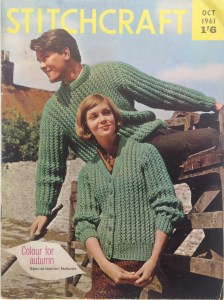 October 1961 gives us “Colour for autumn” with “special fashion features” and a great center spread with colour photos. “I always think October is a nice friendly month,” writes “editress” Patience Horne on the facing page, and I have to agree.
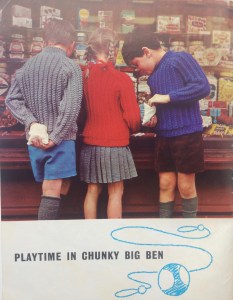 stitches play a prominent role in this month’s issue, starting with the partner-look pullover and cardigan on the front cover. Both are made in the same drop-stitch rib pattern — basically 2×2 ribbing, but you drop a stitch down 3 rows every 4th row and pick it up again in the next row to make a long vertical rib. Children get twisted-rib raglan pullovers to keep their upper bodies nice and warm while their legs freeze in tiny shorts and mini-skirts, typical for the era.




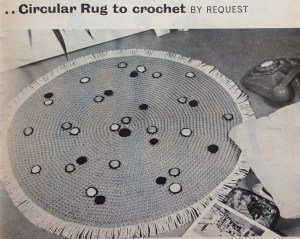 September’s project (finished only one day late) was this extremely 1960s crocheted green rug with black, white and orange embroidered spots (they “add a modern touch”) and fringe. Loved it!
 Felting wool, like rug wool, is bulky, mostly unprocessed, coarse and strong, so that was my first thought… but would it felt with use or washing? I decided to take the chance, since it’s easy to find, inexpensive and there happened to be some in the perfect colour at my local yarn shop. It’s the exact same shade of green as
  The crochet part was easy — just rounds of double crochet with regular increases — and went very quickly. You can see that the wool I ordered was from a different dye lot than the first skeins from the store, but I don’t mind. The embroidery was a bit tedious and the fringe posed a new problem: this type of old-fashioned cotton sew-on fringe is very much not in fashion and hard to find in stores these days. I hate buying things on the Internet, so I asked my friendly wool-shop owner from the store where I bought the wool what she thought, or if it could be ordered through the store. She suggested hand-knotting the fringe with cotton yarn in a similar colour to the rug. (the fringe in the original seems to be white or a lighter colour). I was eager to get the thing done and not wait for more elements to arrive, so I did it. I like the result! It’s stringier than the original, of course, but it makes the rug look like a sort of friendly amoeba. I like that.
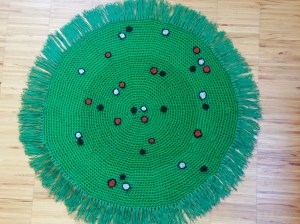 Wash-blocking it gently in cold water worked well and did not felt the wool. Also, it is going to live under my coffee table where it won’t get much foot traffic, so I’m not worried.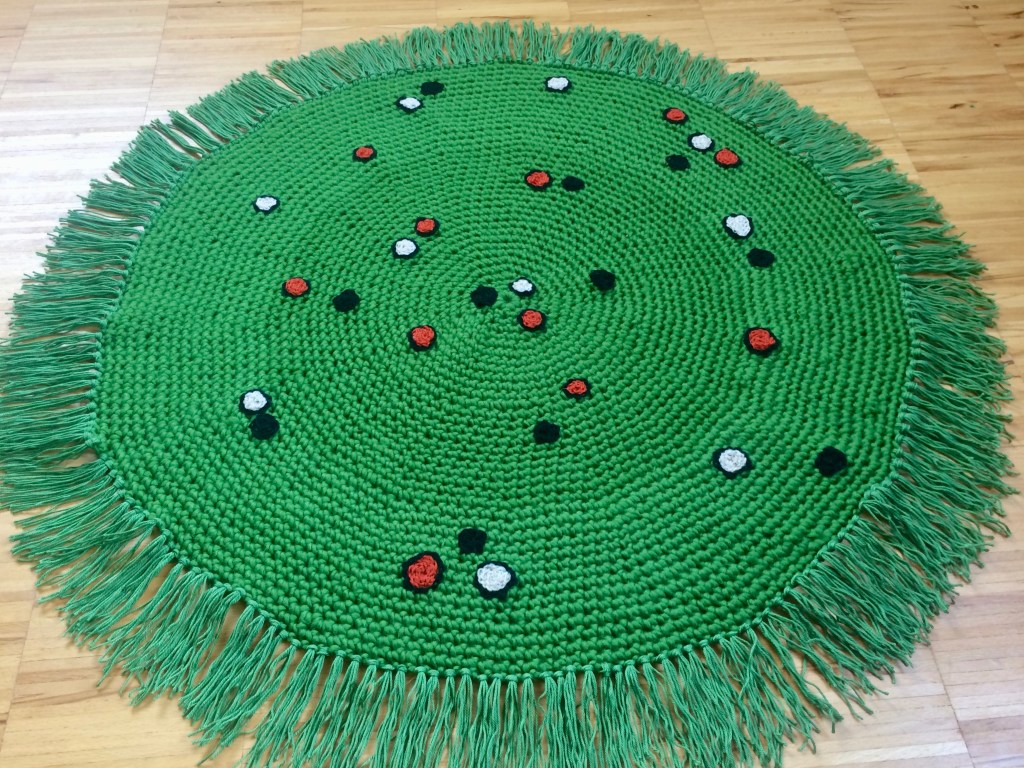
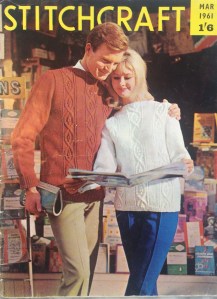
 April showers bring May flowers, or so they say. I’ll just say that, after the last couple of weeks of March, that umbrella on the cover of this month’s issue looks really familiar. As does the model on the right — she was featured (with a more flattering haircut) in many issues throughout the 1950s.
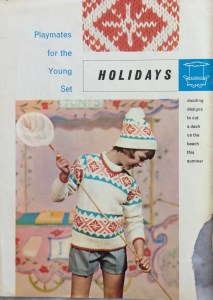 to spend your holiday in April or May on the British isles or the North Sea coast, you will definitely want to wear one of the warm, bulky wool garments from this issue. “Jenny”‘s thick, double-knit Norwegian-style jumper and hat, described as “dazzling designs to cut a dash on the beach this summer”, tells you everything you need to know about that.


 Are you ready to “Rendez-vous with Spring”? I sure am! This month’s issue has a lovely extra “centerfold” spread in colour, showing off Spring 1961’s latest fashions.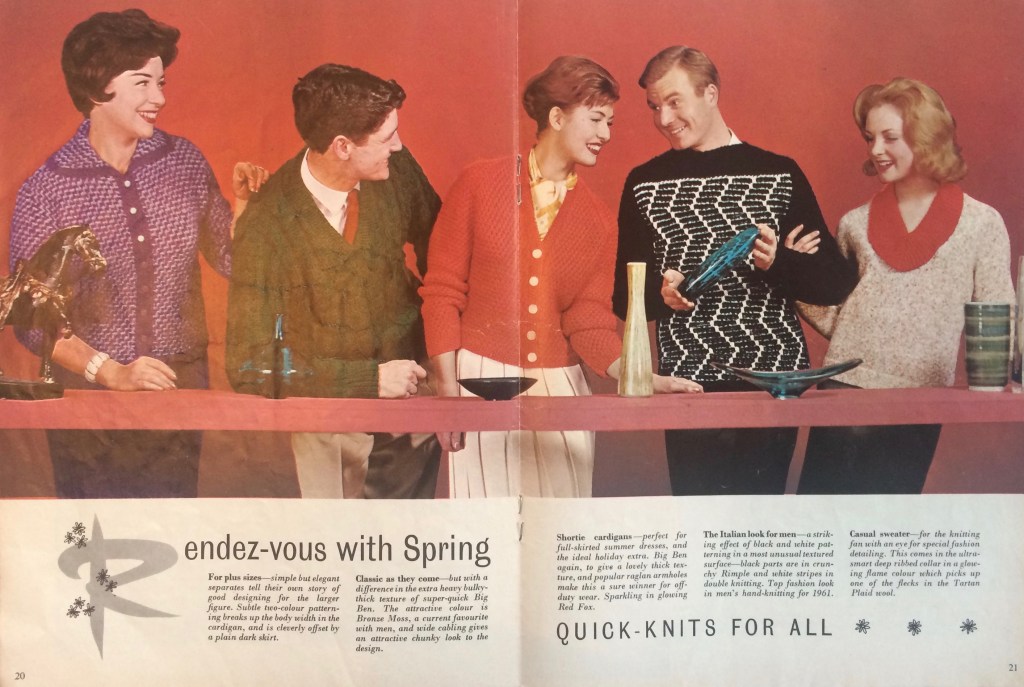




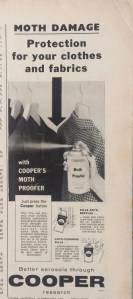 The ads are for the usual knitting machines and sewing fabrics… except for this one, for “Cooper’s moth proofer” spray, presumably made of
 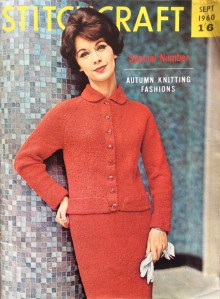 September 1960 is supposedly a “Special Number” of autumn knitting fashions. I’m not sure what exactly makes it so special, since it doesn’t seem to have any more, or particularly different, projects than the average issue. I guess it’s special in that September is finally a bit cooler weather-wise, so you can start to make some nice wool garments for the colder months — very appropriate in 2018, where we had the summer to end all summers. Things have cooled down a bit now, so I’m looking forward to wearing my (still unfinished) projects from July and August soon.


 Is it already May? Nothing makes time fly like writing monthly blog posts! May 1960 is a “Roundabout of Holiday Knitting” (complete with a little circus-fair logo that fills up any little dead space in the page formatting, how cute) where in “today’s story”, “no one thinks of going away without 2 or 3 brand-new woollies packed away in their luggage.” So let’s get started…
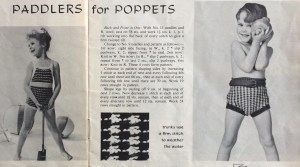 I am quite sure no small child wants to swim in hand-knitted wool trunks with a belt these days, but I imagine the sun-suit on the opposite page would be fun and practical for beach wear if made in cotton. The baby and older girls of the family get pretty cardigans or a tunic “to wear with her jeans.” I’m glad to see activewear for girls, since generally one is assumed to make pretty, decorative stuff for girls and strong, “manly” stuff for boys — sexism that is not surprising in 1960, but which always depresses me to see in today’s knitwear patterns for children.




 I will be making two children’s designs: the fabulous checkered coat for a toddler, and “John’s new pullover” for a soon-to-be six-year-old.


