
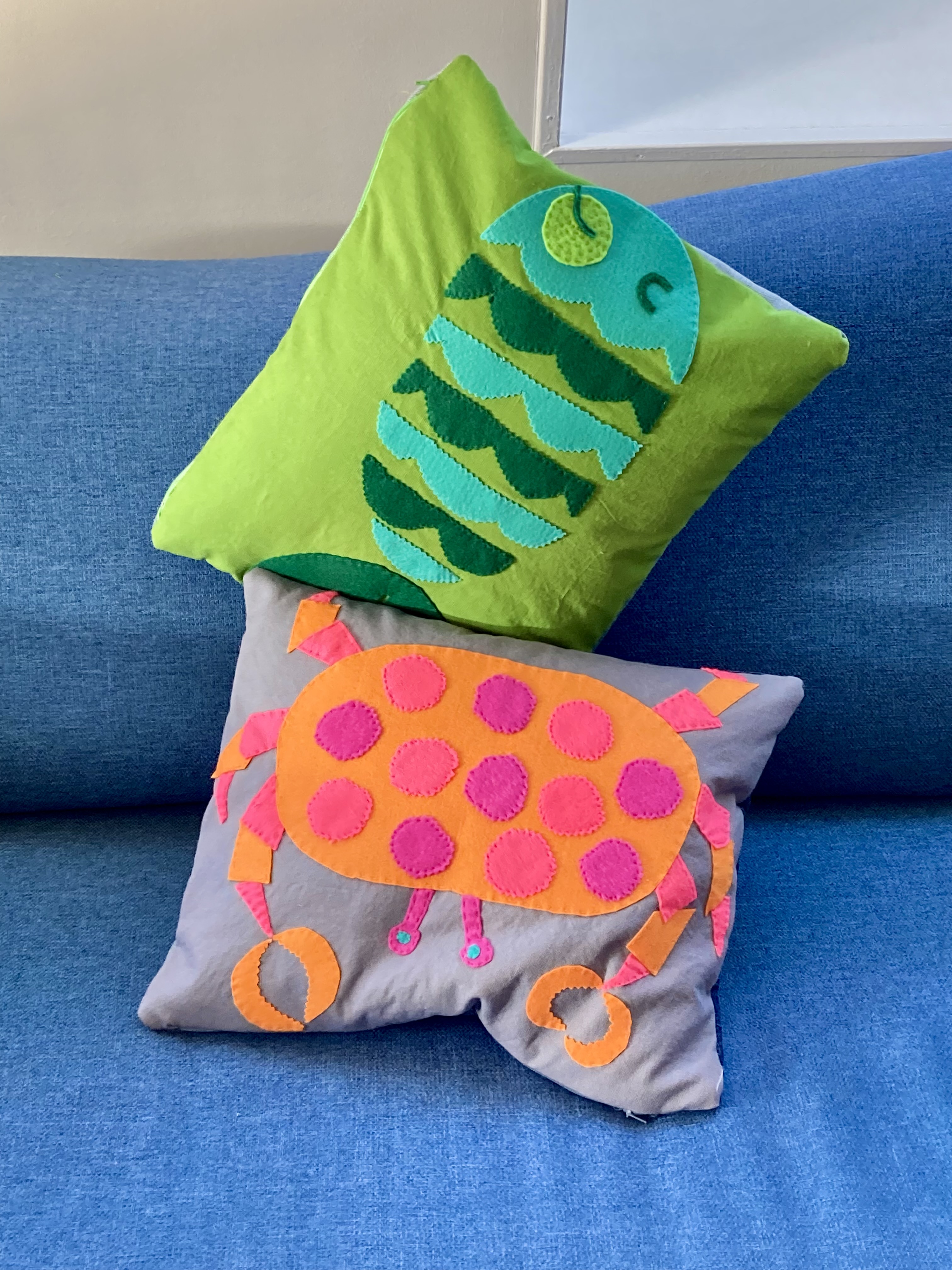
Ahoy! It’s springtime at the Stitchcraft Sixties and what could be more appropriate than some accessories for the garden? I don’t have a garden, or even a balcony, but I do love appliqué and these May 1967 designs with “modern shapes in brilliant colours of felt on crash” that “make practical and gay deckchair cushions.”
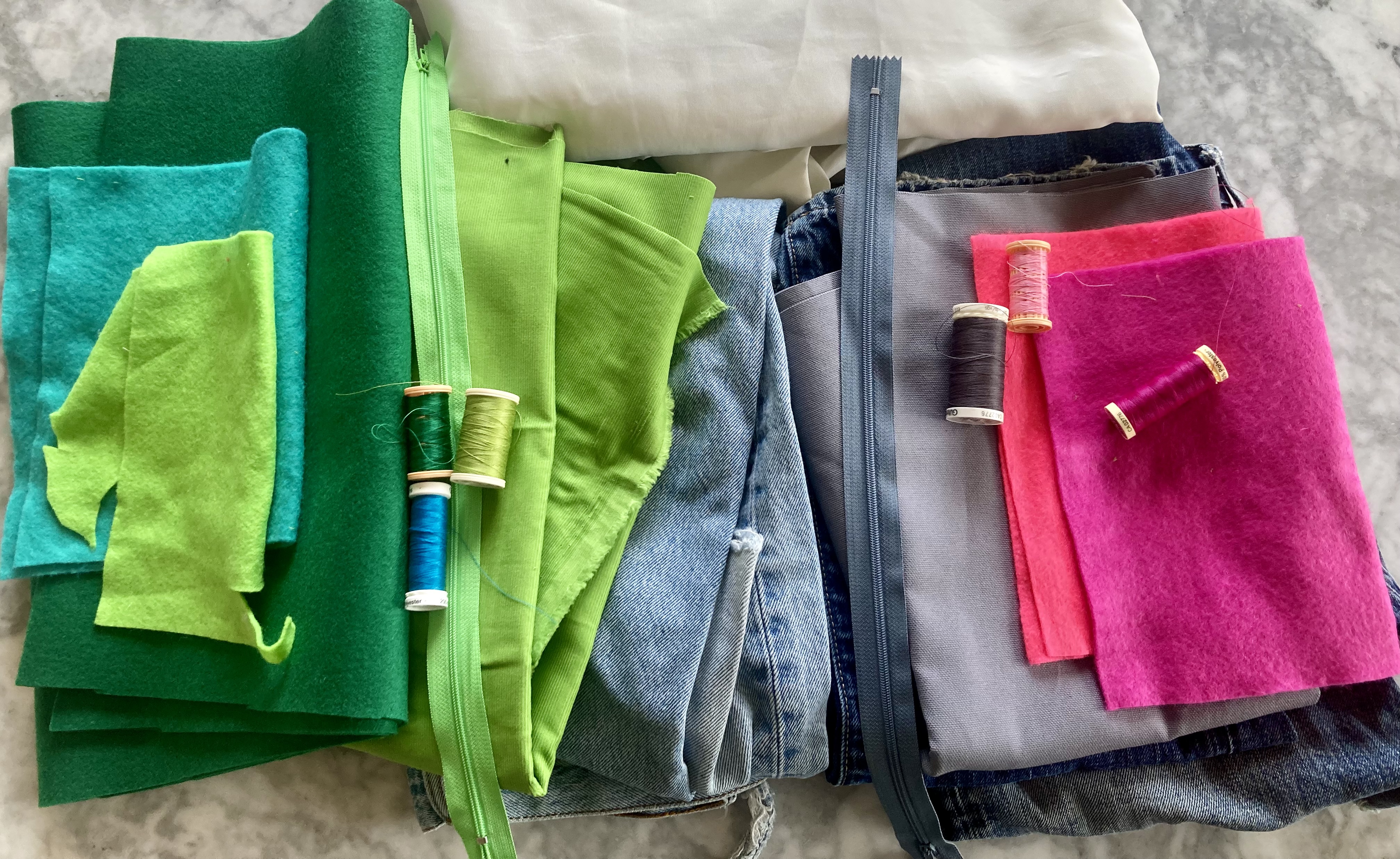
The shapes are a fish and a crab, and the “brilliant colours” unfortunately don’t show up in the black-and-white photo. The fish is turquoise, dark green and lime green felt on lime-coloured “crash” (heavy burlap-type linen) and the crab is orange, magenta and light coral on light grey crash. Both use black fabric for the backing. I used the colours from the pattern with the fish on a somewhat more lightweight almost-corduroy cotton, and the crab on a darker grey heavy upholstery/decorating cotton. For the backing, I used upcycled jeans in light blue (fish) and dark blue (crab), and I lined both cushions with upcycled shower curtain to better damp-proof them in the northern European summer.
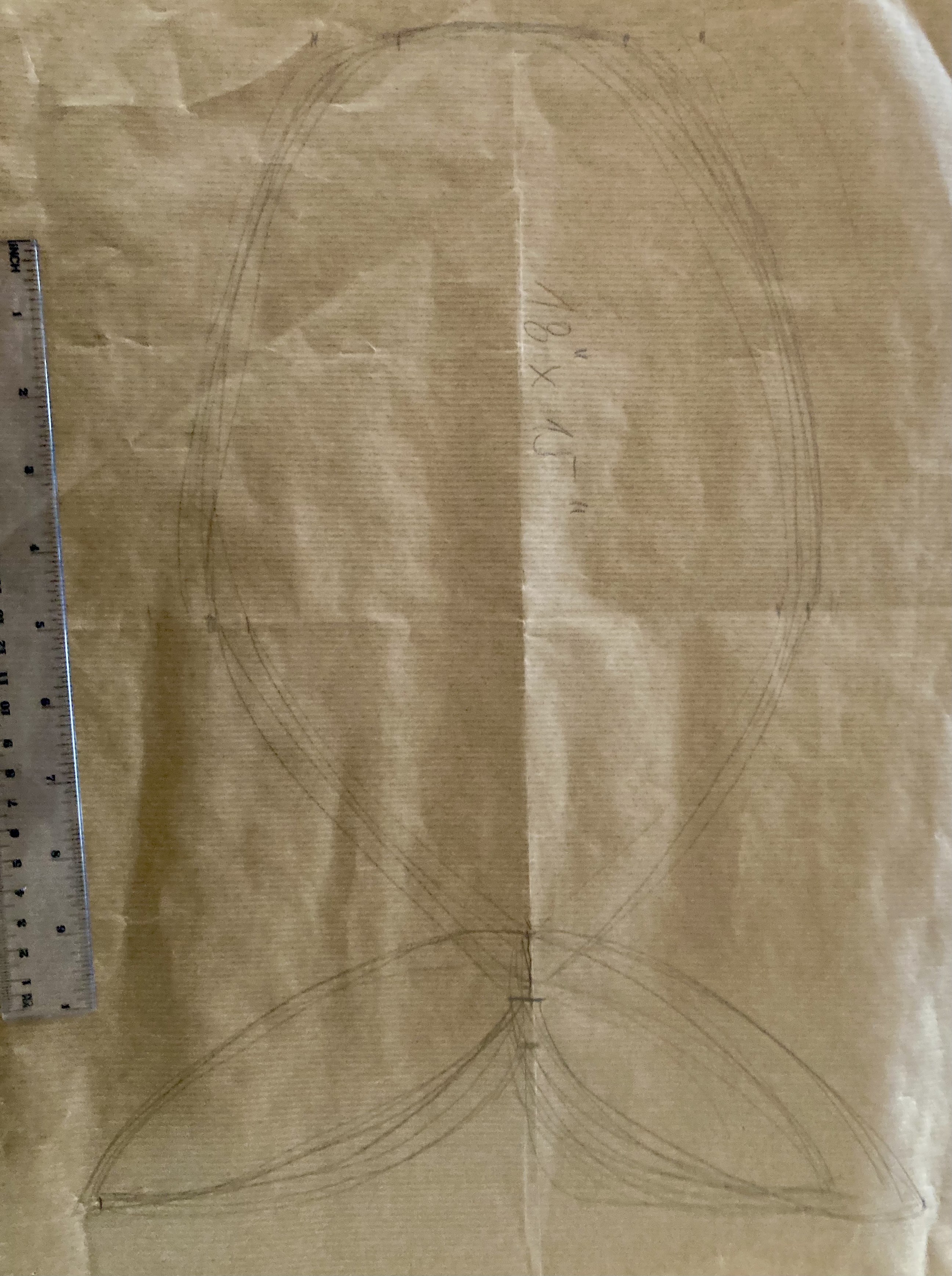
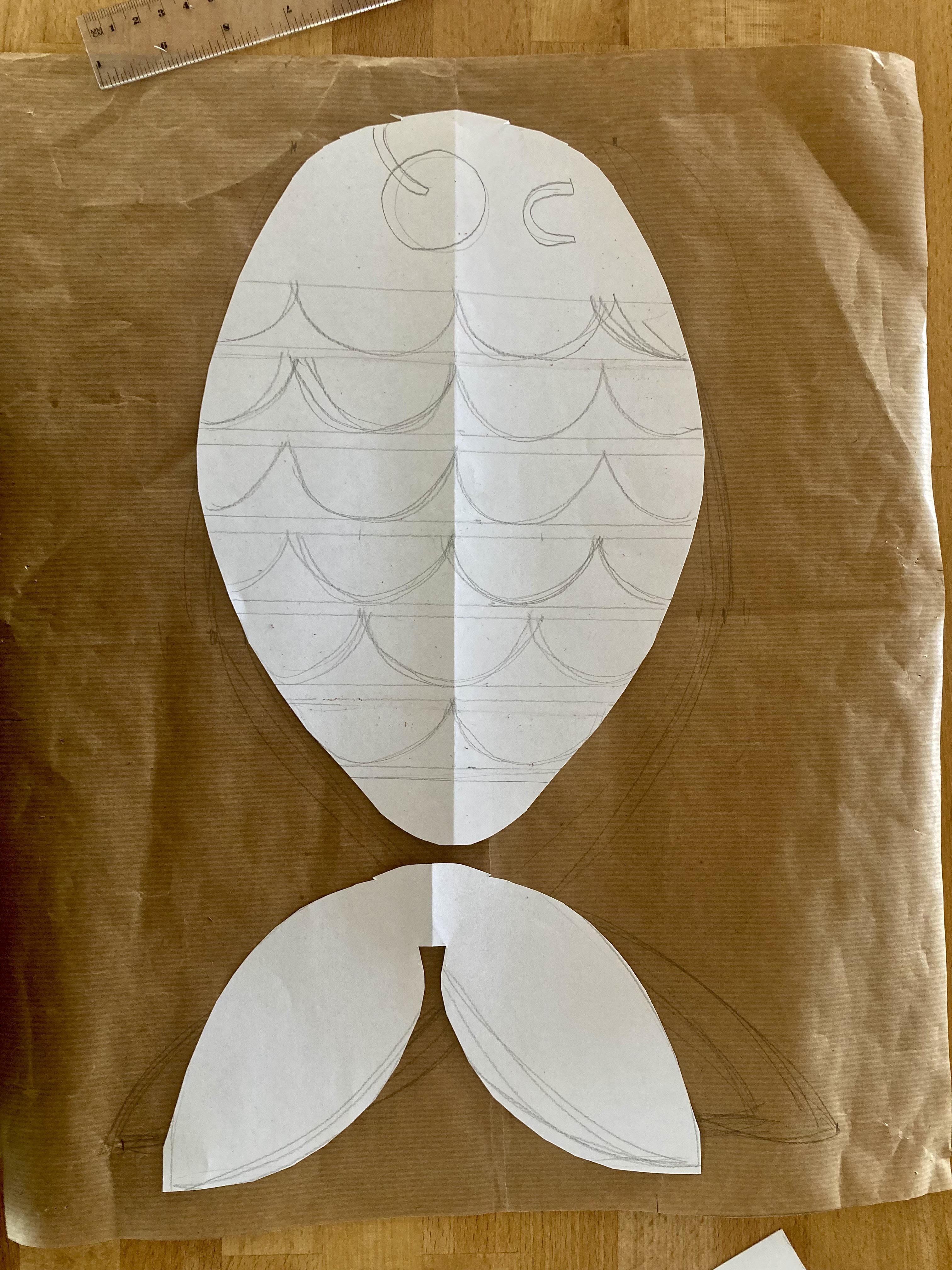
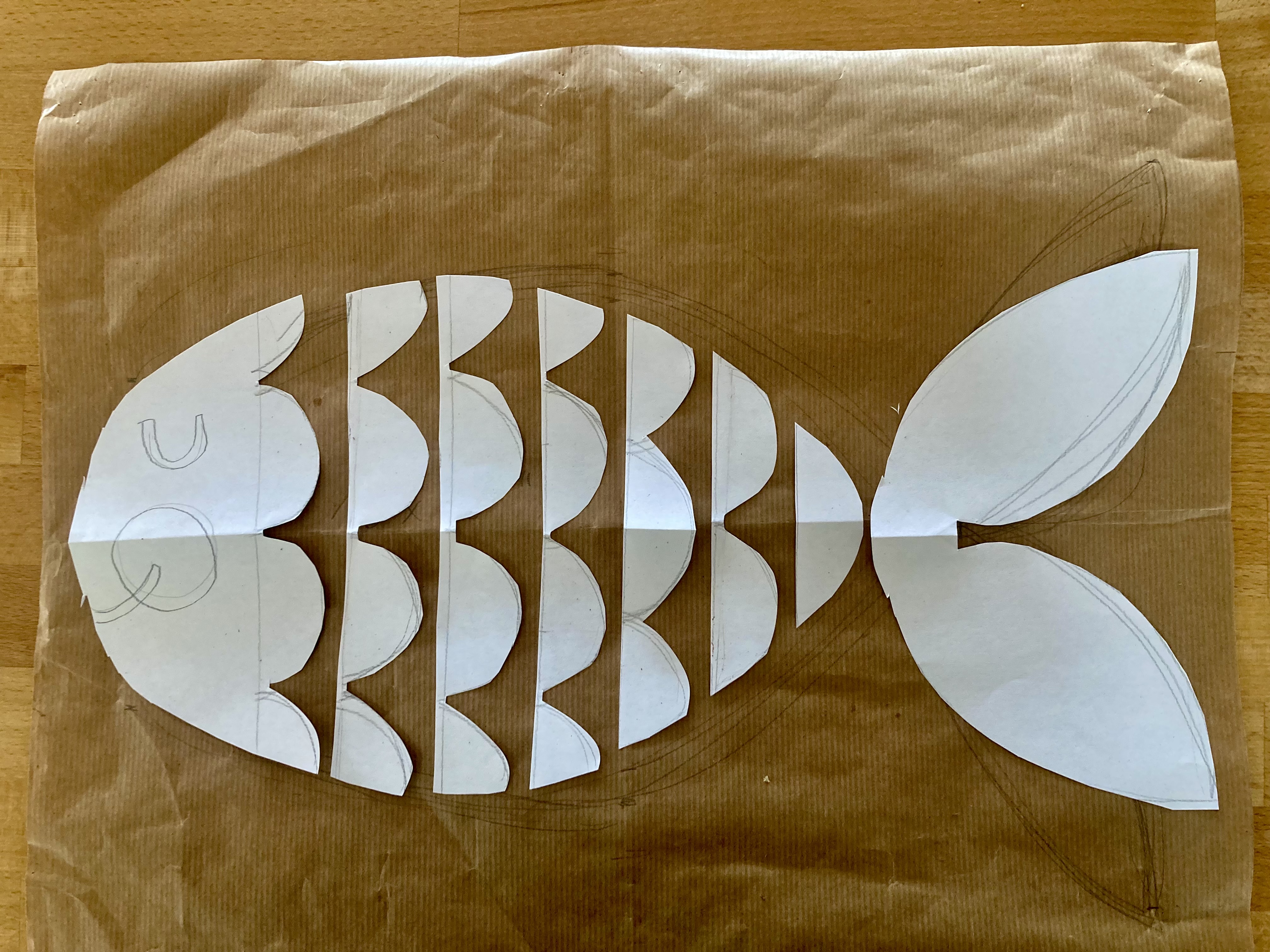
The shapes were suprisingly difficult to trace and cut out without a transfer — hard to get the fish pieces to line up perfectly, and the seemingly random-shaped crab leg segments to come together properly. I drew the fish outline on the backing-fabric paper pattern, then cut out the entire fish as a paper pattern based on that, then cut out the segments.

I love that some of the pieces on both cushions were cut out with pinking shears, but then I forgot to do it and had to buy more fabric and cut all the pinked pieces on the fish out again. Sigh.
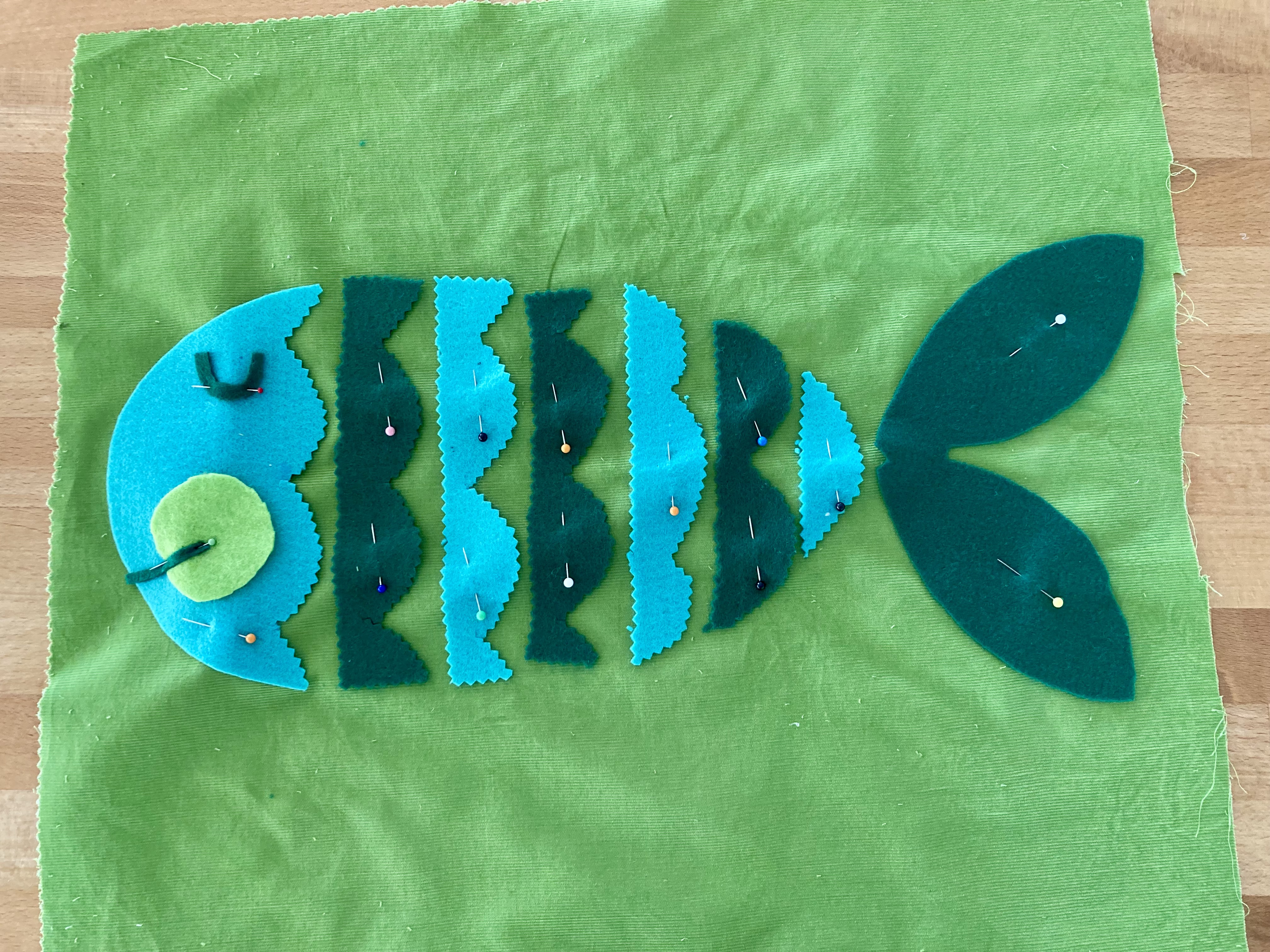
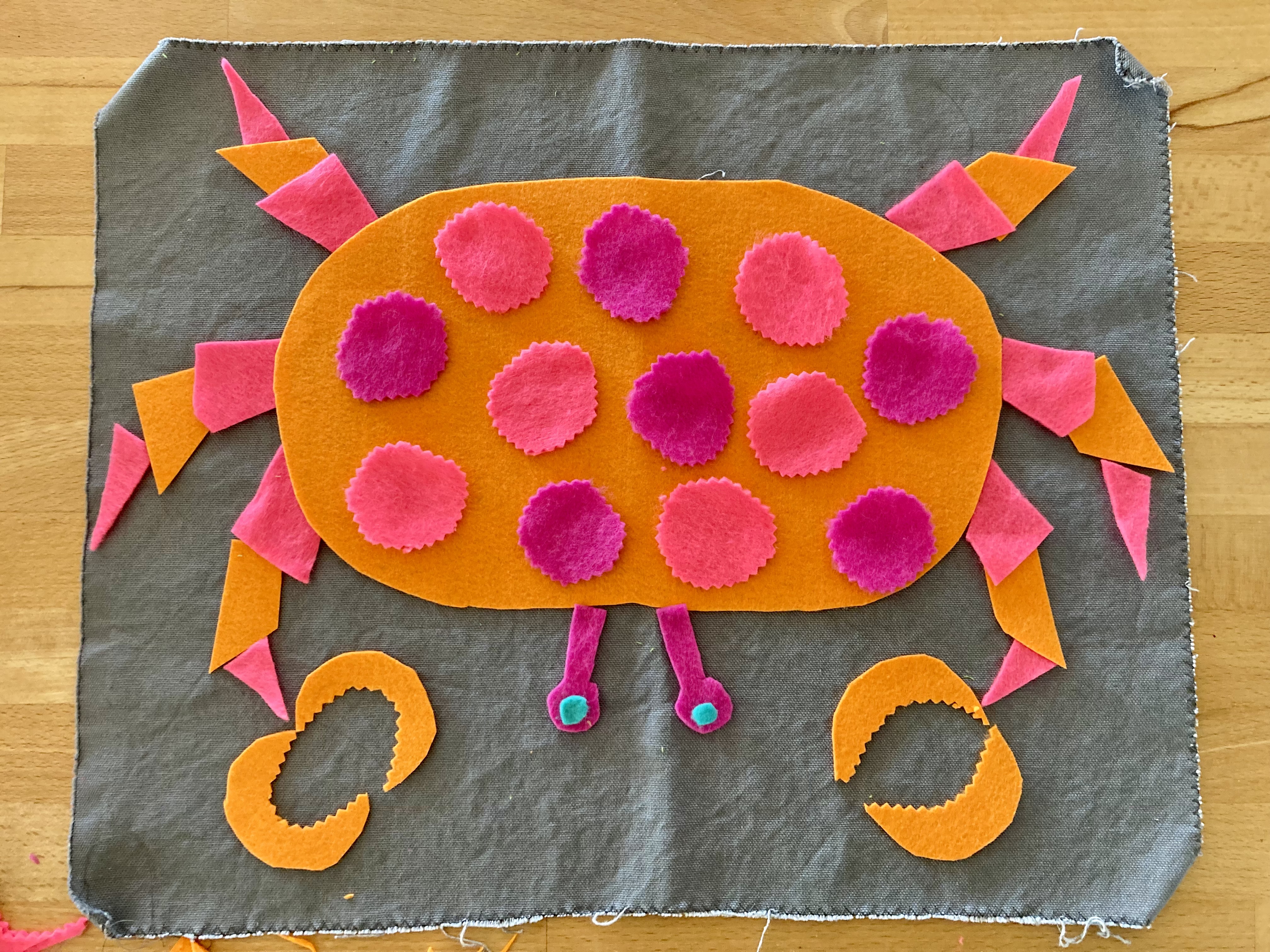
The actual appliqué was very fast and easy. In the pattern, it says to do it on the machine, which of course would have been even faster, but I like working by hand. I used a small running stitch instead of and over-edge whipstitch, which I would normally use.


I flat-lined the finished appliqué and back pieces with the shower curtain material (I did use the machine for that) and made them up into cushion covers with zippers — not specified in the pattern, but I wanted the cushion covers to be removable for washing.
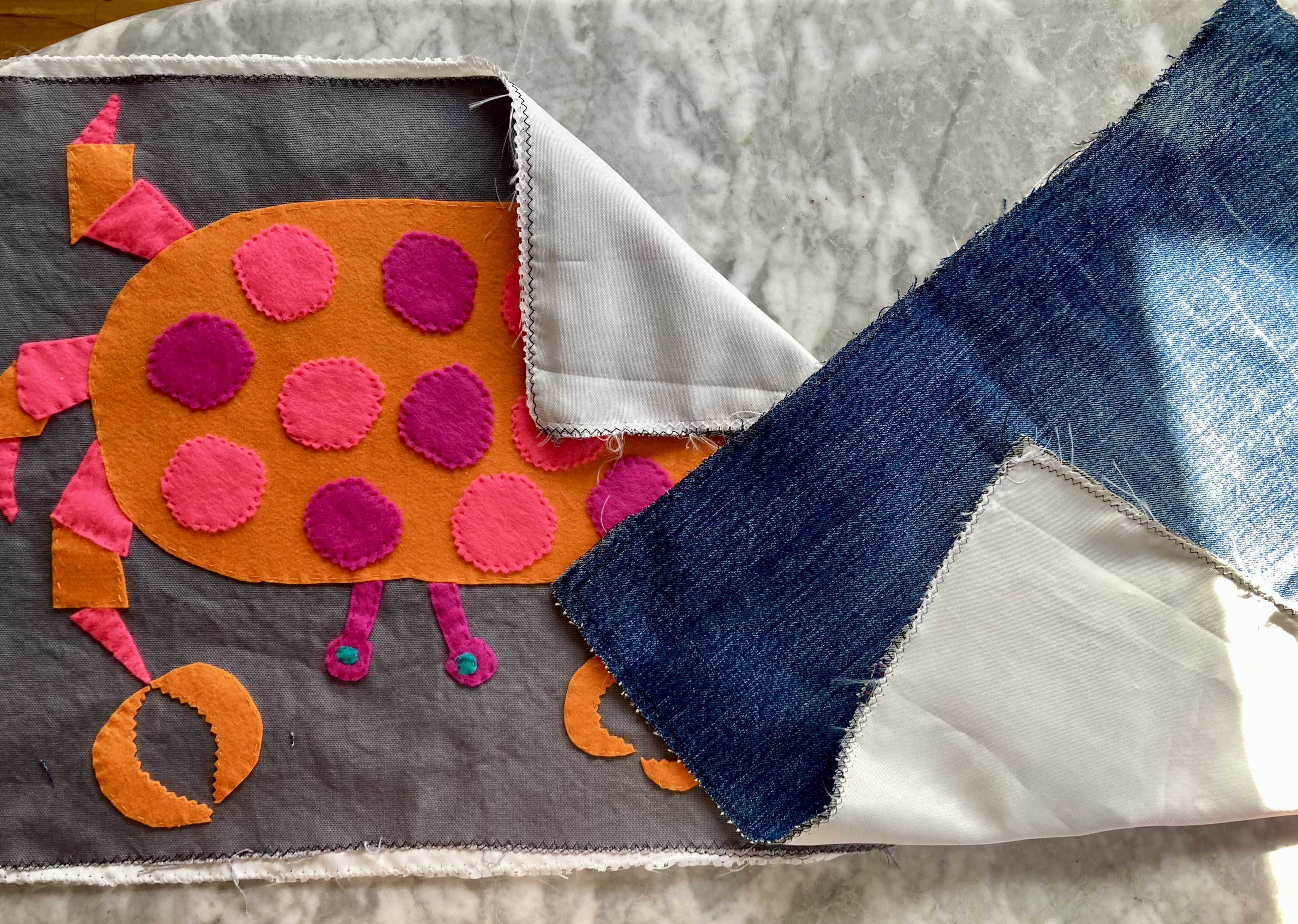
The finished size was about 17.5 x 14.5 inches, as in the pattern, which is about 45 x 37 cm. I didn’t want to make up cushions, so I bought two 45 x 45 cm ready-made cushions, which adapted themselves to the rectangular shape well enough.
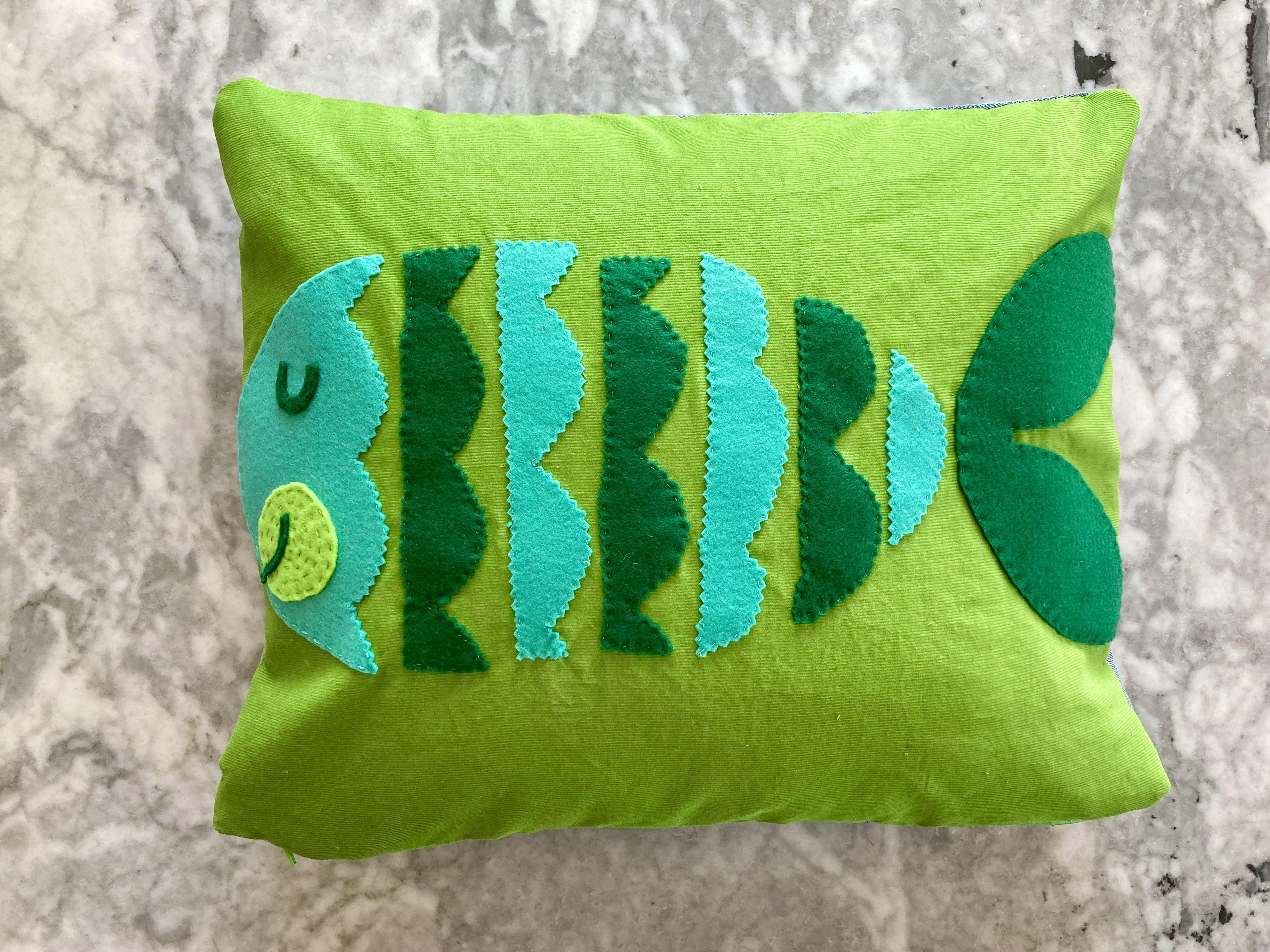
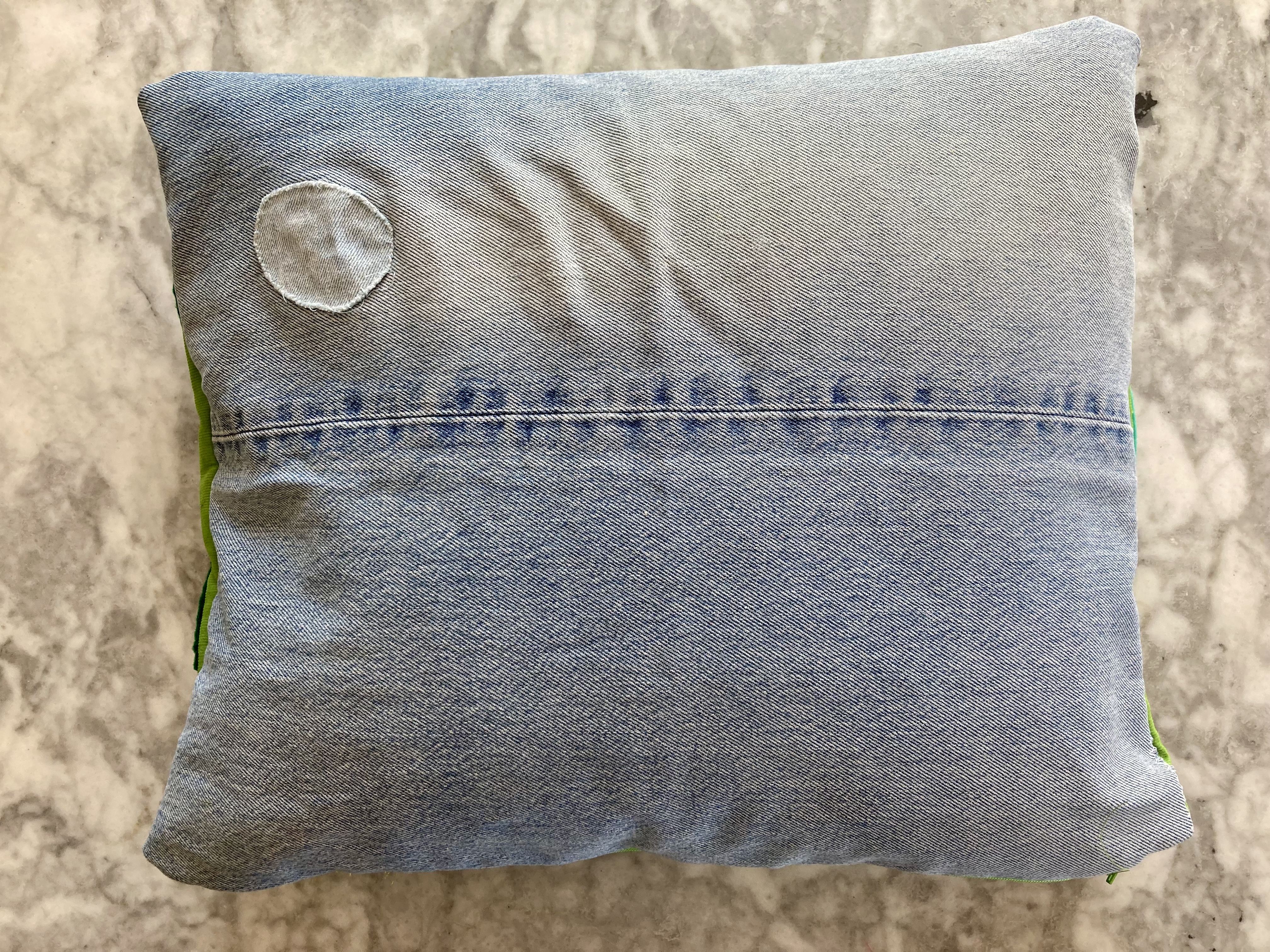
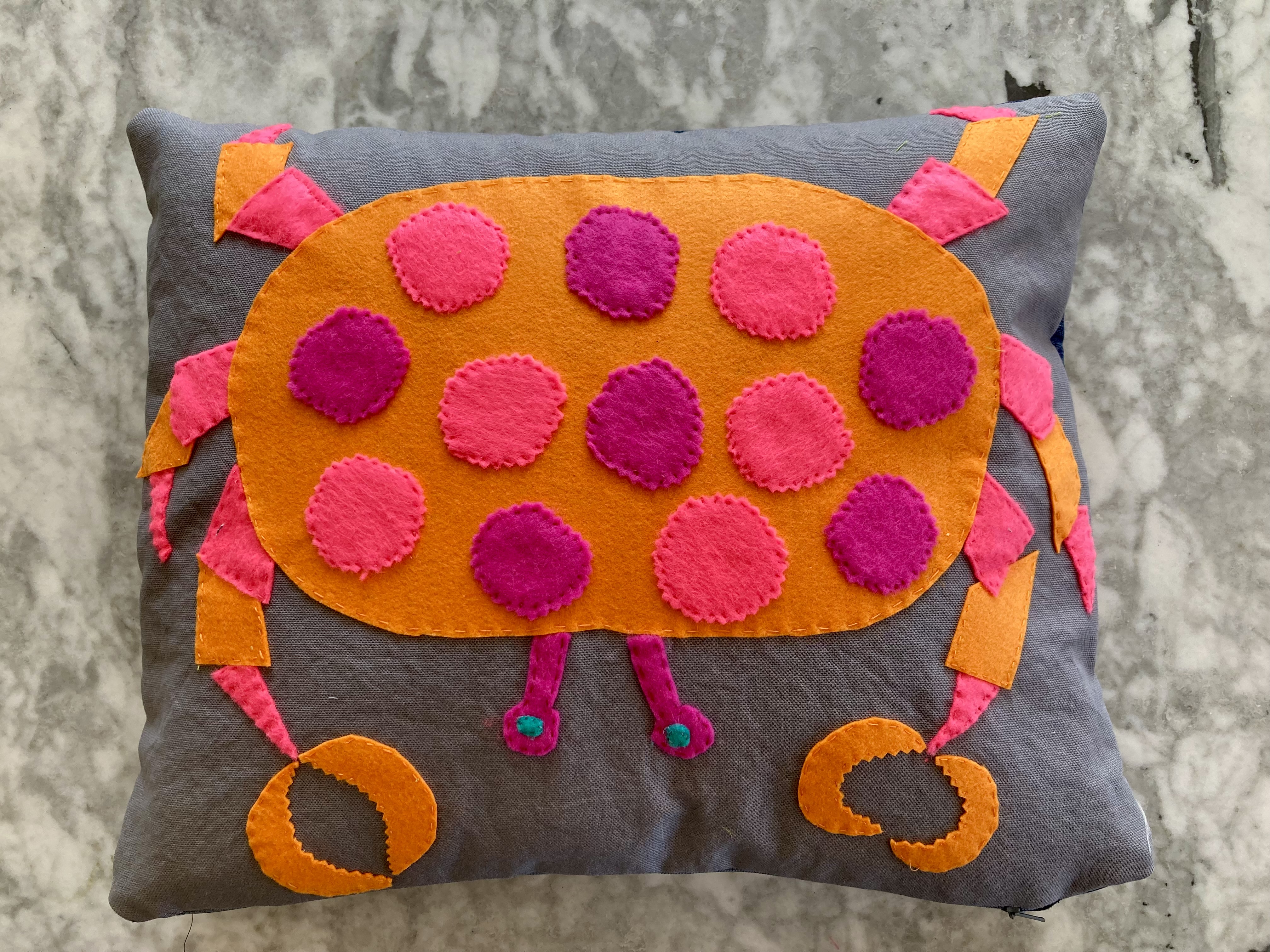
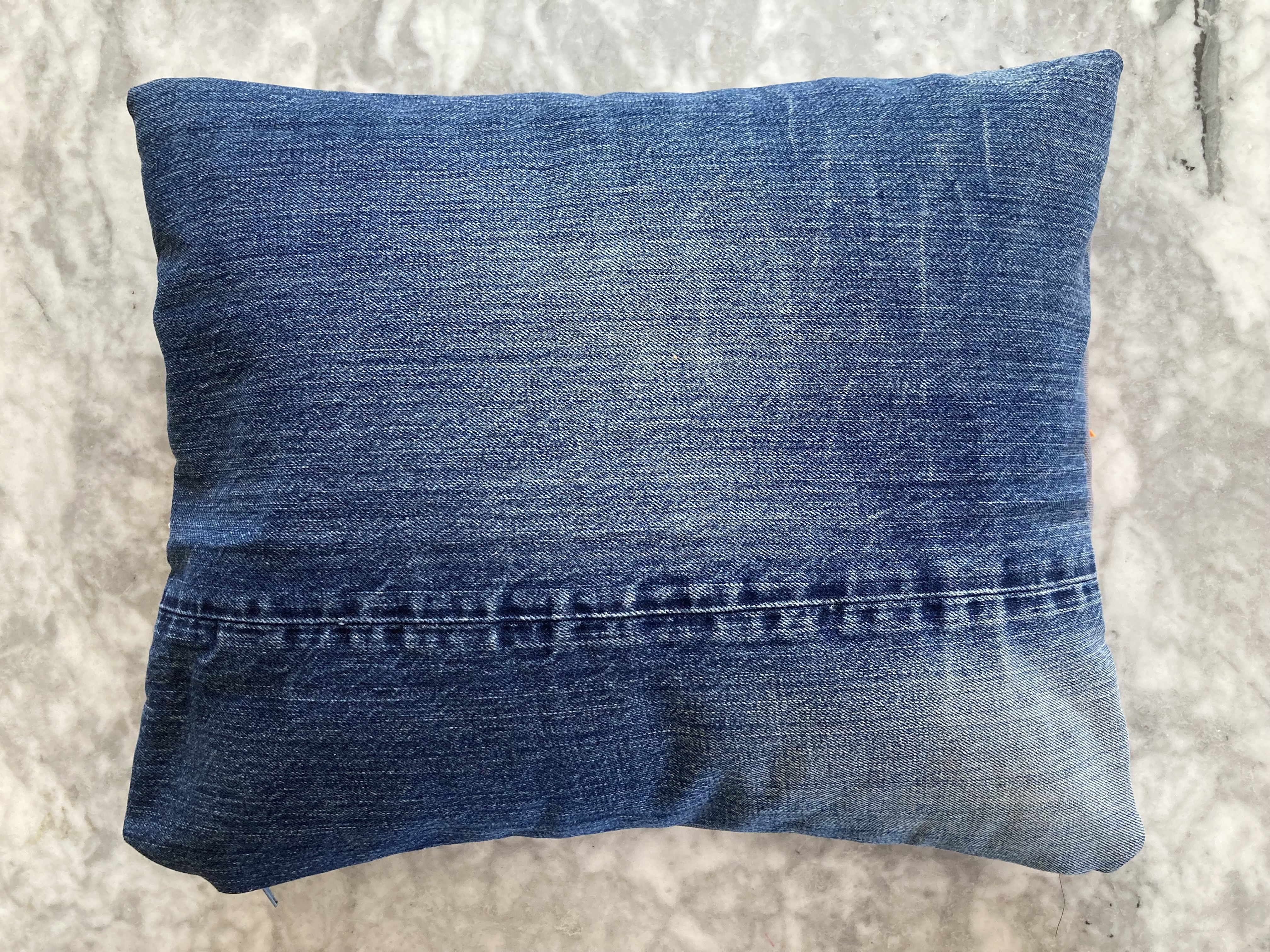
It was an easy, fun project and I absolutely love the bright, 1960s colours and friendly, cartoon-like “modern” shapes. I also like sea animals, so perfect. Sadly, I have nowhere to put them and so cannot keep them for myself, but will give them away to friends for birthdays and/or housewarming gifts. Then I can visit the friends and the cushions.
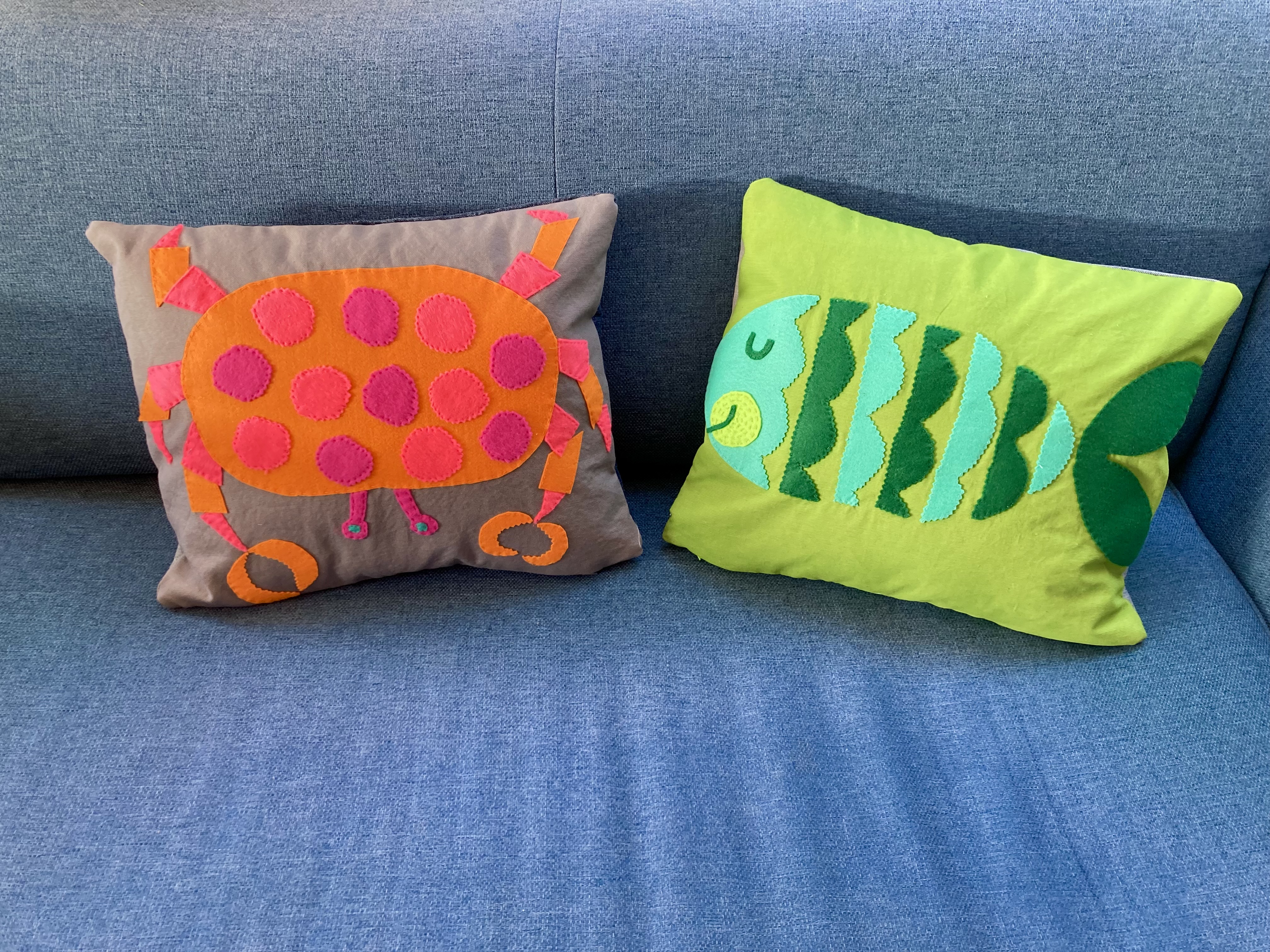

Hope your Spring is going swimmingly!
 September’s issue had a fantastic design of blackwork fish on a cushion. Blackwork is a type of embroidery combining counted-thread patterns (the fillings) with regular crewel embroidery stitches for outlines and details. I loved the way it looked but had never tried it before, so this was another Stitchcraft Sixties debut.


 The pillow was easy to make up, as I didn’t use piping (I thought the design was bold enough that a plain edge would be nicer.) All in all, I love the look of blackwork but don’t like the effort. I guess it’s easier on a looser-weave fabric where you can really see the holes in the weave to count them. It was made as a gift for a friend who I think will really like and appreciate it, and I feel happy giving it to her, as I am quite satisfied with the final result.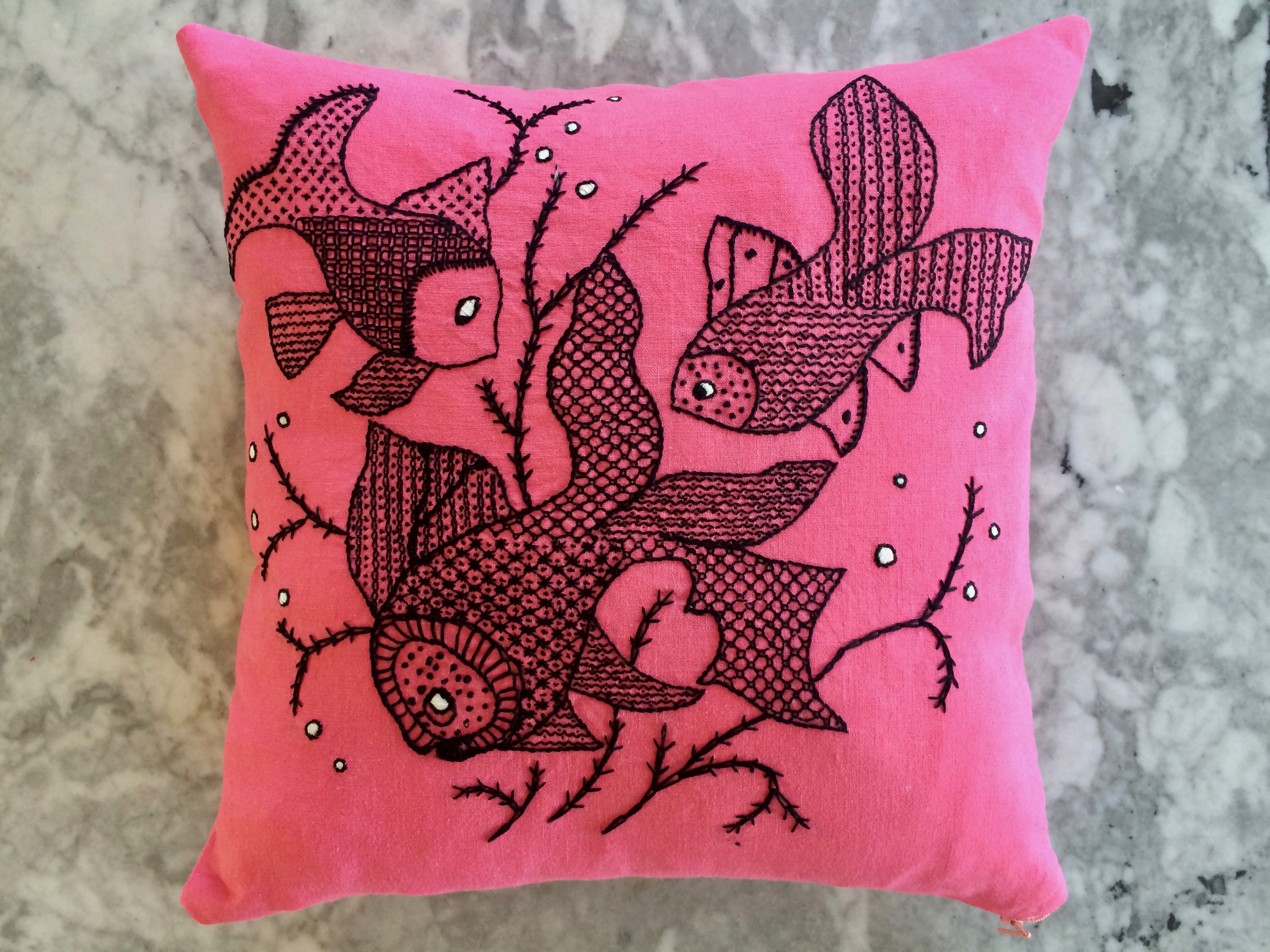
 The Stitchcraft Sixties