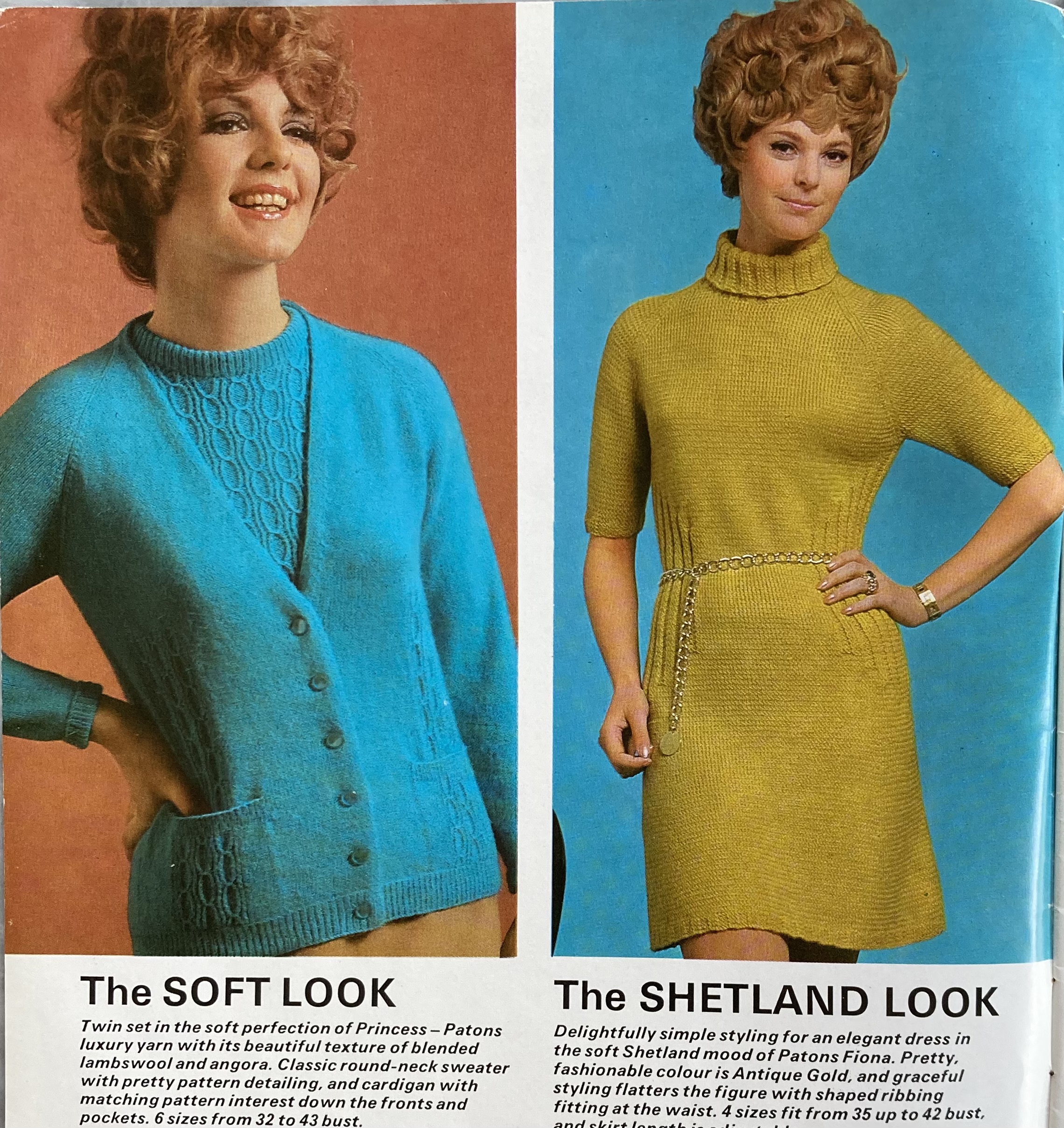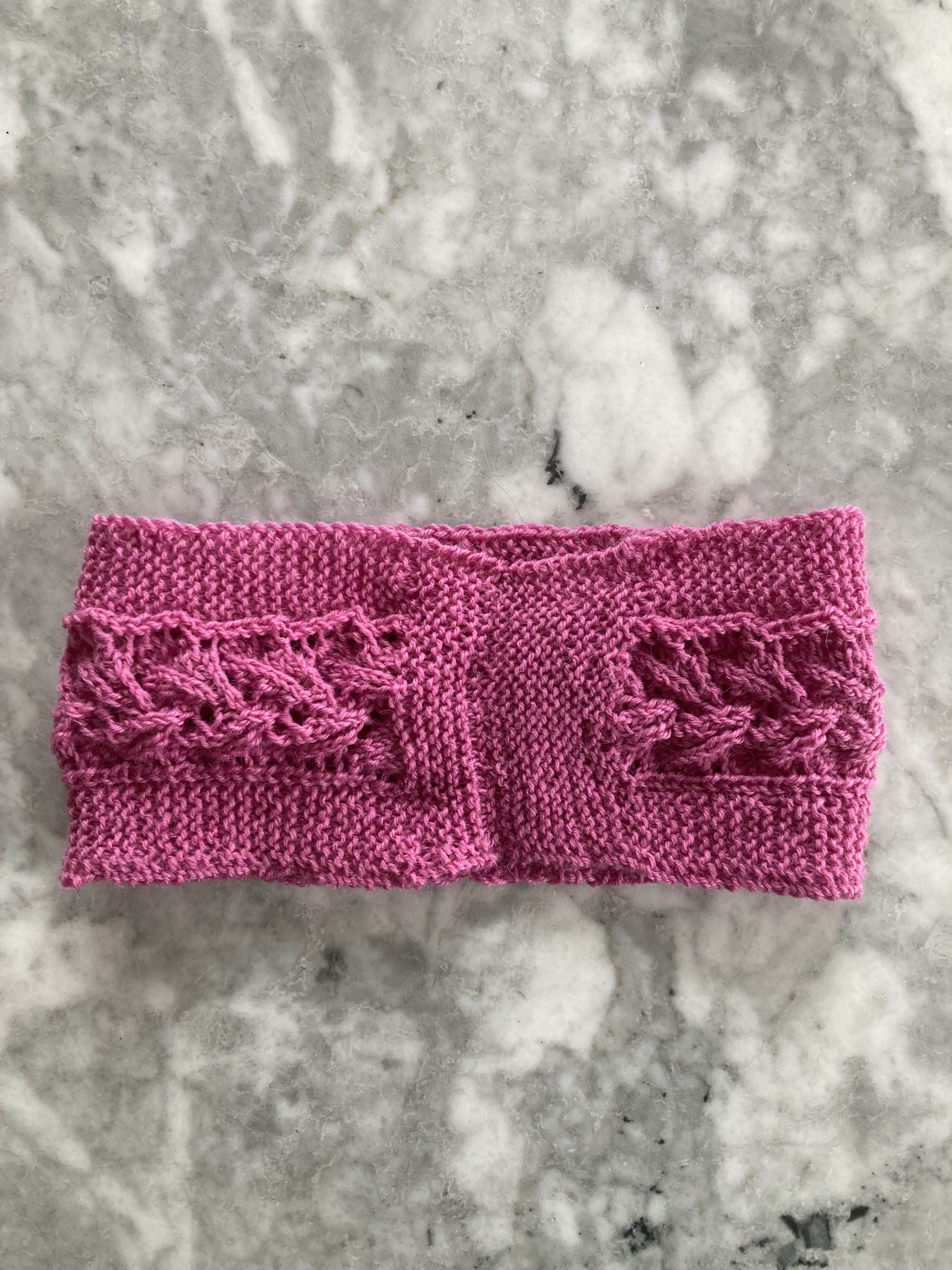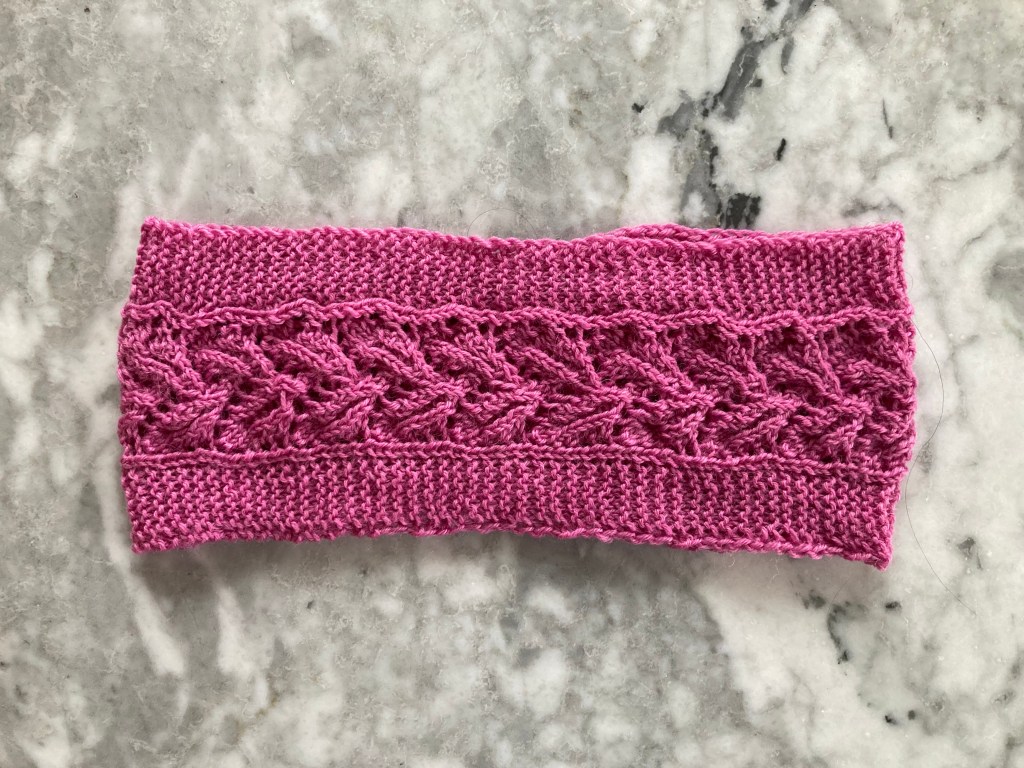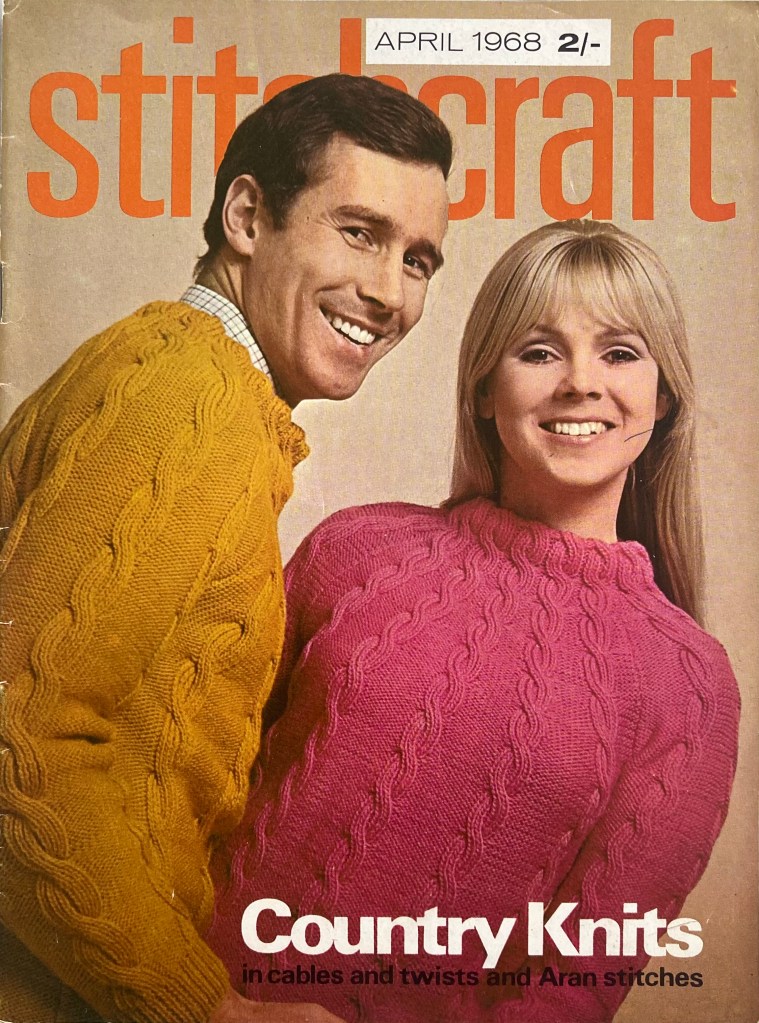
February 1968: Overview

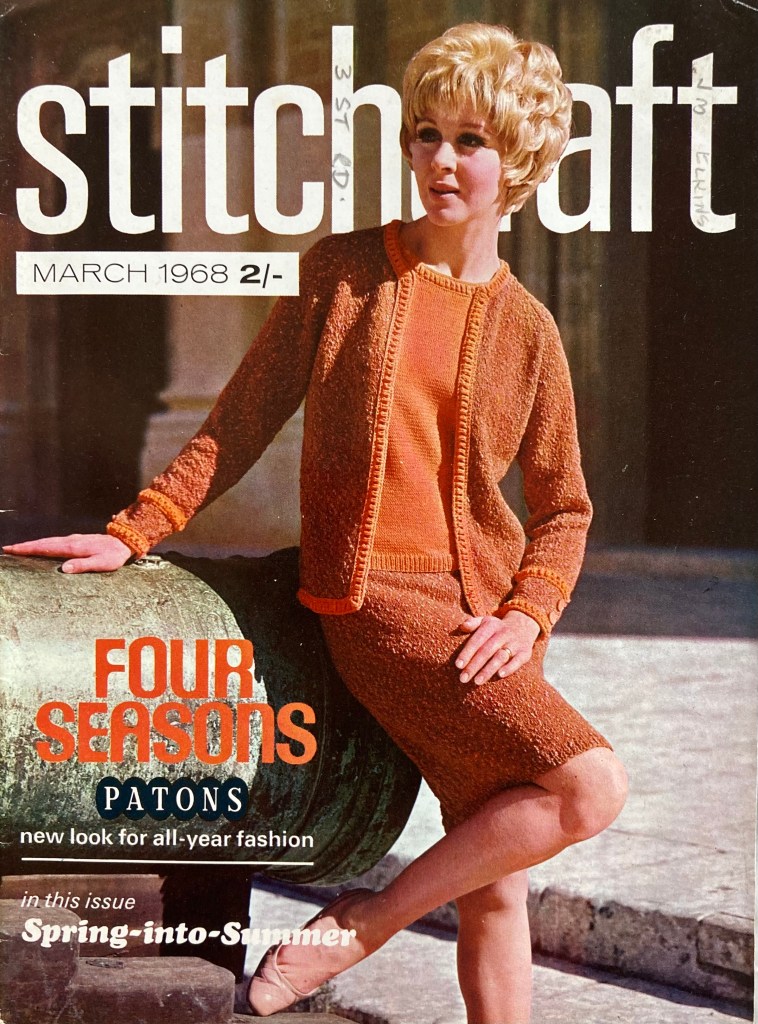
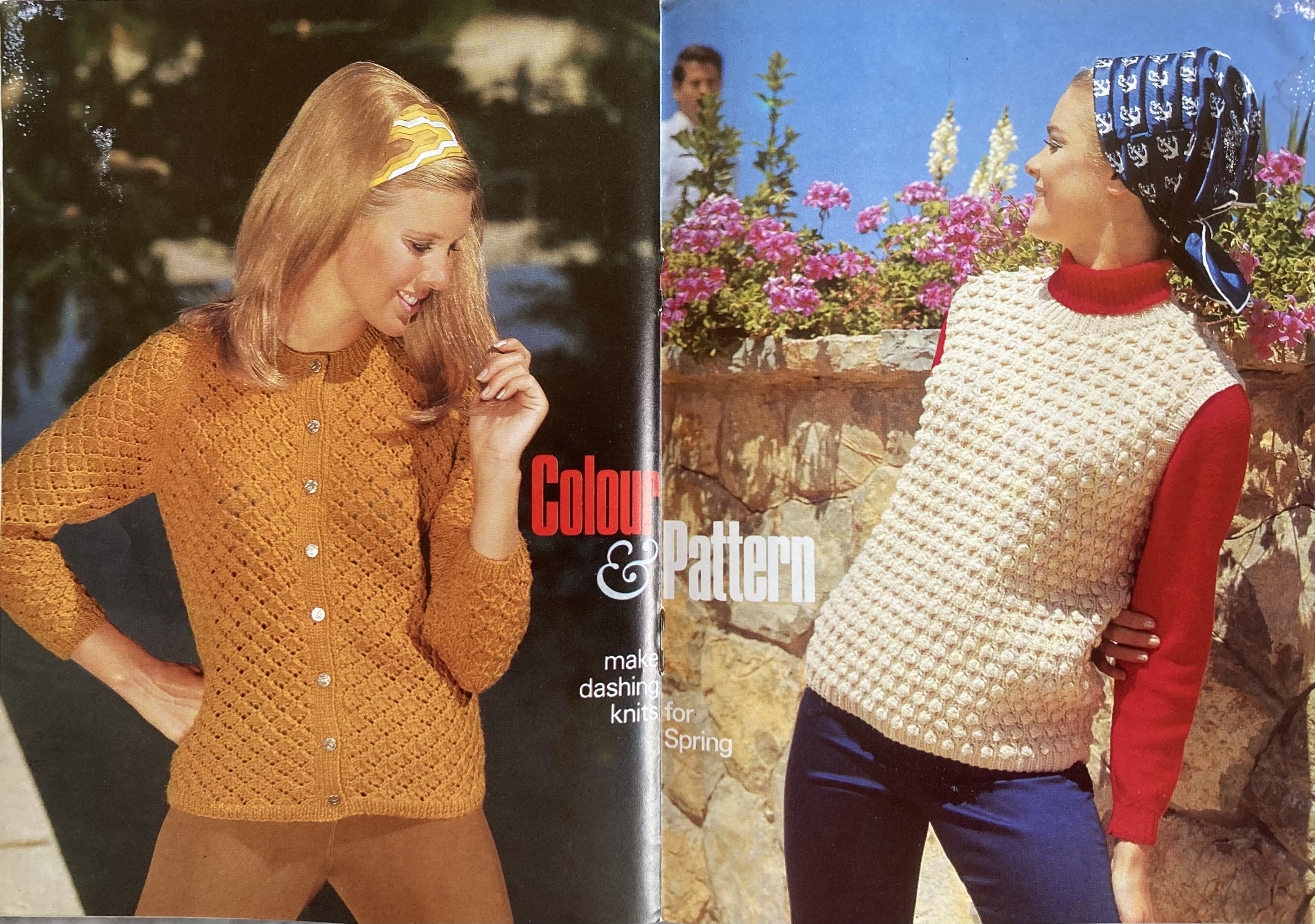
After the “cold snap” predicted in the January 1968 issue of Stitchcraft (and which actually happened throughout the icy, snowy month of January 2026), the February 1968 issue looks toward Spring. There are still plenty of warm things to knit, but the focus is on layering and knitwear as outerwear.

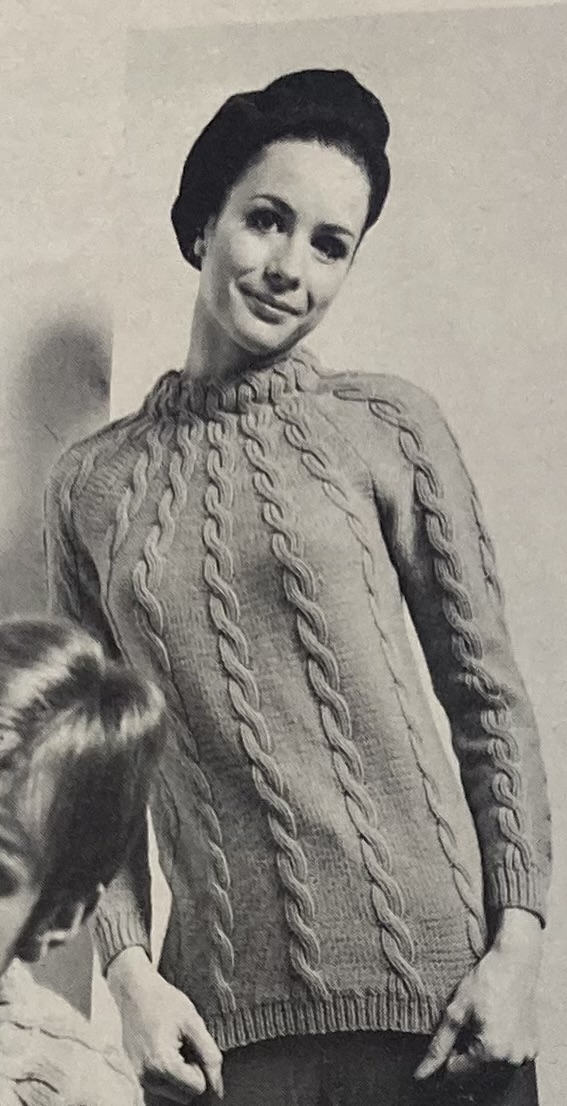
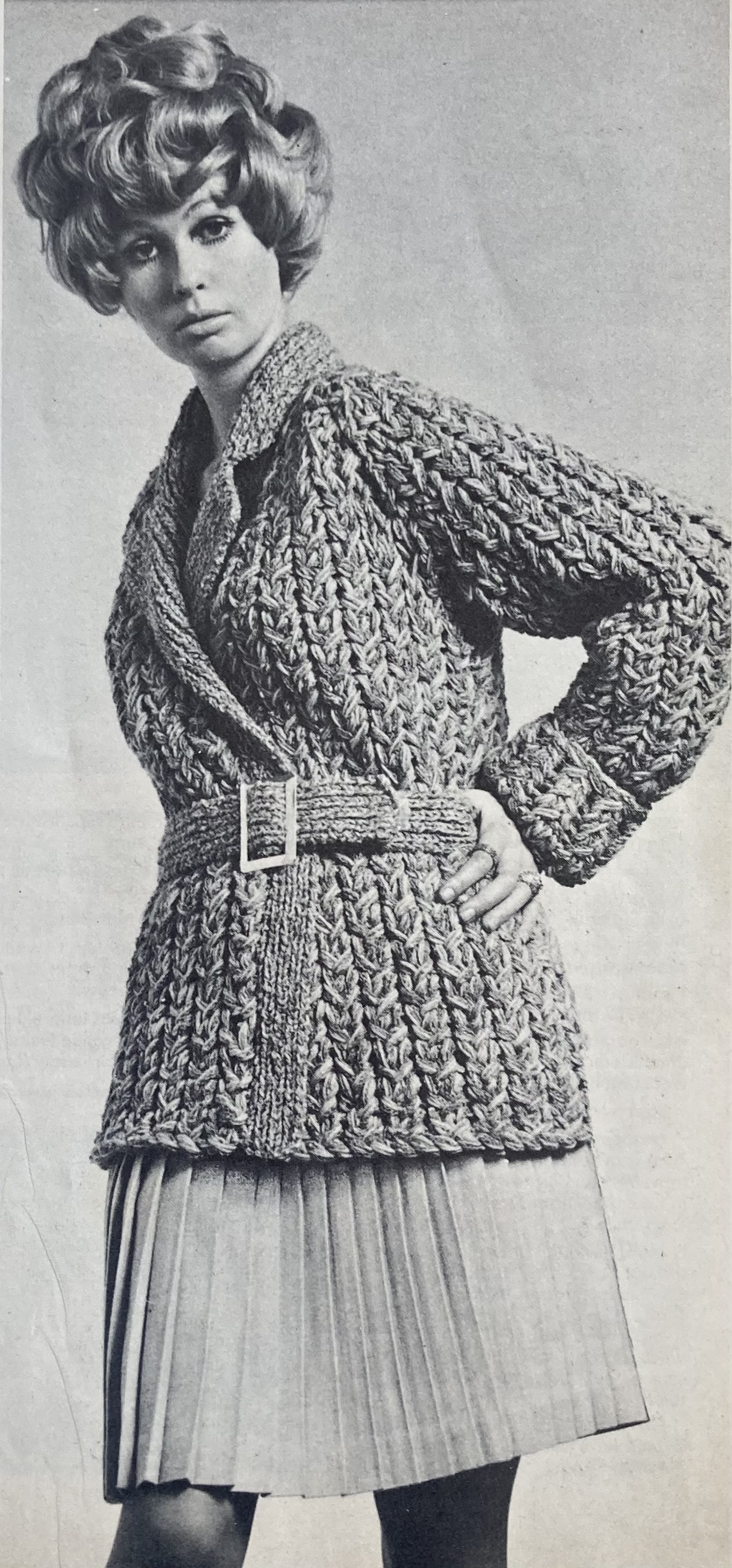
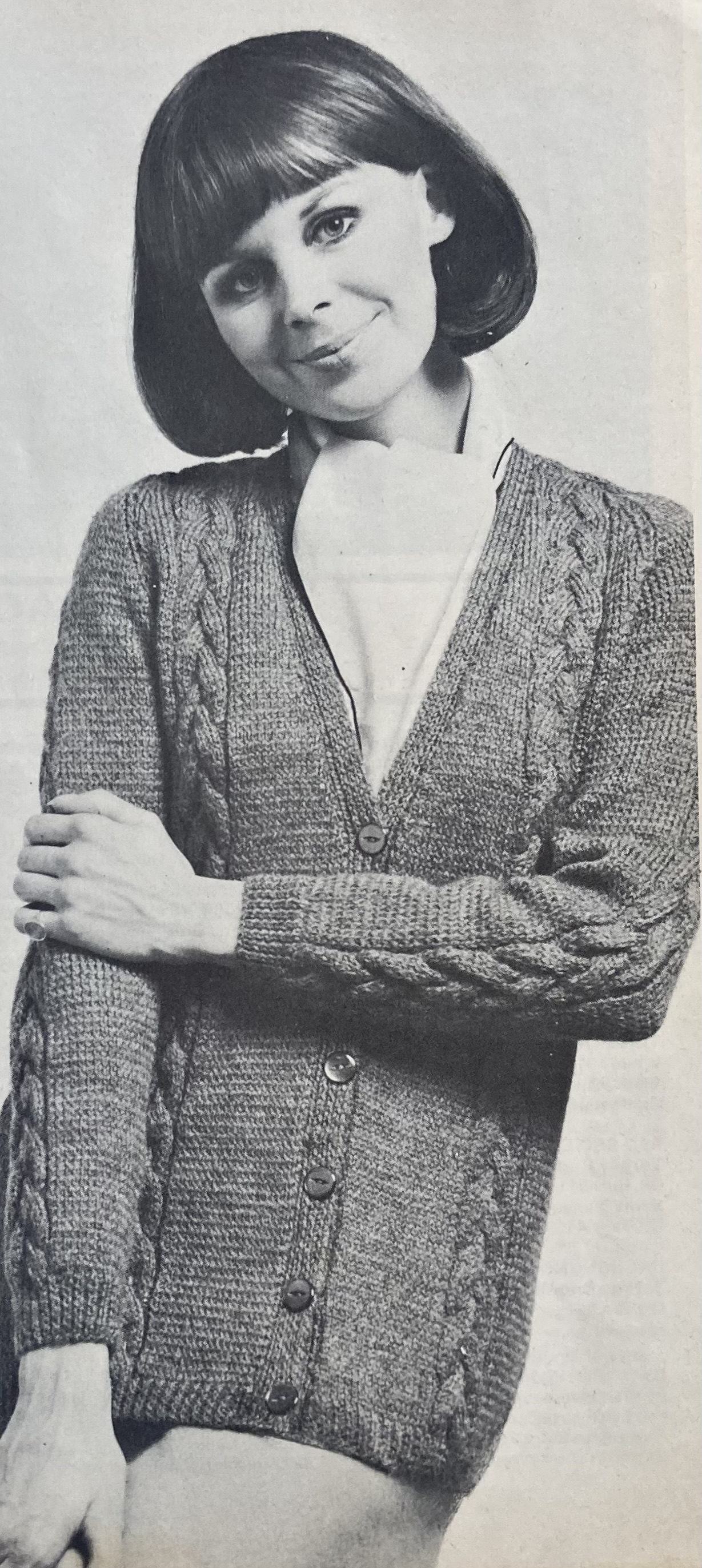
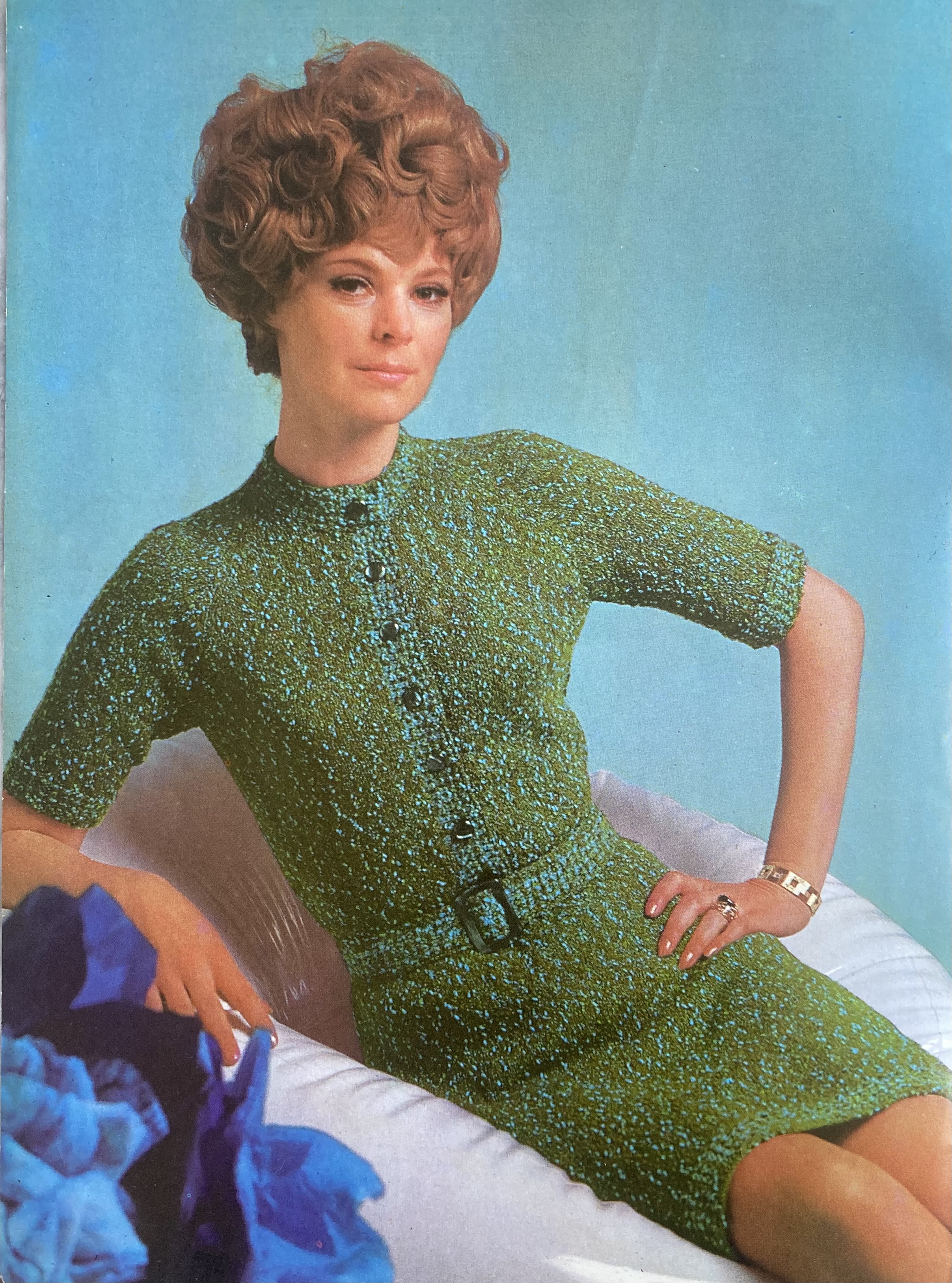
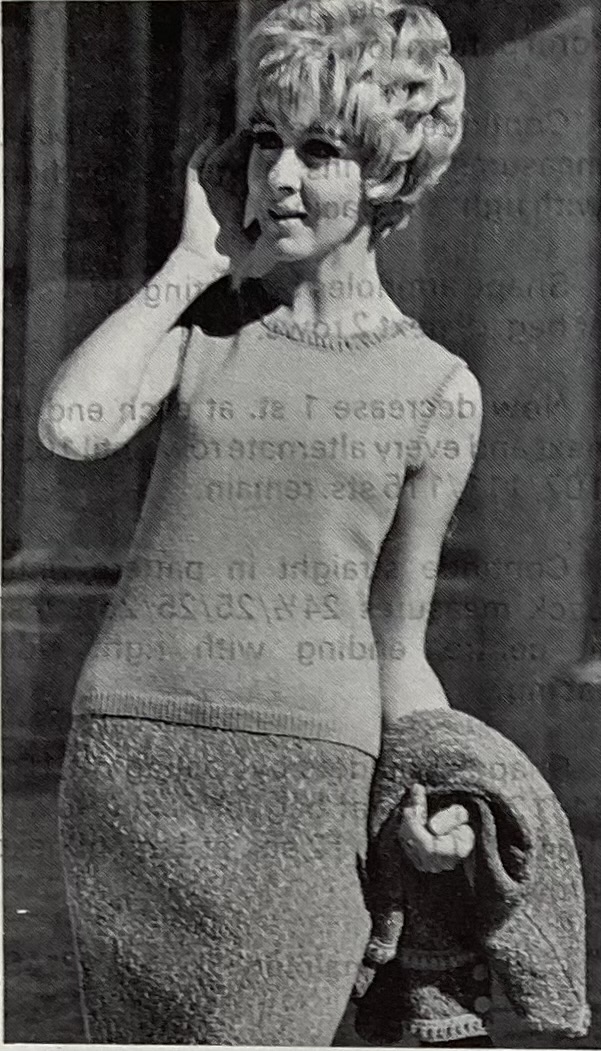
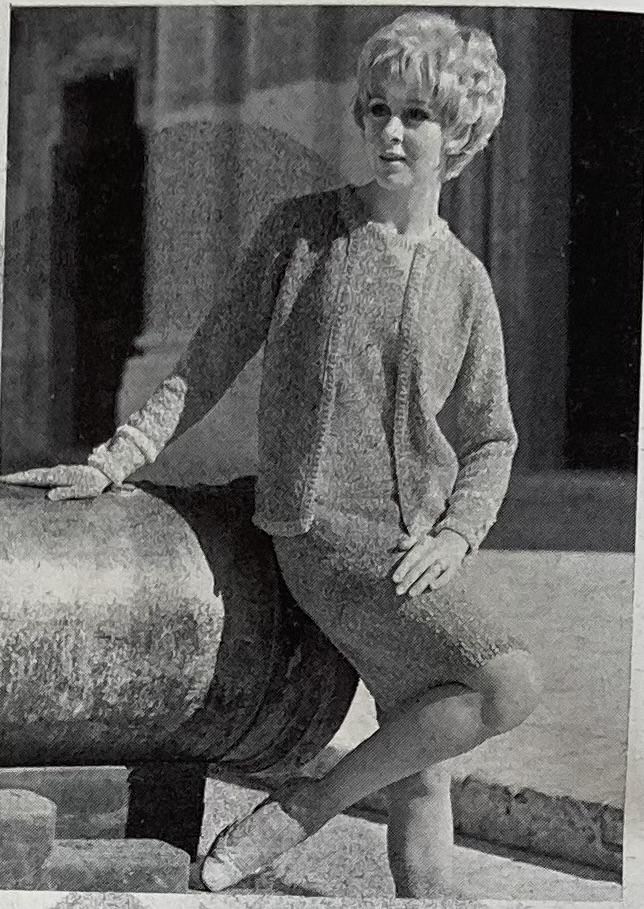
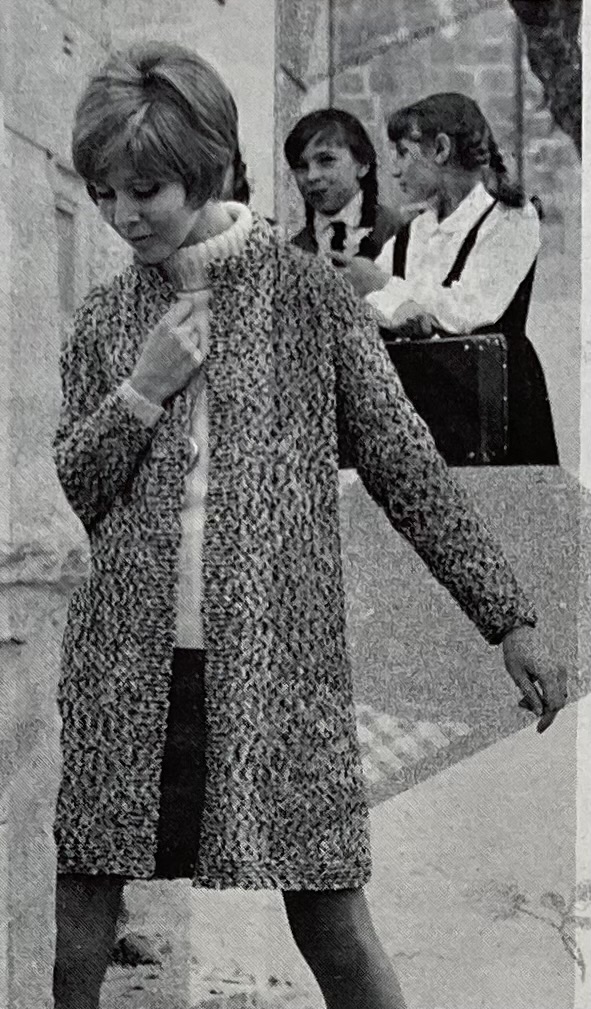
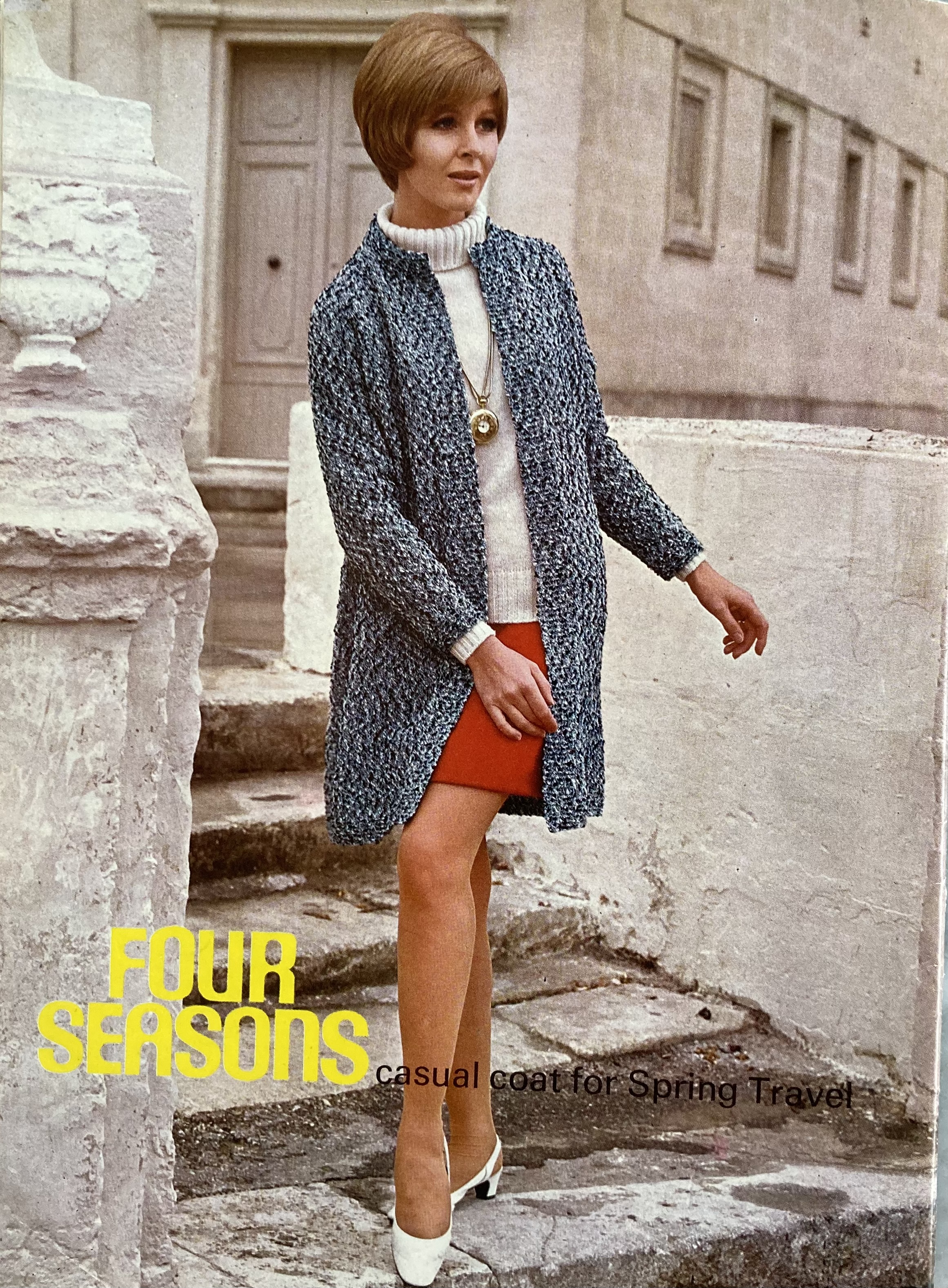
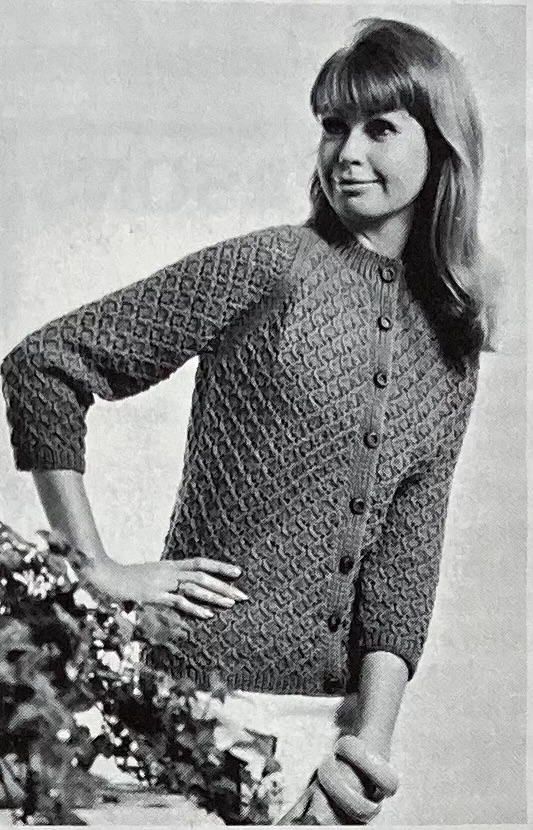
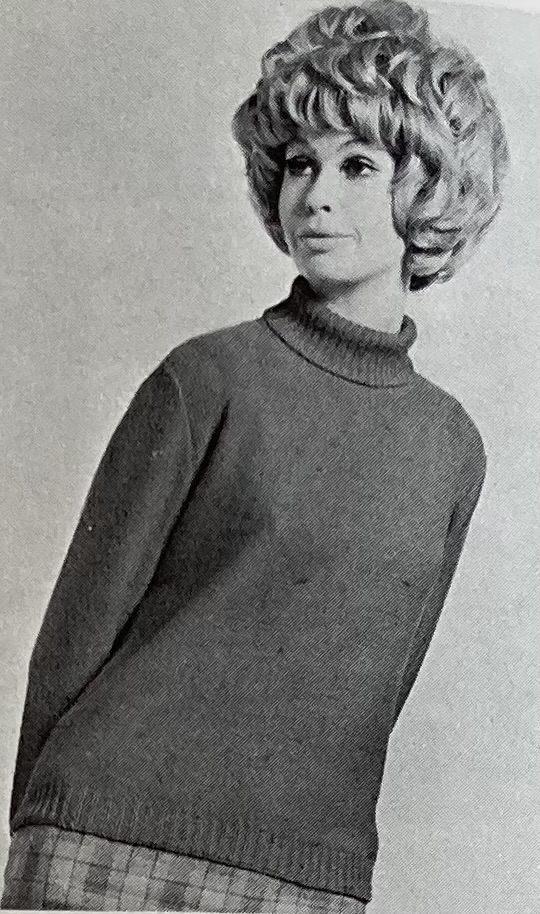
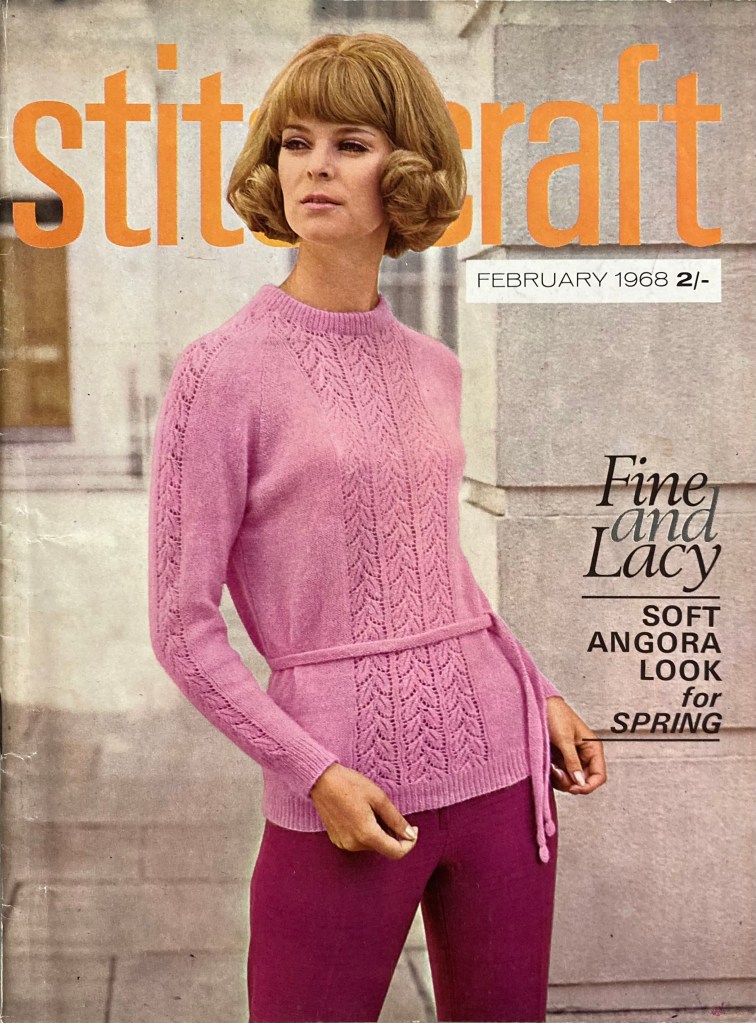
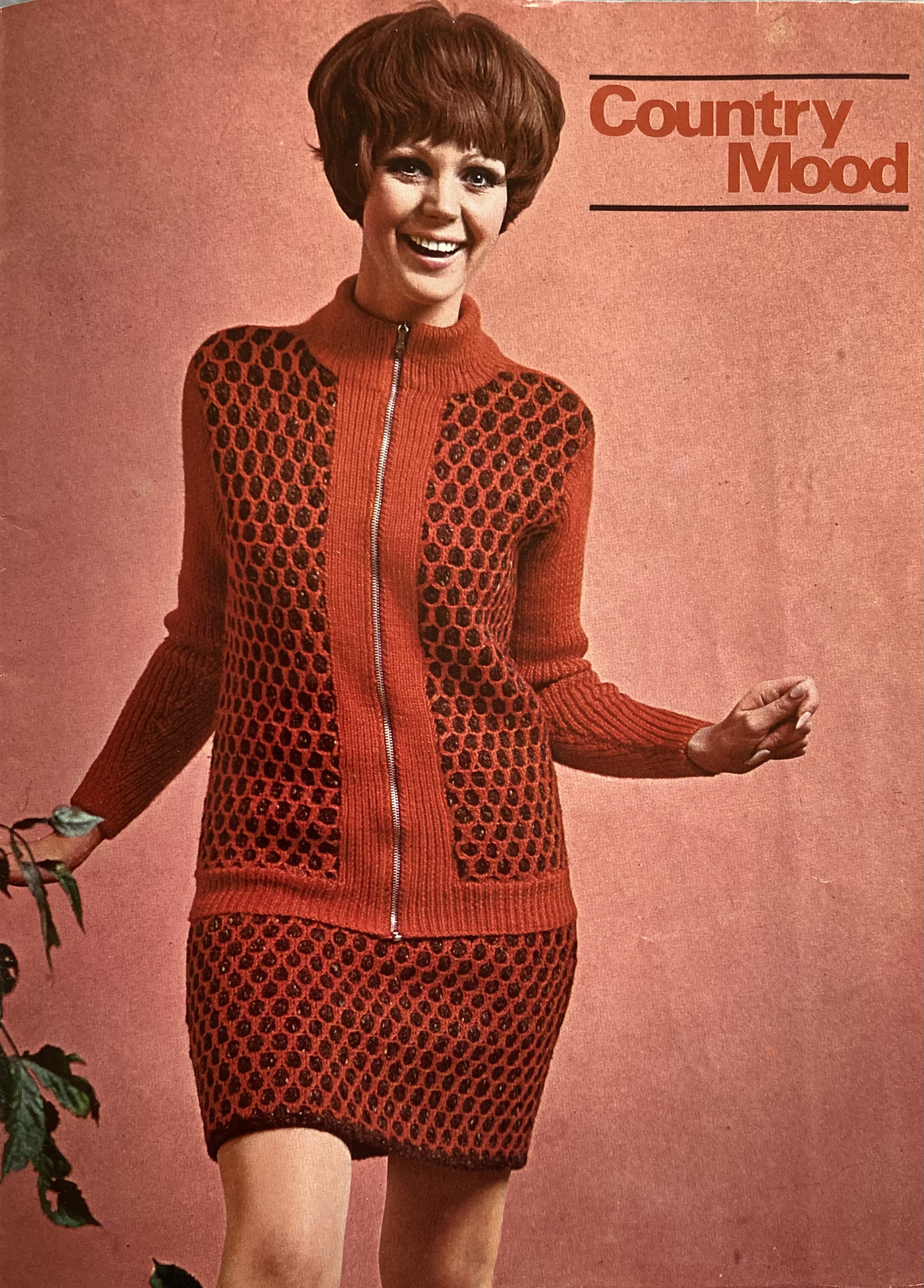
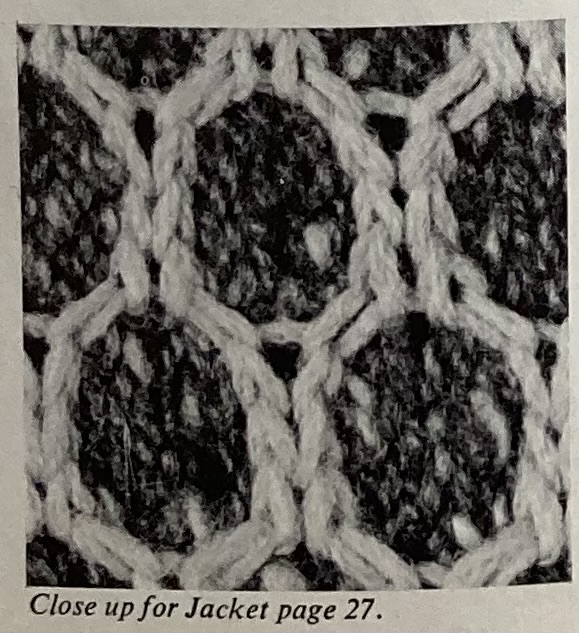
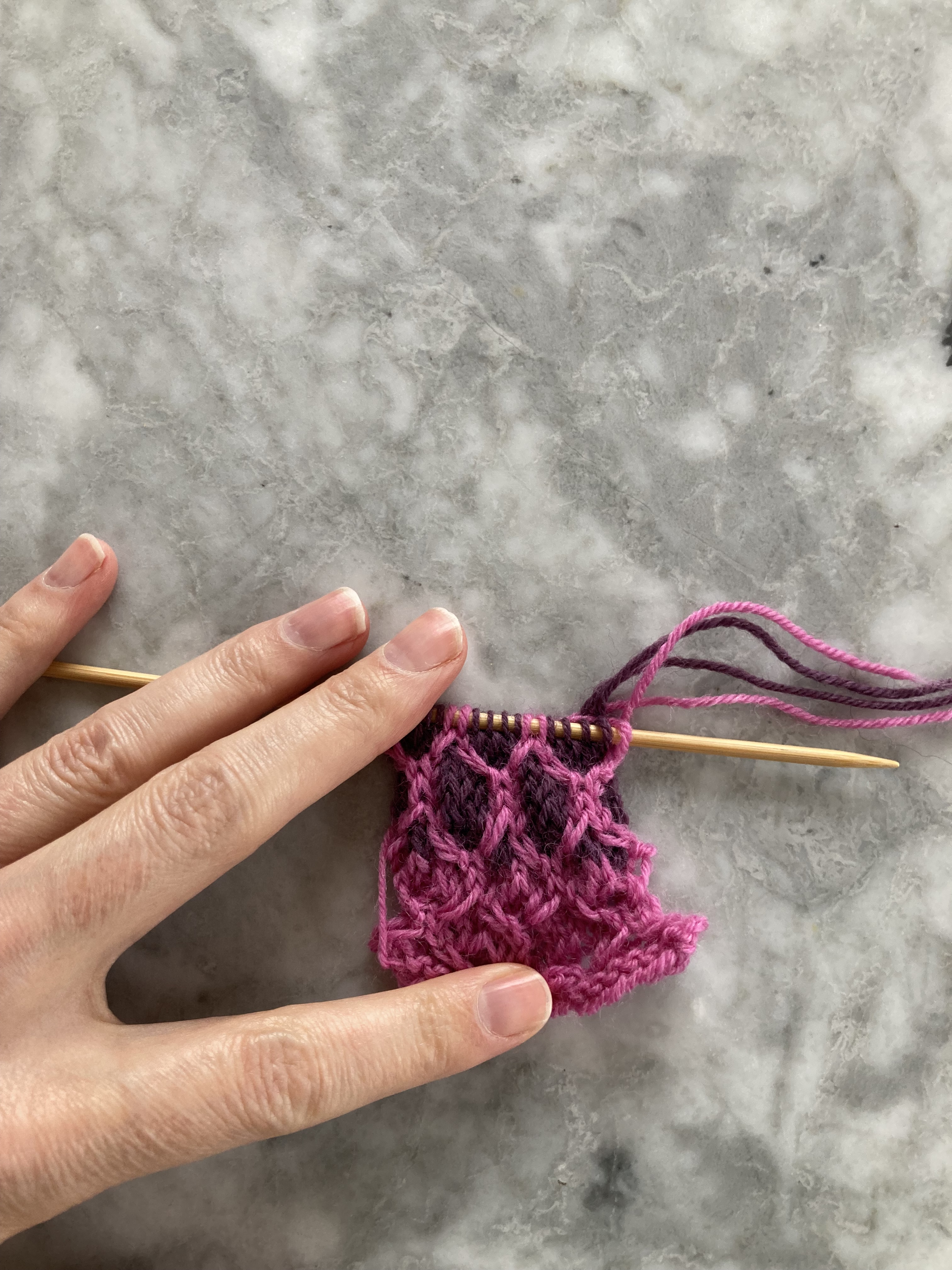
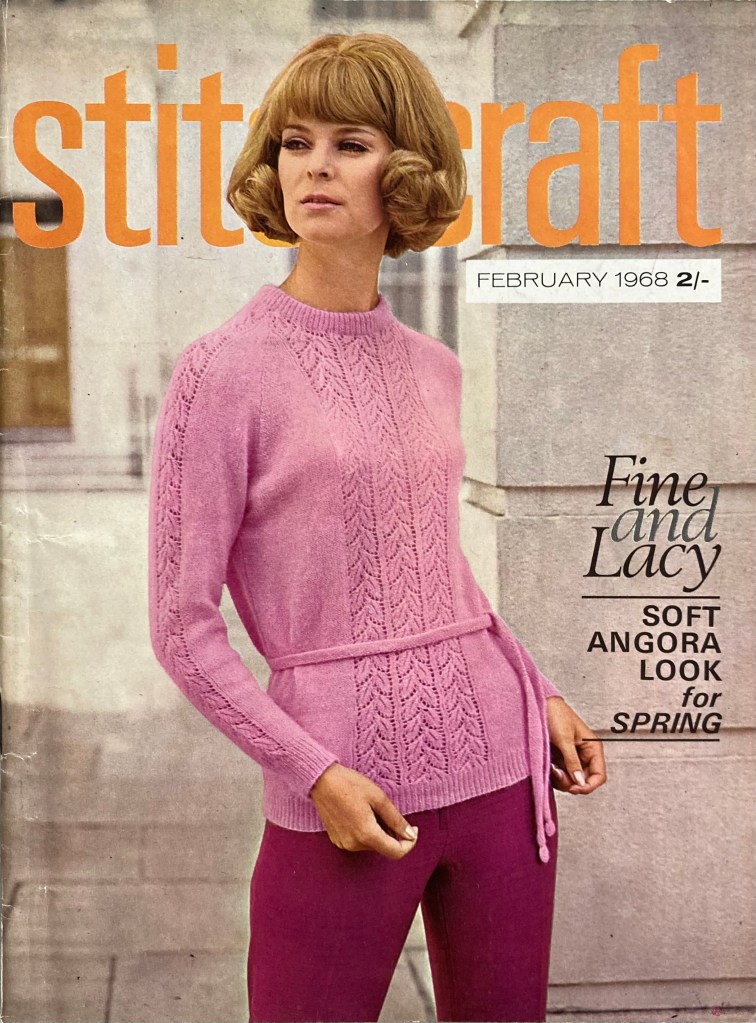
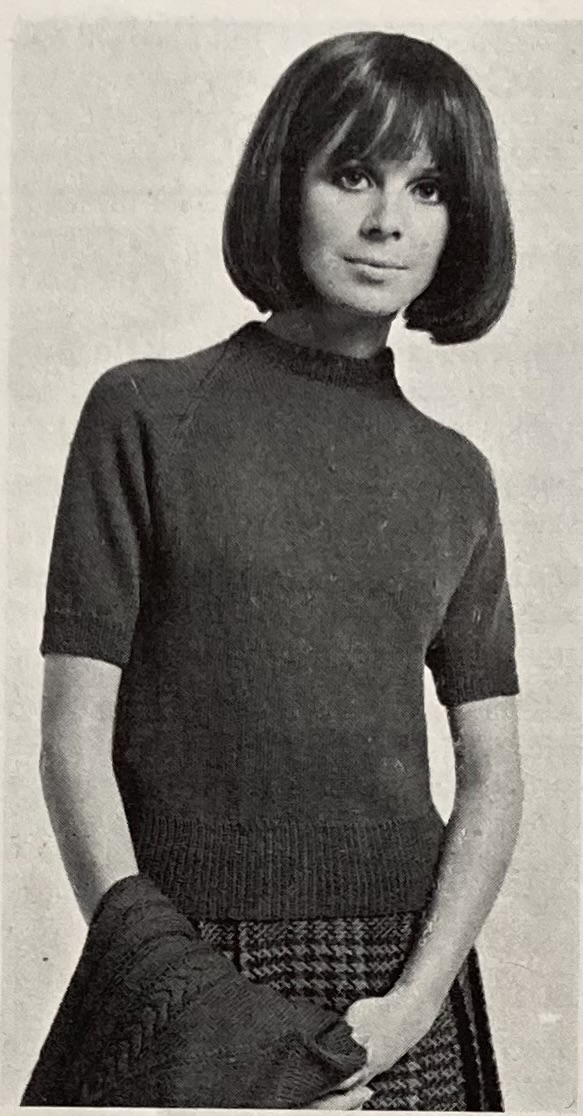
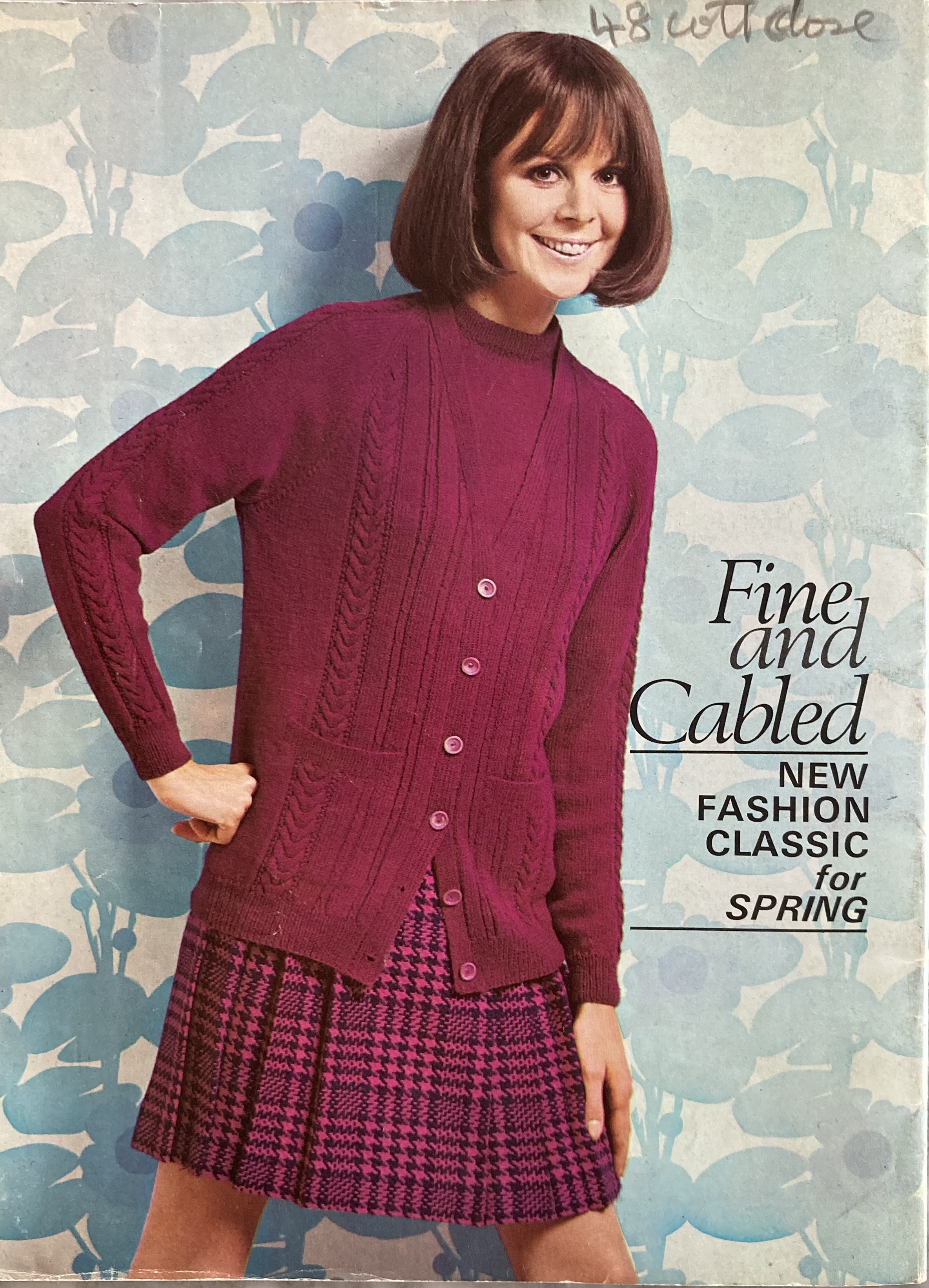
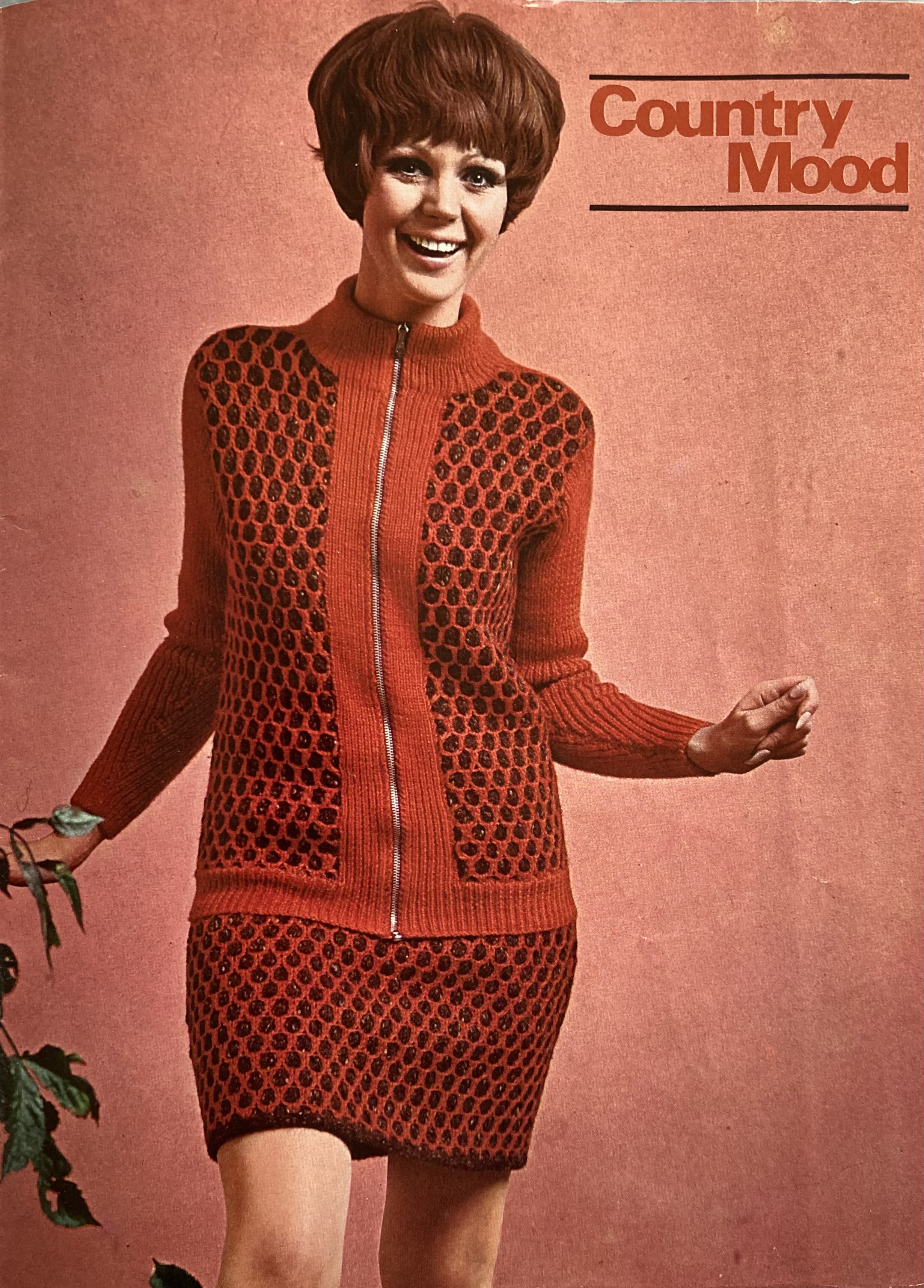
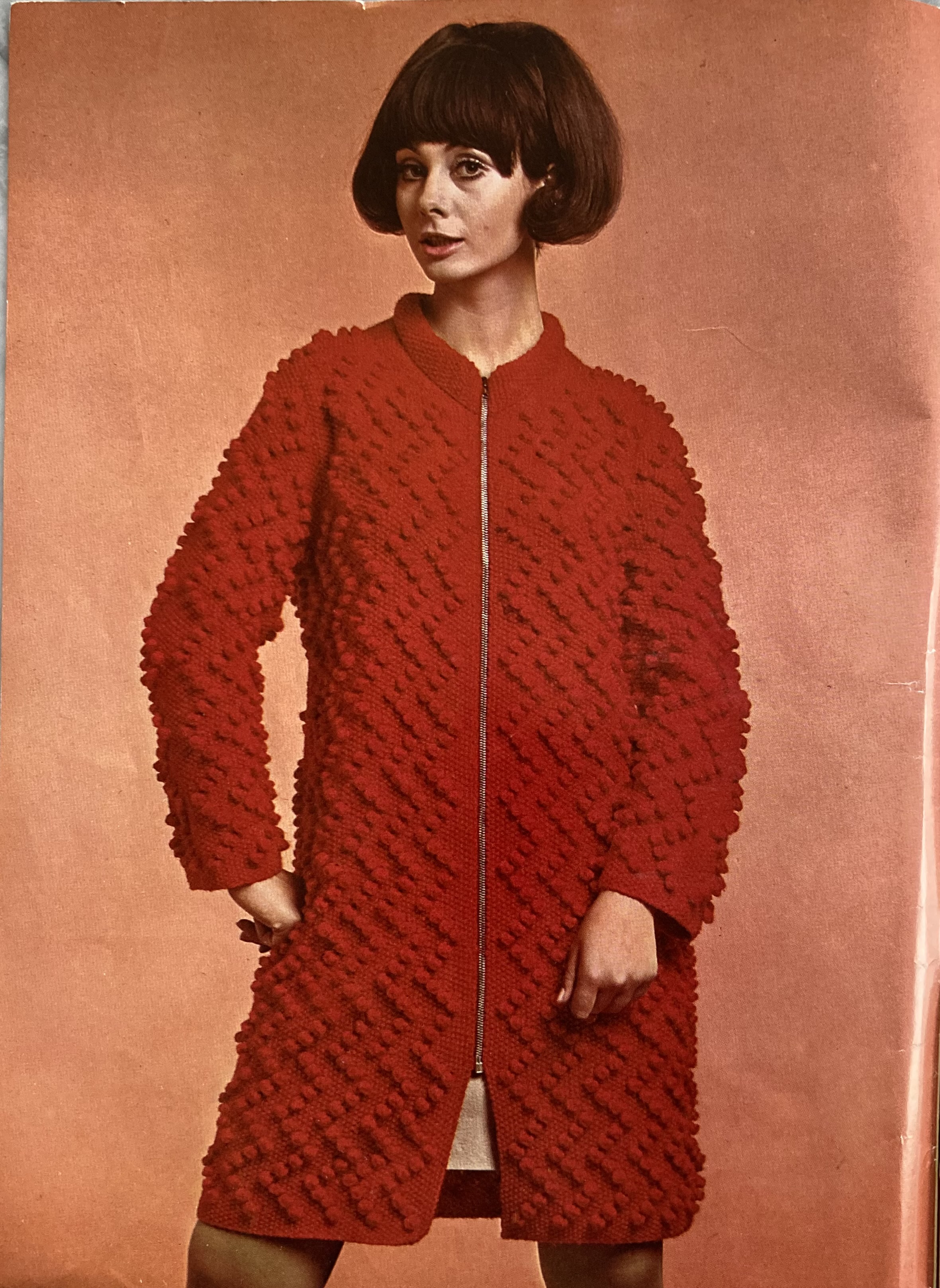
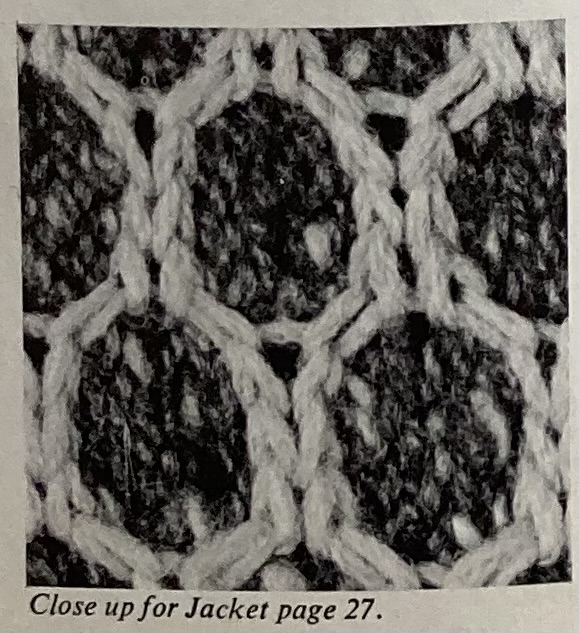
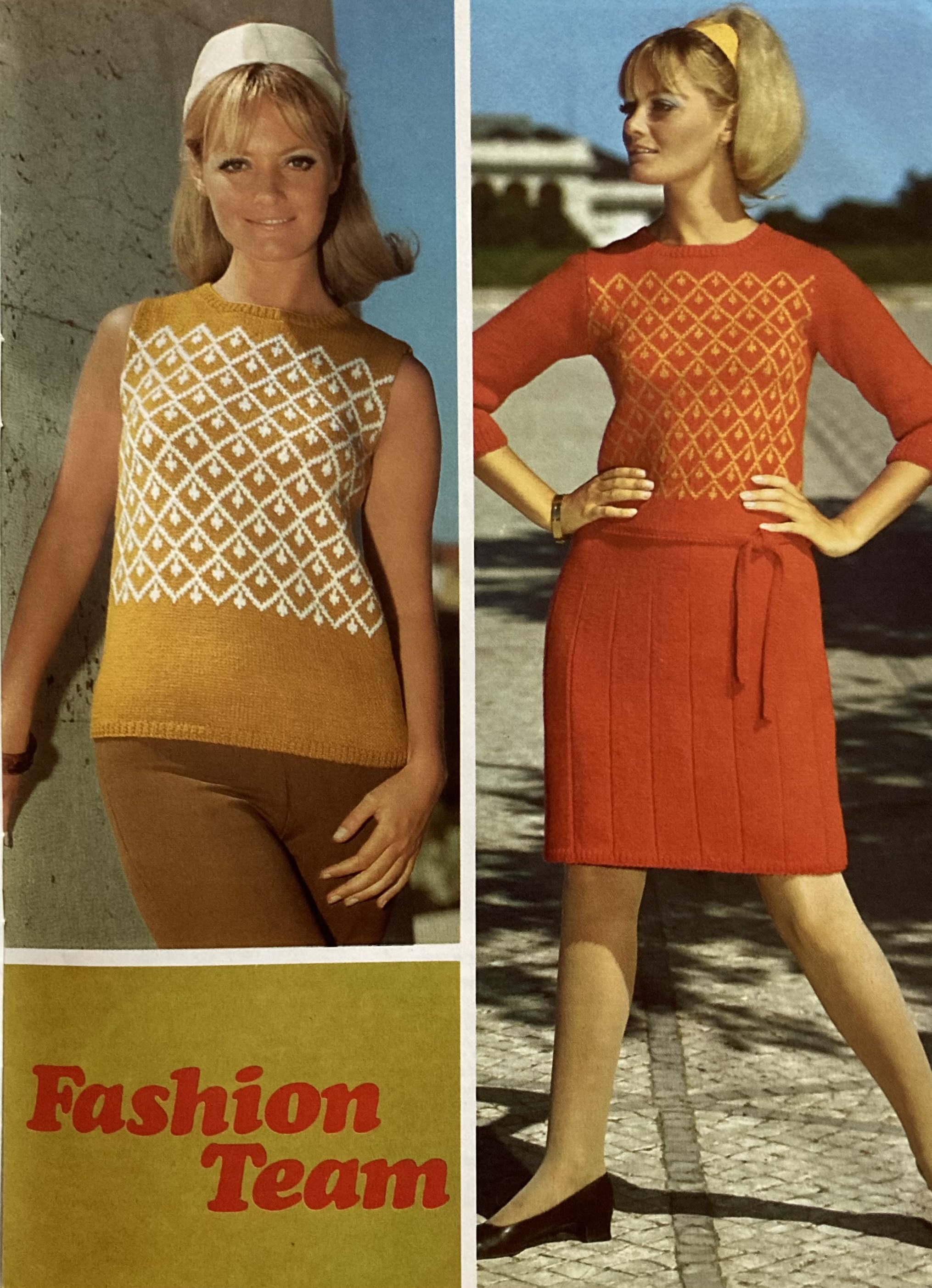
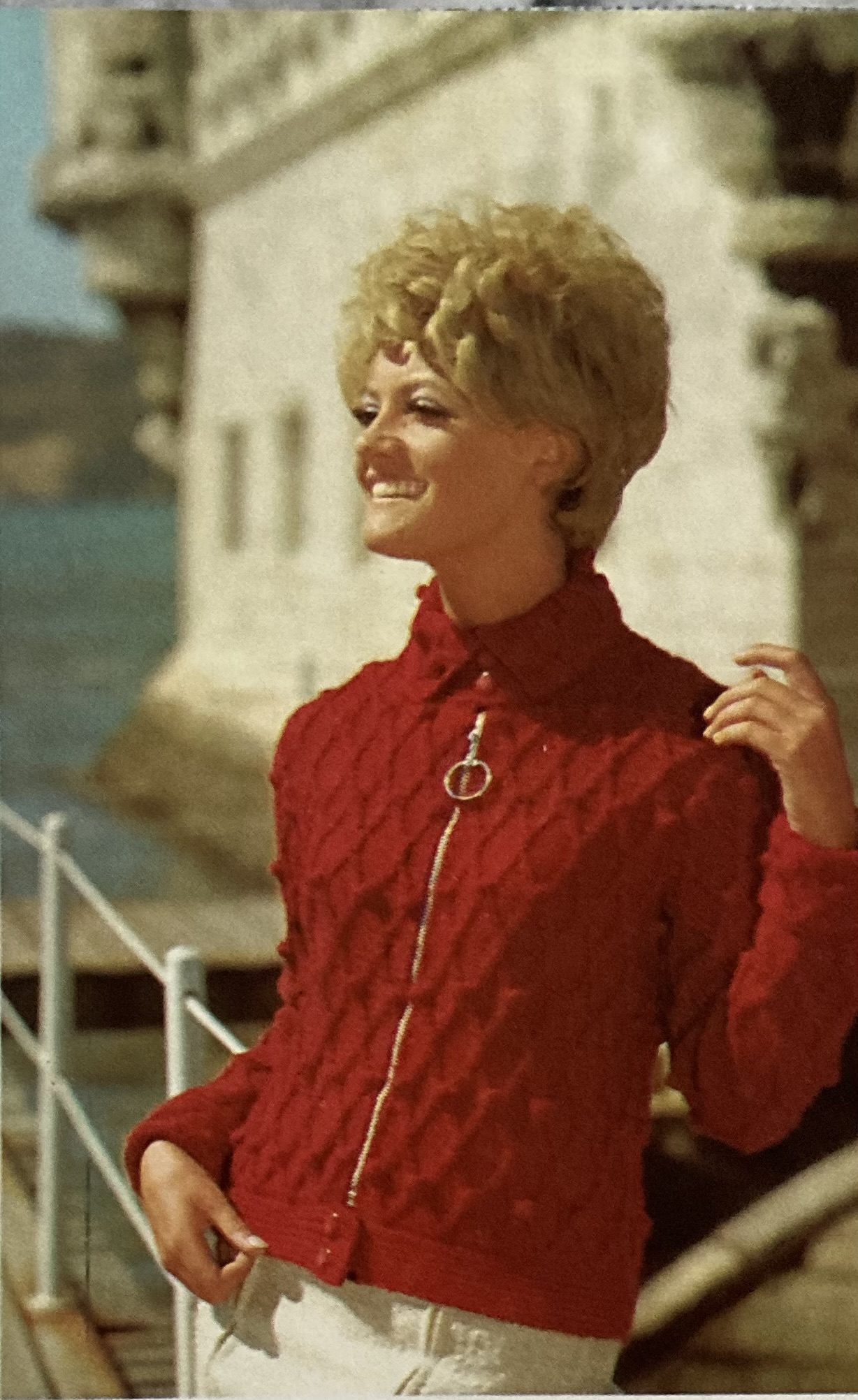
The cover design is a lightweight, but presumably warm pullover in a leafy lace-panel pattern and Patons “Princess” yarn (85% wool, 15% angora.) It’s slimmer, longer, high-necked, and belted — trends that will continue throughout the year. The back-cover design is a twin set in late 60s style, loose-fitting and worn with a kilt-like plaid skirt. It, too, is touted as a “long-liner” and the caption says it can be “belted if you like.” There’s a similar long-and-slim feeling to the “Country Mood” set on the inside back cover, which features a zipped cardigan over a mini-skirt, both in really interesting two-colour trellis pattern. The pattern looks like it would be made with slip-stitches, but is in fact stranded, with twisted stitches to give the trellis effect. Longest of all is the amazing bobble-stitch coat on the inside front cover, weighing in at a whopping 50-54 ounces and similarly zipped up the front.
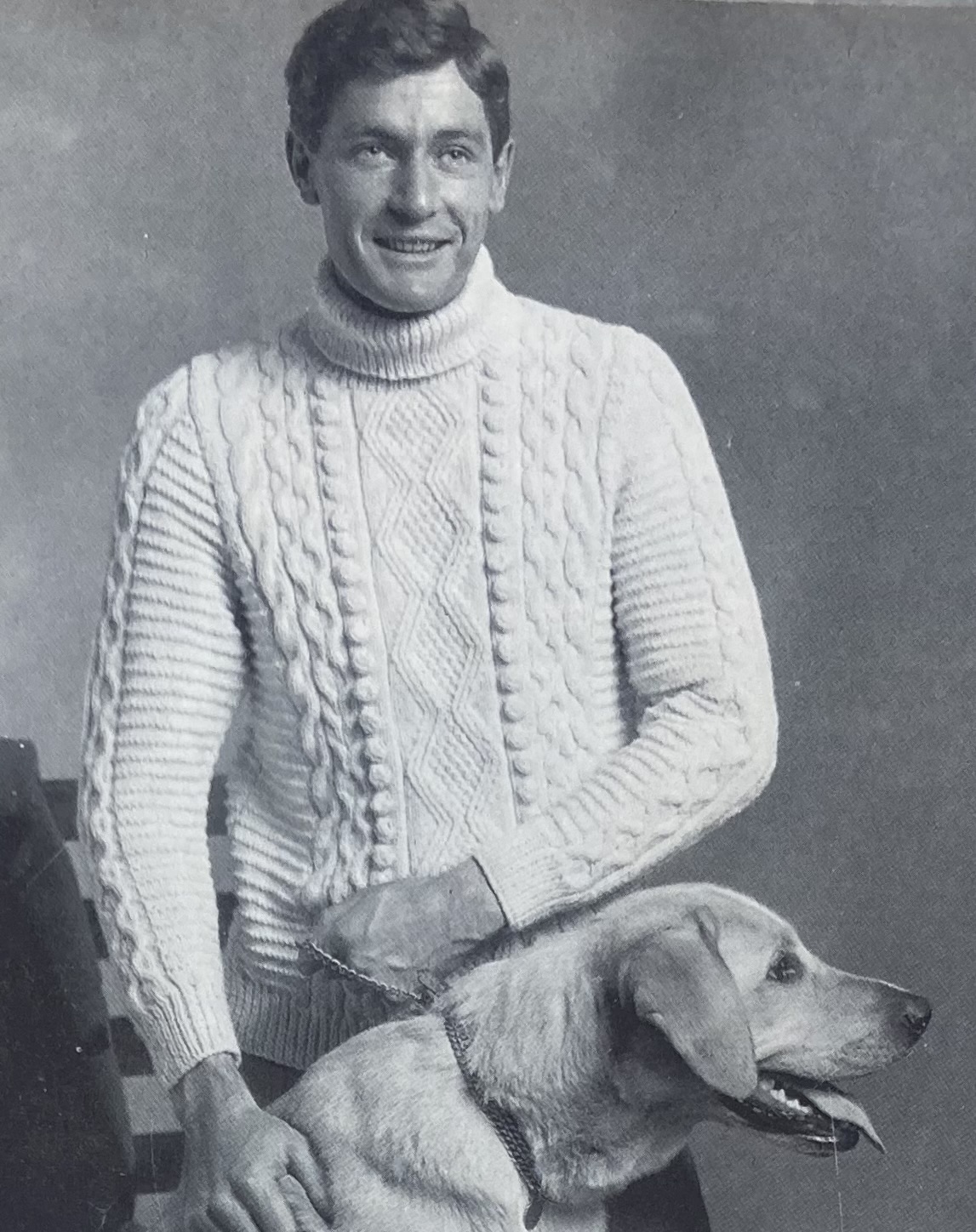
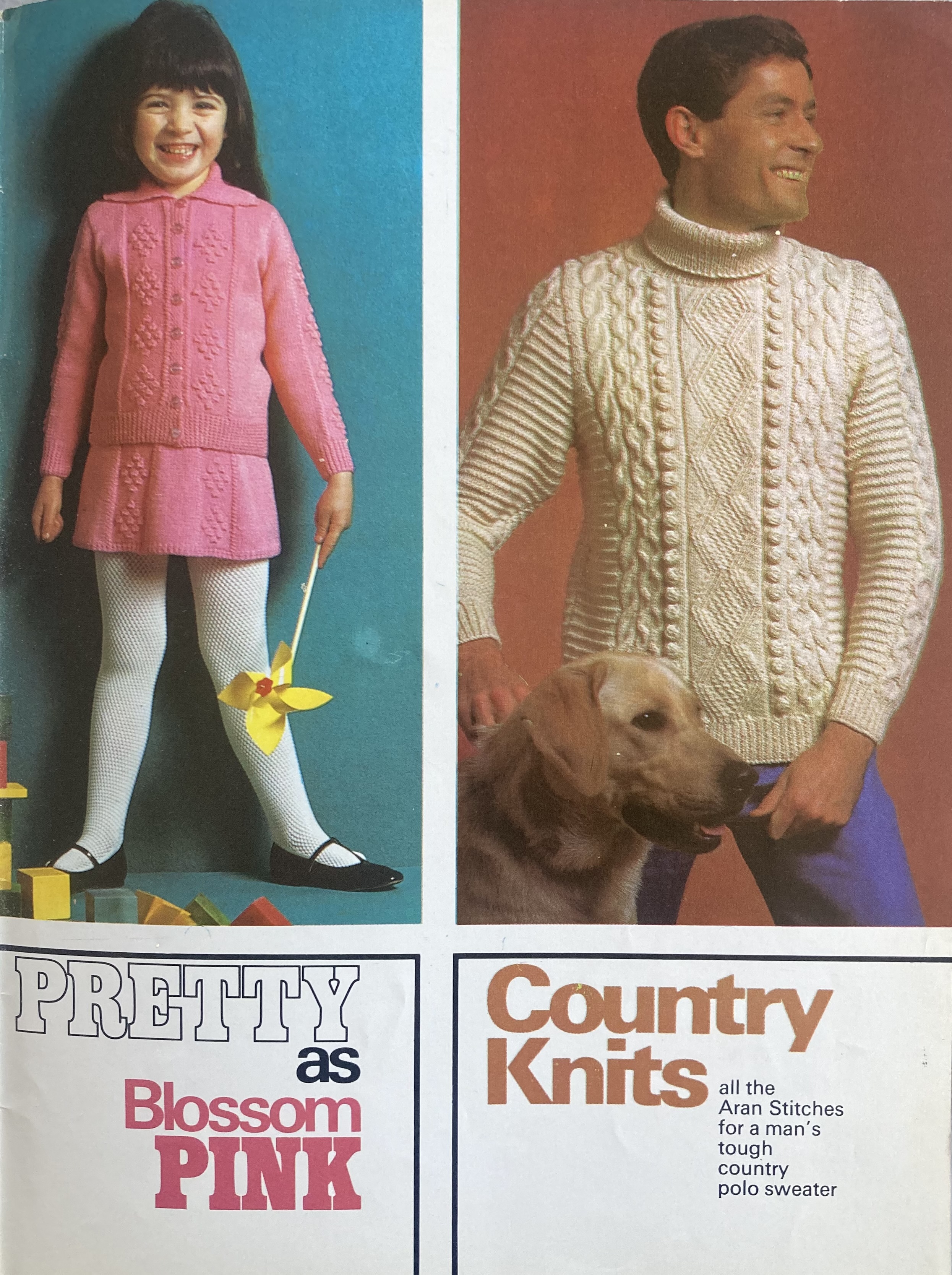
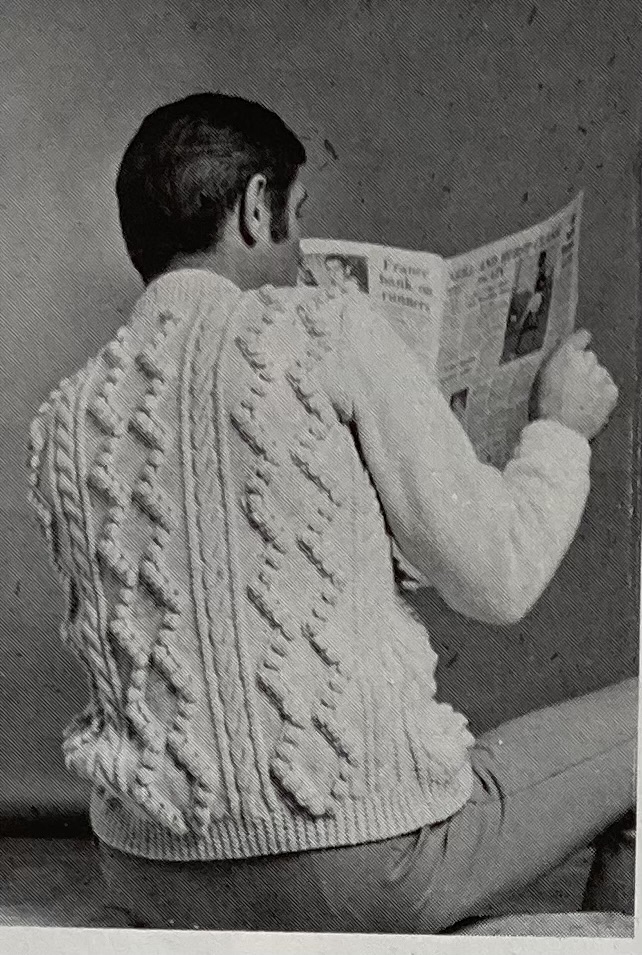
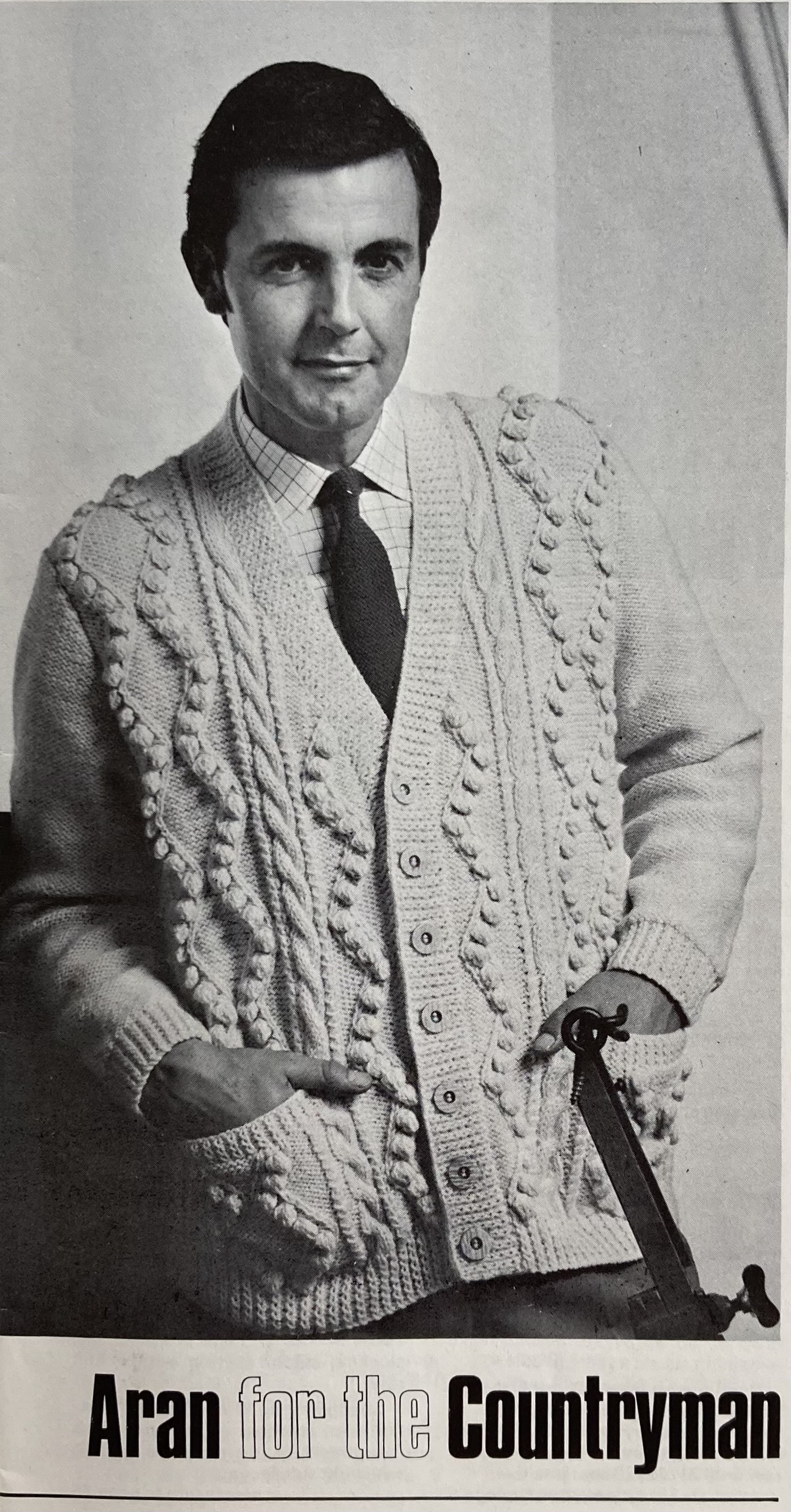
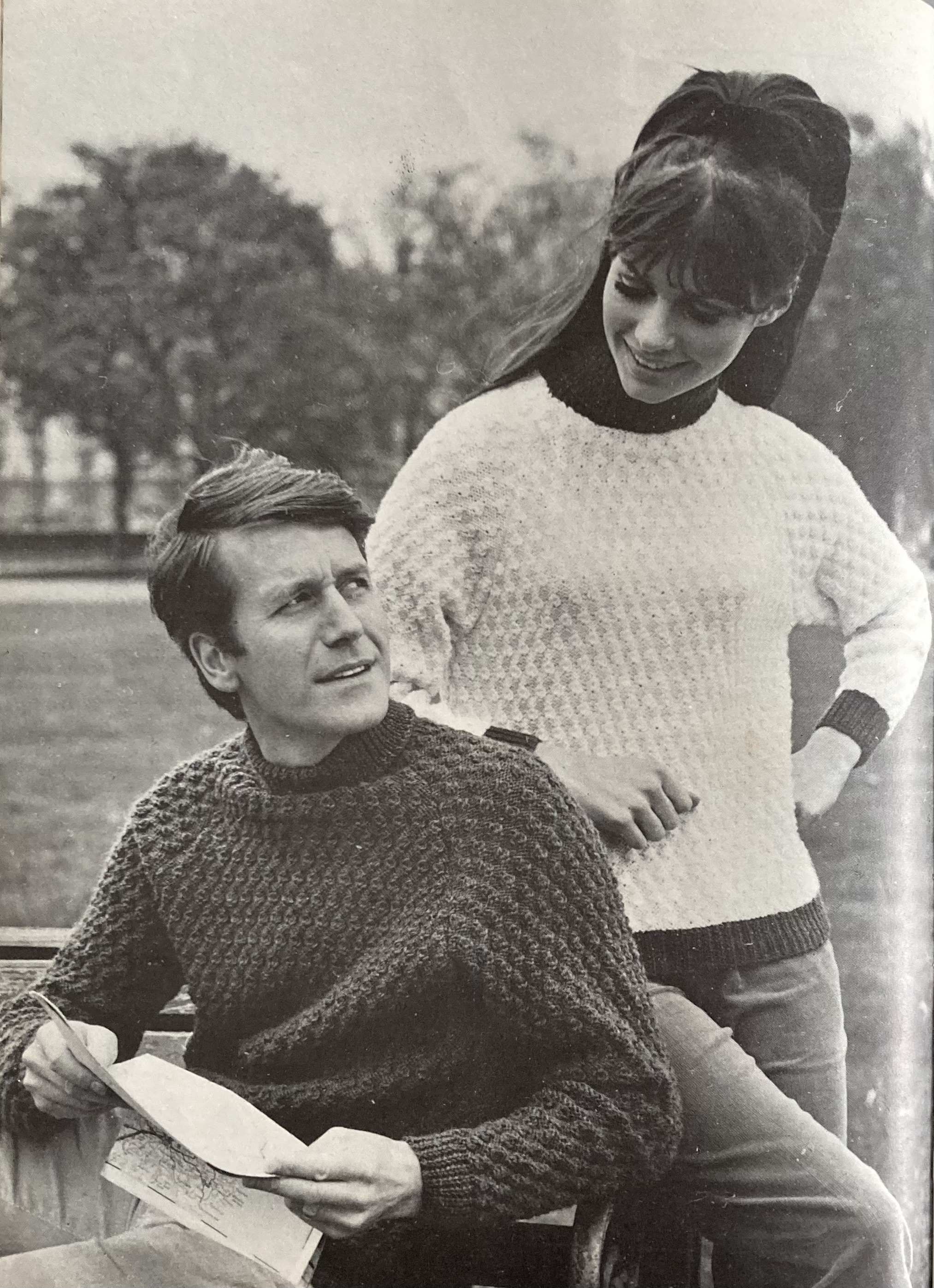
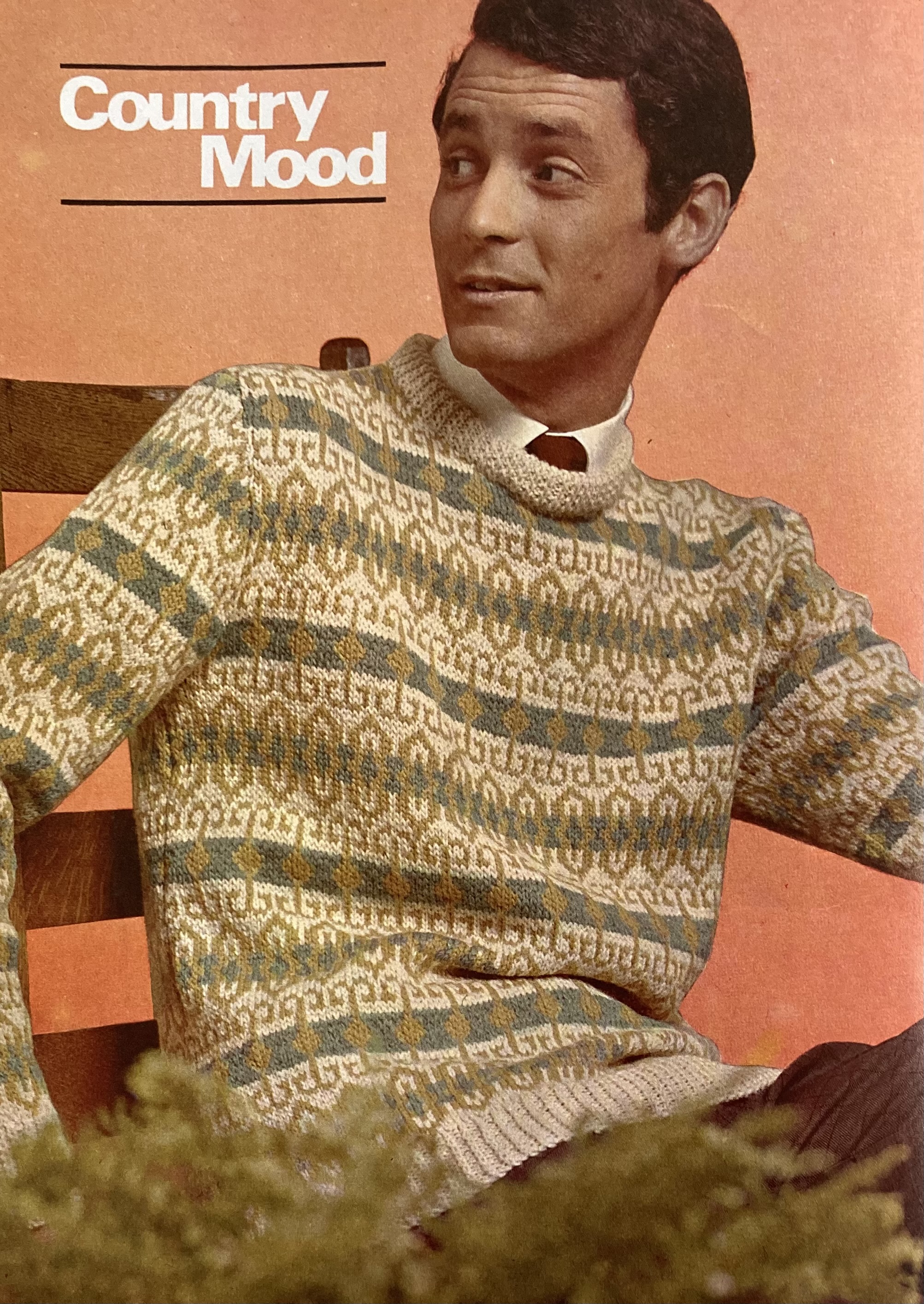
For men, there’s a his-and-hers “Two for the Country” bramble-stitch sweater to be worn indoors or out, and a softly-coloured stranded jumper in an interesting “key”-type pattern. It only uses three colours (“Banana Cream”, “French Mustard” and “Light Steel Grey”), but the pattern gives additional depth and richness.
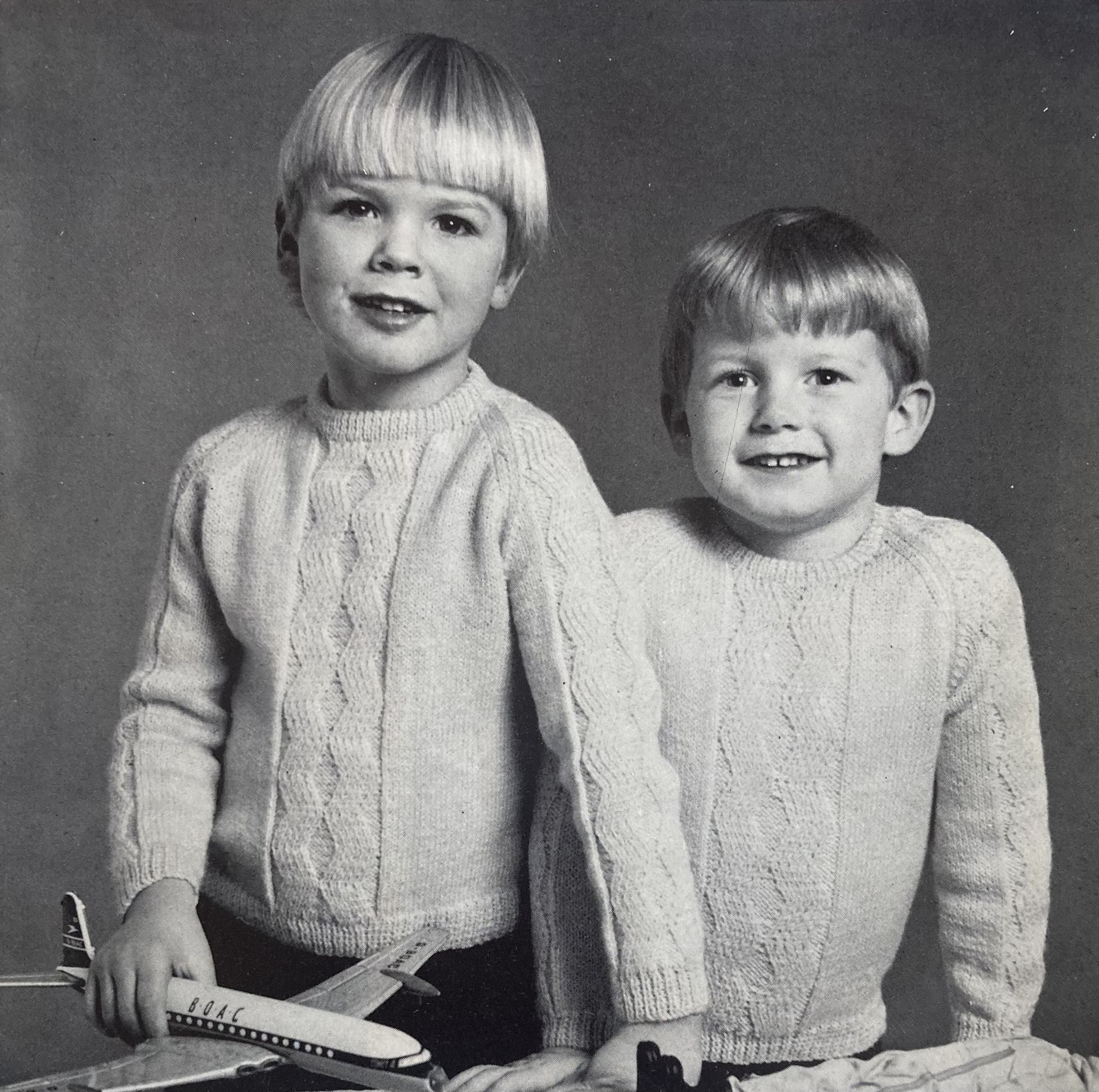
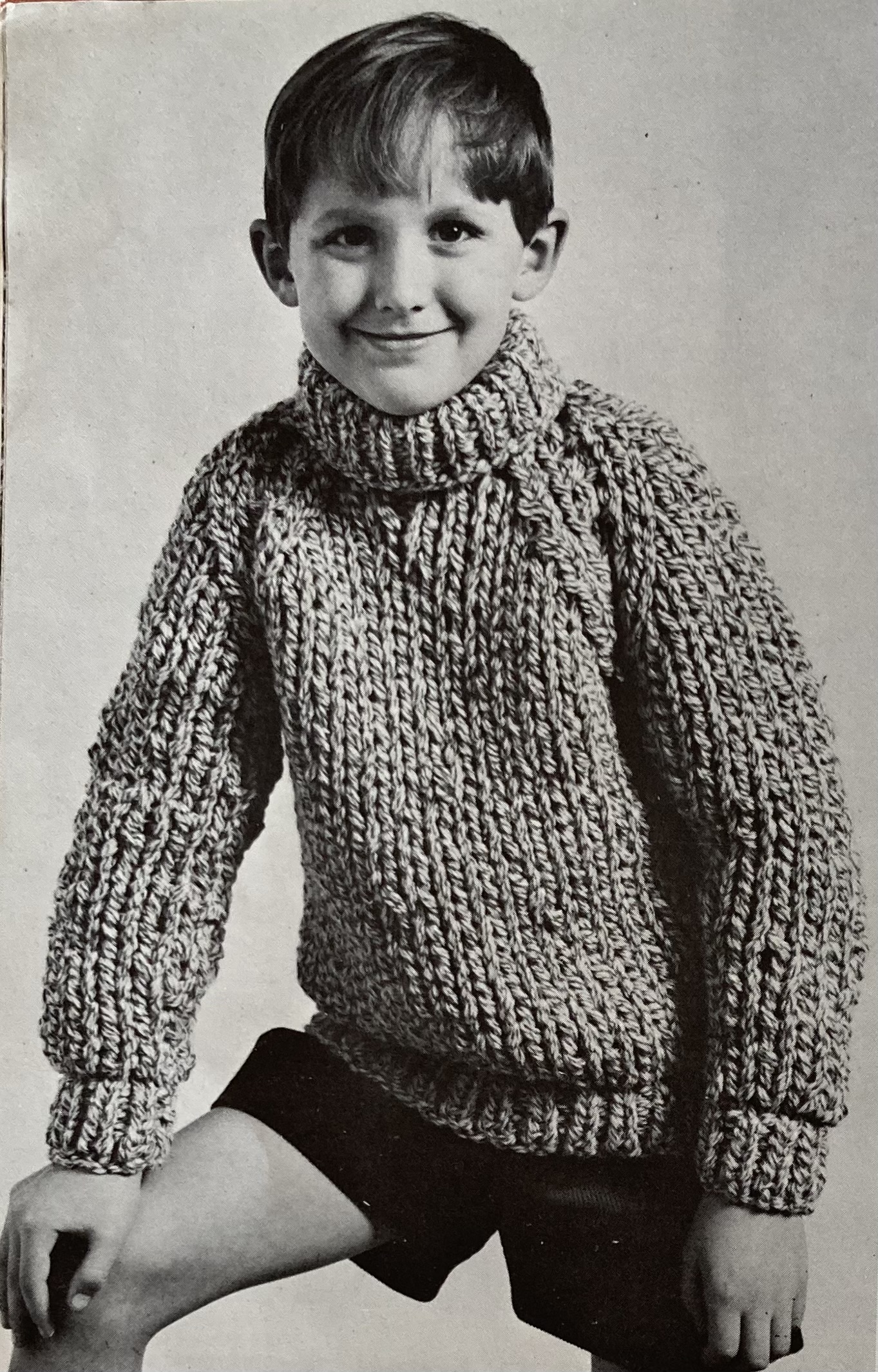
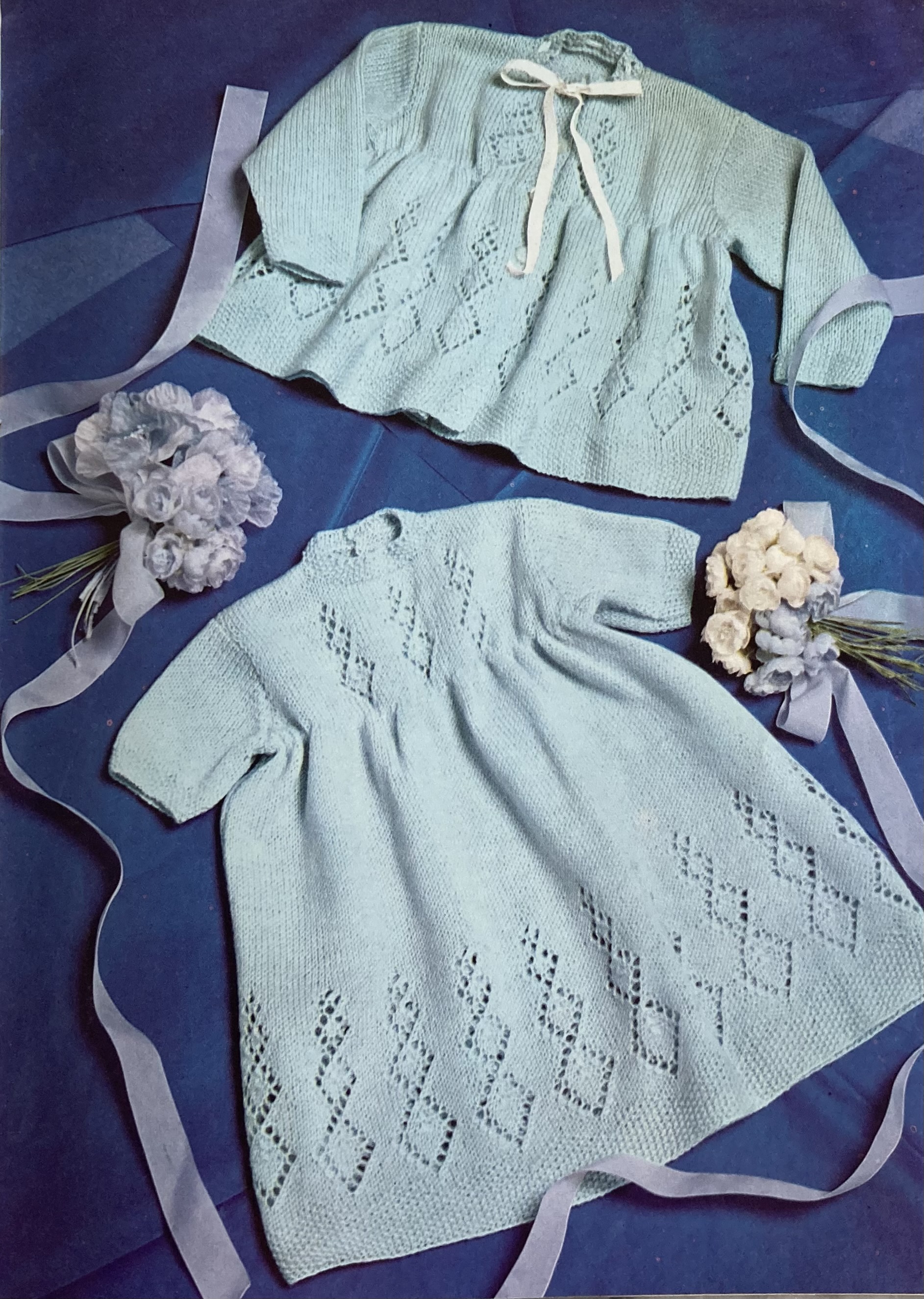
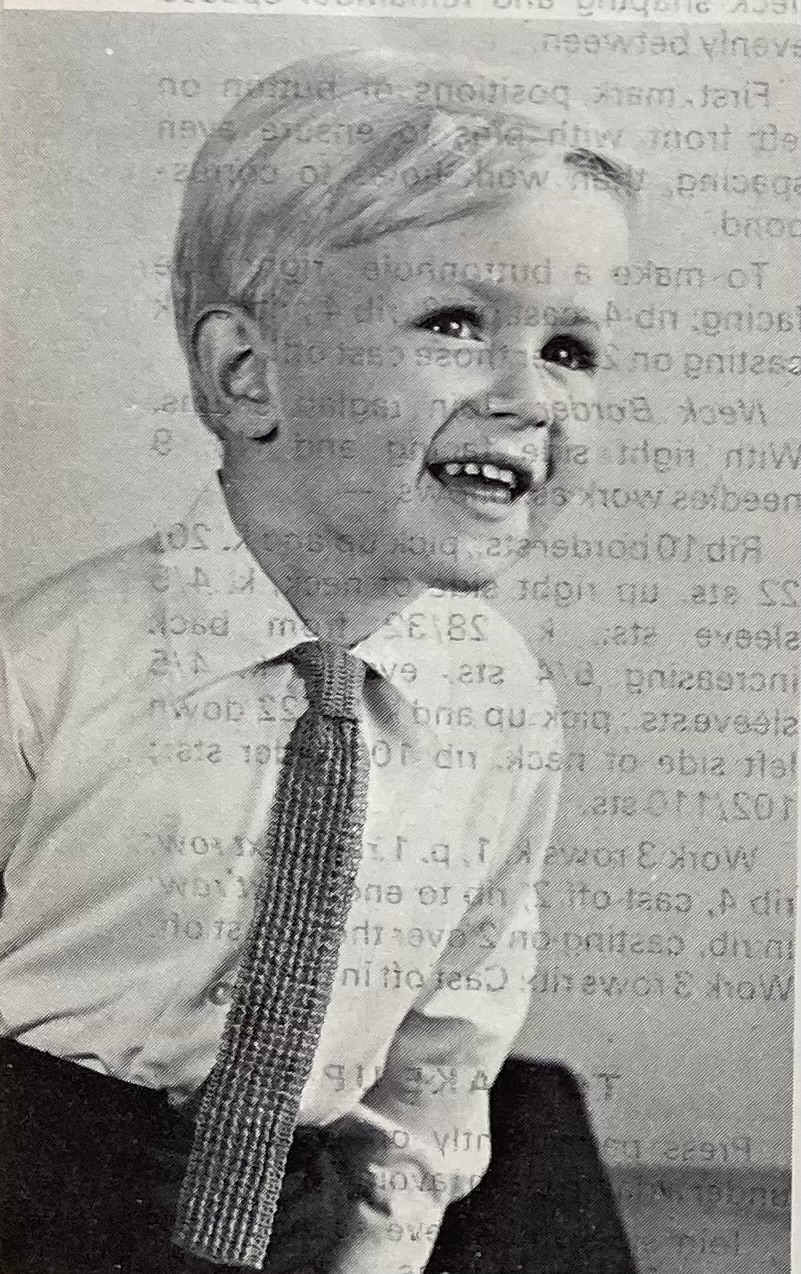
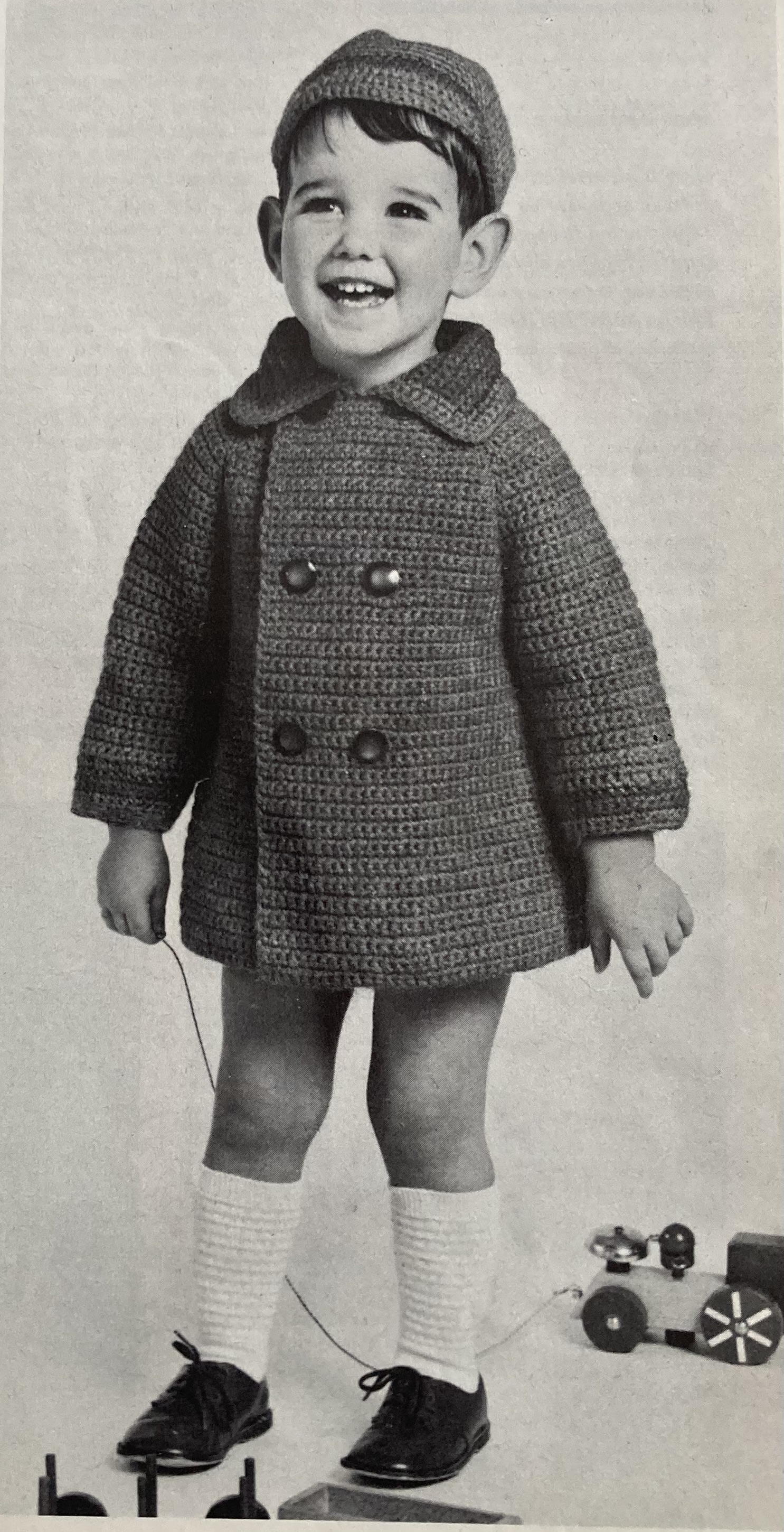
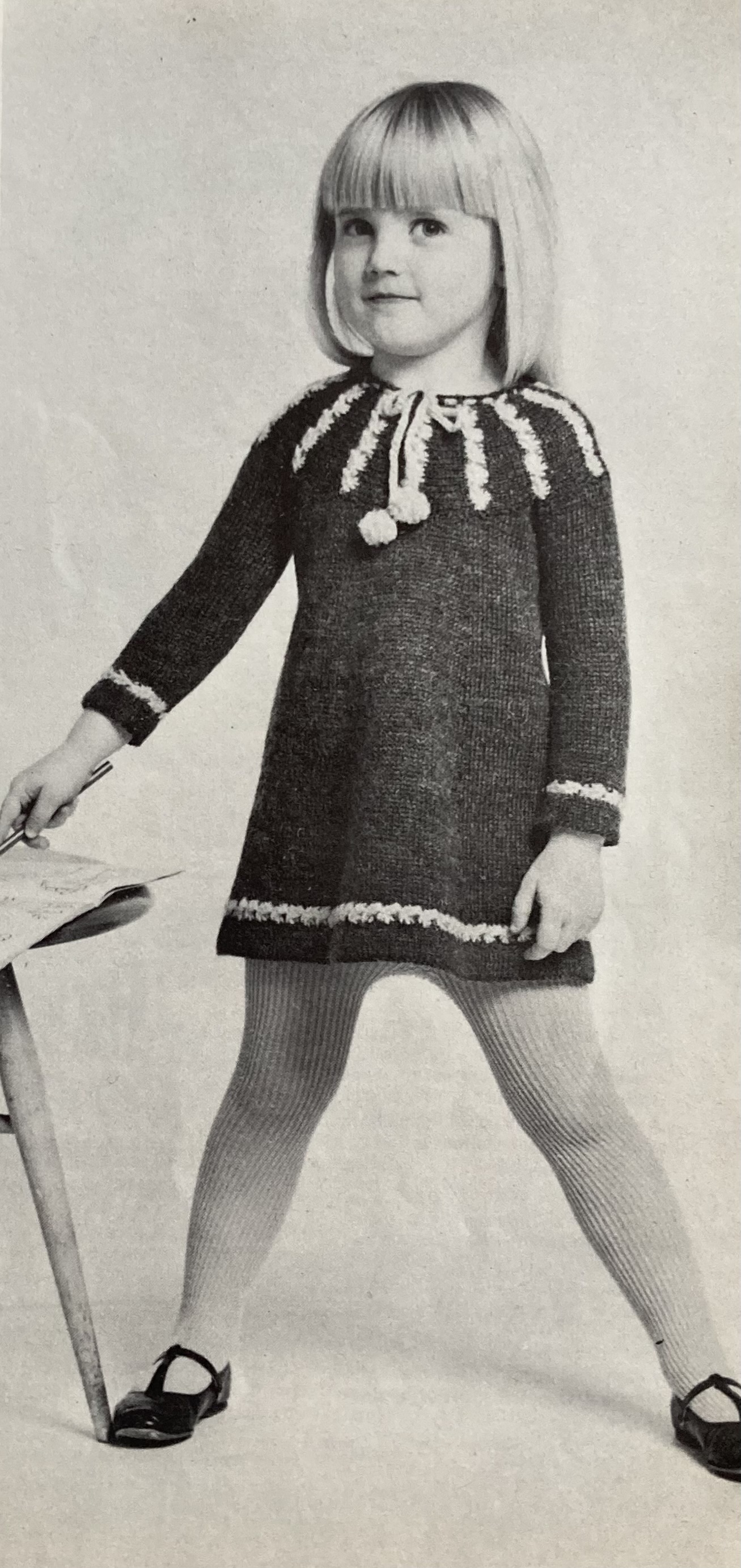
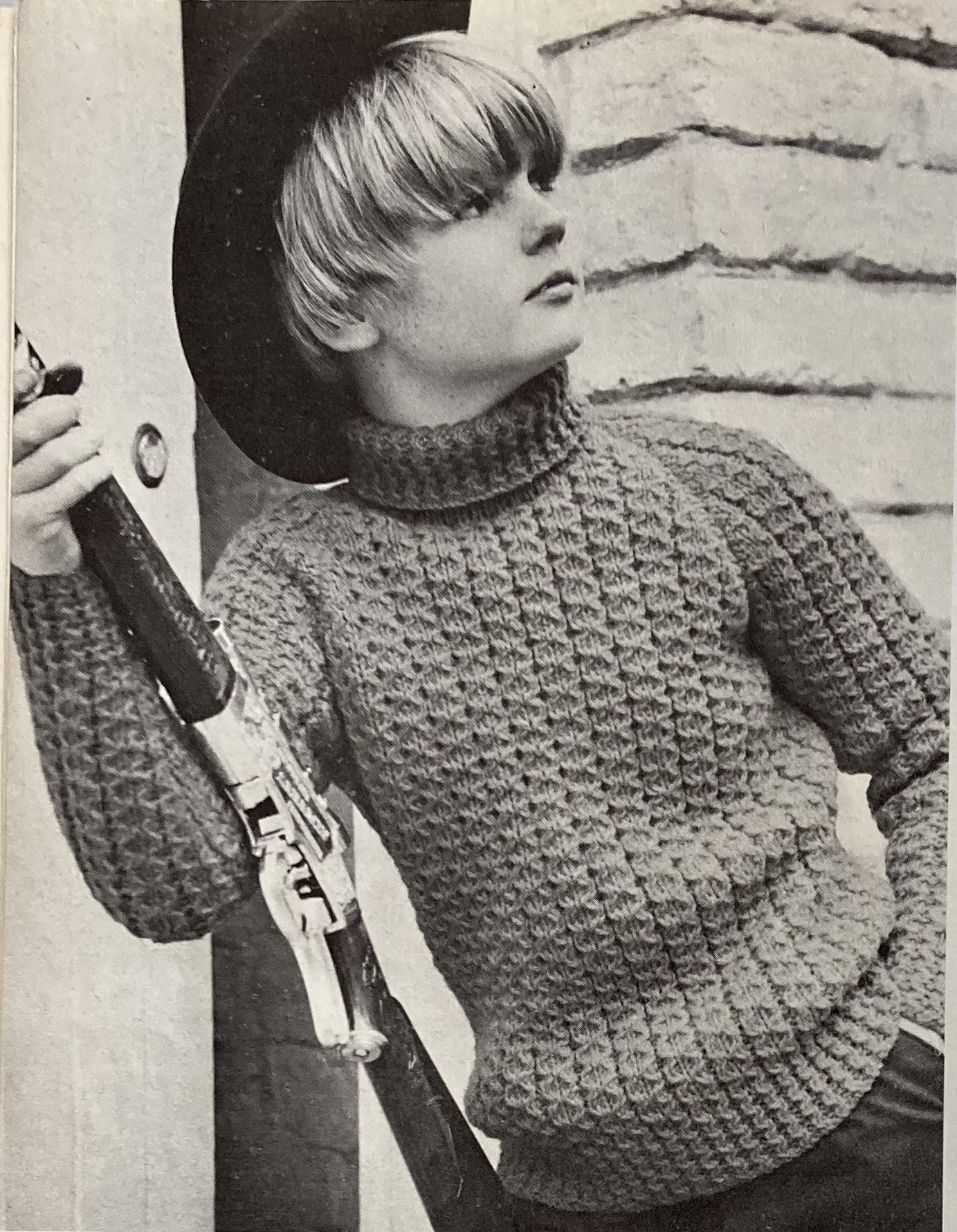
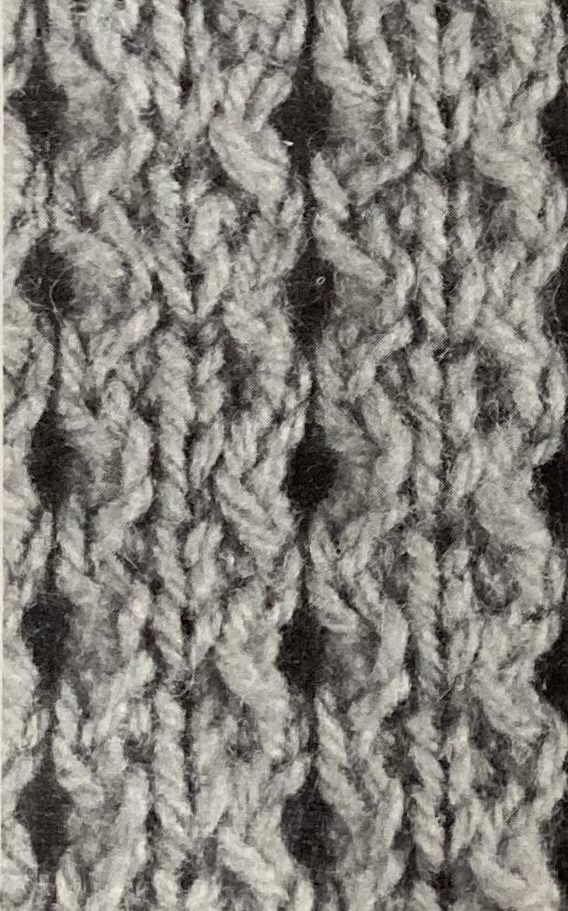
There are three patterns for children of different ages in this issue, starting with a coat-and-cap set for a little boy. I suspect he’s only looking so happy because he’s in a warm photo studio; if he ever actually went outside in that outfit, both his legs and his ears would freeze right off. I know if was customary to dress little boys in shorts at the time, but this poor kid doesn’t even seem to have those! How on earth is he supposed to play in the snow with a practically bare bum? At least the little girl gets to wear tights with her mini-dress/tunic this time, and since it is “for visiting”, I assume she will be wearing it inside. The circular yoke of the tunic is knitted horizontally and sewn on, and the white stripes are made by dropping stitches and picking them up later. The third design is a great indoor-outdoor sweater for a slightly older child, in thick “Capstan” wool and a twisted-stitch pattern that presumably acts as s sort of thermal blanket to keep warm.

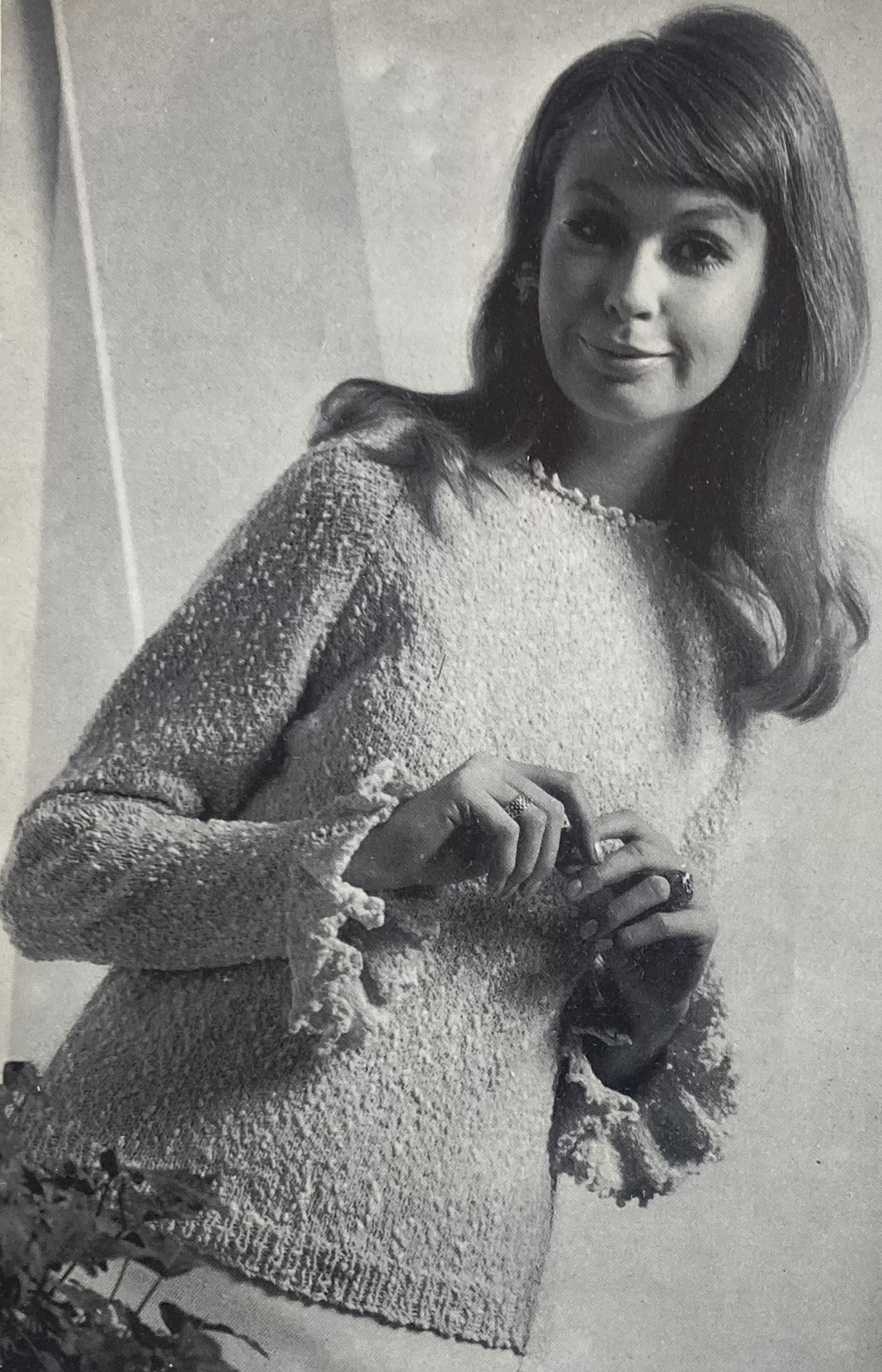
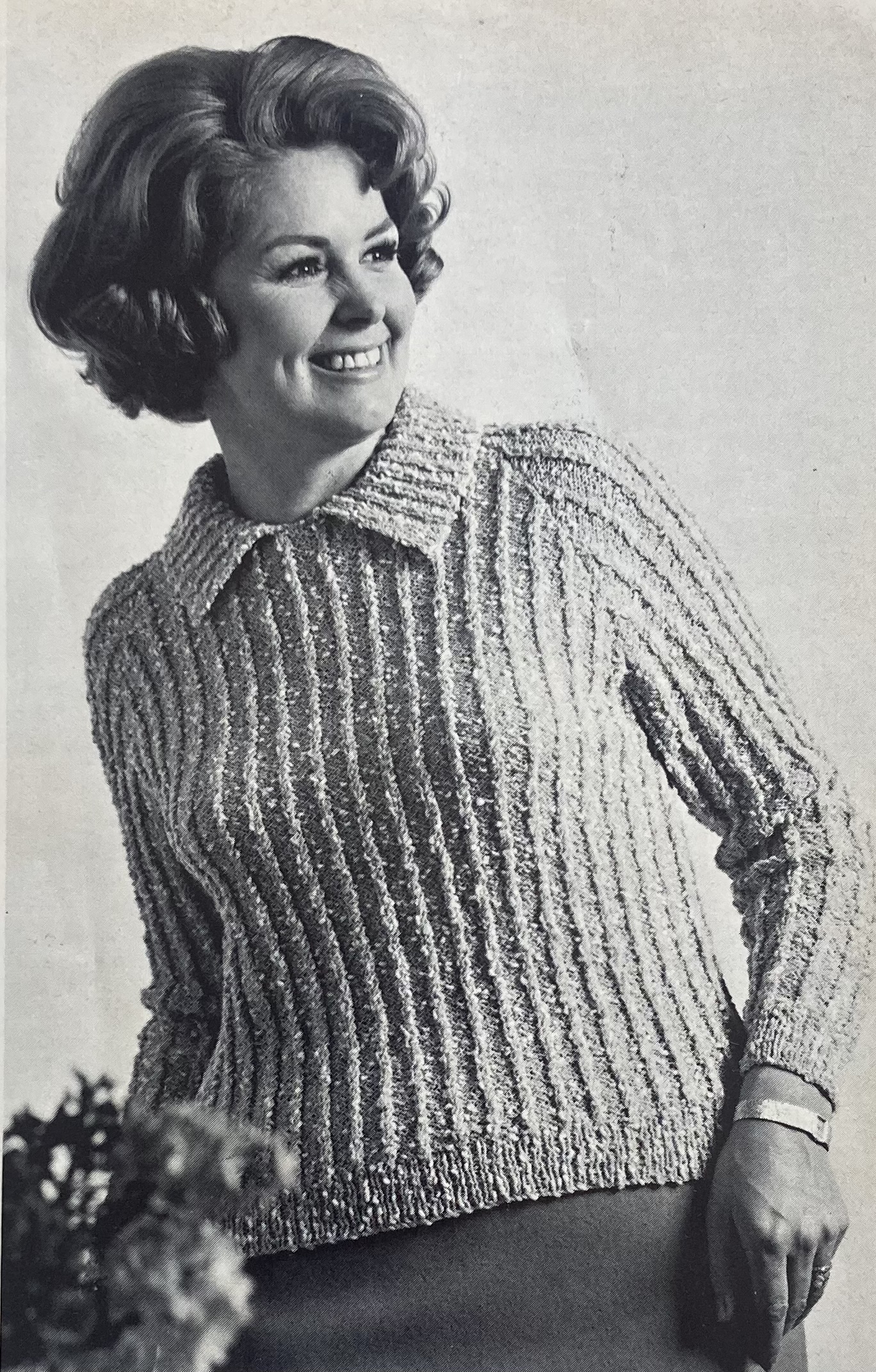
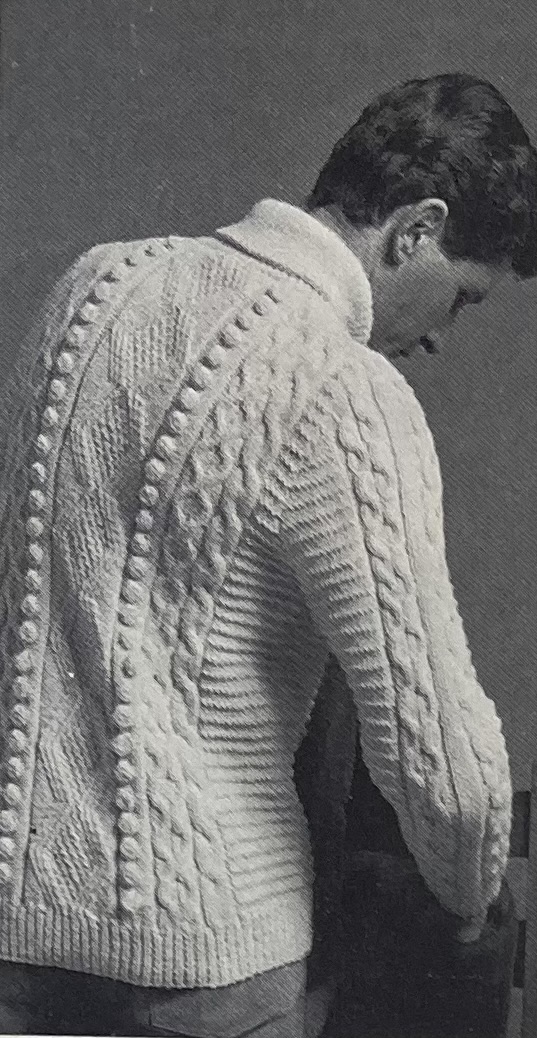
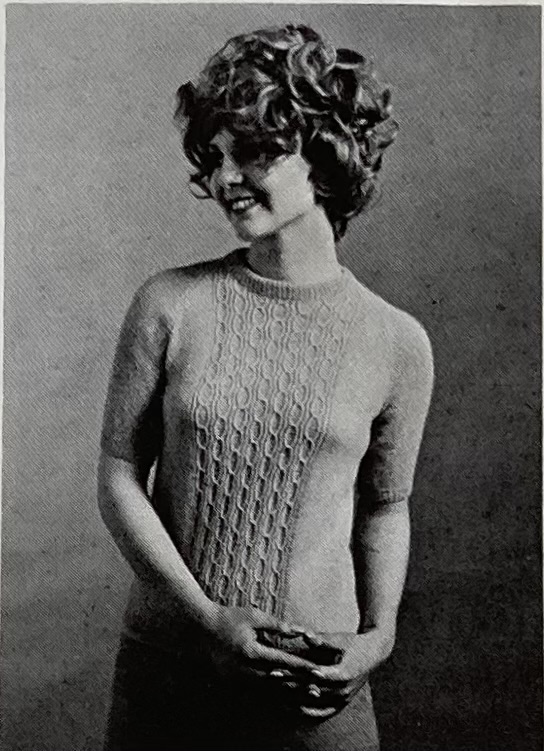
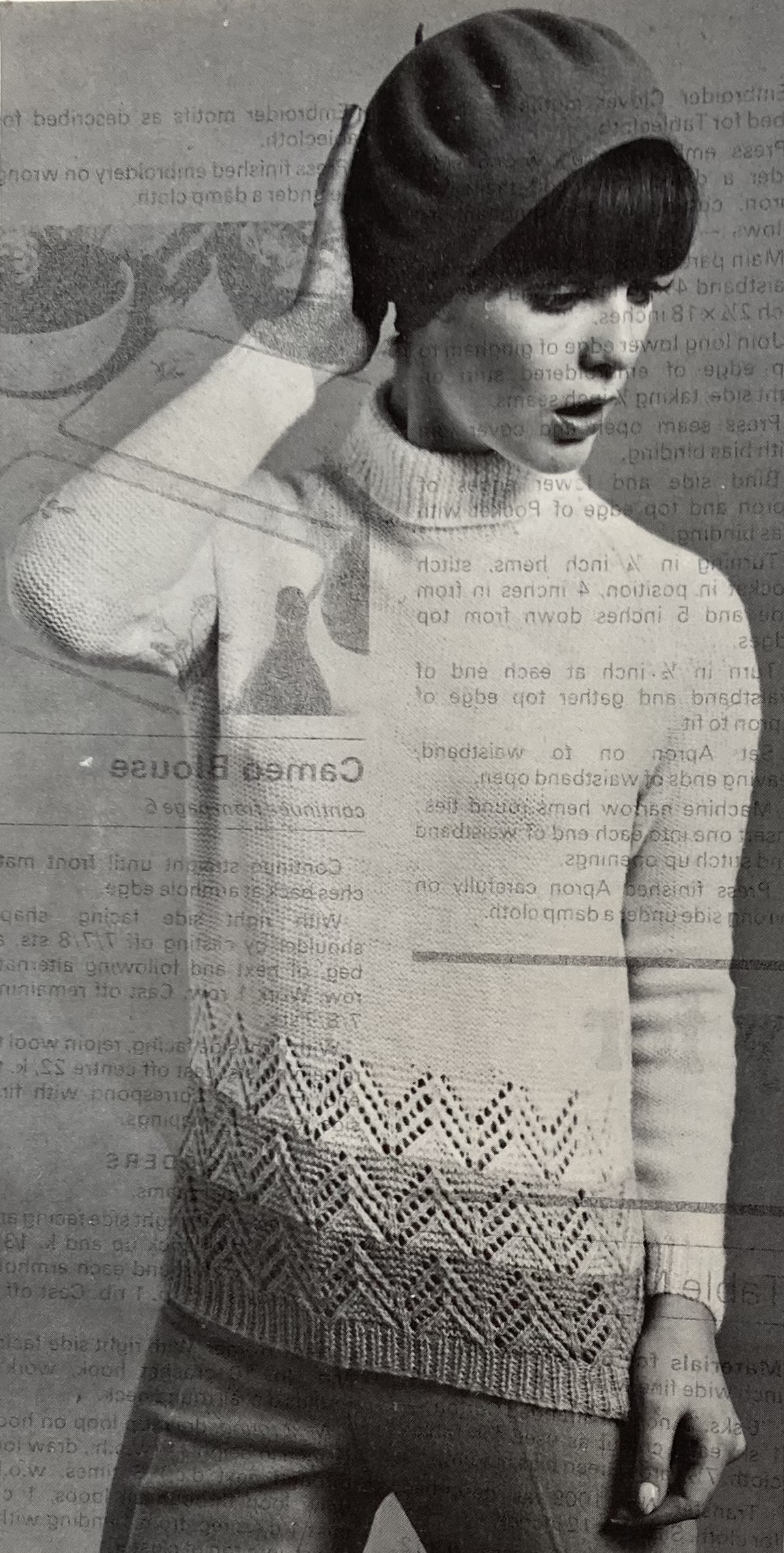
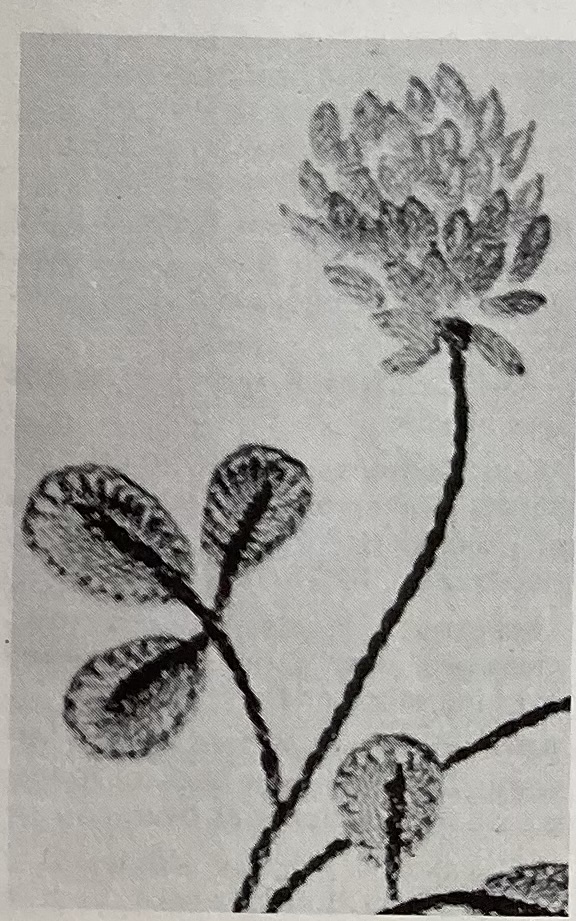
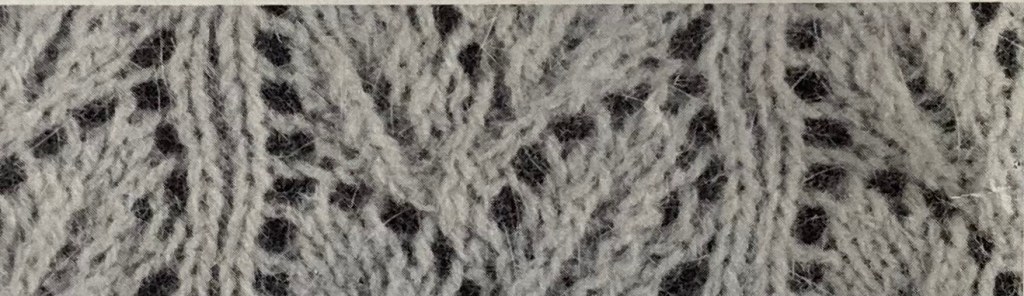
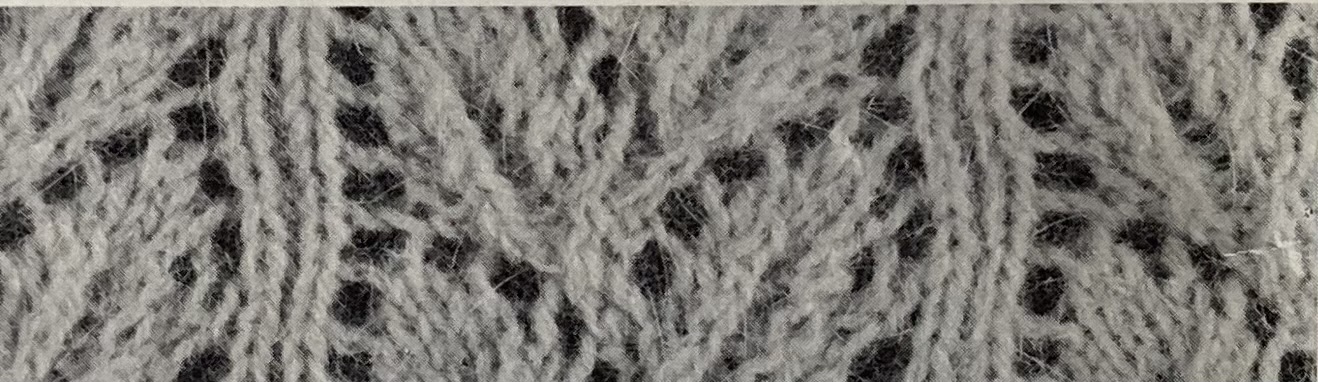
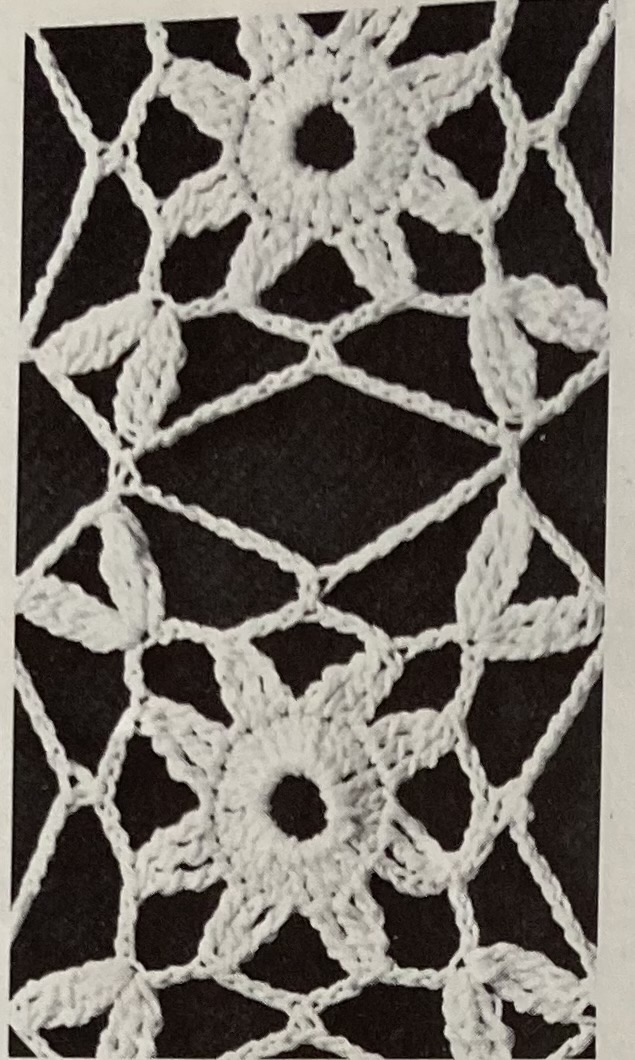
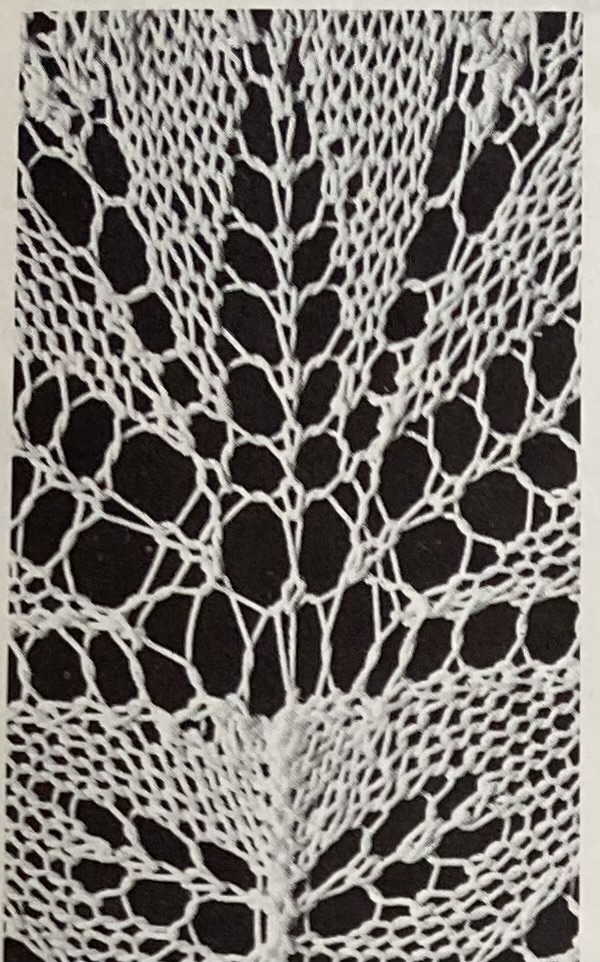
One nice thing about this issue is that there are extra close-up photos of the more interesting stitch patterns:

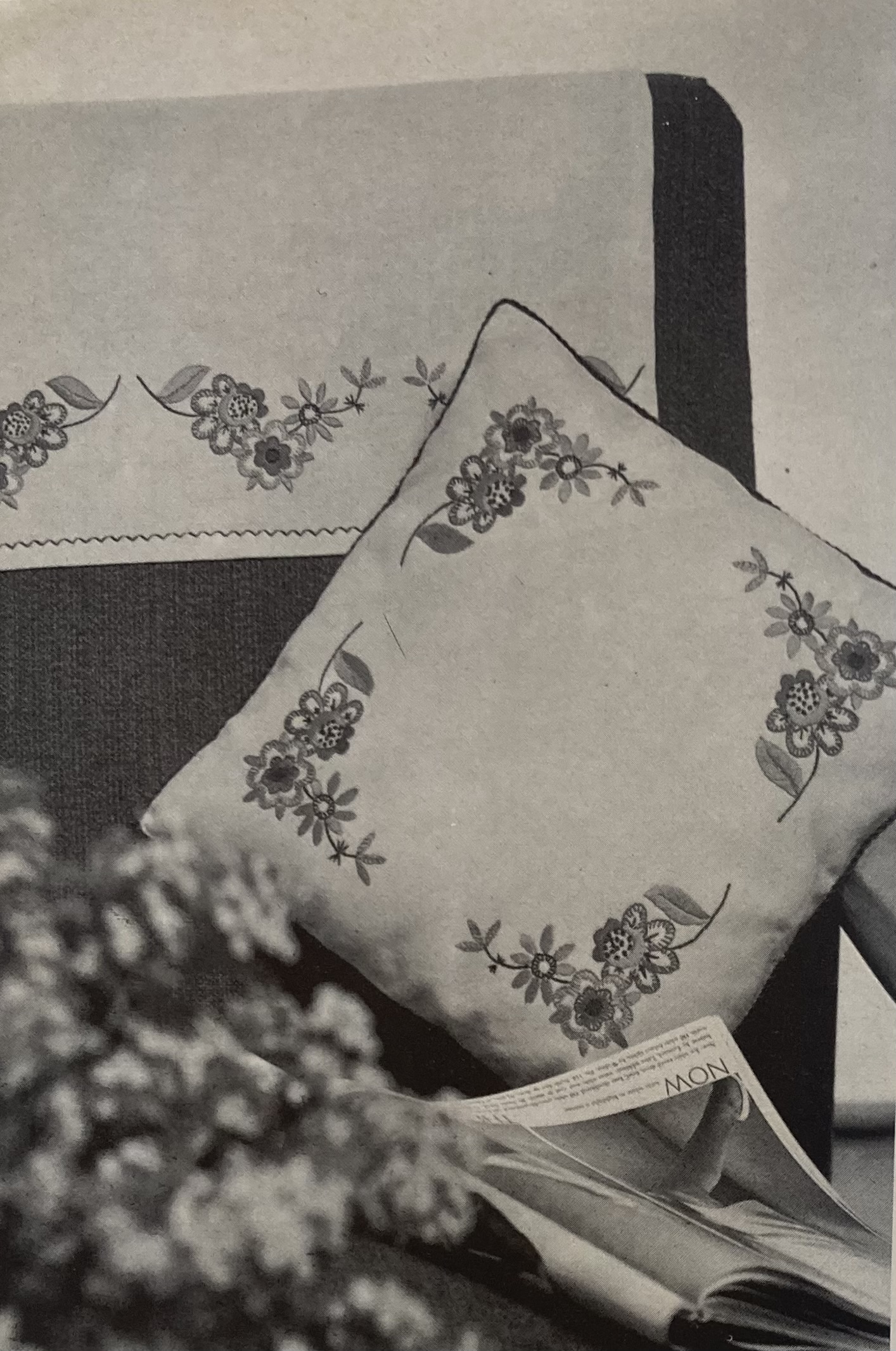
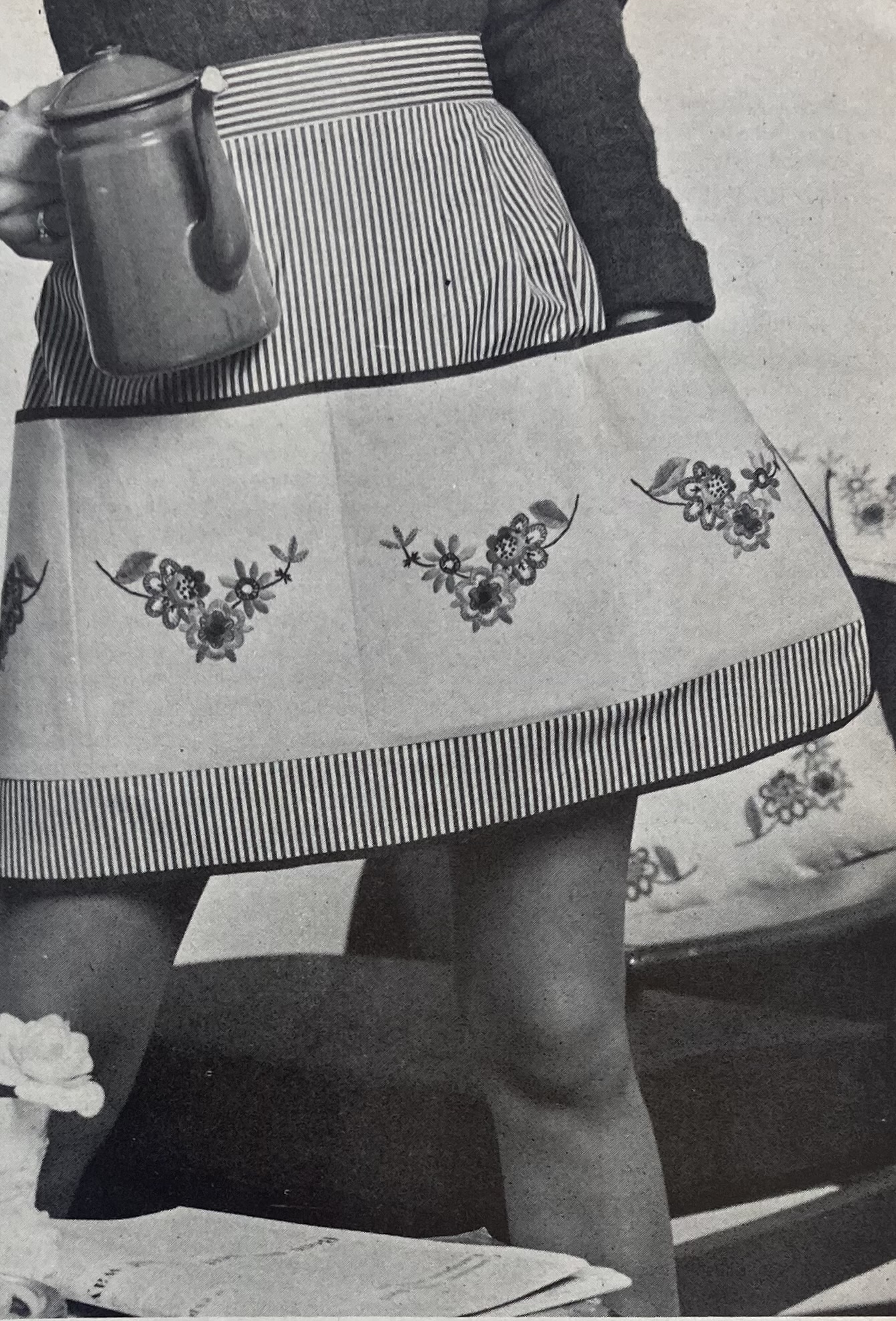
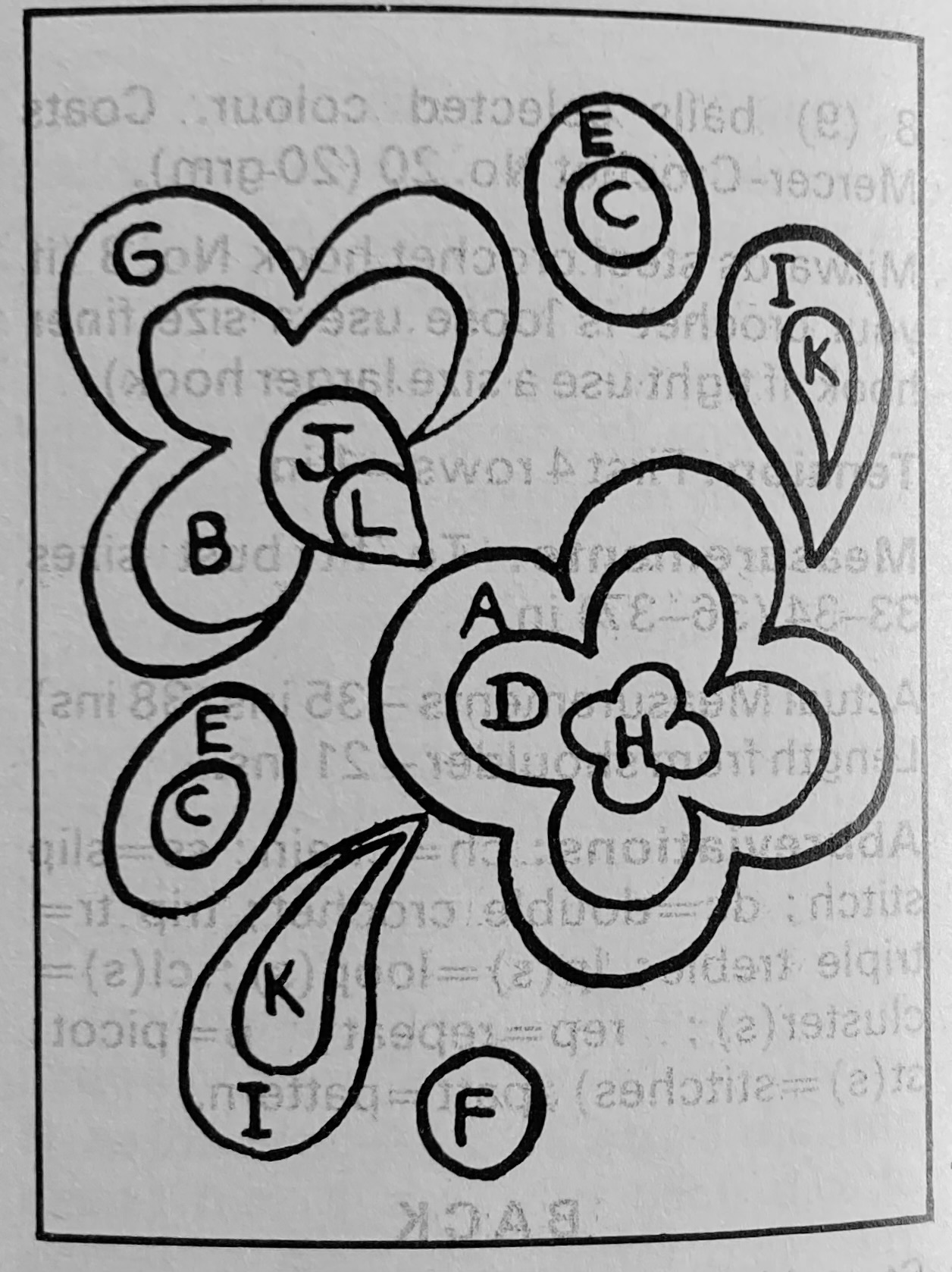
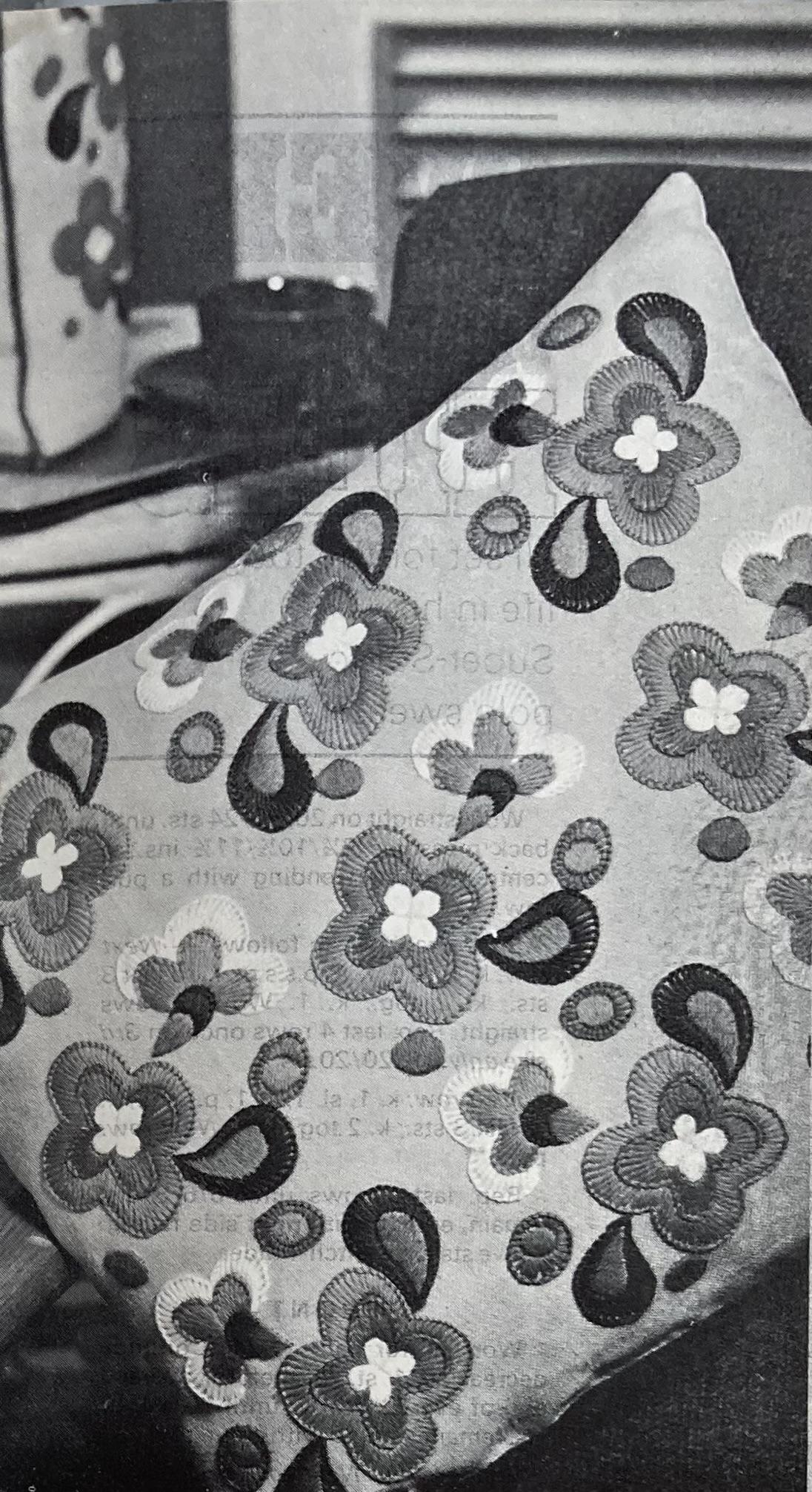
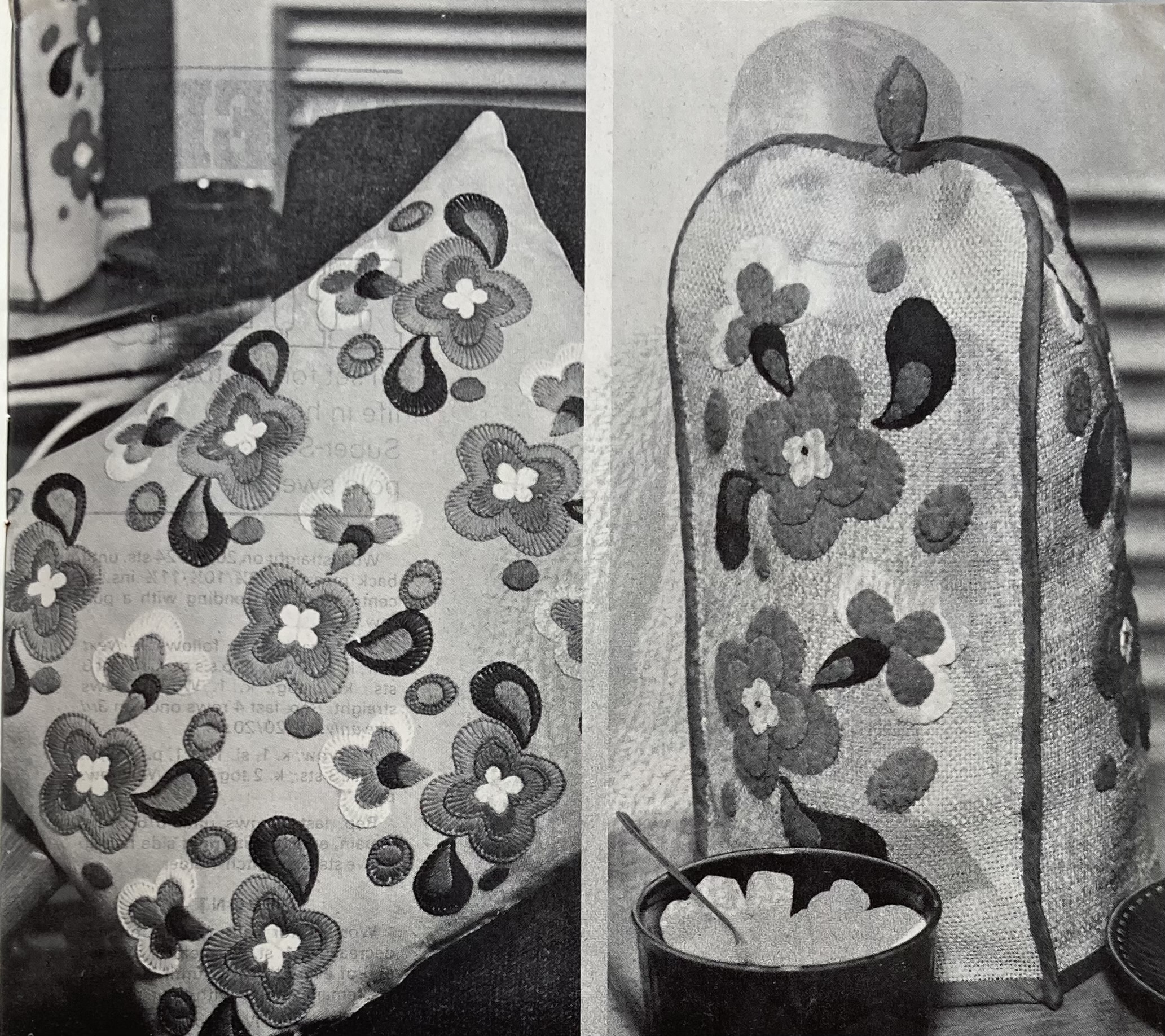
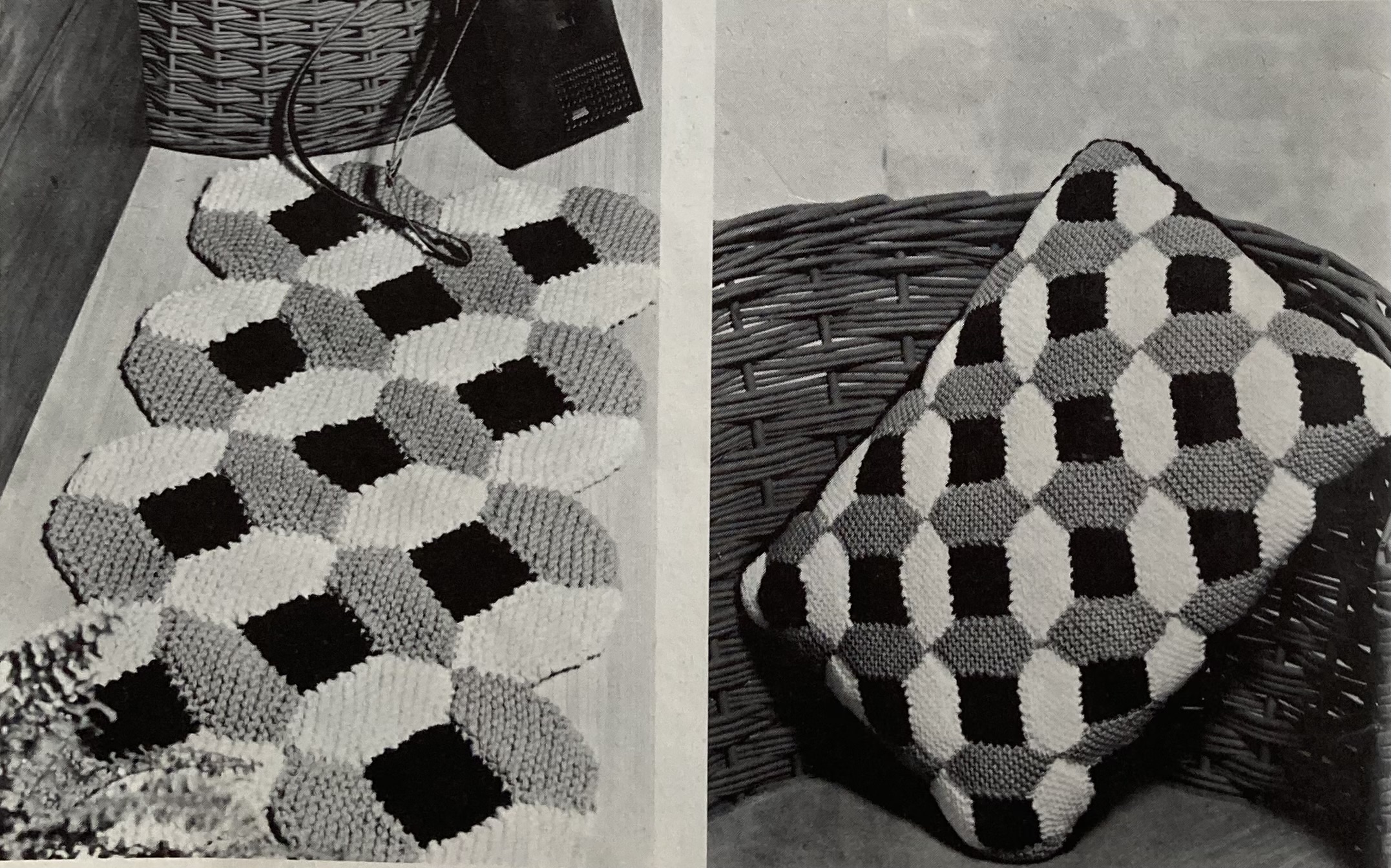
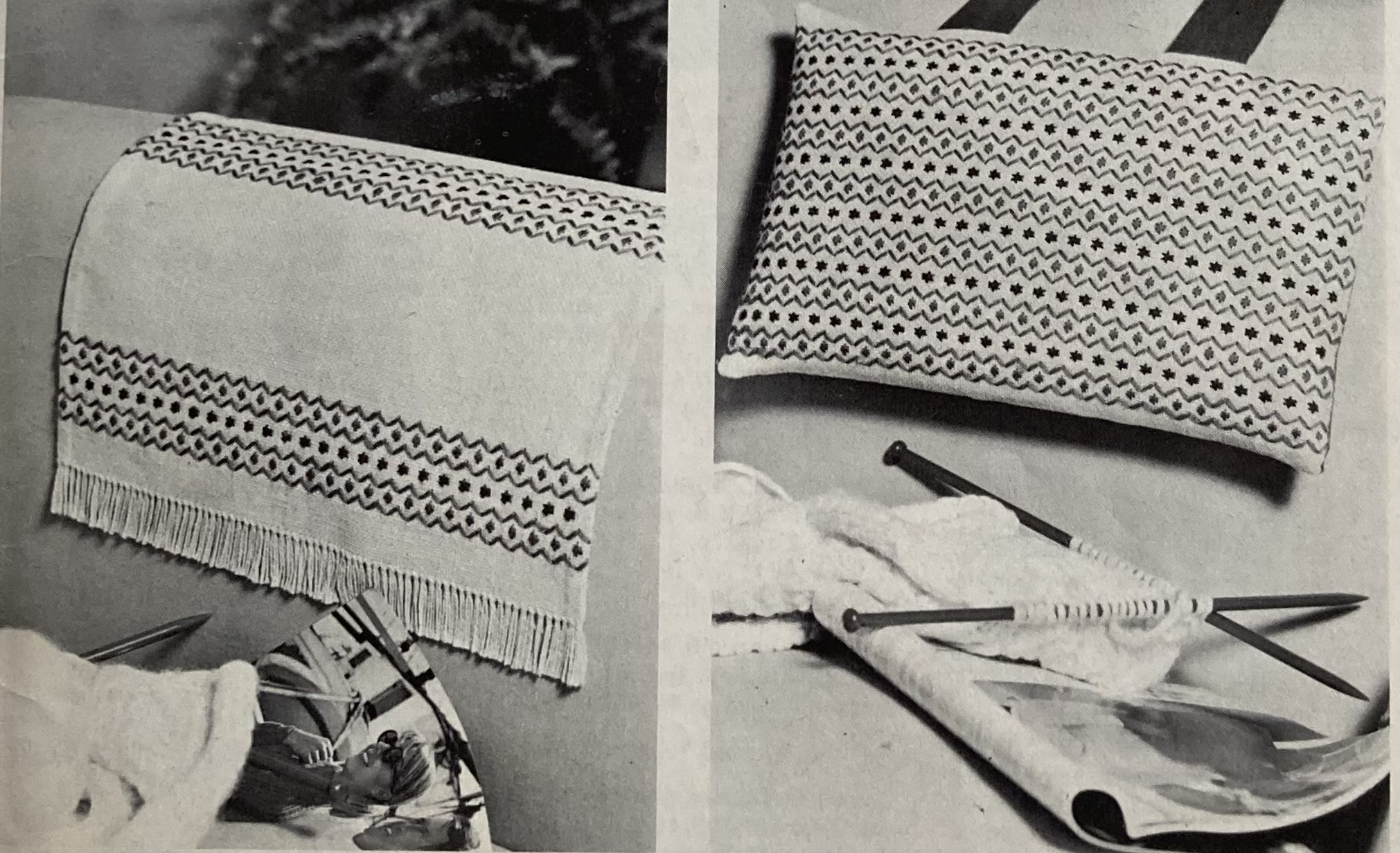
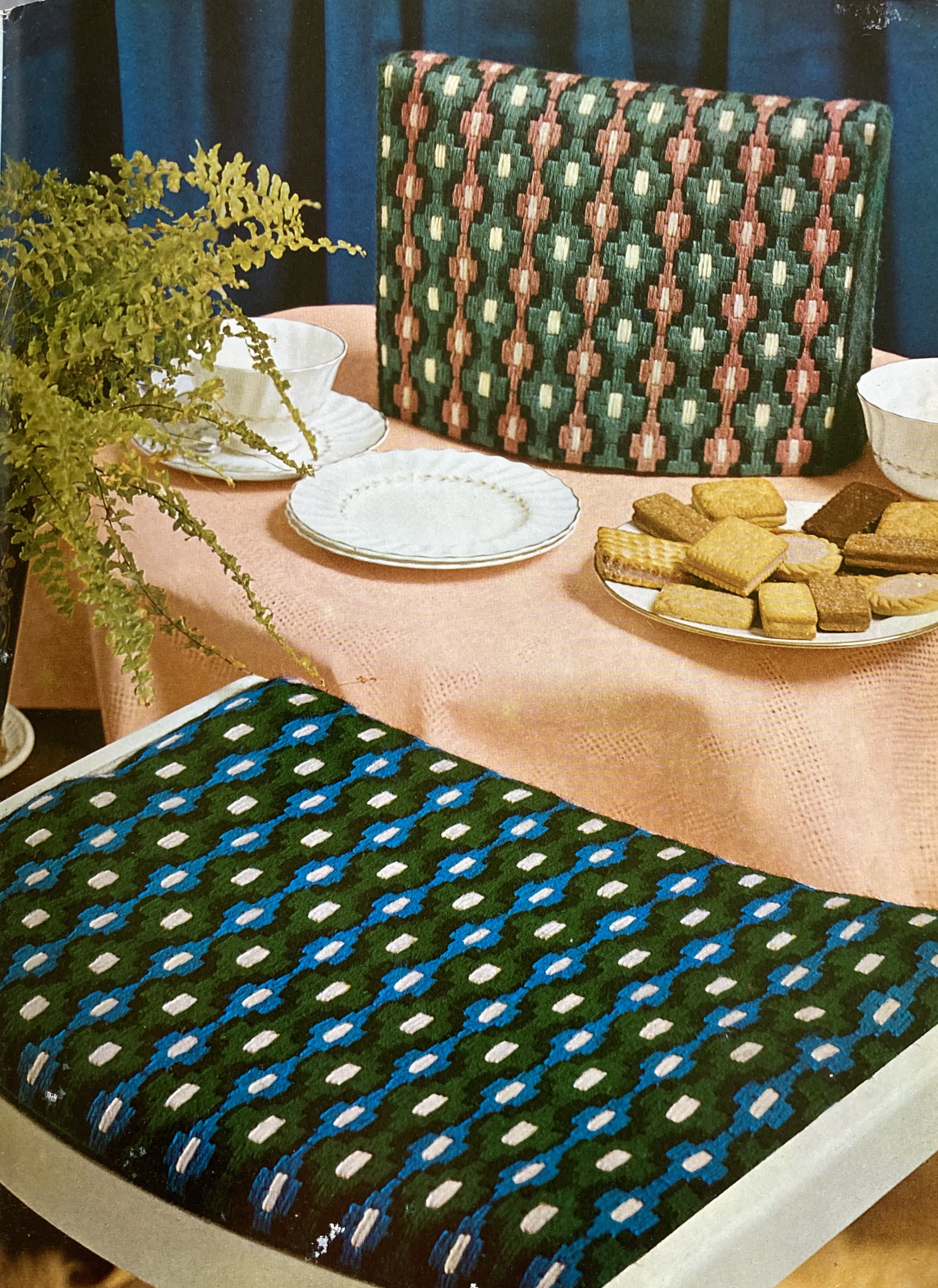
Most of the housewares in this issue are advertised as “Easter Gifts”, though I see no connection to the the patchwork rug and cushion, or the embroidered cushion and chairback.

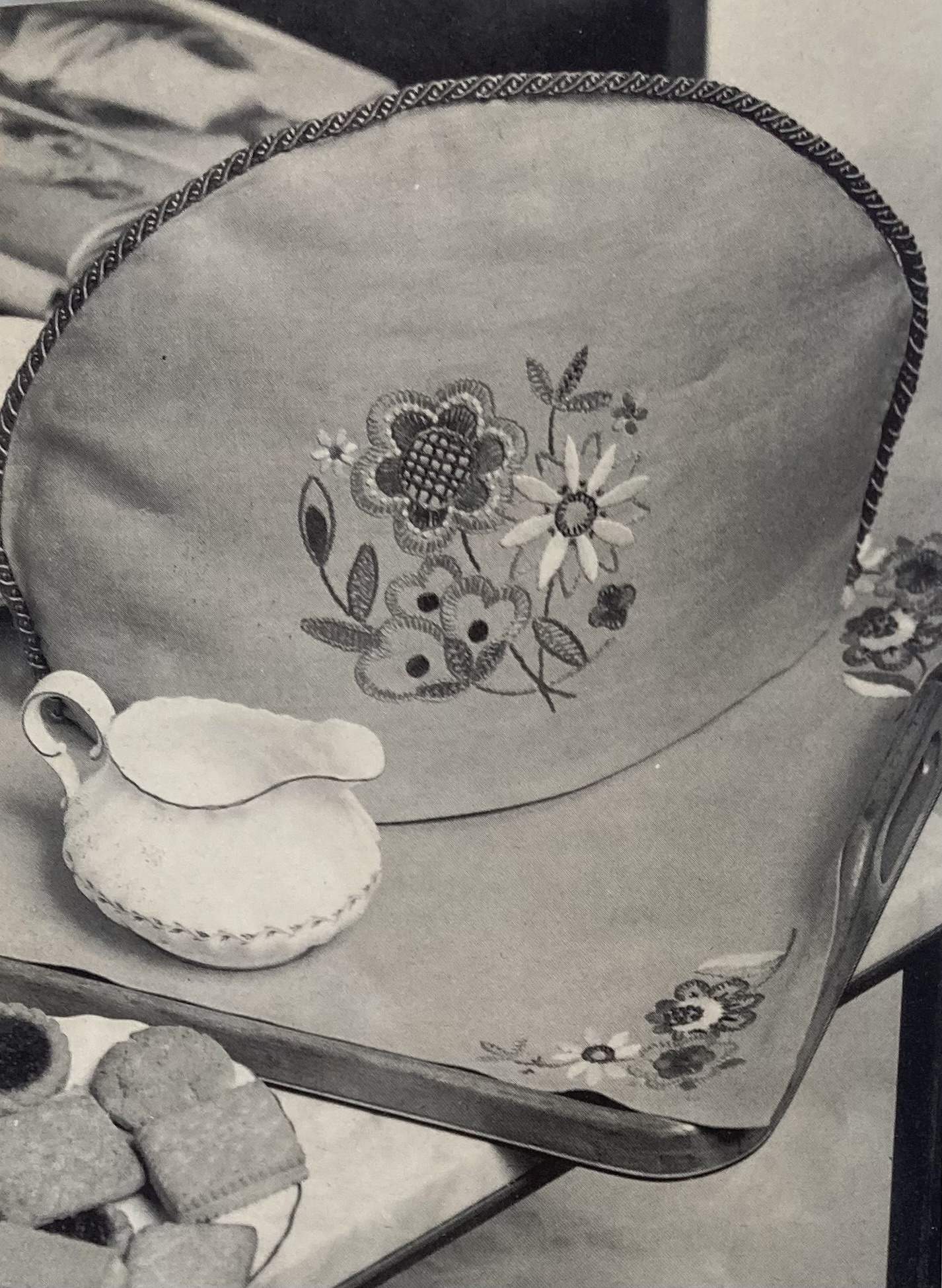
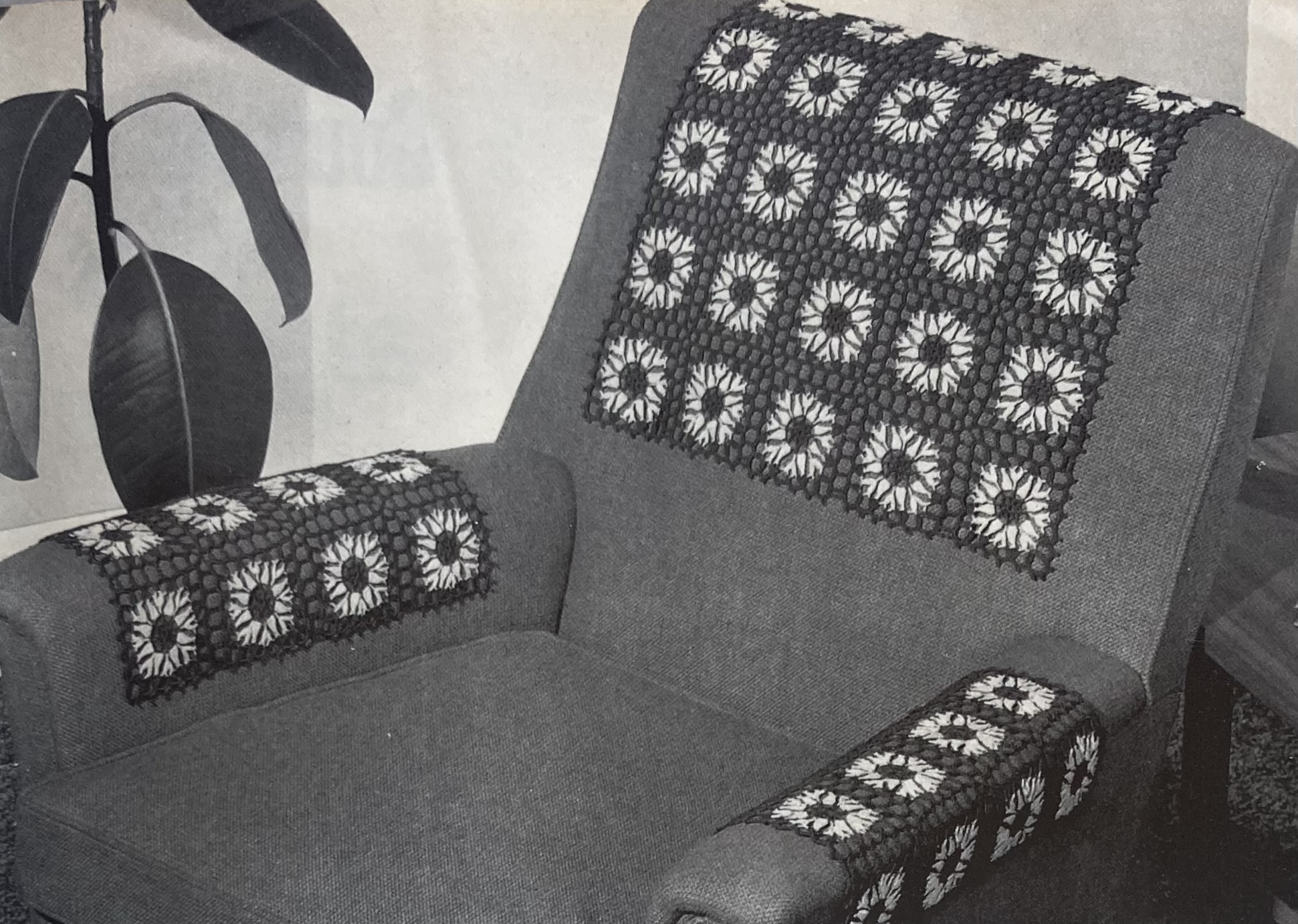
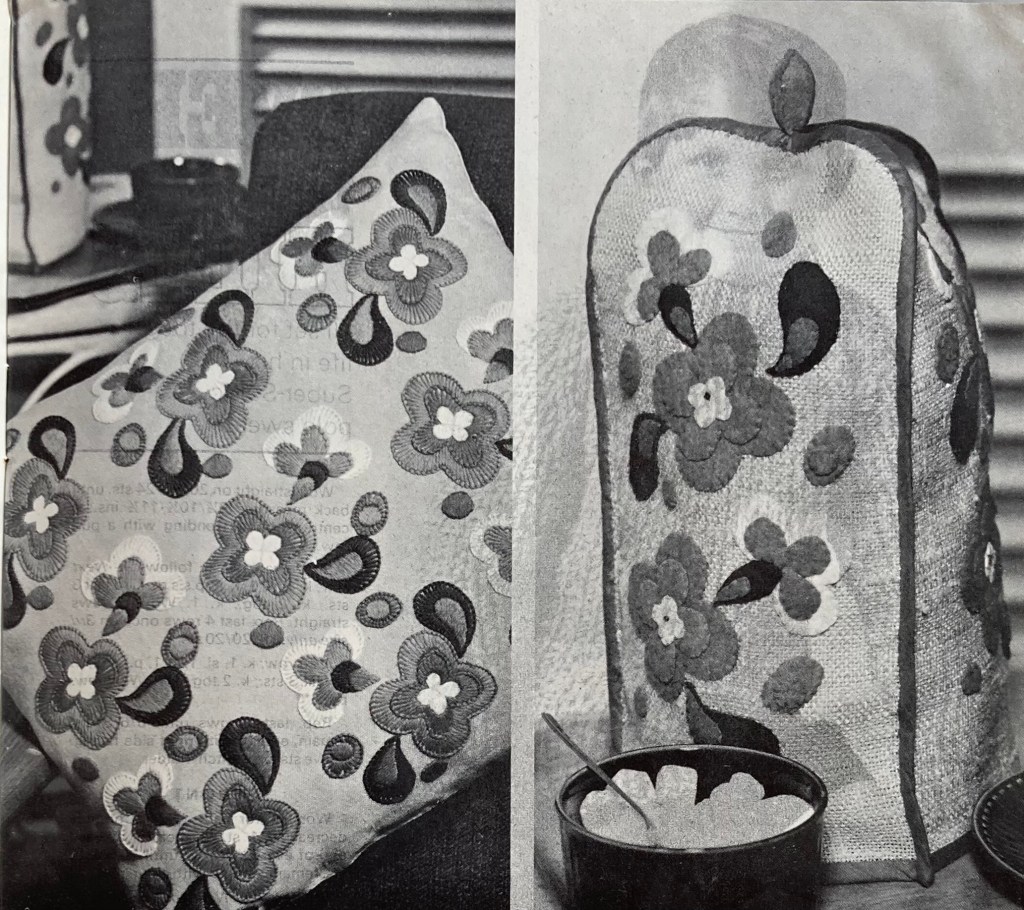
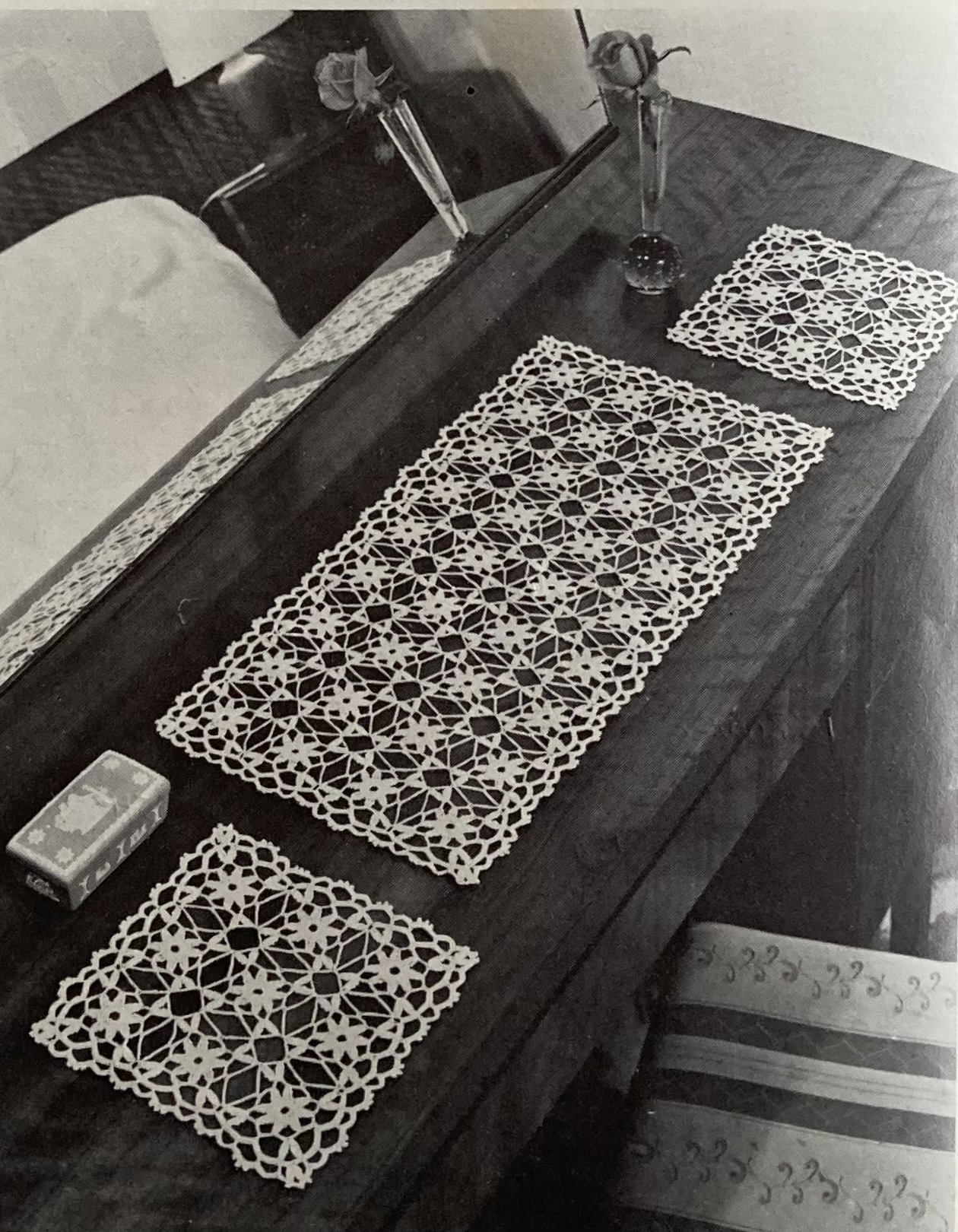
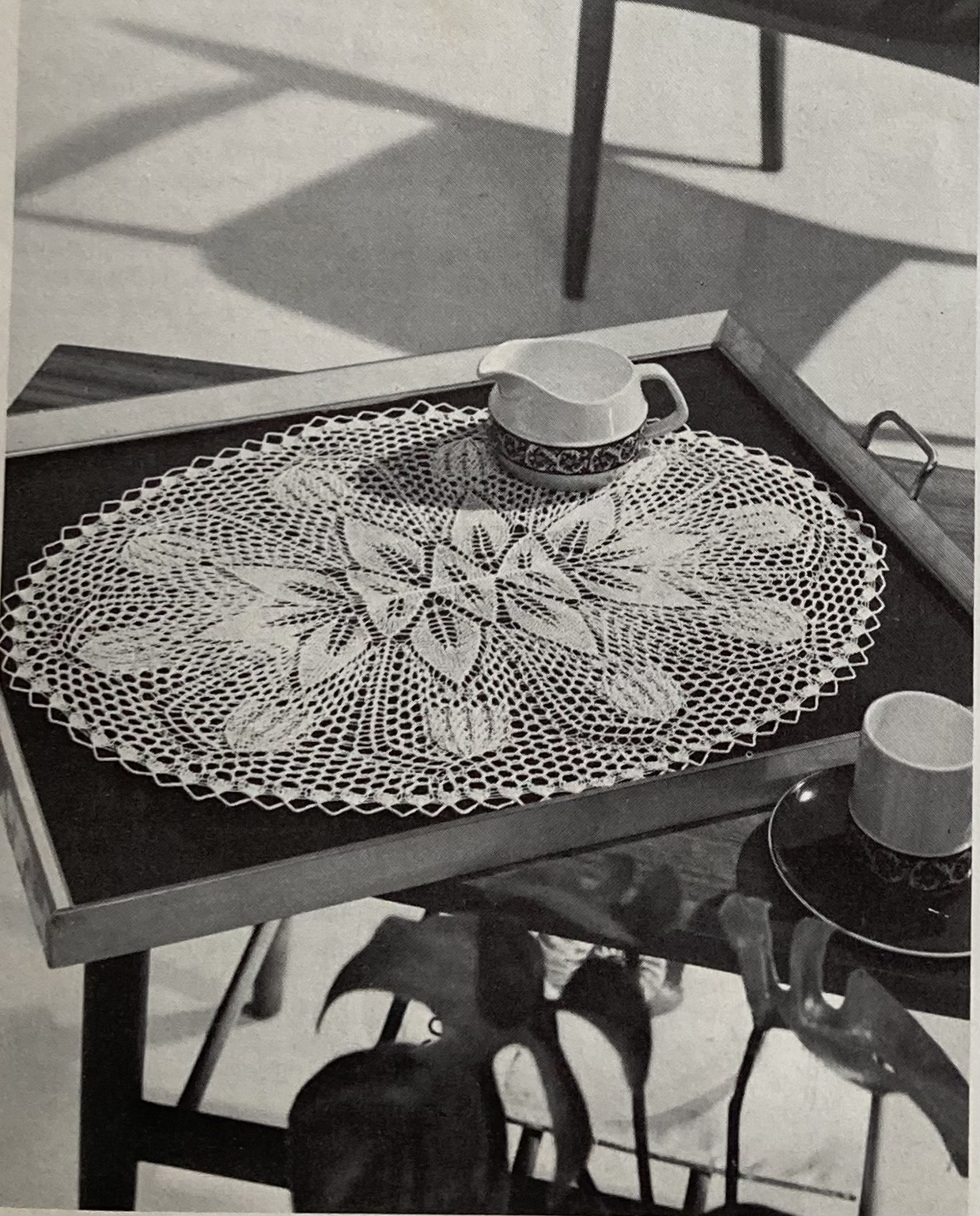
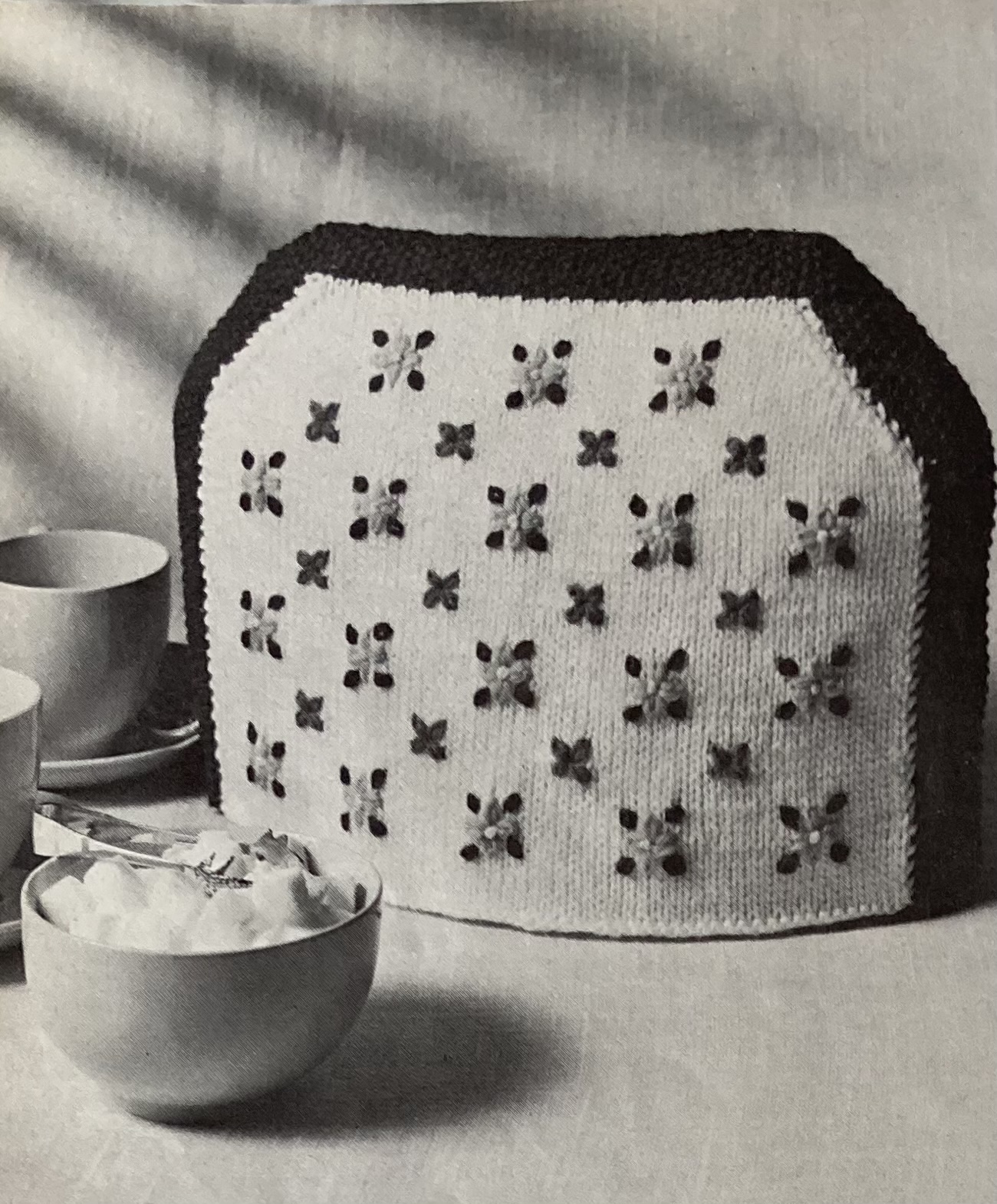
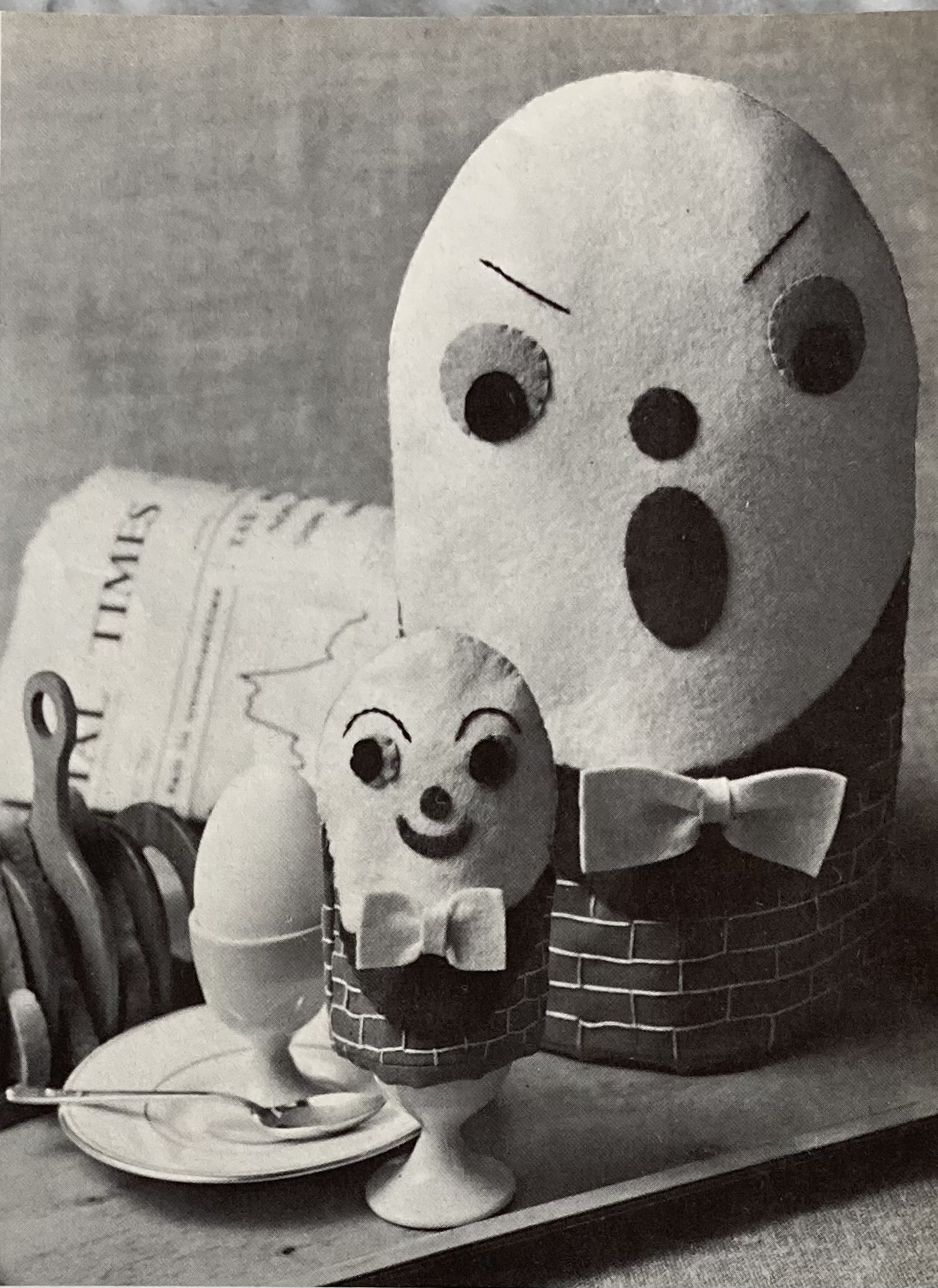
The elaborate crocheted or knitted doilies as well as the knitted tea cosy have floral patterns, but still no real connection to the holiday. I guess the “Humpty Dumpty” coffee-pot and egg cosies could accompany your Easter breakfast, if they don’t put you off it entirely! Stitchcraft is obsessed with Humpty Dumpty. Over the years, there have been egg cosies, stuffed toys, Christmas tree ornaments… I admire the creativity and the artistic commitment to a theme, but I do wonder. If you know why the egg cosy is happy and the coffee pot is angry, please tell me in the comments!

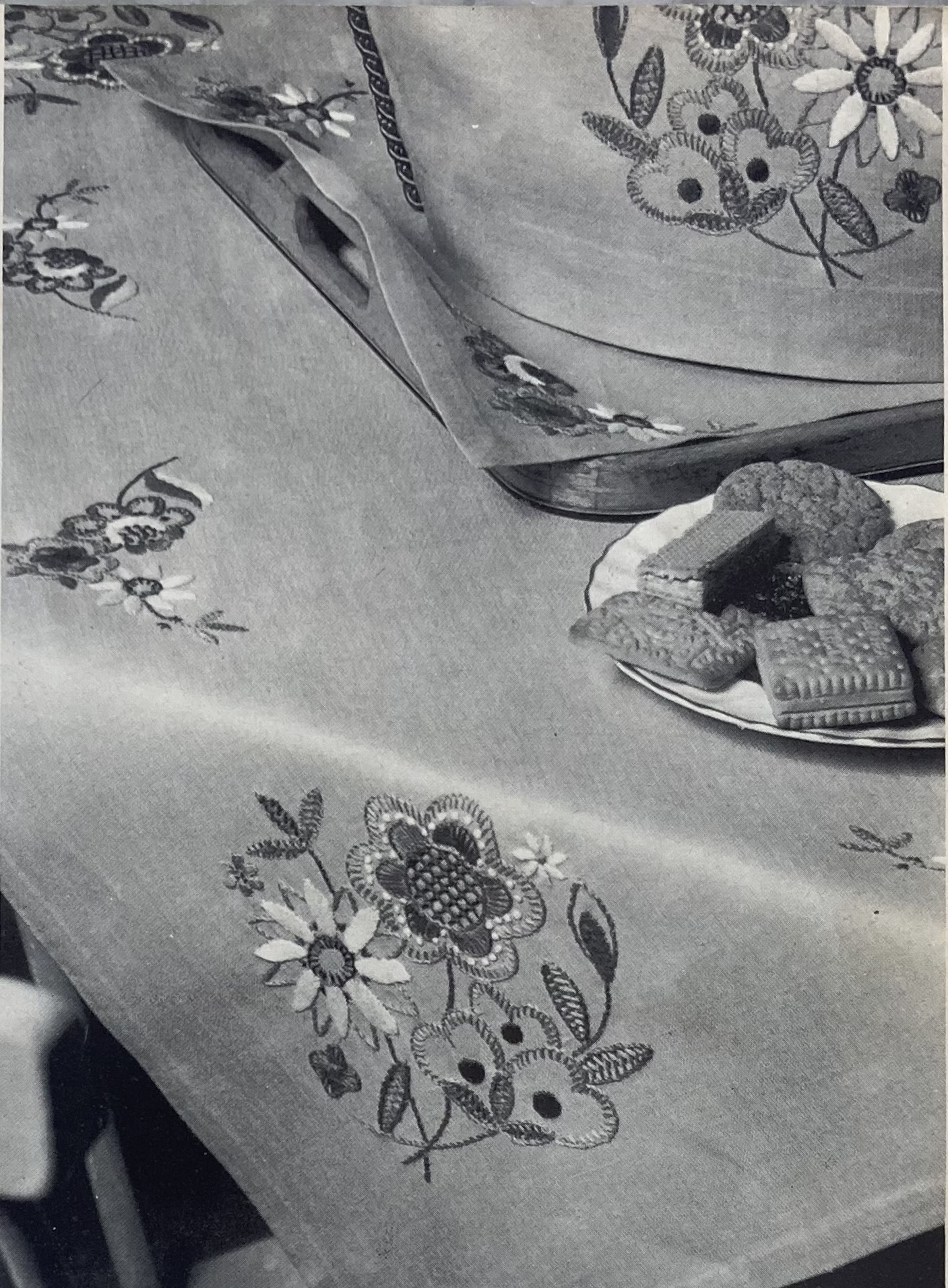
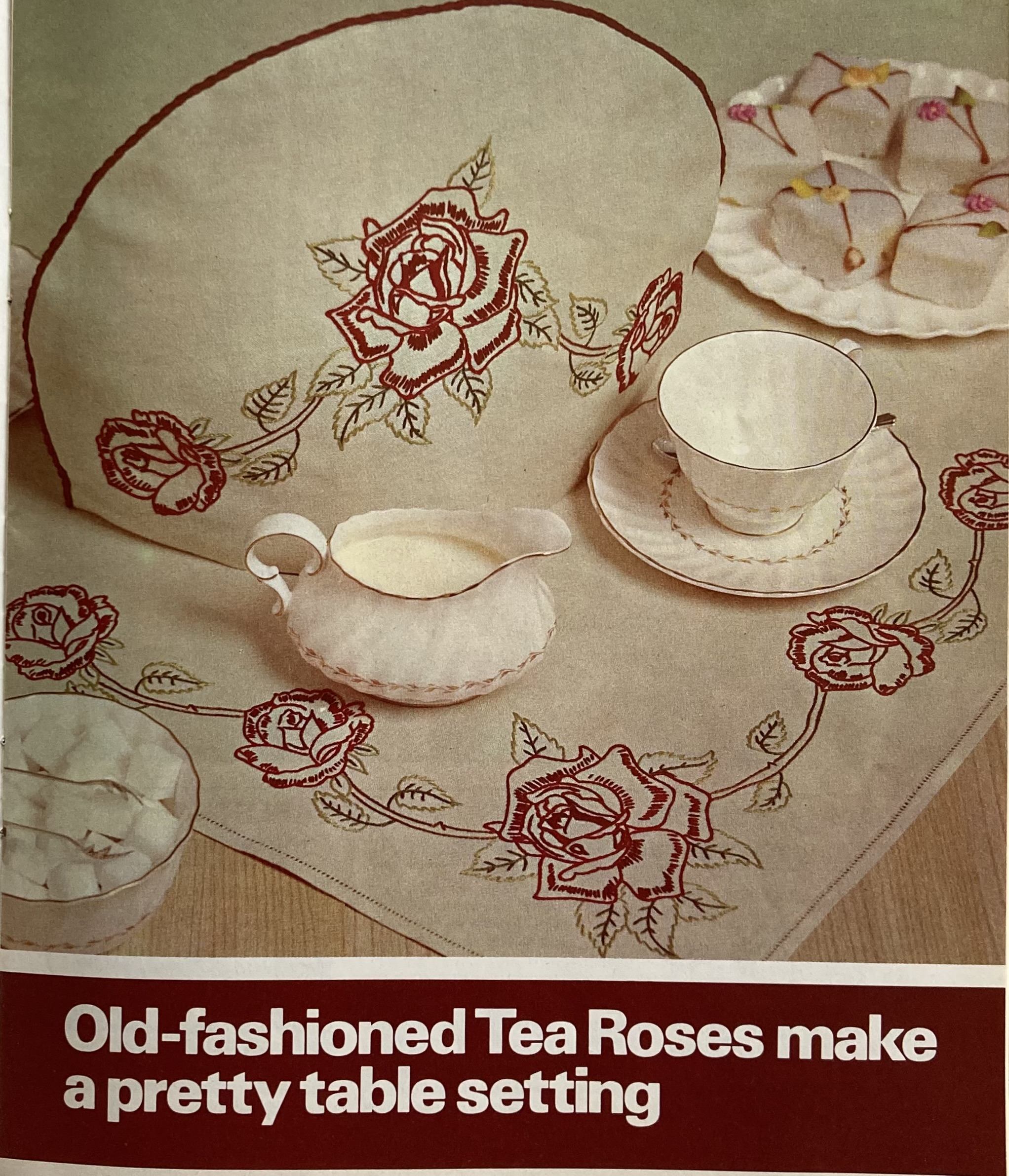
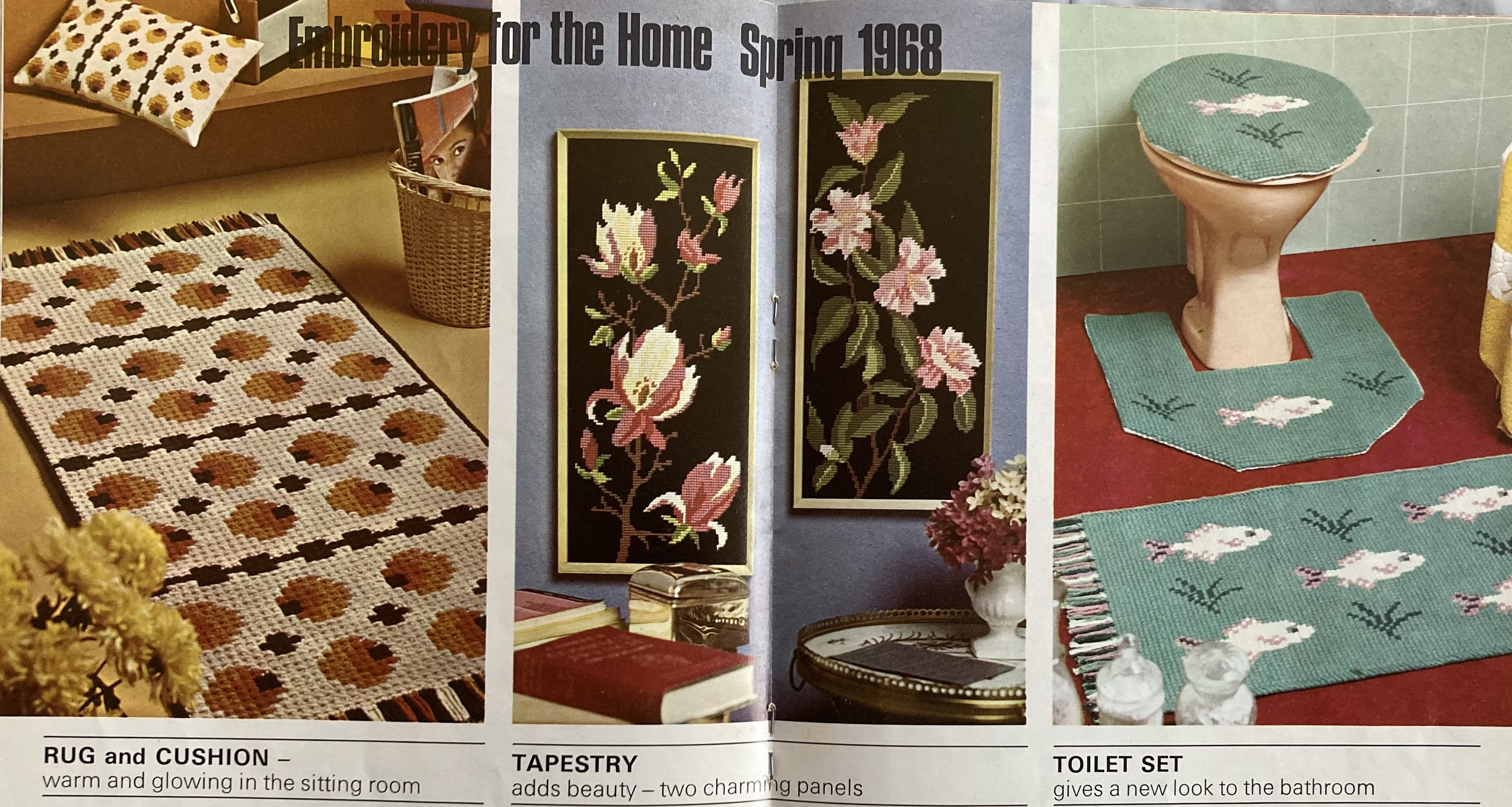
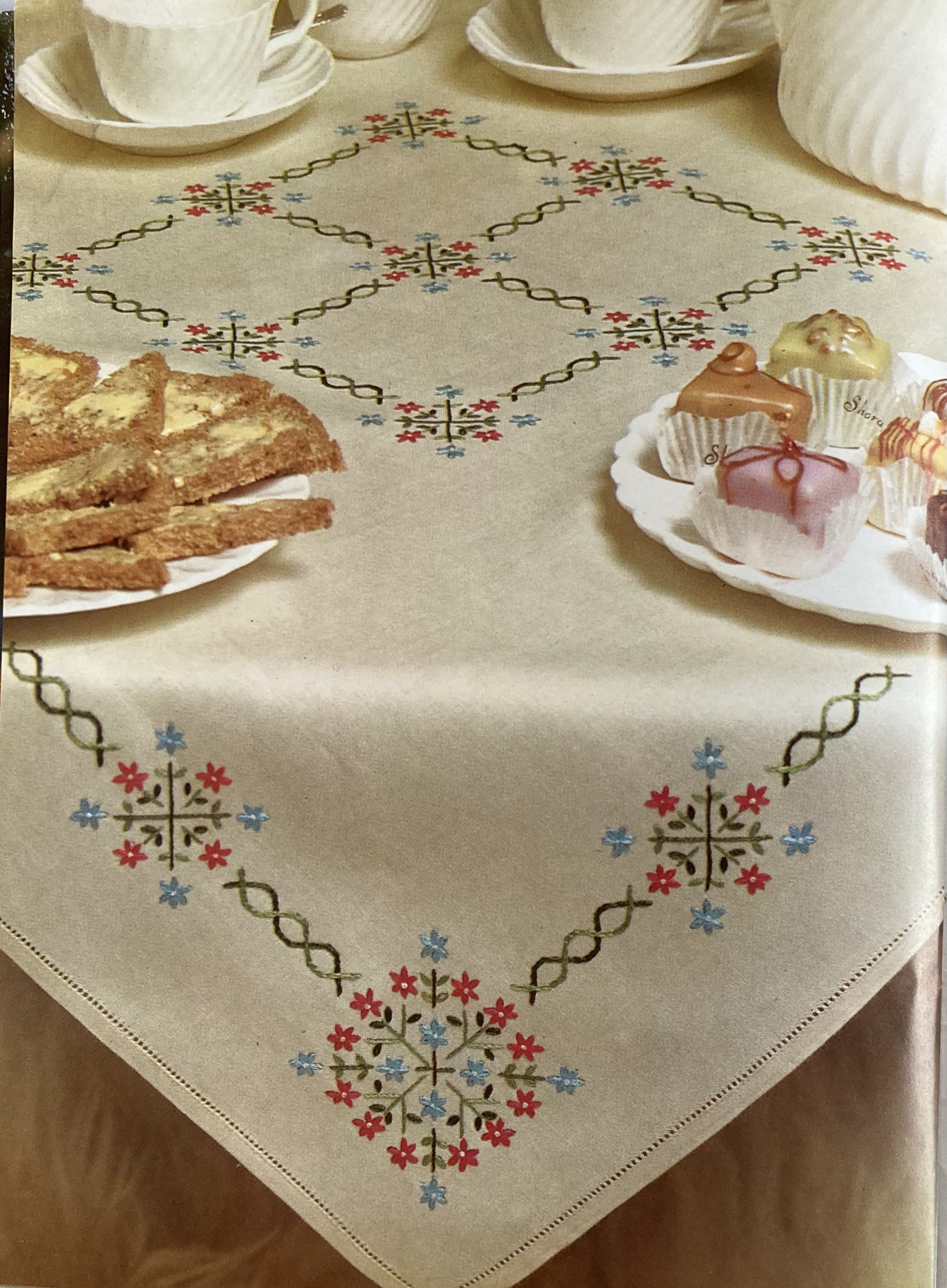
They apparently gave up on the Easter theme by the middle of the issue and just promise “4 pages of Rug-making, Tapestry and Embroidery for the Home”, which appear exactly as promised. There’s an elegant tea-table set of cosy and cloth in rose-pattern embroidery, a rug and cushion in best 1960s shades of brown, orange and gold, two floral tapestry wall panels, and a “Toilet Set” of toilet cosy and two mats. In previous issues, such items were called a “Pedestal Set”. I guess by 1968, there’s less need to be euphemistic. (But still a need to put a cosy on the toilet cover.)

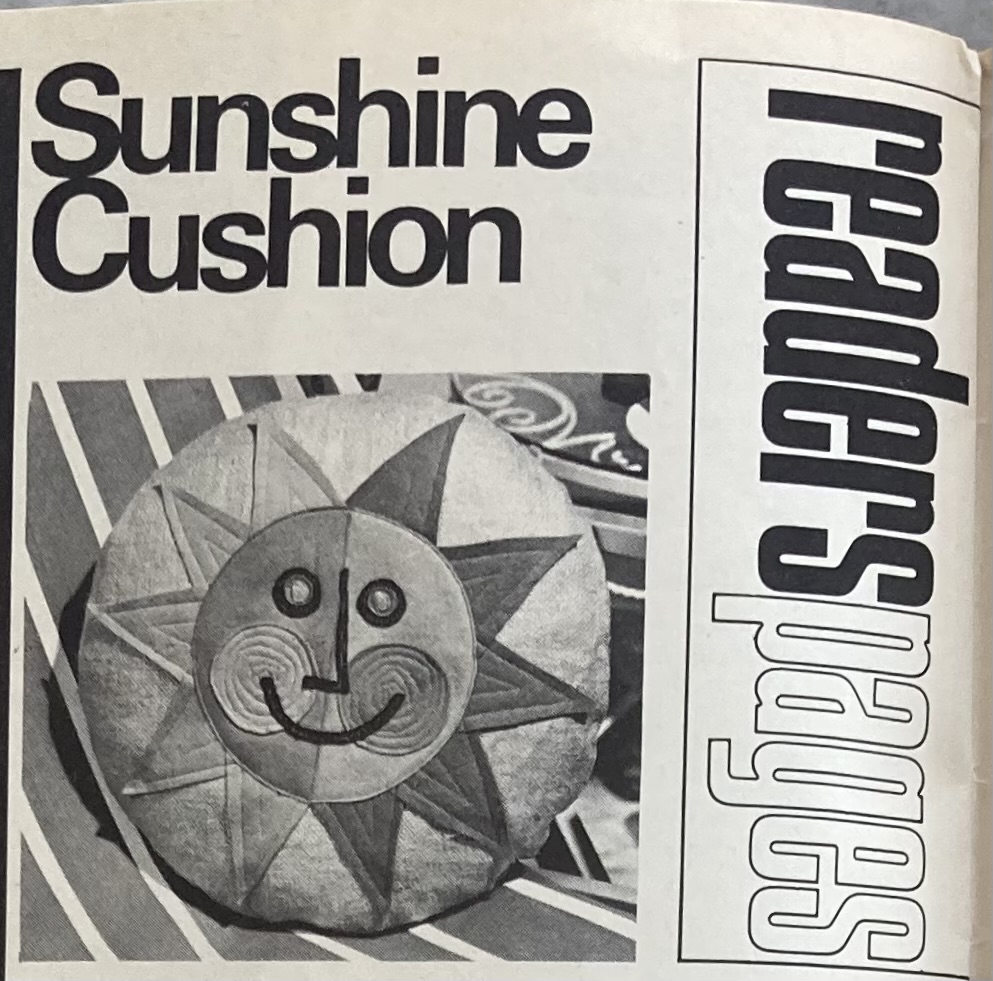
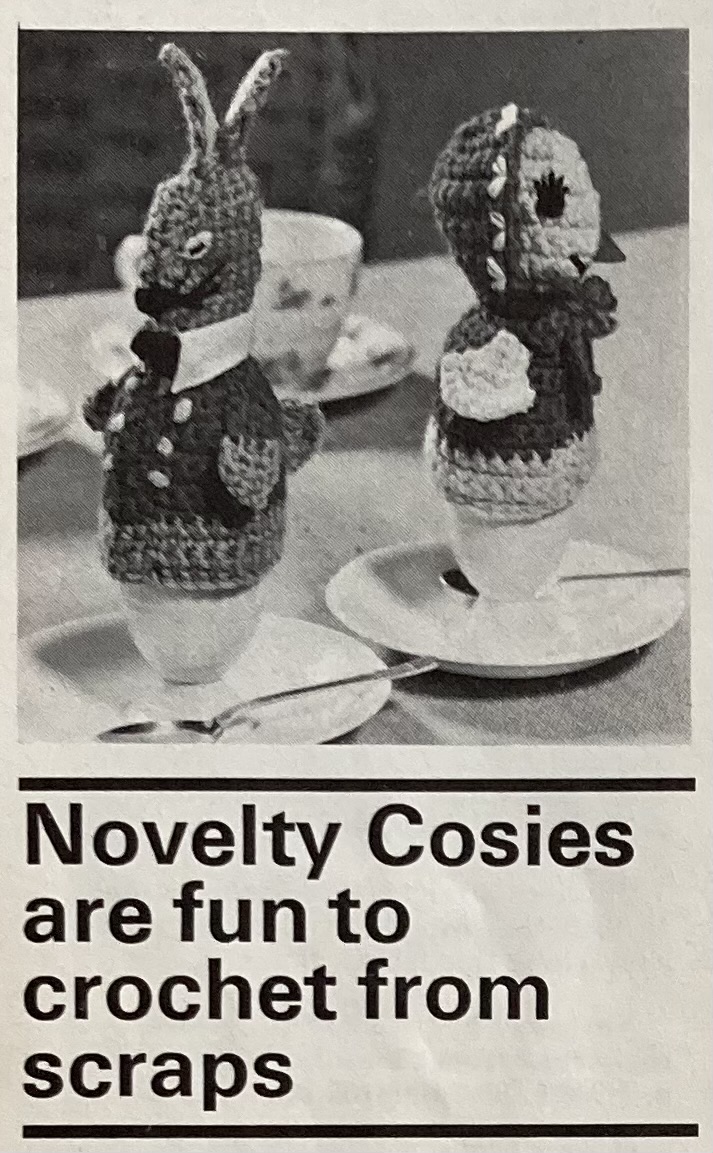
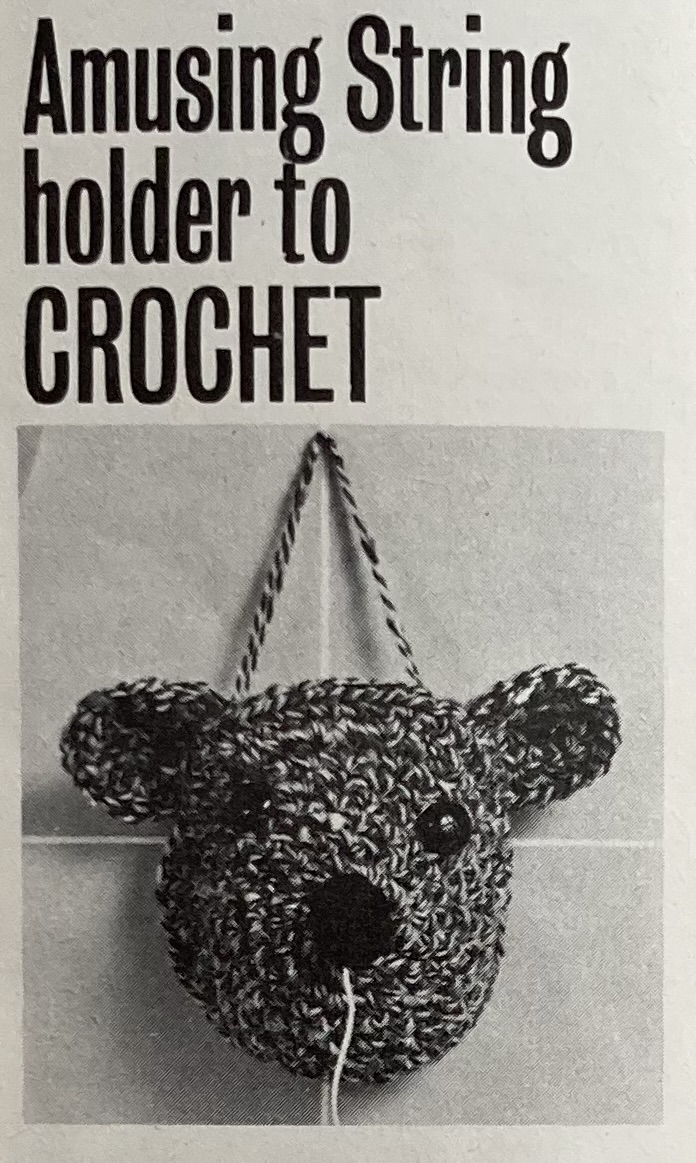
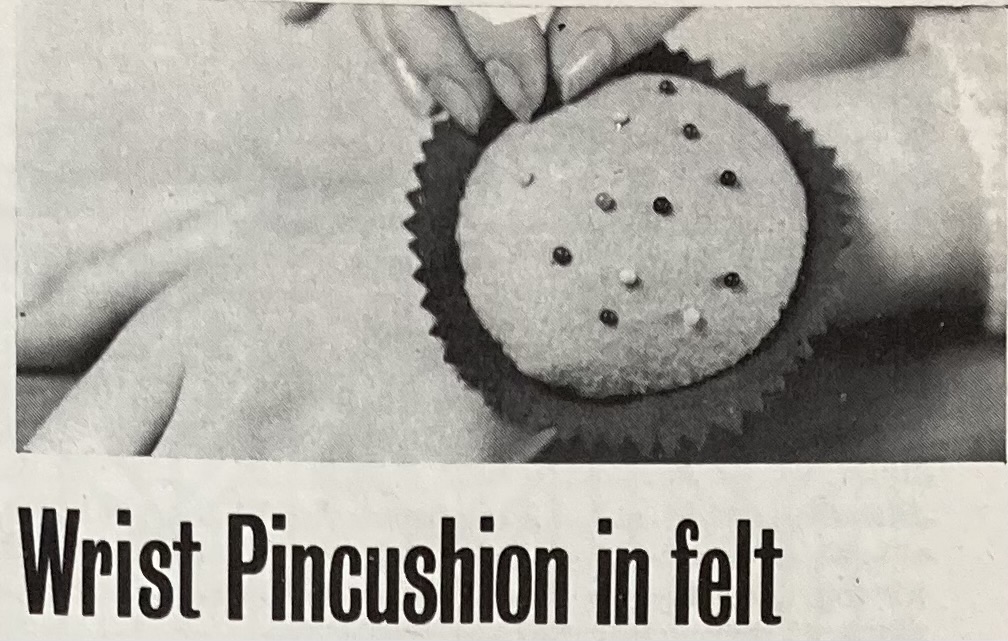
There are some great “novelty” and “bazaar” (…”bizarre” if you ask me) items in the Readers Pages: crocheted rabbit and chicken egg cosies and an “amusing” string holder. Like the Humpty Dumpty obsession, I don’t get the point of string holders. They always seem to involve pulling the end opf a ball of string through the mouth of some creature, in this case a koala. It’s better than the last one, which was a terrifying clown, but again, if you know why this was ever a thing, please enlighten me! The felt pincusion to wear on your wrist, on the other hand (heh), is practical and useful.

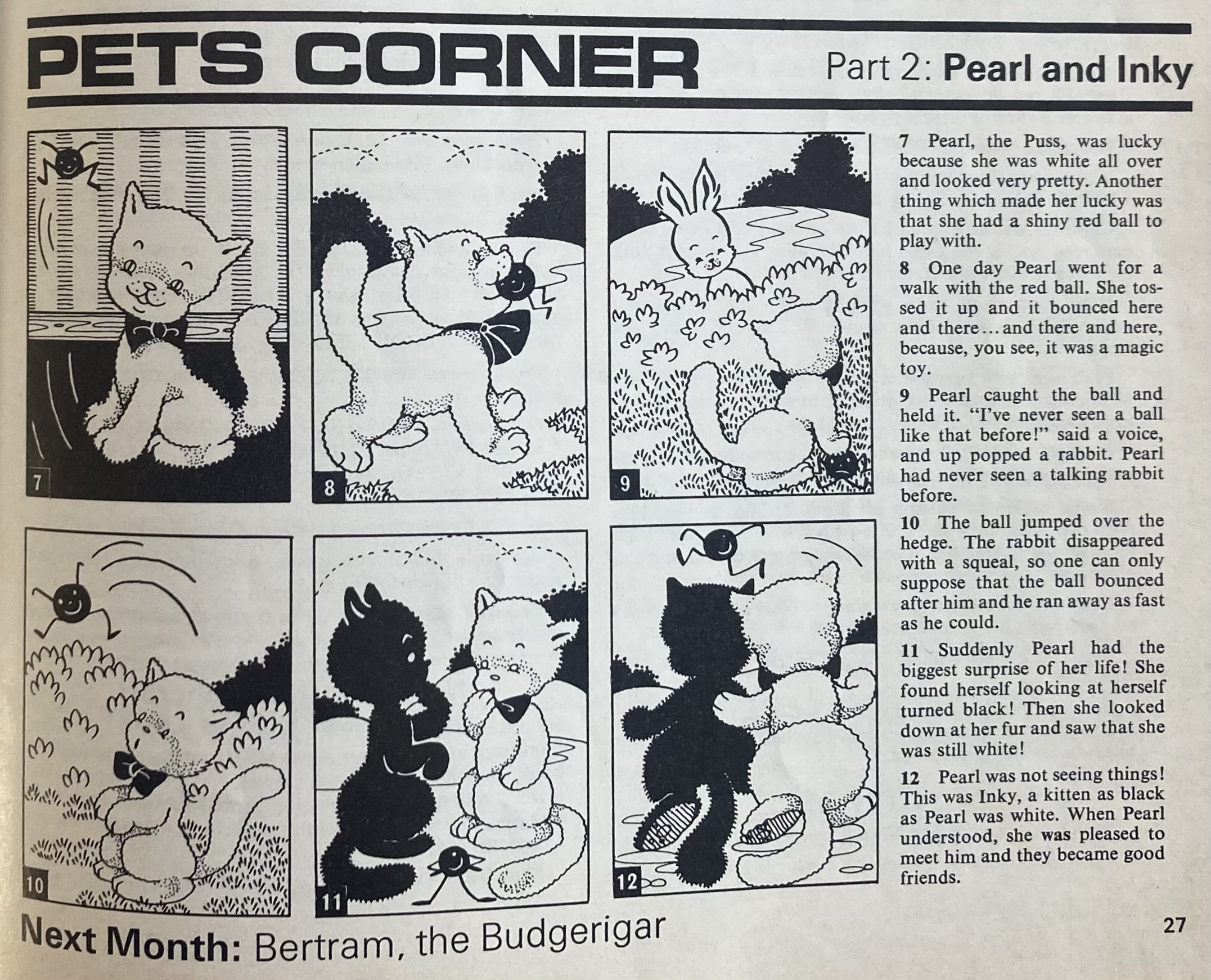
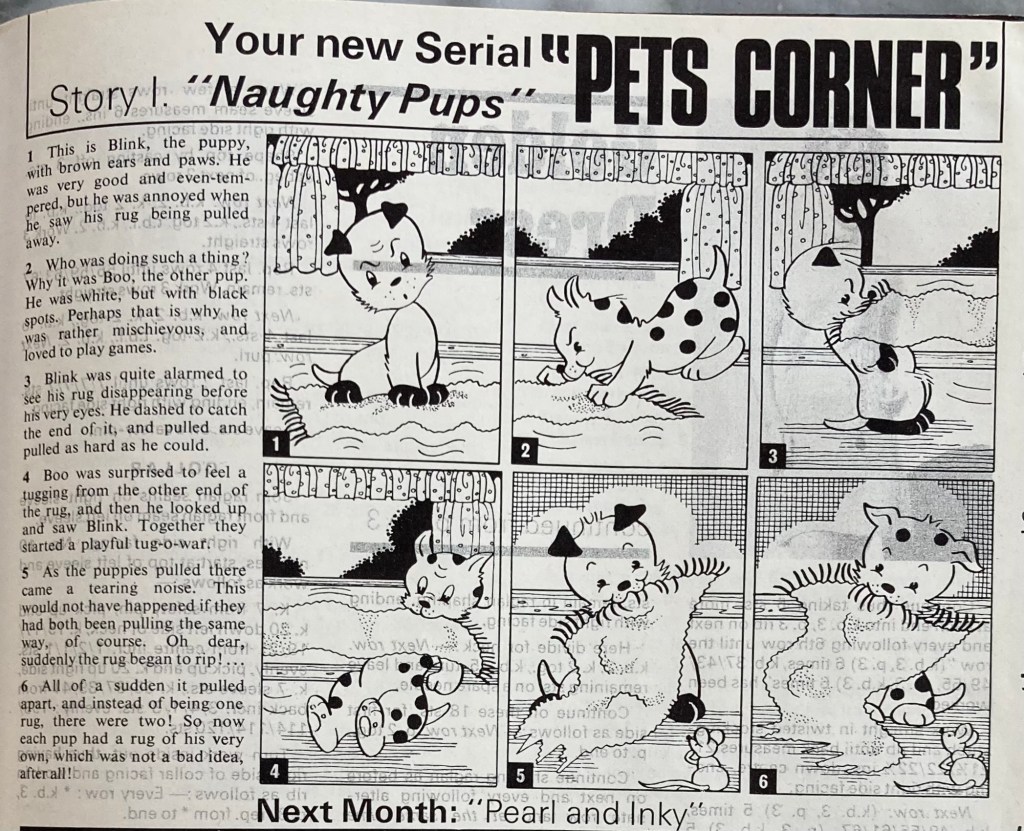
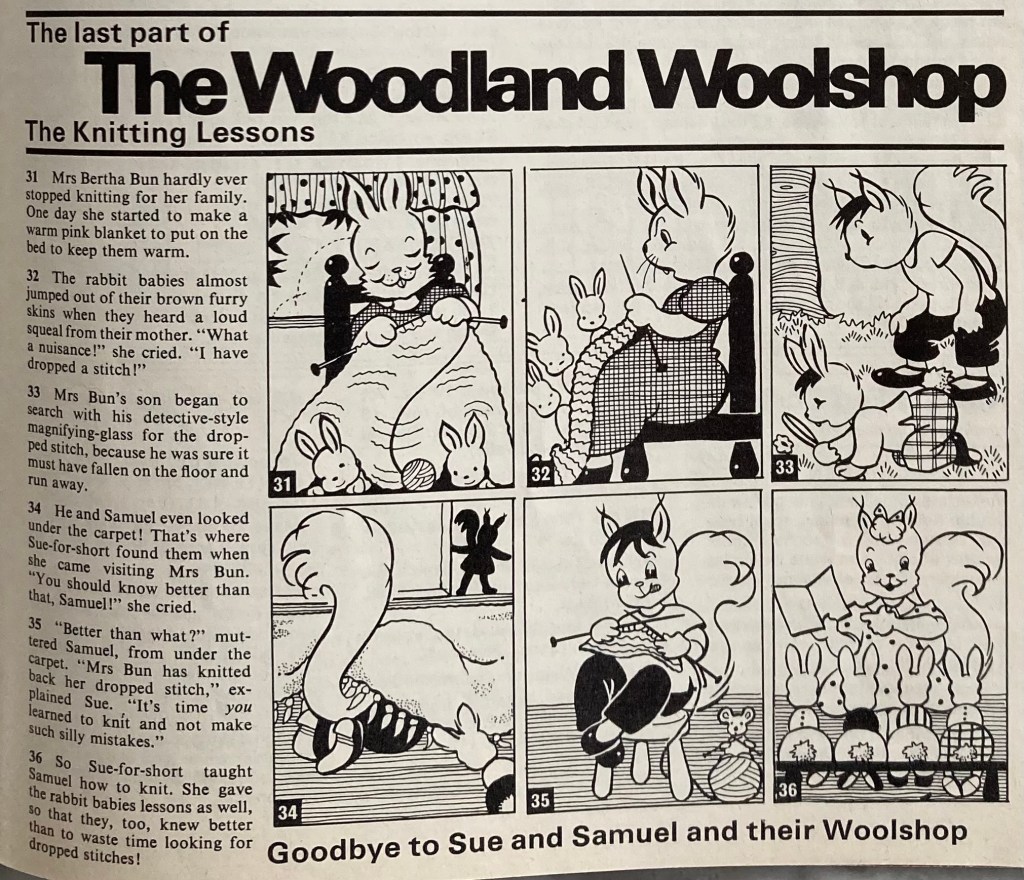
We have come to the end of our latest comic, “The Woodland Workshop”, in which various woodland animals learn that you cannot find a dropped stitch by looking for it on the floor! Words of wisdom, truly. I liked this comic.

I don’t know what to make from this issue. I love the little girl’s tunic-dress and the boy’s sweater, but don’t know any children of that age who might want one. I love the trellis stitch pattern from the “Country Mood” set, but don’t want to make a whole skirt or cardigan from it. Maybe I could adapt the pattern for mitts or something? Or I could work on the fabulous dress from the cover of the September 1967 issue, for which I bought the yarn and everything, but haven’t had time to start. We’ll see! I did finally finish the jaquard pullover from the November 1967 issue and will update that post on Tuesday, so stay tuned.

January 1968: Knit for a Cold Snap

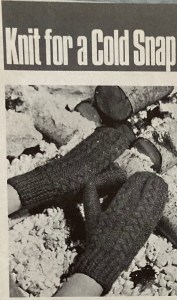
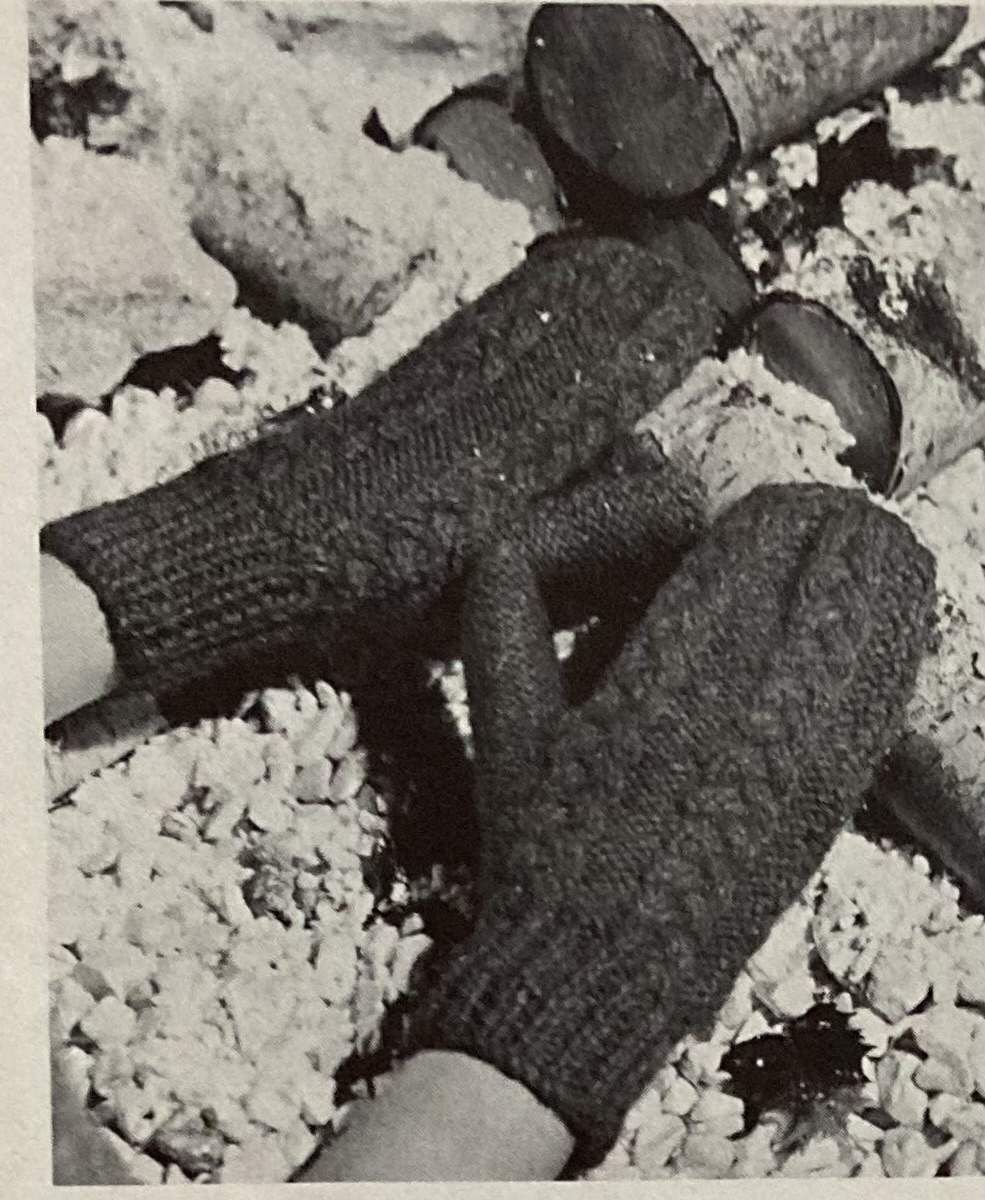
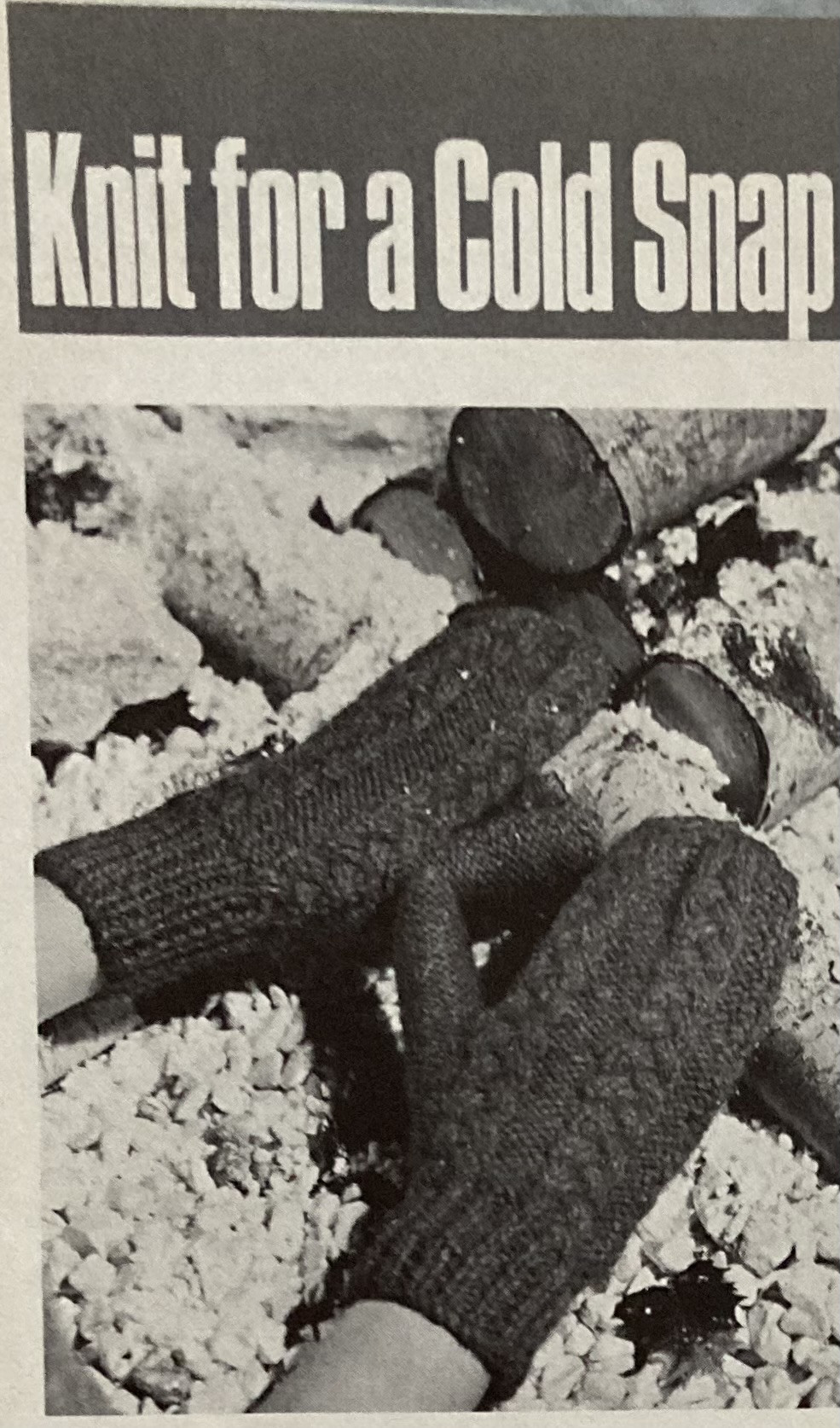
It is currently minus 13 degrees Celsius outside, so this caption from the January 1968 issue of Stitchcraft couldn’t have been timlier for this month’s project: cabled mittens (“mitts”) that promised me “Cosy fingers and thumbs”.

The pattern is written for Patons Ariel wool, which was marketed as being very airy (hence the name) and fluffy, so it would knit up quickly and be bulky, but not too heavy. It was made of 80% wool and 20% synthetic fibres. I used lovely Lana Grossa Slow Wool Canapa, bought a while ago from the “sale” bin, as it was sadly being discontinued. It is made of 90% wool and 10% hemp, which gives it tweedy white flecks.

The pattern is written to fit an “average hand” (women’s). I assumed my size 8 hands were larger than that, but also having never worked with Patons Ariel and being too lazy to make a swatch for such a small project, I went ahead and started with the suggested needle sizes and figured I could make any necessary adjustments while knitting.

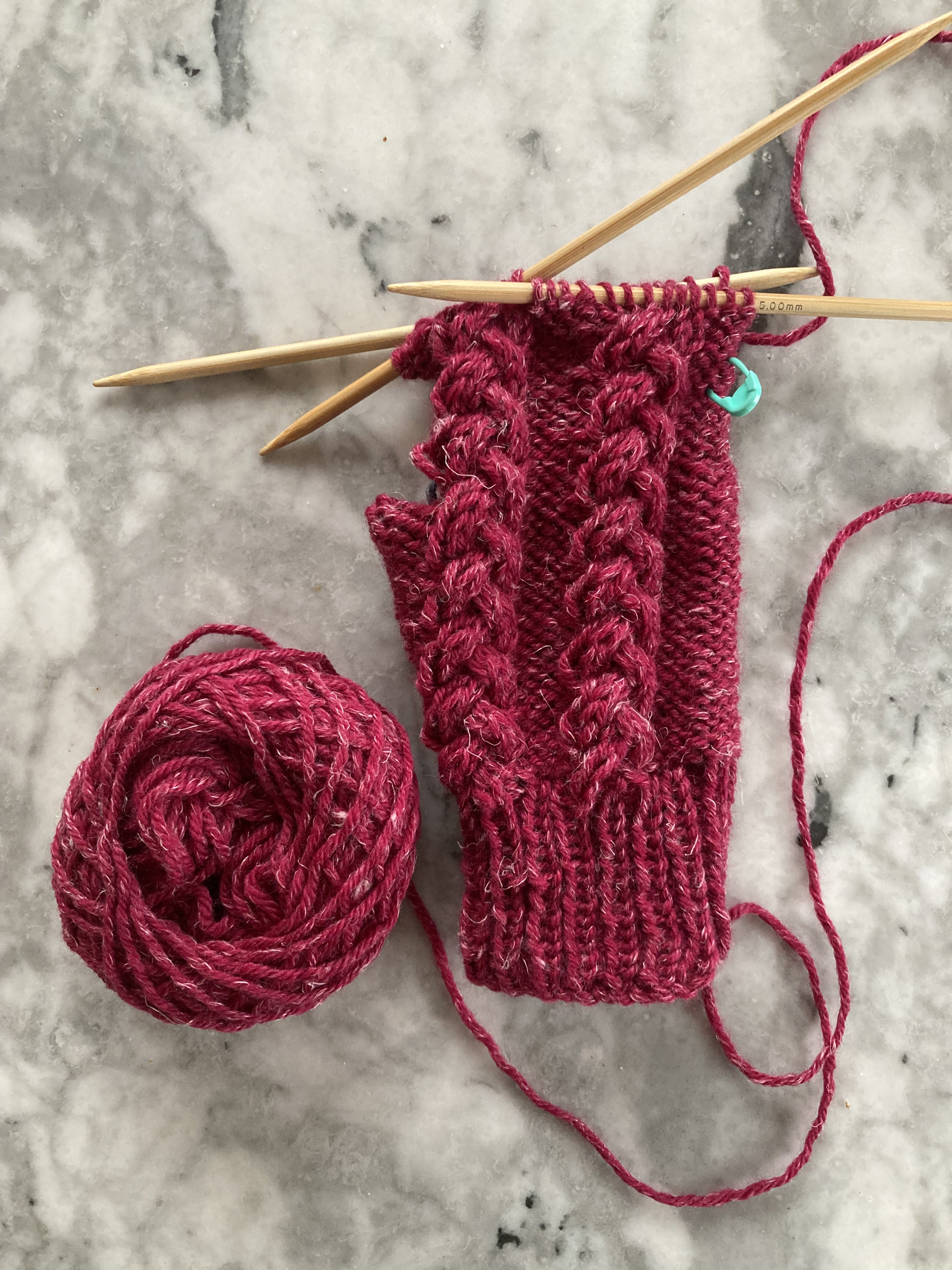
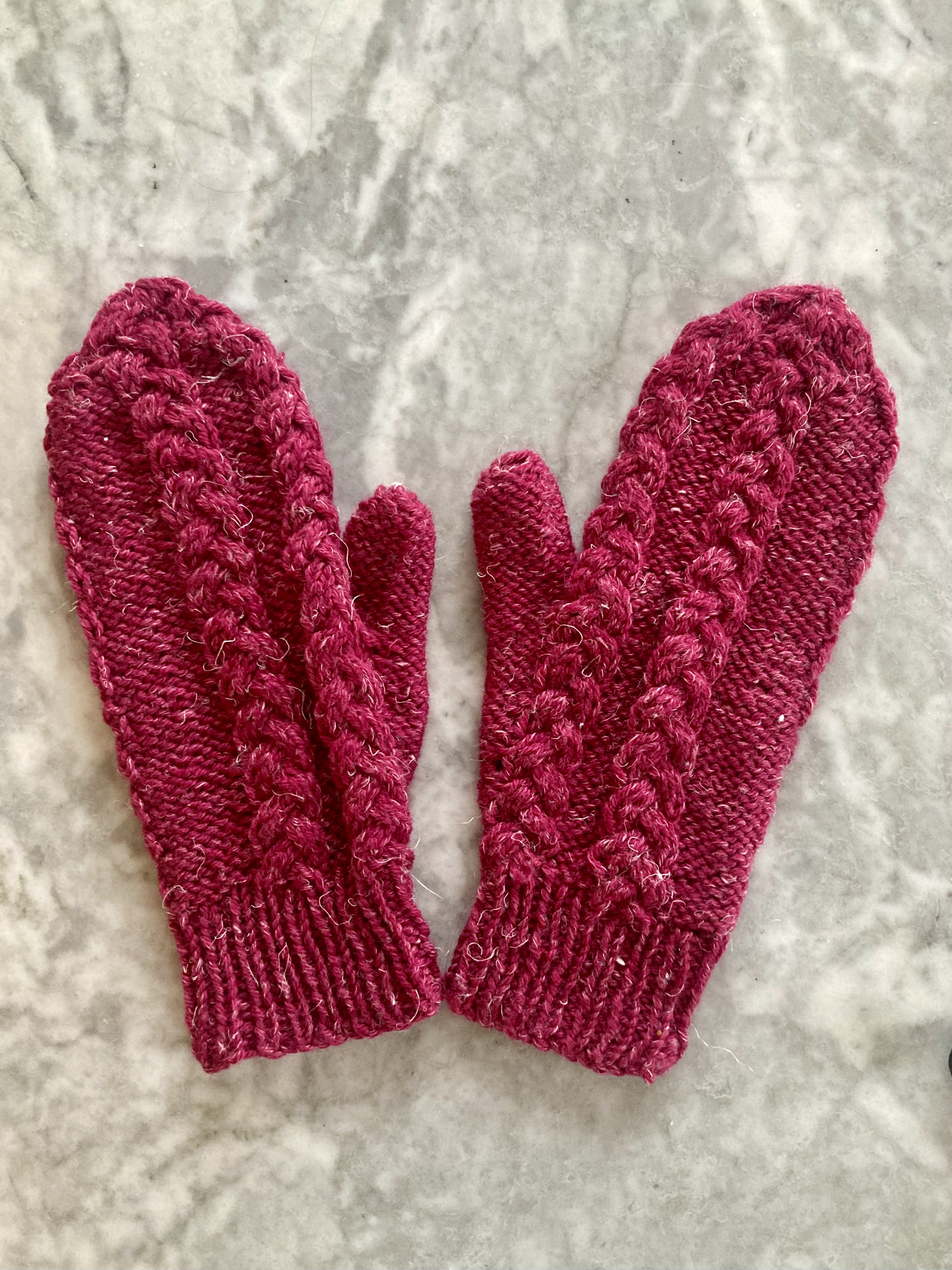
The pattern is intended to be knitted flat from the wrist ribbing to the fingertips and then seamed up on one side. There is a thumb gusset and you are supposed to knit the thumb (flat) at the point where the thumb starts, then go back and finish the hand, picking up stitches that were cast on on the left or right side of the gusset to shape for the right or left hand. I made everything in the round and finished the hand before knitting the thumb (also in the round.) That made the gloves basically identical, but I found a way to finesse the thumb pick-up stitches to make the thumbs lie slightly differently for the right and left mitten. The pattern itself is four regular 6-stitch cables on a background of reversed stocking-stitch.

They came out very nicely and the fit is perfect for me. The only problem is that I prefer to wear gloves with fingers, or “convertible” gloves with half-fingers and then a mitten top to fold over them. I also don’t have many if any clothes that match the colour (though they do match my hair!) So I don’t know if I will keep them for myself or give them to someone as a gift.

In any case, a success, and finished very quickly. I’m considering making the baby romper from this issue as well, or just using the “extra” time for finally finish my November project… and/or any of the many other winter WIPs. Stay warm!

January 1968: Overview

Happy New Year, everyone! It’s 2026 in the real world and 1968 at the Stitchcraft Sixties.

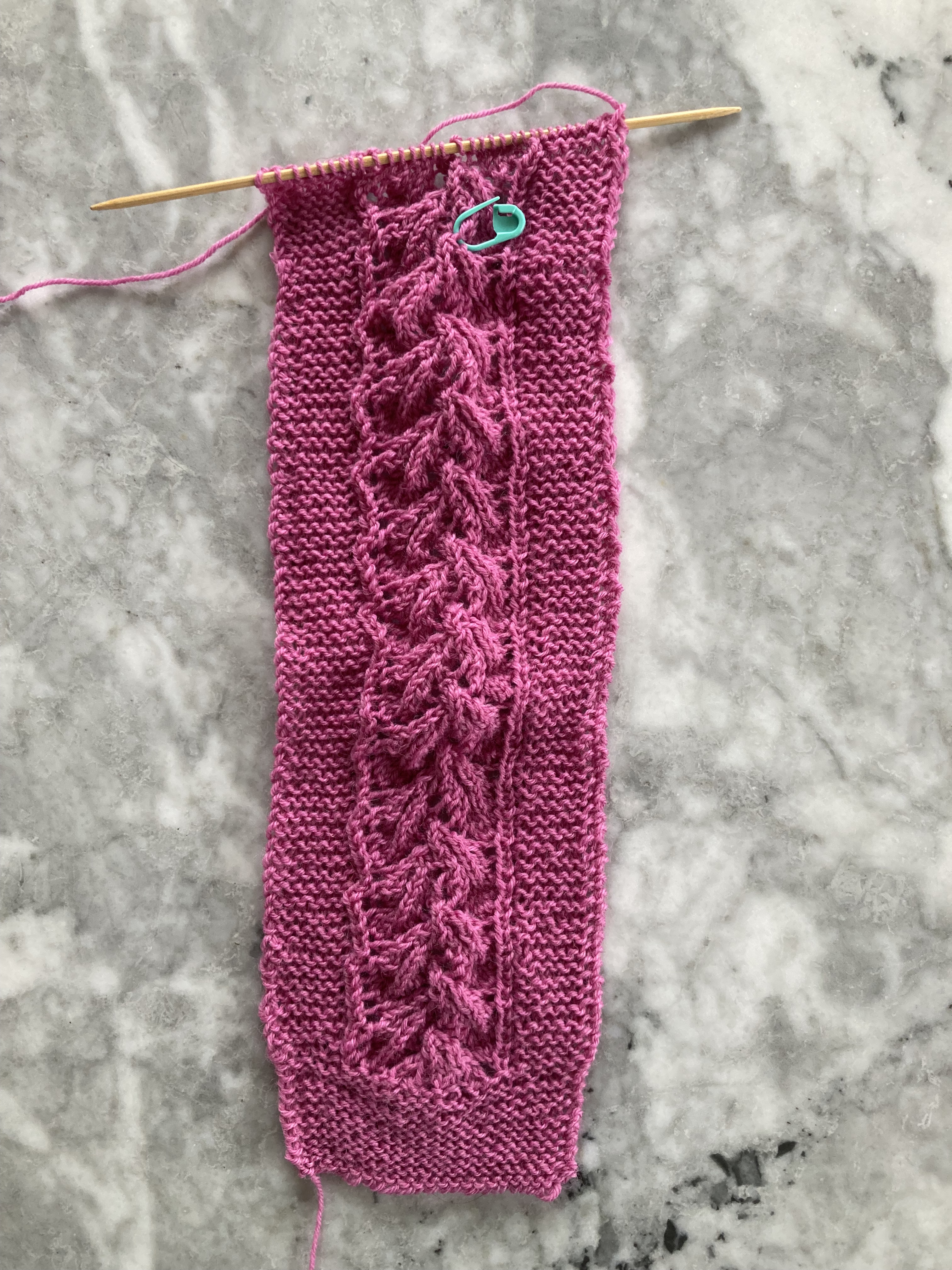
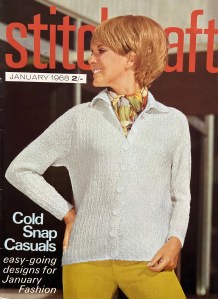
Looking ahead, 1968 is the year that Stitchcraft finally starts to get into the “Swinging Sixties” vibe, with miniskirts, oversized hats, bright patterns and lots of dresses. The January issue doesn’t quite get there yet, though. The cover cardigan has a similar construction and fit to similar garments from 1966 or 1967: long and loose-fitting, with deep raglan sleeves and a collar. The stitch pattern looks like small horseshoe cables, but is made entirely with knit, purl and slip stitches!

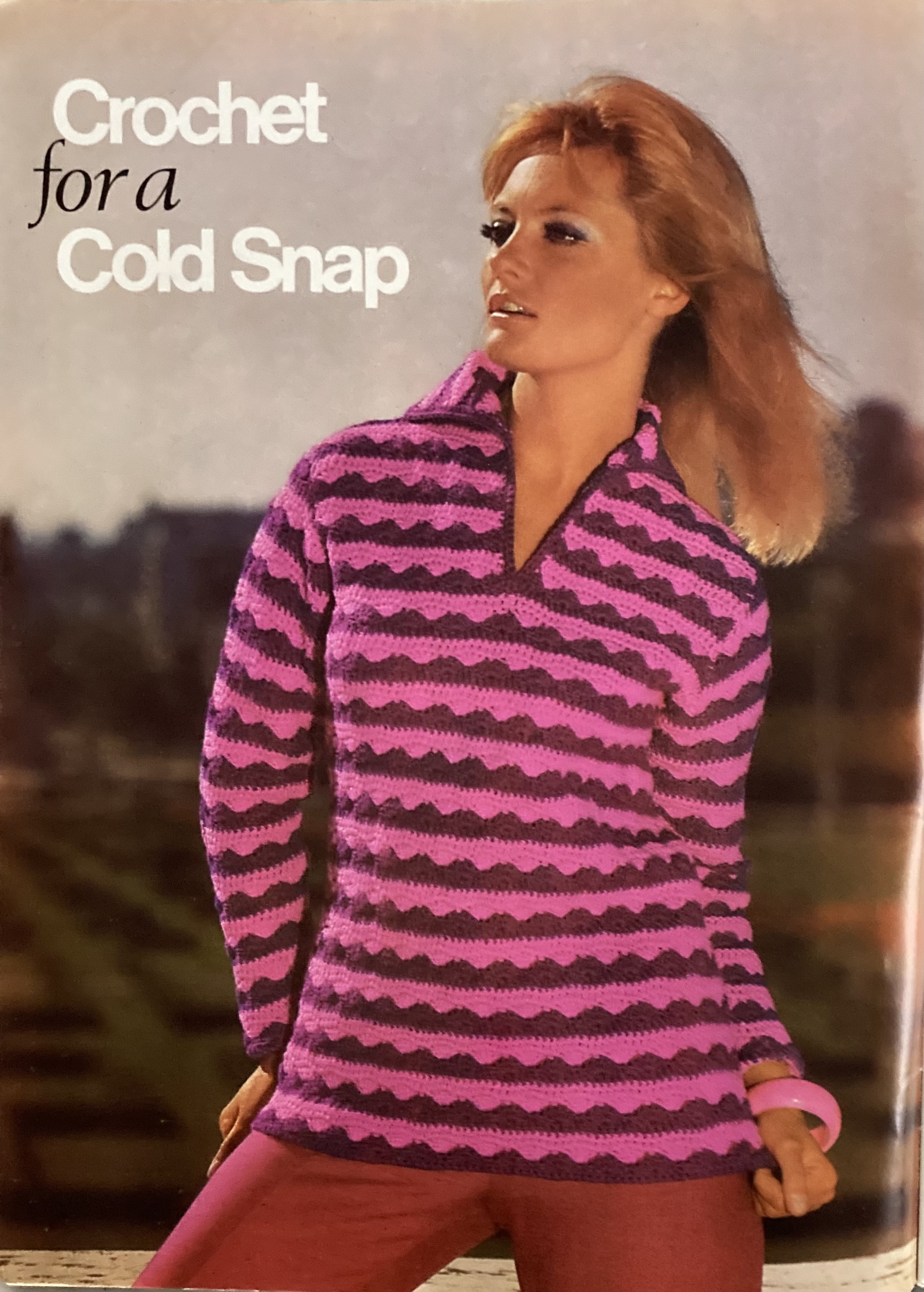
Other women’s garments include a bright pink-and-purple crocheted pullover with a similar bulky, V-necked shape. The model has a bizarre January tan that can only come from a bottle. There’s also a colourwork design to use on either a sleeveless top or a dress, and a short, zippered cabled jacket.

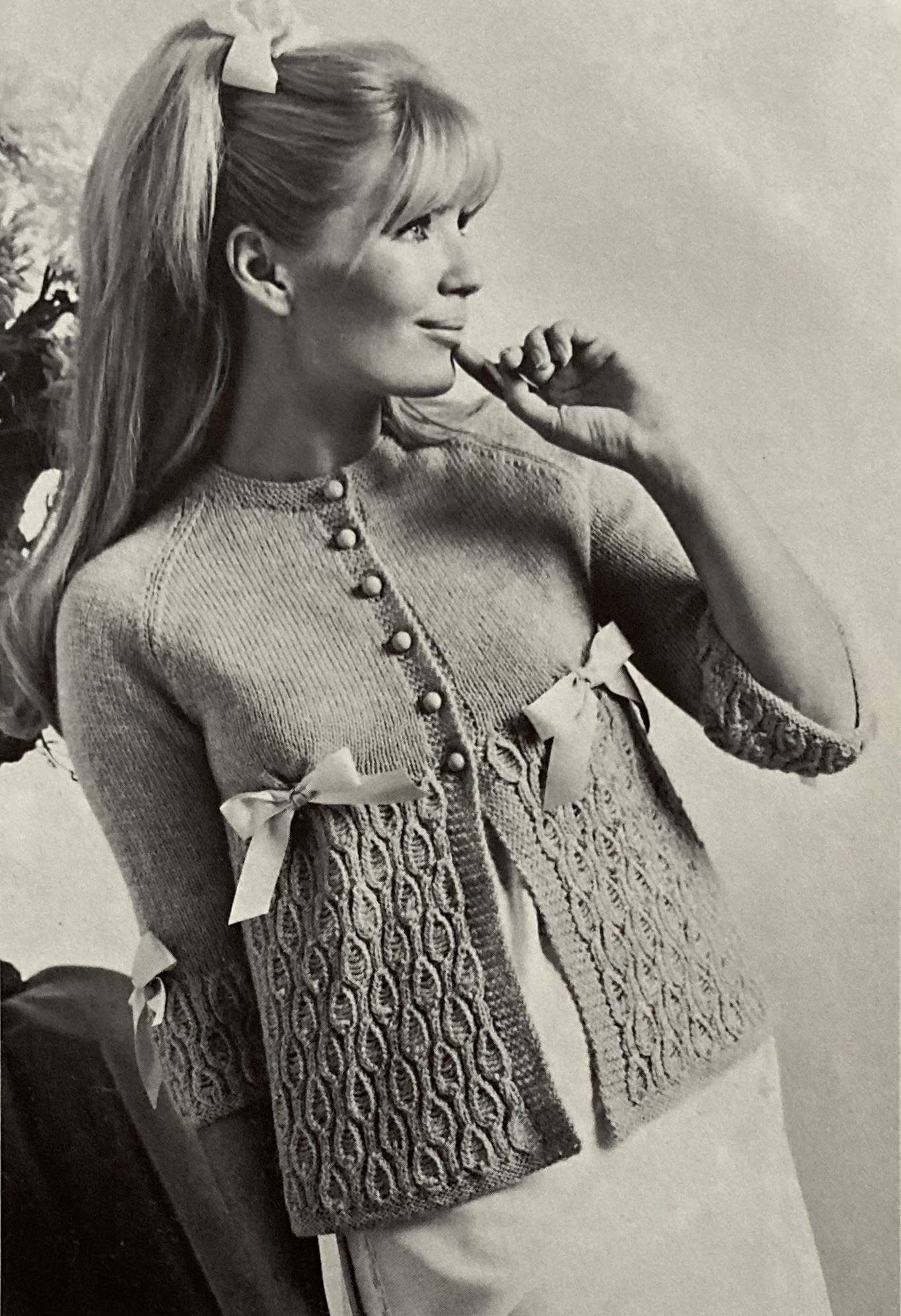
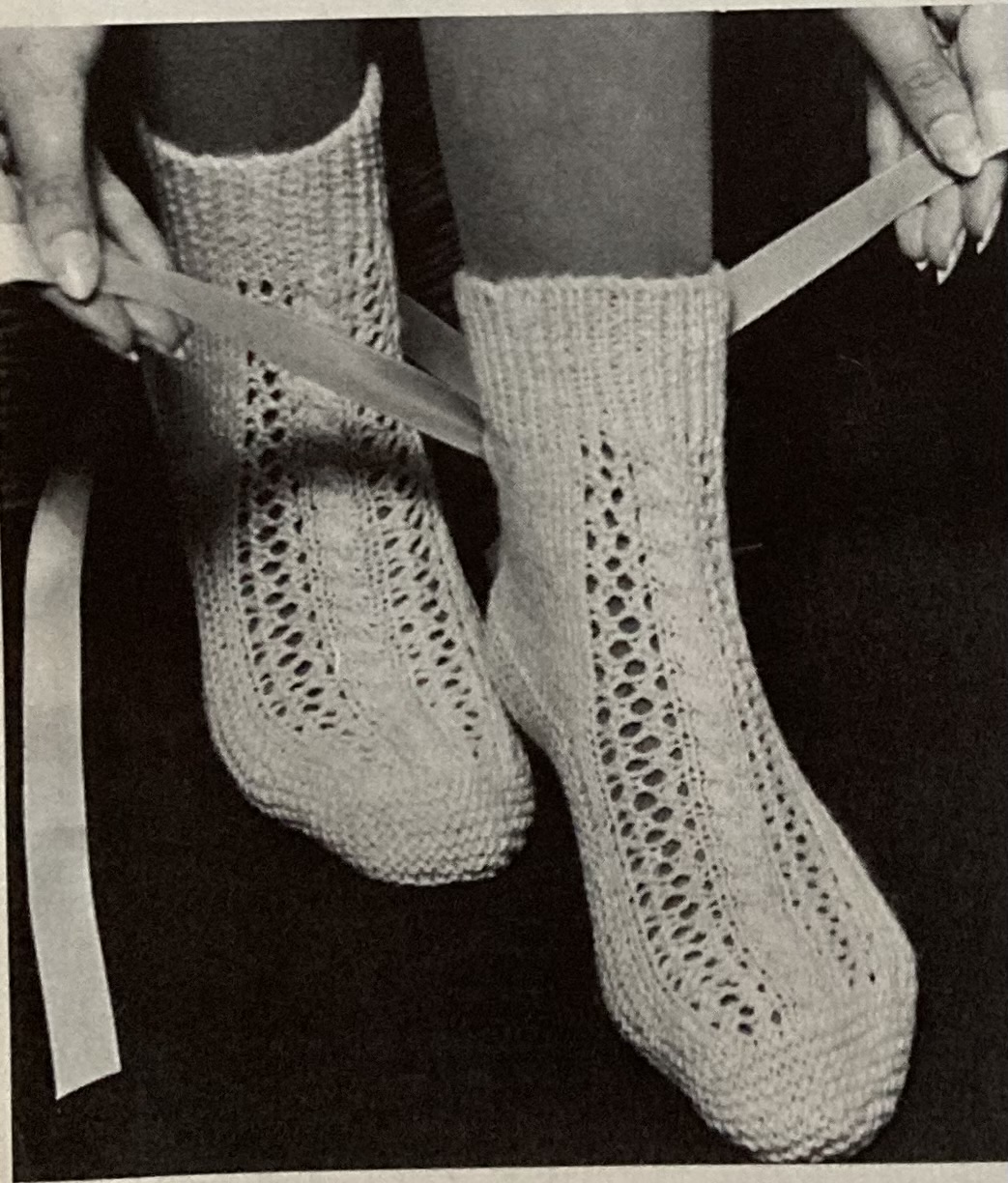
Cable, mock-cable, and bobble patterns are trending, and warm reds and golds pair with bold pink and winterly white. Warm accessories include a a chic little bed-jacket with ill-placed (or strategically designed to draw the attention of one’s bed partner?) bows. You can make a pair of warm cabled gloves, or bed socks with ribbon bows to match the bed-jacket.

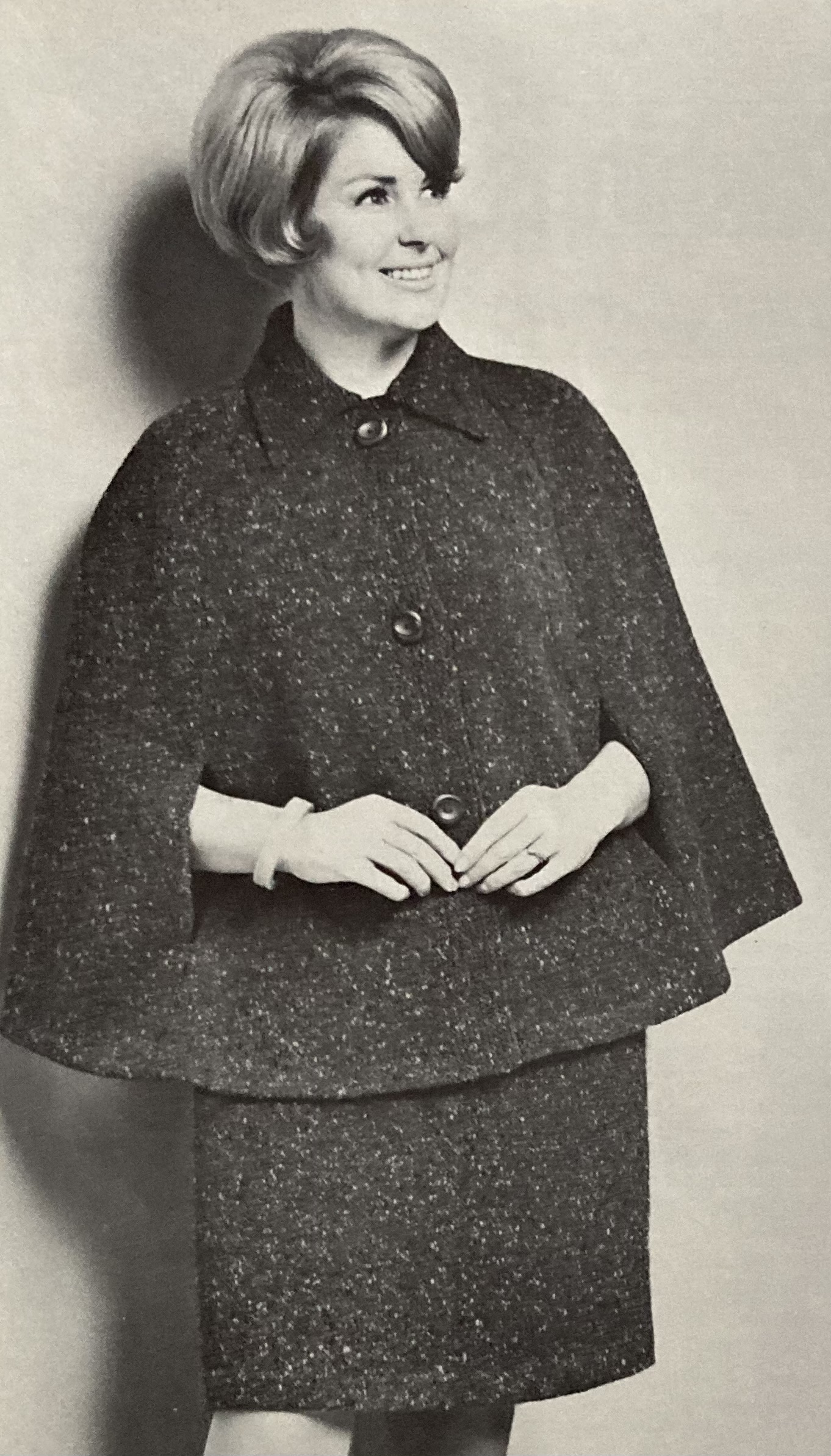
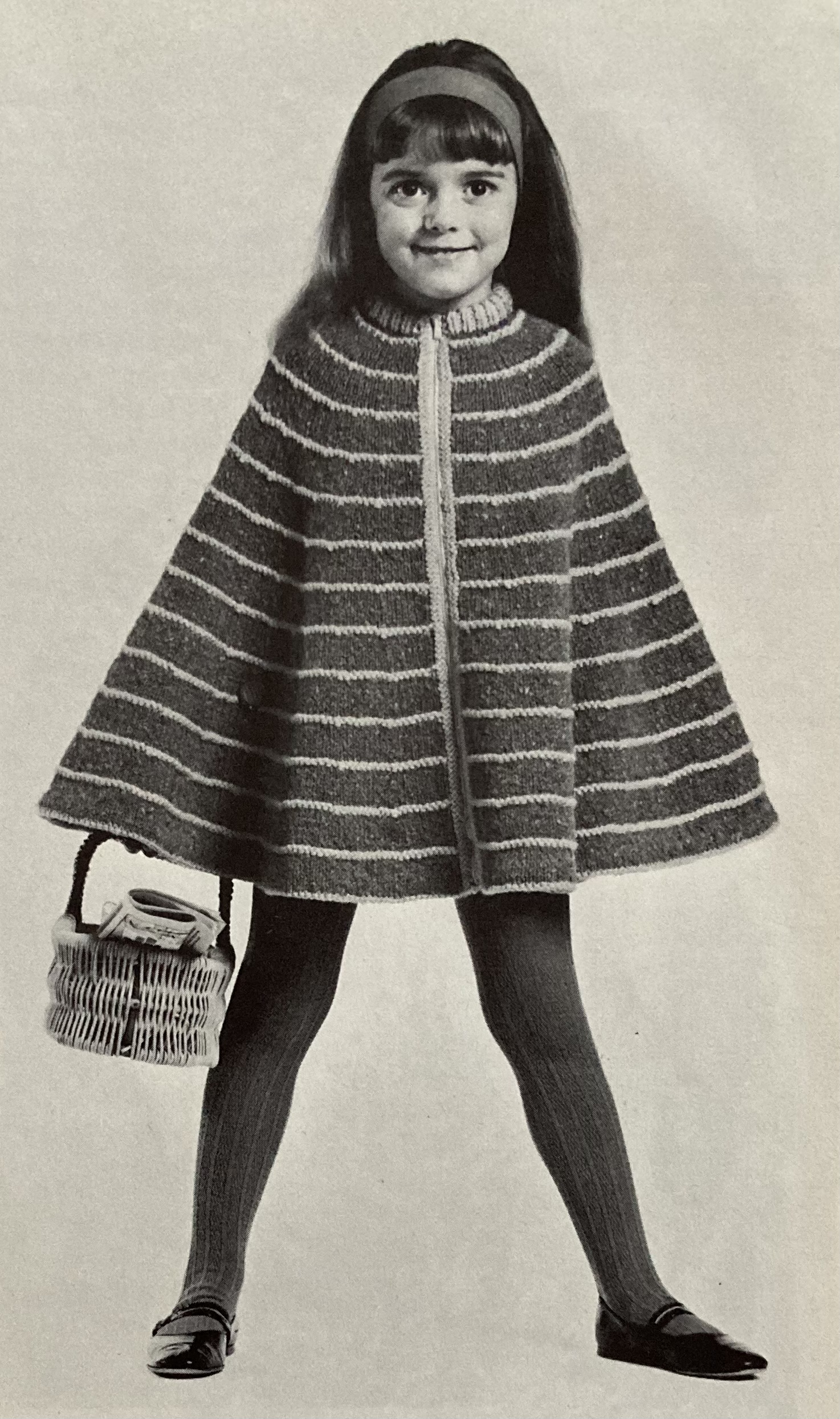
Two of the women’s garments stand out. The cape made a brief fashion appearance in the later 1960s, and Stitchcraft‘s version pairs it with a skirt in an ensemble for larger sizes (to fit 38/40/42 inch bust). There is even an adorable version for a little girl, with one of the cutest photos ever. She looks like Little Red Riding Hood going out to see her grandmother on New Year’s Day, but with cold legs. At least she’s wearing tights, for once! The adult version is made in an intriguing “Purple Dusk” shade of Bracken Double Knitting tweed, the children’s version in the same wool, but in two shades of pink: Gentian and Raspberry. Little Pink Riding Hood, as it were (and without the hood.) The caption to the cape photos is “The Cape makes sense”. I disagree — capes are bulky and hard to layer. It does have a certain flair, though.

Speaking of bulky and hard to layer, another late 60’s flash-in-the-pan trend was extremely bulky garments made by holding 4 or more strands of bulky wool together. Patons called this “Super-Sonic” and included a pattern for a cabled and moss-stitch dress that can be made in 8 hours at a tension of almost 1 stitch/inch using 4 strands of bulky “Big Ben” wool on 00 needles — that’s 9mm or a US 13. The accompanying text says, “The thick fabric is firm and elastic and 2 inches at least, are deducted from the length of a dress, to allow for settlement.” That’s a nice way of putting it! I imagine it sags immediately. The colours are a wild mix of Light Navy, Sunglint (yellow), French Mustard, and Jade.

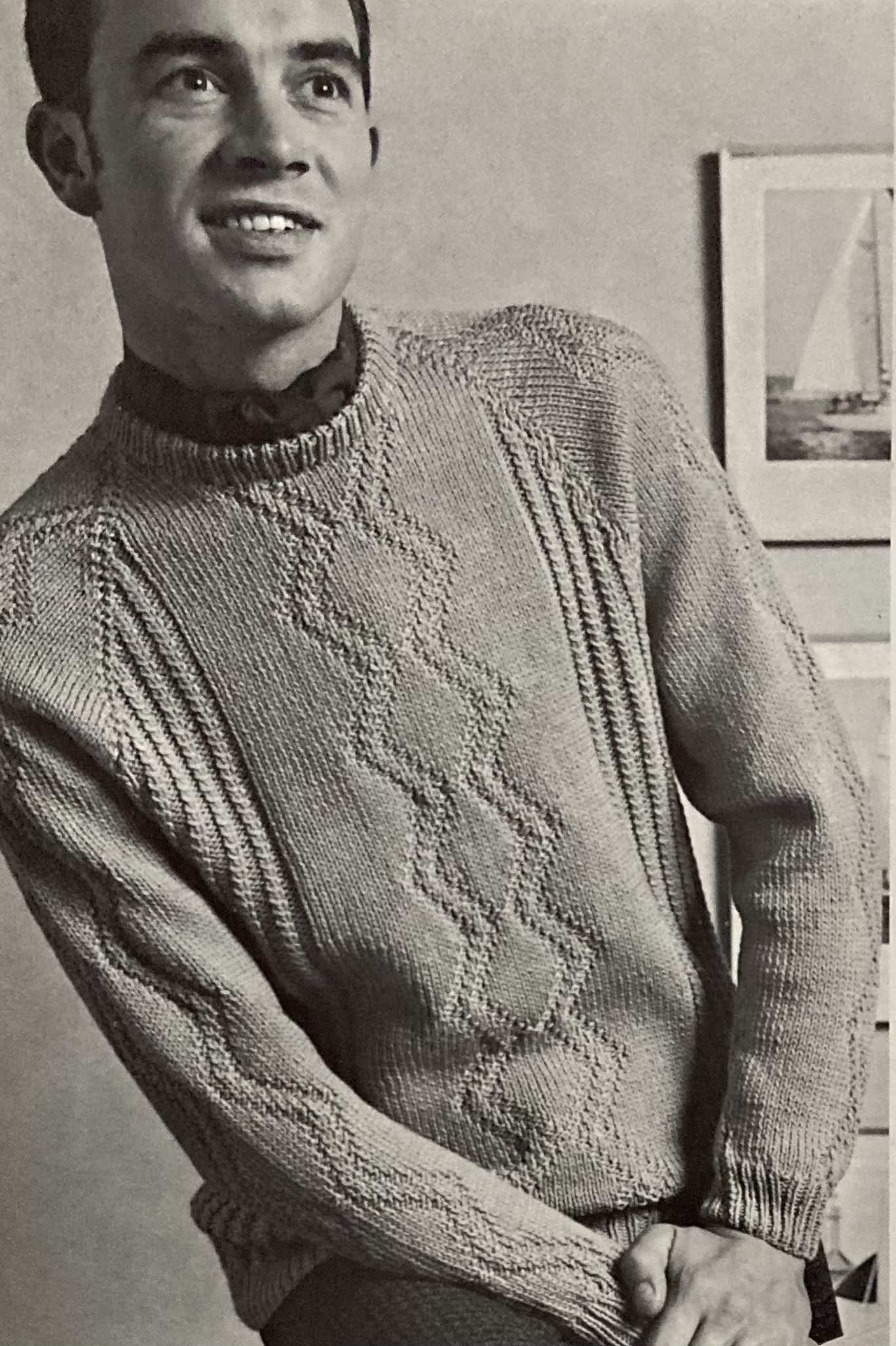
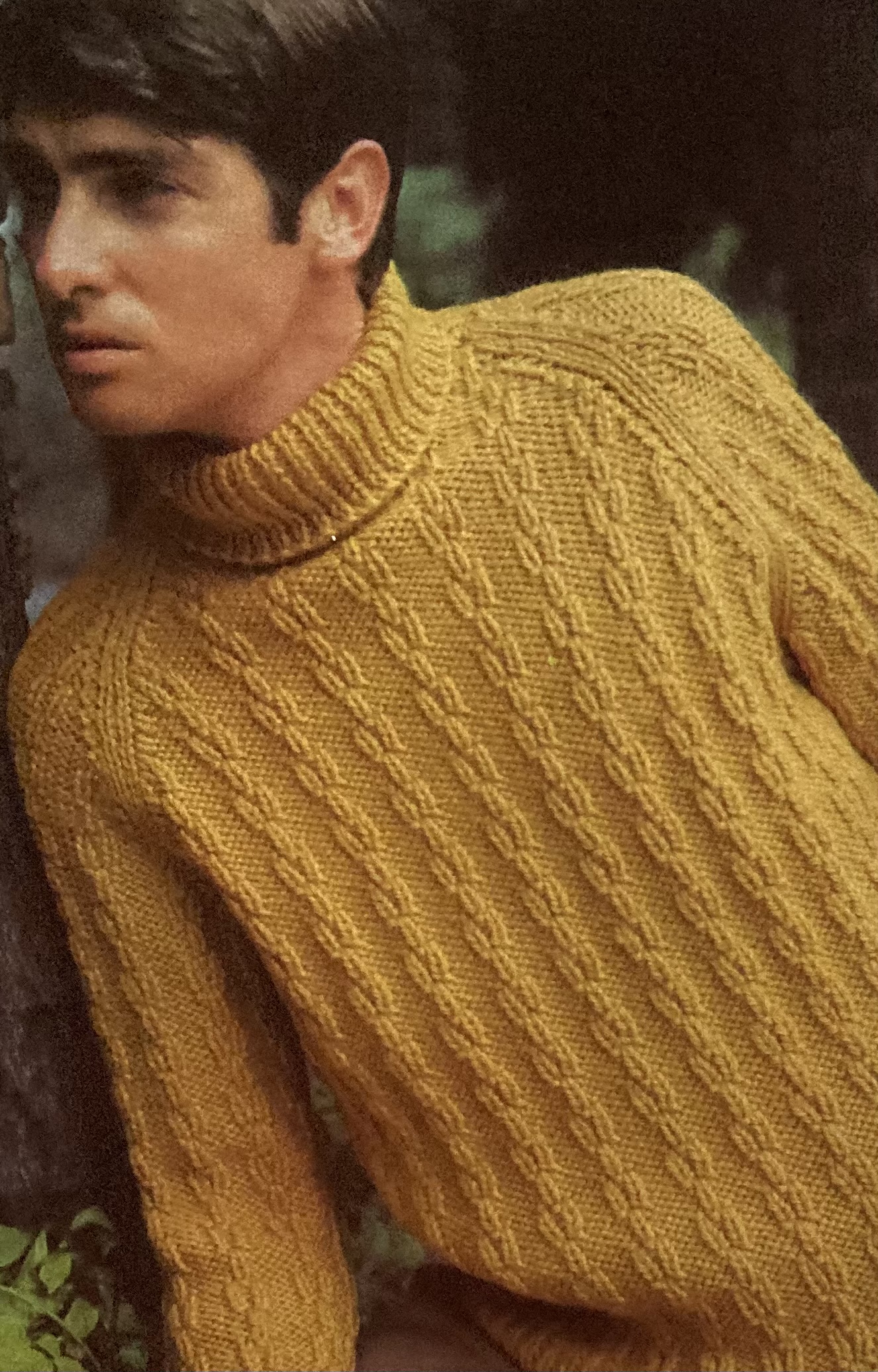
There are two designs for men, both featuring thick wool, warm gold colours, and textured, geometric patterns similar to the ones used in the women’s garments. The zig-zag pattern is made with knit and purl stitches, with twisted stitches on the front side panels, and the textured looks-like-a-mini-cable pattern on the polo-neck pullover is made entirely with knit and purl stitches on a reversed stocking-stitch background. Note the very 1960s dynamic diagonal-line photo poses.

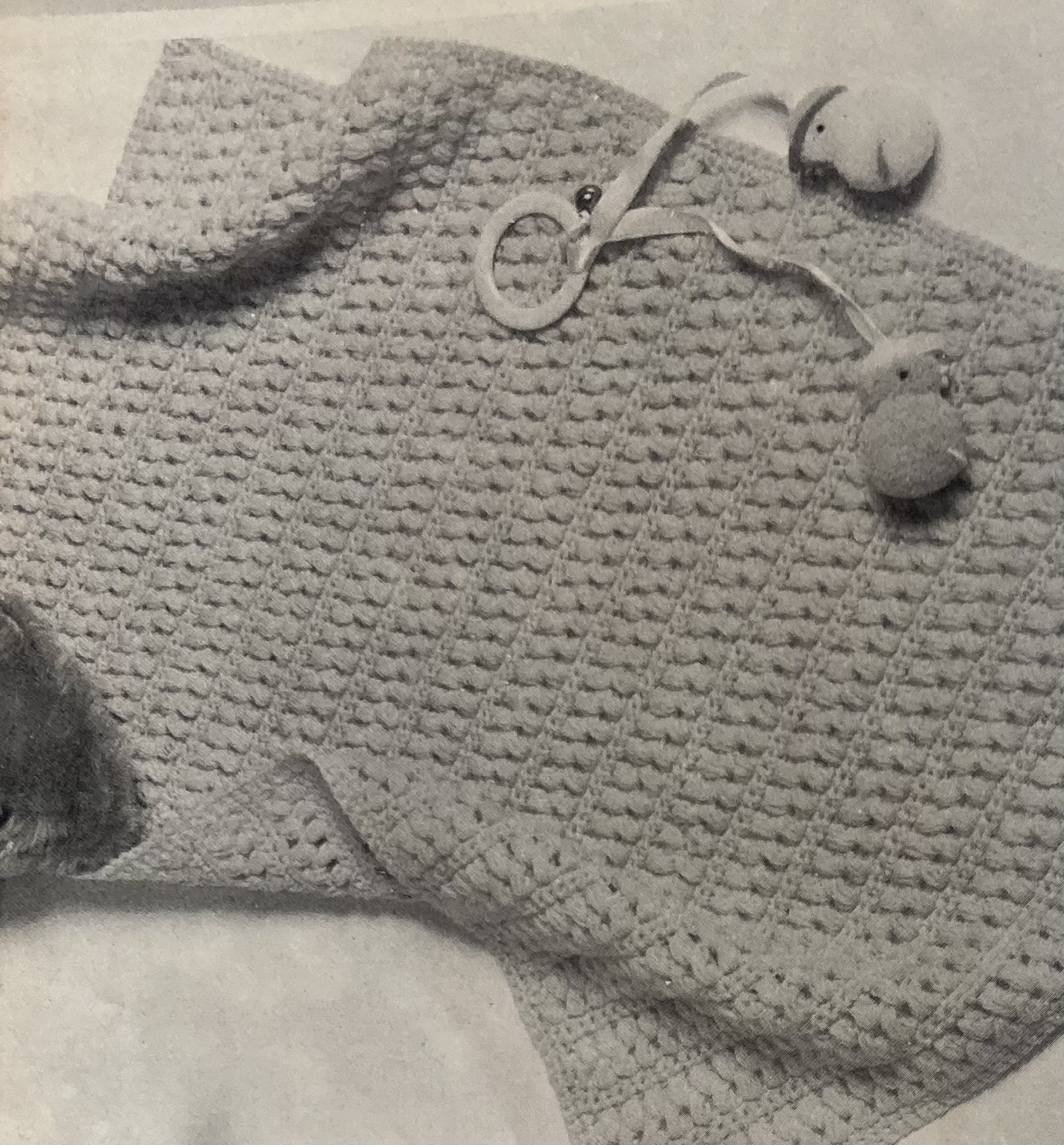
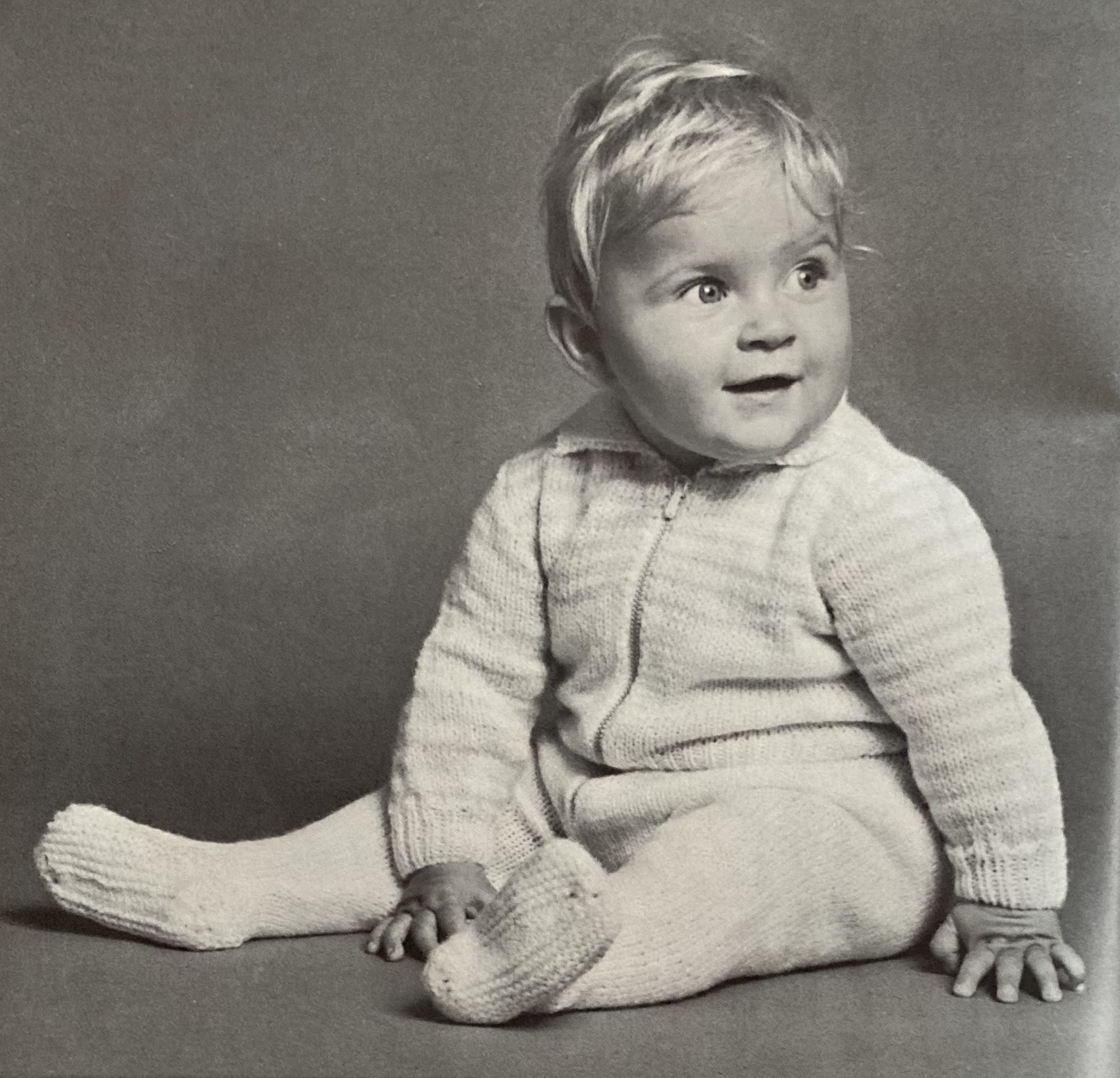
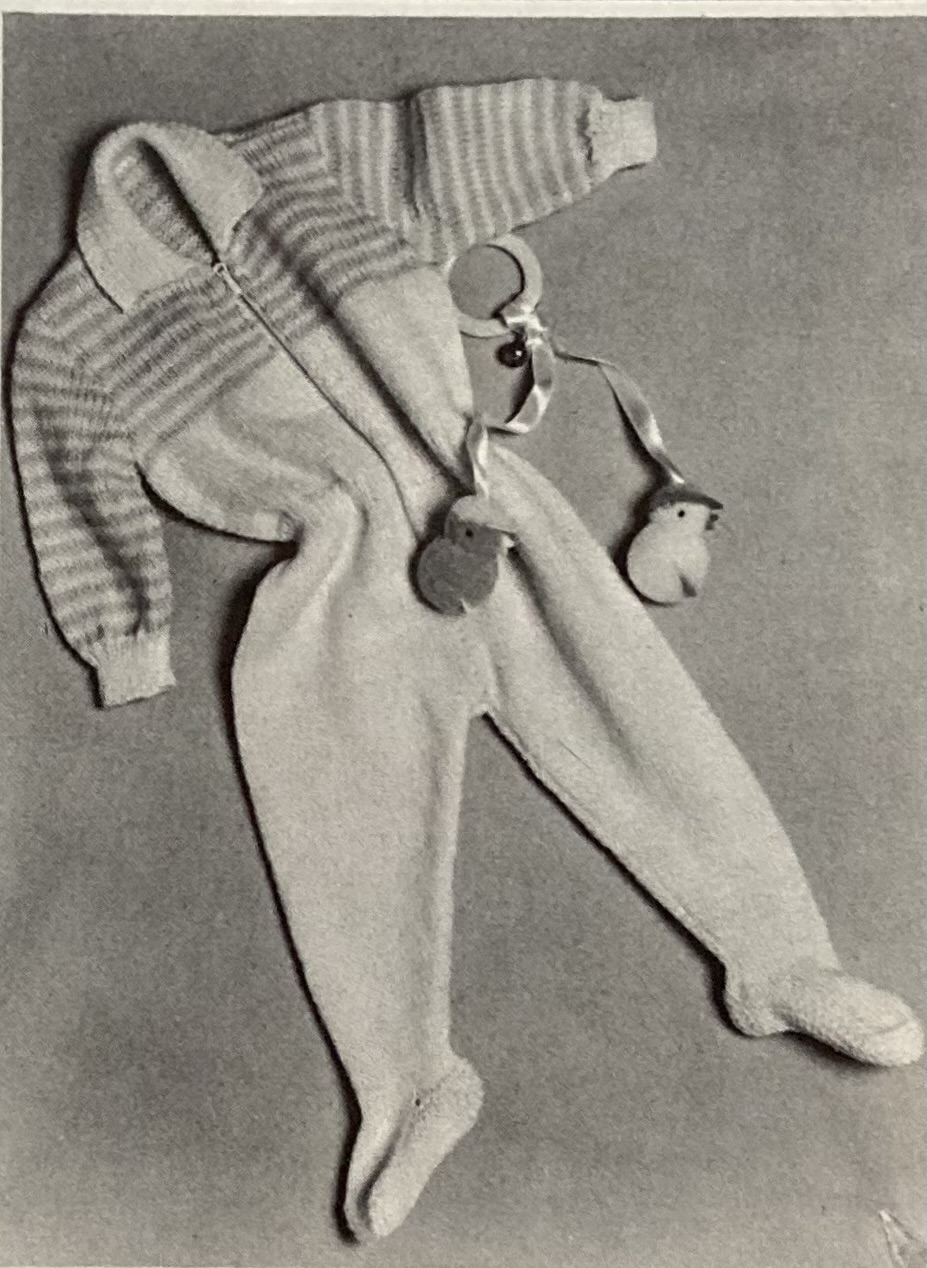
For babies, there’s a thoroughly cute, but also quite practical, zippered romper. Congratulations to the photo team for getting a baby to smile in two different photos! That’s what having warm legs will do for you.

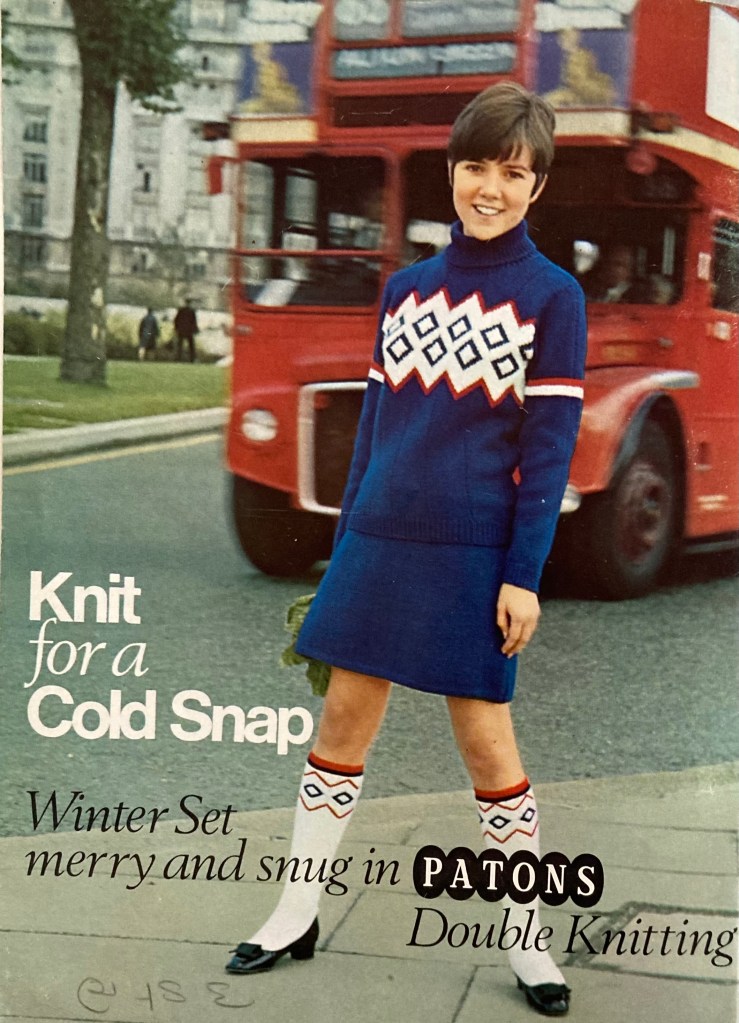
The last garment in the issue is a wonderful set intended for a young teen, made up of a jumper, skirt and matching knee socks. Here we see Stitchcraft finally getting into the swing of things, with a fun, geometric colour motif in primary colours that looks like it was inspired by a Roy Lichtenstein comic-art speech bubble.

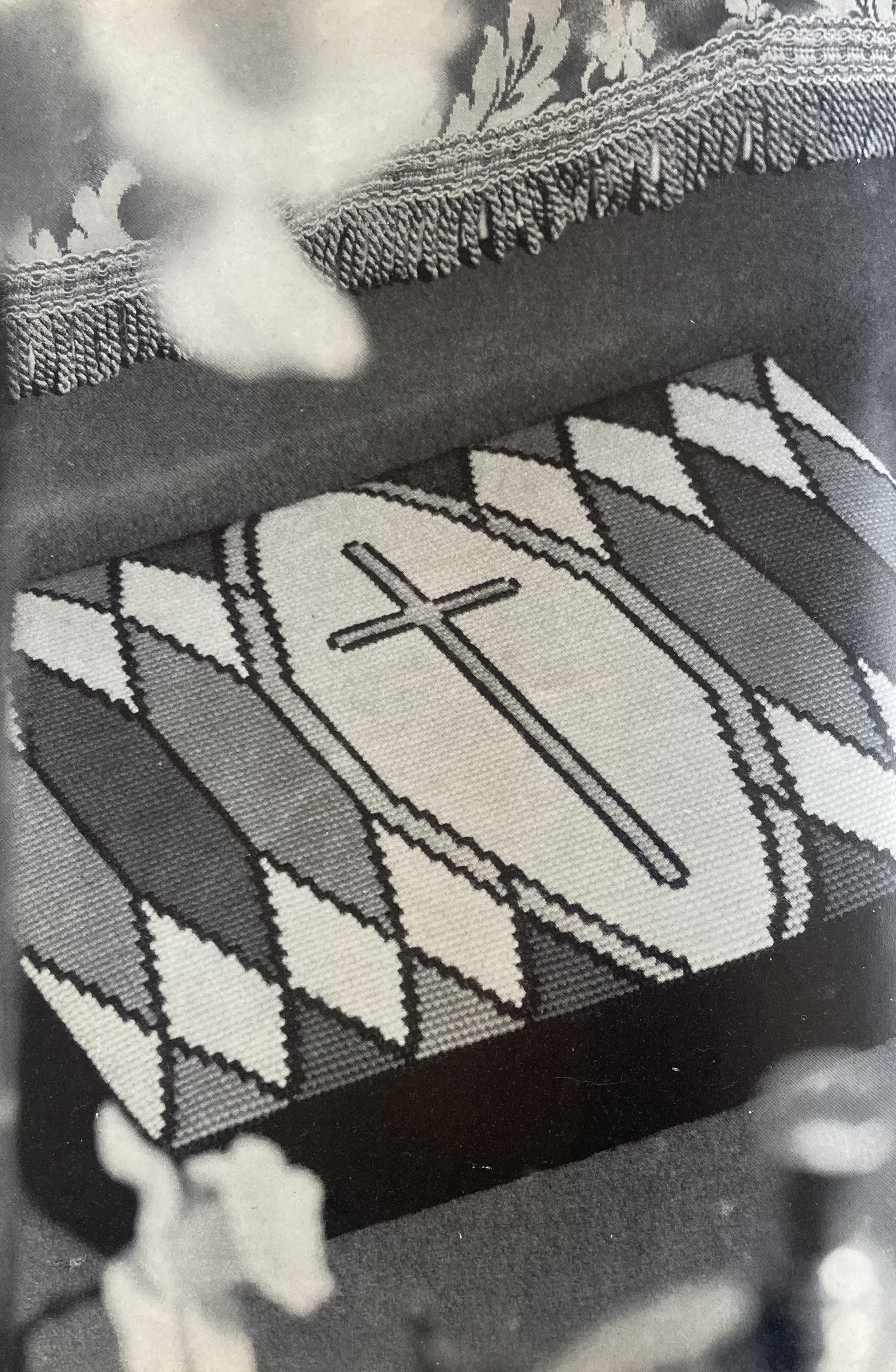
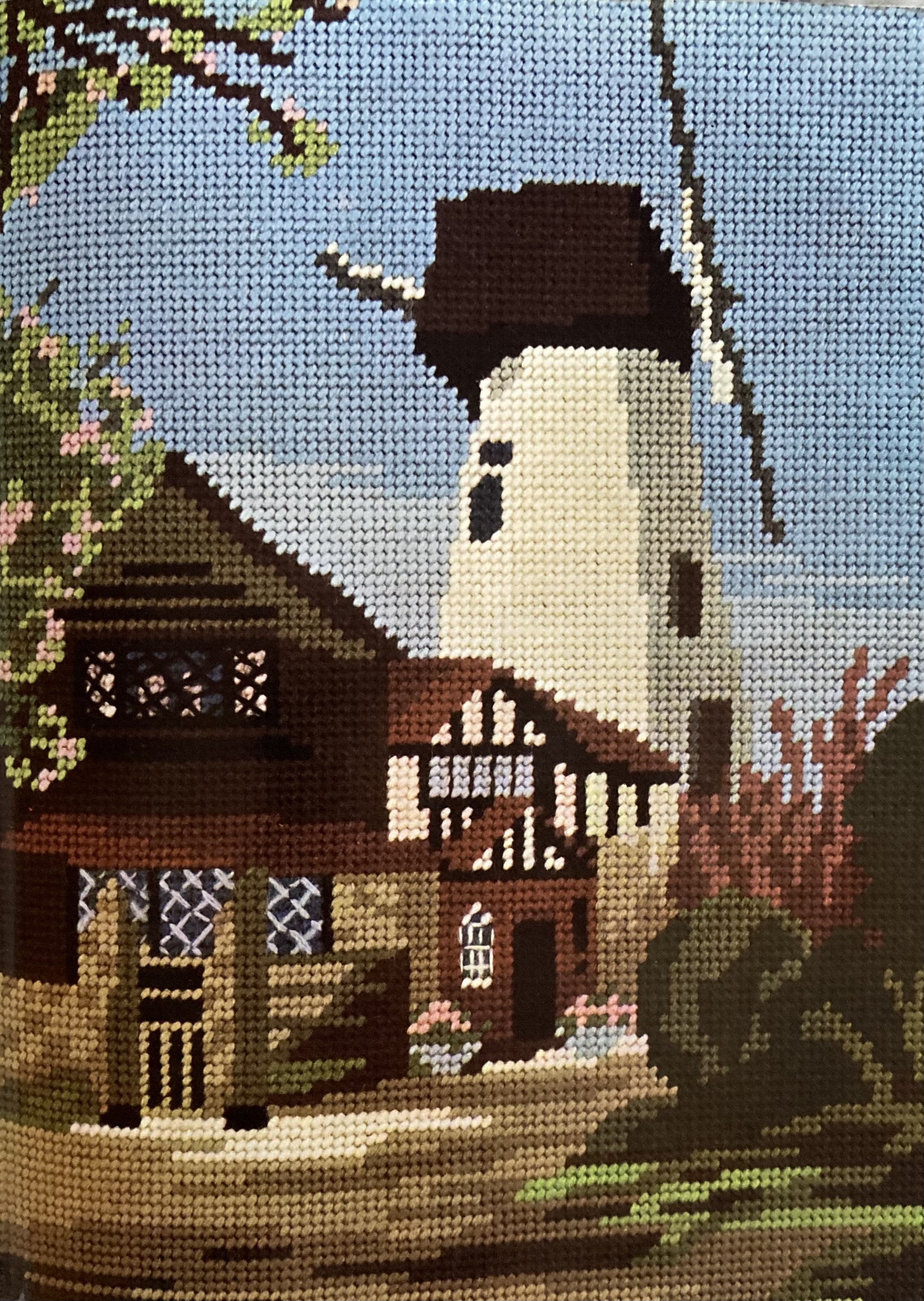
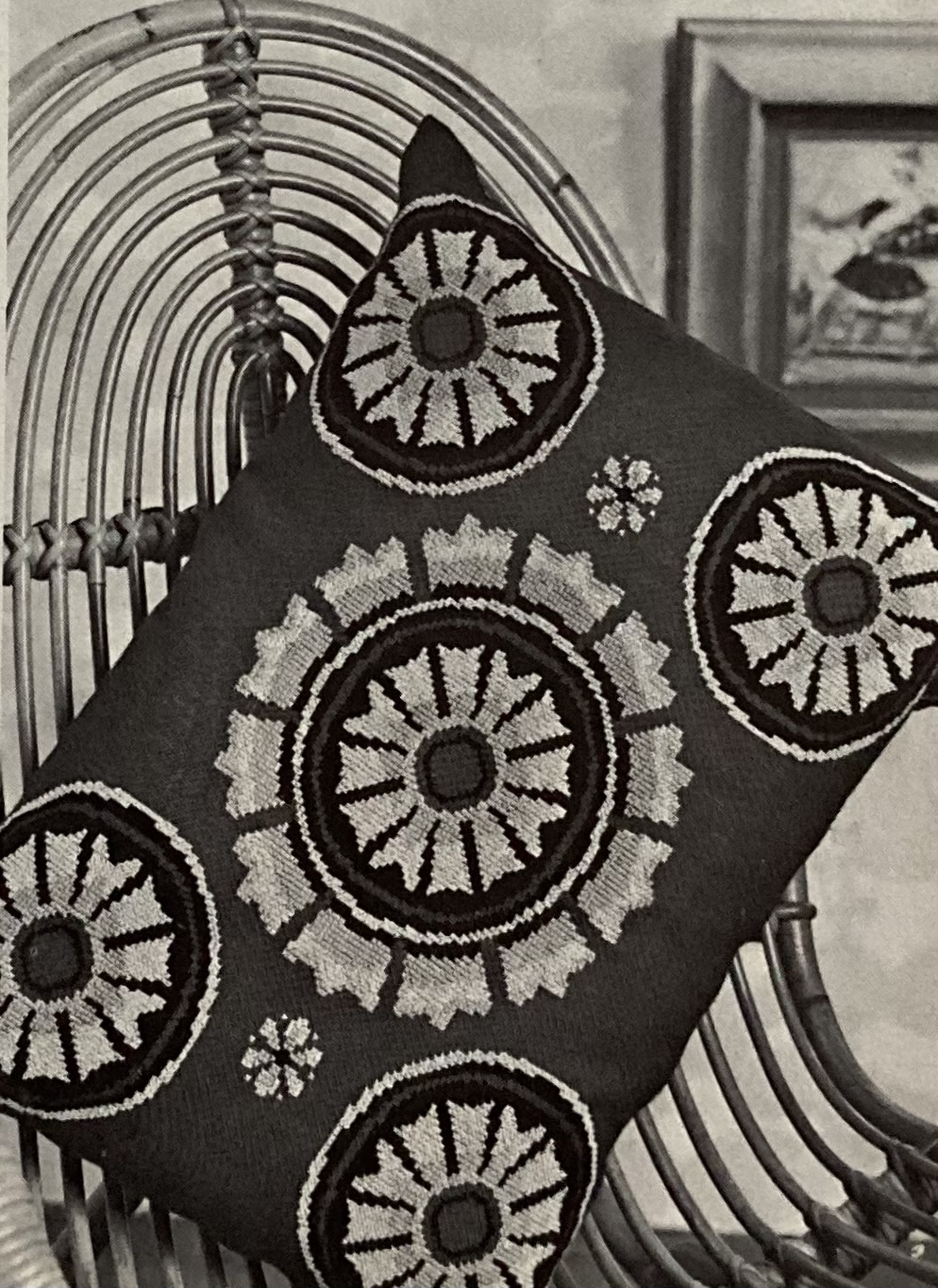
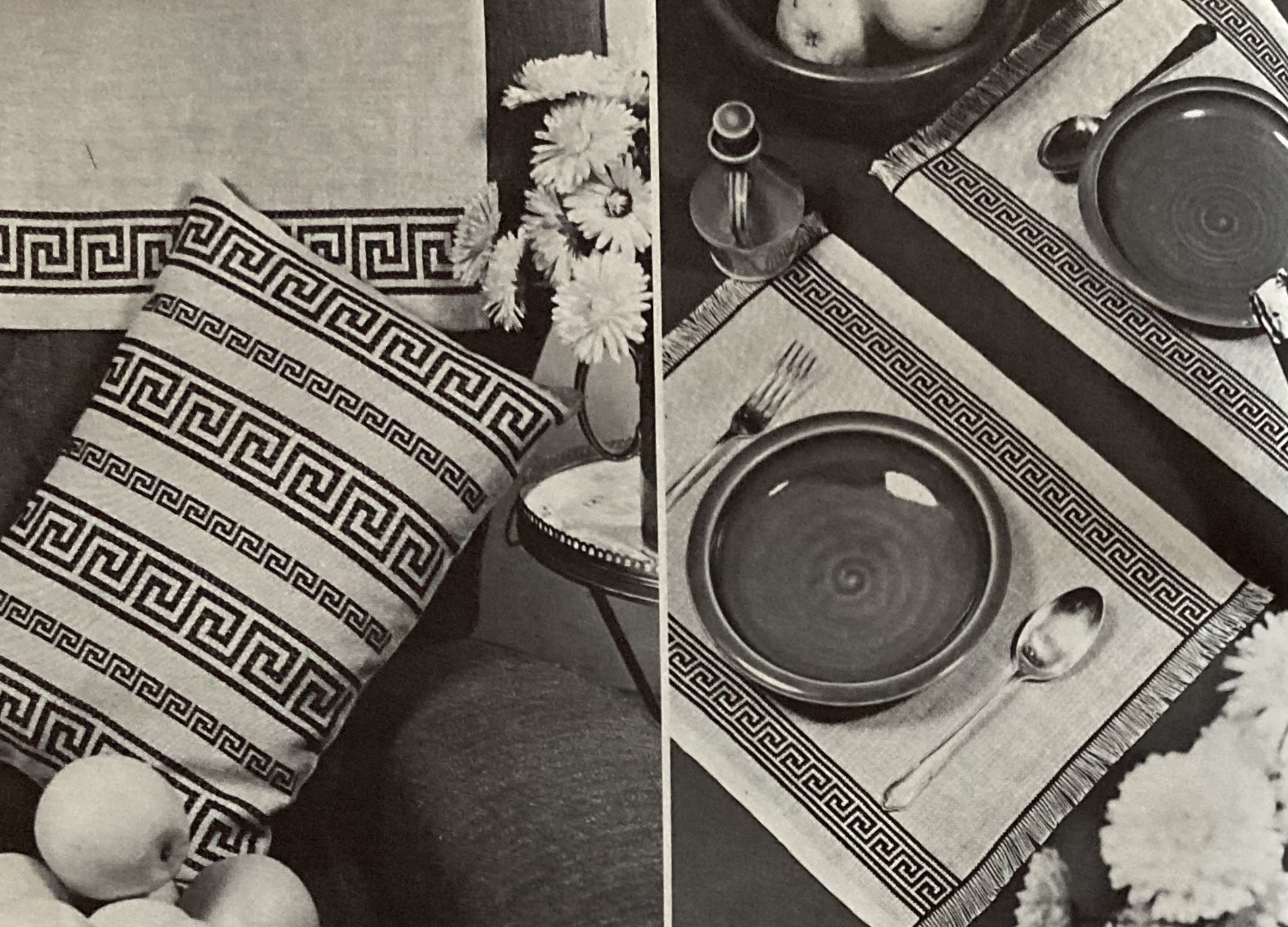
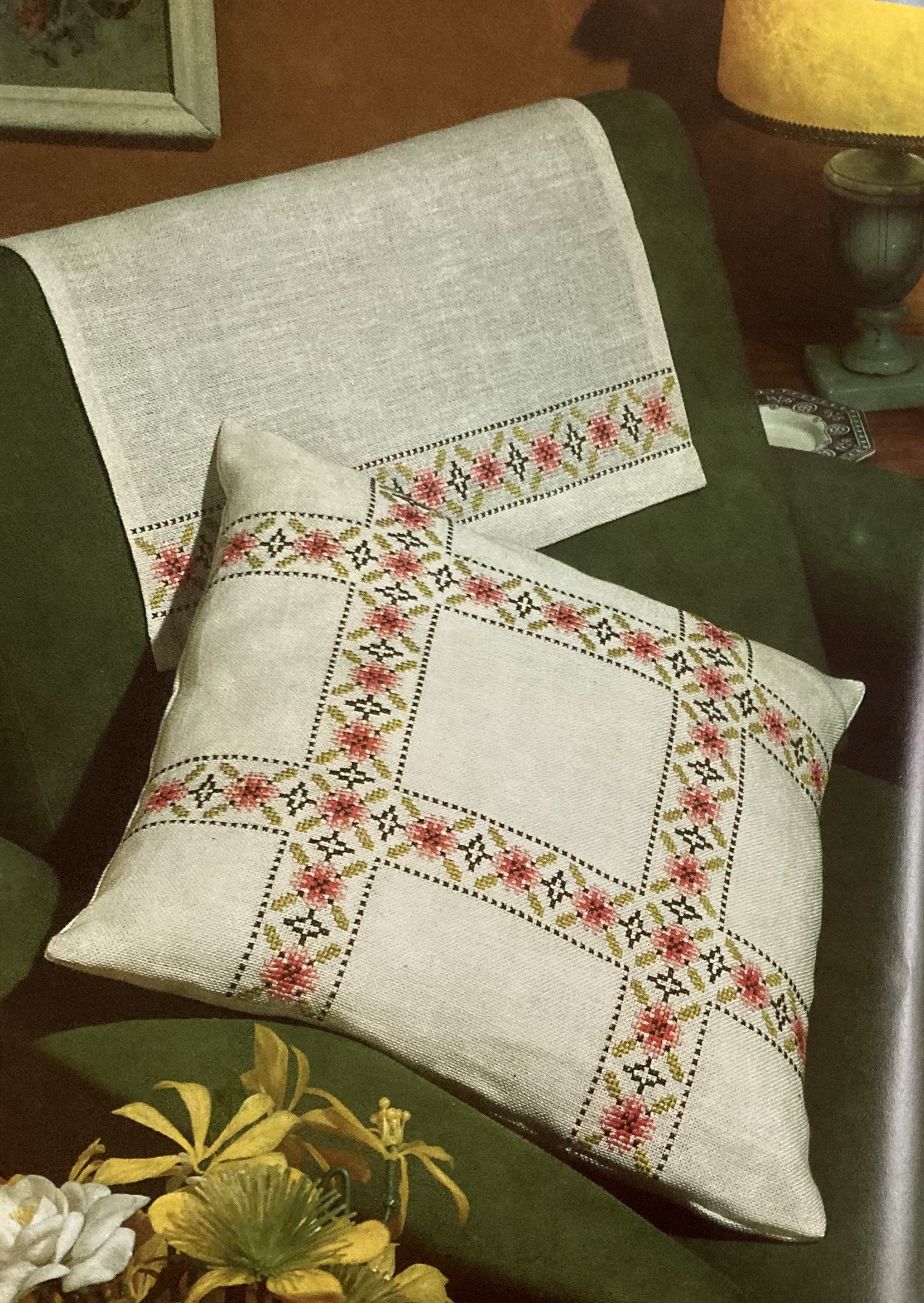
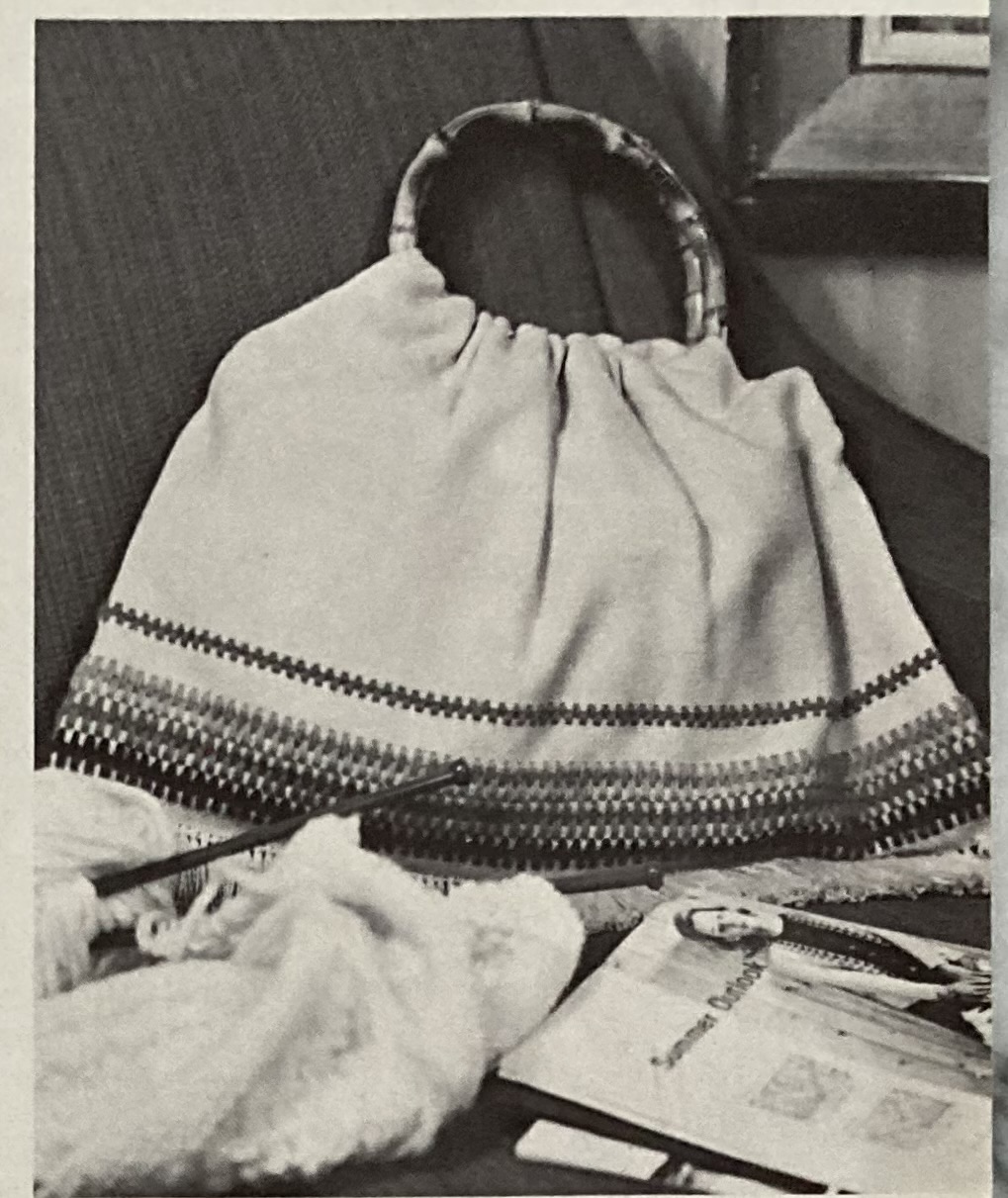
With all these great garments, it’s no wonder that the homewares are a little boring, but that’s also the direction Stitchcraft‘s homeware designs will take in the later 1960s. The most interesting design is an “attractive scene for your first attempt at a picture in tapestry.” Then there’s a tapestry design for a cushion or church kneeler, a “key pattern” embroidery design for a cushion or place mats, a cross-stitch design for a cushion or chair-back, and a design in woven embroidery for a cushion or workbag.

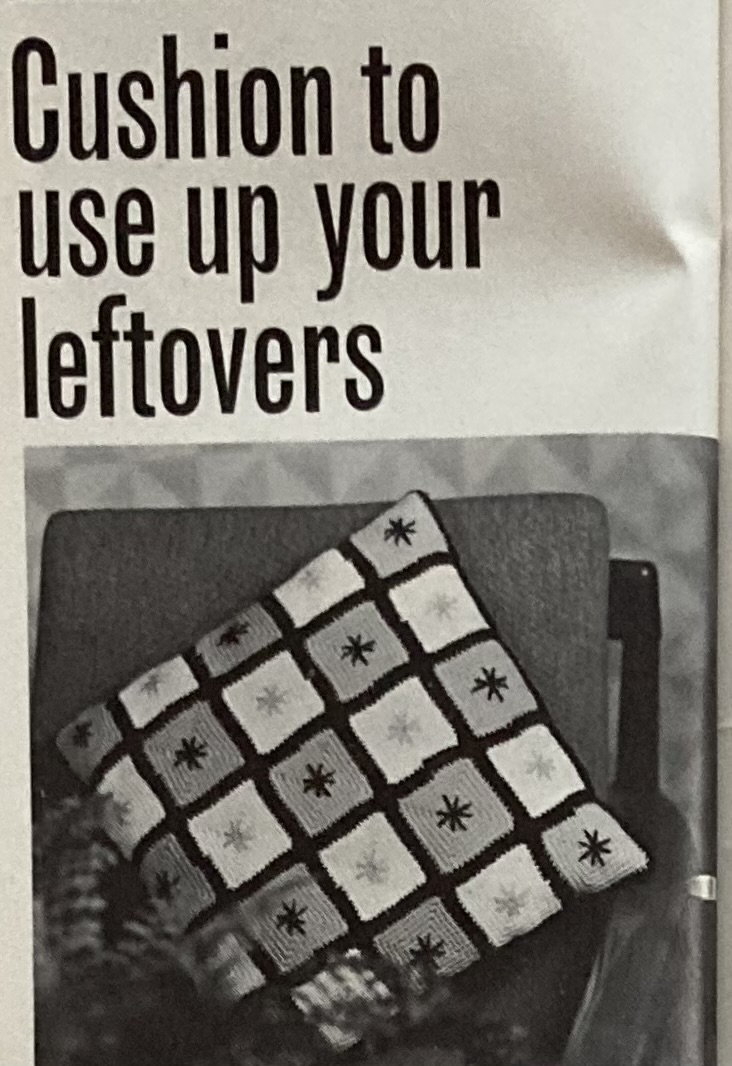
Versatility is key (but when in doubt, make a cushion.) Even the Readers Pages offers a design for a cushion, knit in squares from leftover wool.

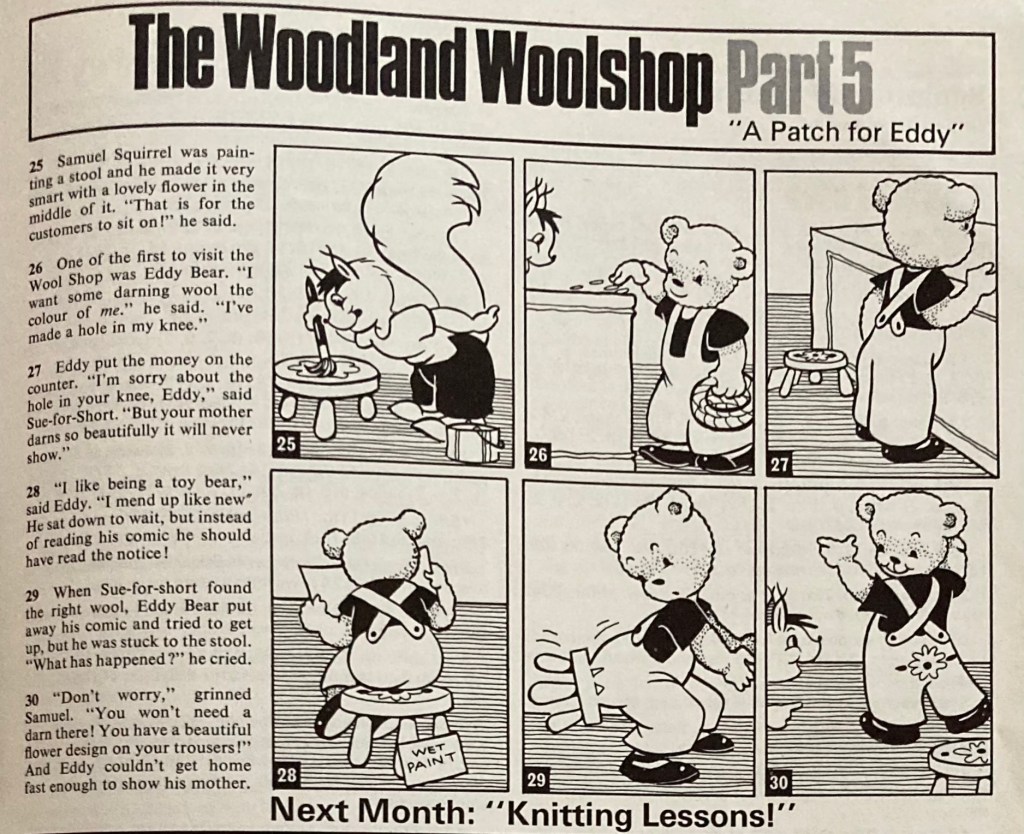
In the children’s comic, “The Woodland Woolshop”, Samuel Squirrel finds out what happens if you don’t use cushions — he paints a stool and then Eddy Bear, who has come in to replace a hole in his knee, unknowingly sits on it and gets a flower design on the seat of his trousers. May all your mistakes turn out so fortunate.